It arrives like a comet, doesn't it? Streaking across the late 90s cinematic sky, leaving a trail of glitter, sweat, and undeniable artistry. Boogie Nights wasn't just another movie you rented on a Friday night; it felt like an event. Pulling that hefty double-VHS cassette (remember those?) from the shelf promised something sprawling, something different. And Paul Thomas Anderson, barely out of his twenties, delivered an epic that somehow managed to be both a dazzling celebration and a poignant elegy for a specific, strange pocket of American life.
### More Than Just the Surface Flicker
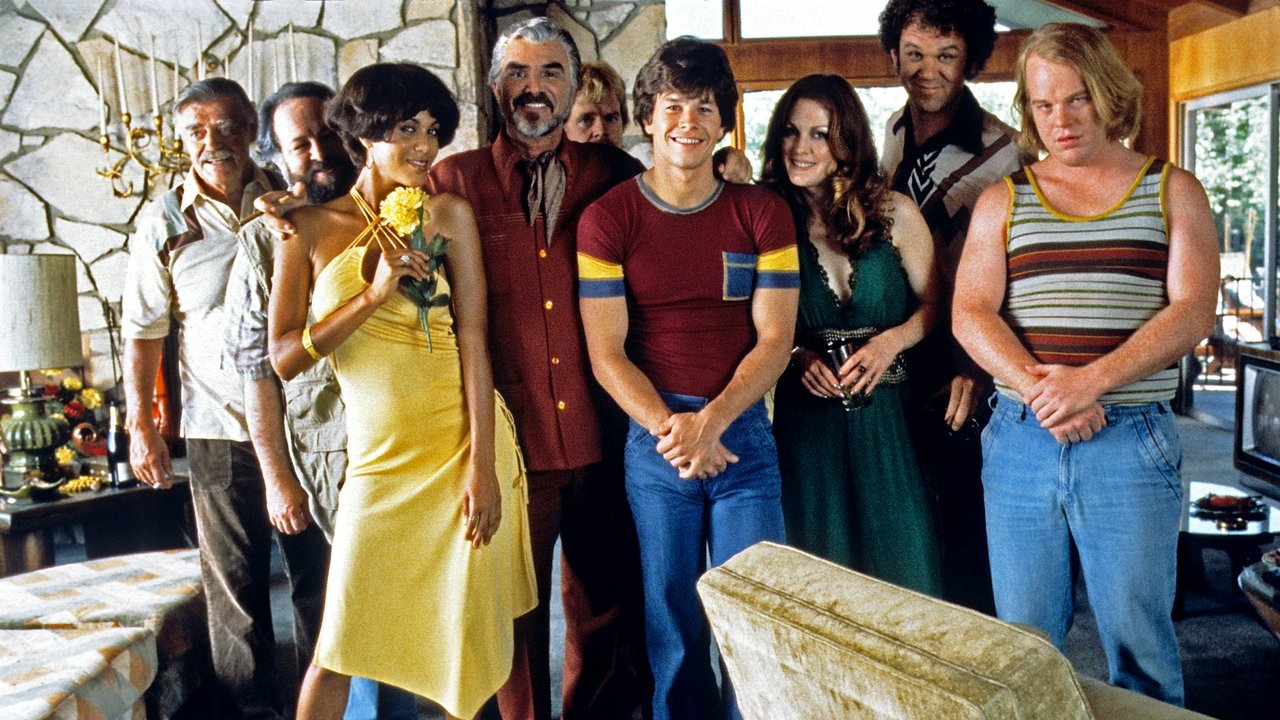
At its heart, Boogie Nights plunges us into the sun-drenched, Bicentennial-era San Fernando Valley porn industry, following the meteoric rise and inevitable fall of Eddie Adams (Mark Wahlberg), rechristened Dirk Diggler. But reducing it to just "a movie about porn stars" misses the sprawling tapestry Anderson weaves. He uses this unconventional setting to explore universal themes: the yearning for family, however dysfunctional; the seductive poison of fame and excess; the bittersweet passage of time and the way dreams curdle. It’s a story about finding belonging in the most unlikely of places, even if that belonging proves tragically fragile.
I distinctly remember watching this for the first time, perhaps a year or two after its theatrical run, finally catching it on tape. The sheer confidence of the filmmaking was staggering. Anderson, expanding on his earlier short The Dirk Diggler Story, orchestrates complex, long takes – like that incredible opening shot introducing the entire ensemble at the Hot Traxx disco – with the bravado of a seasoned master, not a wunderkind director on only his second feature. This wasn't just flashy technique; it immersed you, made you feel like a fly on the wall in Jack Horner's chaotic, strangely paternalistic world.
### A Constellation of Damaged Stars
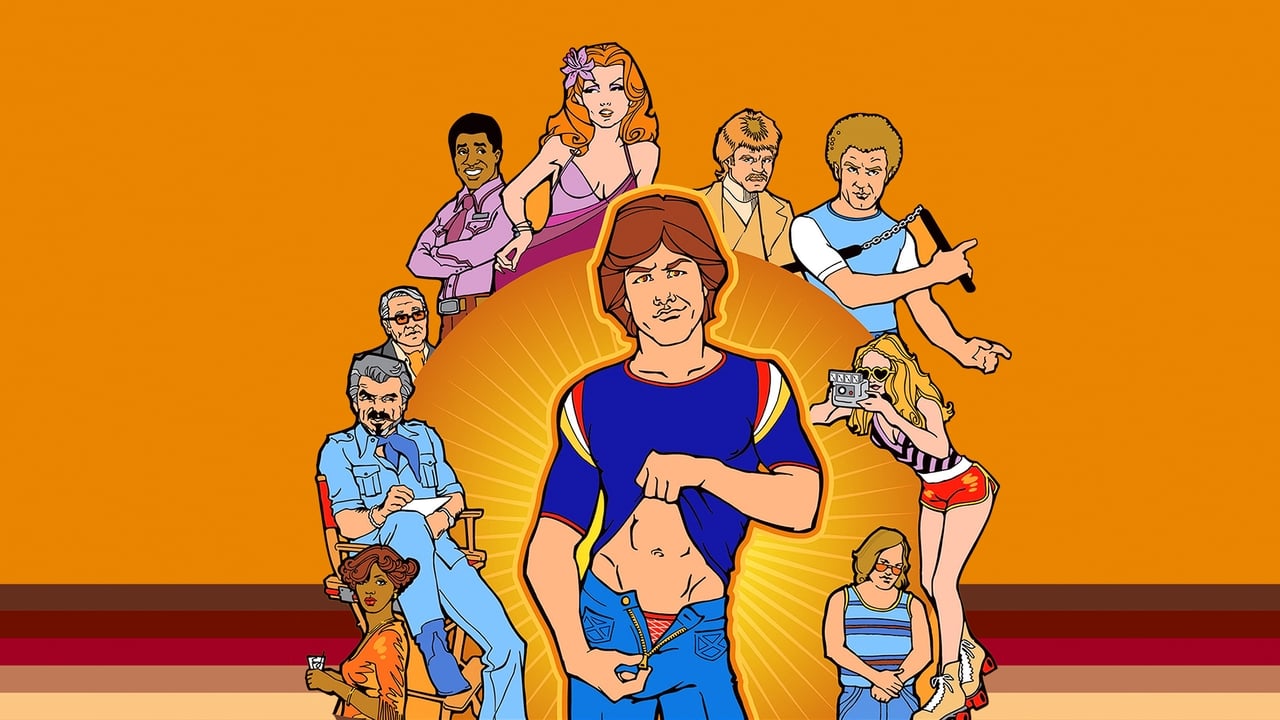
The performances are uniformly electric, forming a constellation of characters who feel achingly real despite their larger-than-life surroundings. Mark Wahlberg, shedding his "Marky Mark" persona, delivers a breakout performance, capturing Dirk's naive ambition, his vulnerability, and ultimately, his desperation. You see the eager kid wanting approval morph into someone lost in the very stardom he craved. It's a transformation that feels both shocking and sadly inevitable.
Then there's Julianne Moore as Amber Waves, the maternal figure of this makeshift family, radiating warmth even as her own life unravels in a heartbreaking custody battle. Her portrayal of a woman seeking solace and purpose in her work, while battling deep personal pain, earned her a well-deserved Oscar nomination. And Burt Reynolds… what a fascinating turn. As producer Jack Horner, he embodies a certain old-school dignity amidst the sleaze, a man who genuinely believes he's creating "art," or at least something meaningful. Reynolds famously had a complicated relationship with the film after its release, reportedly disliking the final product, but his performance is undeniable – a career-best turn layered with weariness, pride, and a touch of melancholy. It adds a specific gravity to the film, the weight of a Hollywood legend reflecting on a different kind of dream factory. Supporting players like Don Cheadle, John C. Reilly, Heather Graham, Philip Seymour Hoffman, and William H. Macy are all pitch-perfect, each carving out unforgettable moments within the ensemble.

### Beneath the Disco Ball: Grit and Glamour
Anderson doesn't shy away from the darker aspects of this world – the exploitation, the drug addiction, the violence that creeps in as the optimistic 70s curdle into the harsher realities of the 80s, mirroring the industry's shift from film to the less glamorous world of videotape. That shift feels particularly resonant now, looking back from our digital age; it captures a specific technological and cultural transition point, one we VHS fans experienced in our own way. The film masterfully uses its incredible soundtrack, packed with 70s and 80s hits, not just for nostalgia, but to underscore the characters' emotional journeys, often in deeply ironic ways. Think of the misplaced optimism of "Jessie's Girl" during that intensely uncomfortable scene at Rahad Jackson's house.
Some fascinating trivia swirls around the film's creation. Leonardo DiCaprio was initially considered for Dirk Diggler but opted for Titanic instead, recommending his Basketball Diaries co-star Wahlberg. The film, budgeted at a relatively modest $15 million, became a critical darling even if it wasn't a massive box office smash (grossing around $43 million worldwide). It faced initial hurdles with the ratings board, receiving an NC-17 before Anderson made minor trims to secure an R rating, a common battle for ambitious films pushing boundaries back then. These details don't change the viewing experience, but they highlight the conviction required to bring such a unique vision to the screen.
### Lasting Resonance
Boogie Nights isn't always an easy watch. It's long (almost 2 hours and 40 minutes – a commitment on VHS!), unflinching, and emotionally raw. Yet, it possesses a strange, undeniable warmth. It finds humanity in the margins, sympathy for flawed people chasing fleeting moments of connection and glory. Doesn't it make you ponder the strange ways we seek validation and build our chosen families? What lingers most is the bittersweet feeling – the dazzling highs inevitably followed by the sobering lows, a cycle mirrored in countless lives, both on and off screen.

Rating: 9/10
This score reflects the film's audacious ambition, masterful direction, powerhouse performances (especially from Moore and Reynolds), unforgettable atmosphere, and thematic depth. It’s a near-perfect execution of a sprawling, challenging story. While its length and subject matter might not be for everyone, its artistry is undeniable.
Boogie Nights remains a vibrant, sprawling, and ultimately deeply human film – a shimmering, sometimes tragic, snapshot of American dreams pursued under the California sun, forever preserved on those chunky plastic tapes we remember so well.