The air in 1999 crackled with a strange energy – the looming Y2K bug, the peak of dot-com absurdity, a simmering dissatisfaction beneath the surface of pre-millennial gloss. And then came Fight Club, not so much a movie as a Molotov cocktail lobbed into the multiplex, shattering complacency with a grin full of broken teeth. It wasn't just a film you watched; it was an experience that crawled under your skin, leaving behind a residue of unease and exhilaration that lingered long after the VCR whirred to a stop. Forget finding solace; this was about finding yourself in the wreckage.
### Welcome to the Bruised Heart of the Matter
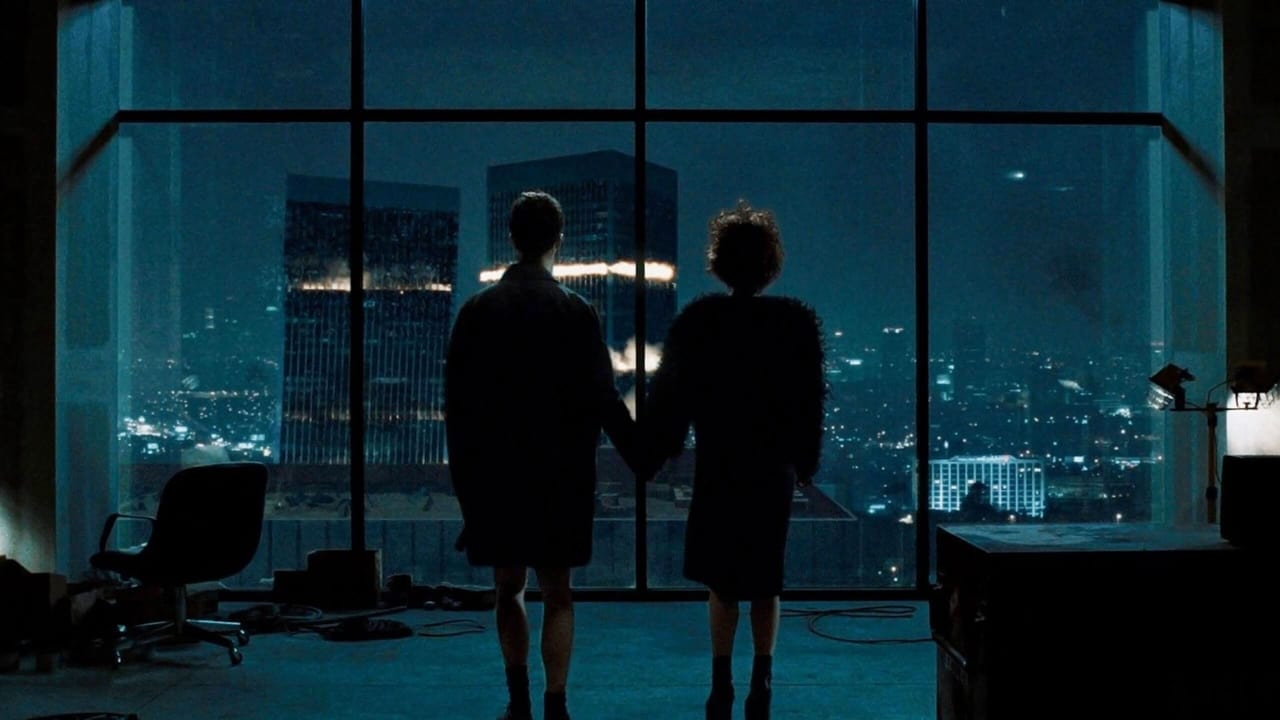
Directed by the meticulous David Fincher, already a master of stylish dread after Se7en (1995), Fight Club plunges us into the insomnia-fueled world of an unnamed Narrator (Edward Norton), a drone adrift in a sea of IKEA catalogs and soul-crushing corporate conformity. His narration, dripping with dry wit and existential despair, is our guide through a landscape bleached of meaning. Norton embodies this hollowed-out modern man perfectly – anxious, articulate, and desperate for something real. His search leads him first to the dubious comfort of support groups, feigning terminal illnesses for a cathartic cry, where he encounters the equally damaged, chain-smoking Marla Singer (Helena Bonham Carter, delivering a performance of glorious, nihilistic charisma).
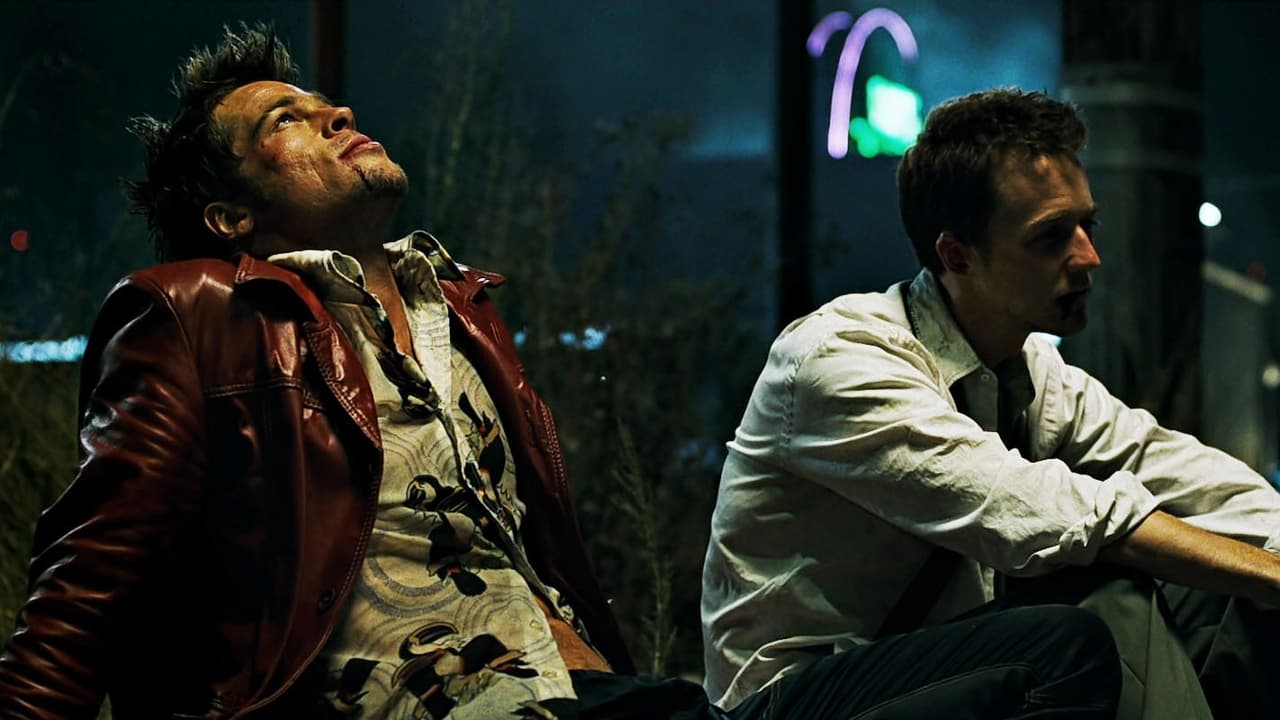
But the real catalyst arrives in the form of Tyler Durden (Brad Pitt), a charismatic soap salesman with a devil-may-care attitude and a philosophy ripped from anarchist pamphlets. Pitt's Durden is magnetic, a force of chaotic nature wrapped in a thrift-store leather jacket. He's everything the Narrator isn't – confident, dangerous, free. Their meeting sparks the titular club, a brutal, primal release valve for disenfranchised men seeking escape through bare-knuckle brawls in damp basements. It’s here the film truly digs its hooks in, depicting violence not just viscerally, but as a desperate form of connection and rebellion against a numbing world.
### From Corporate Slave to Space Monkey
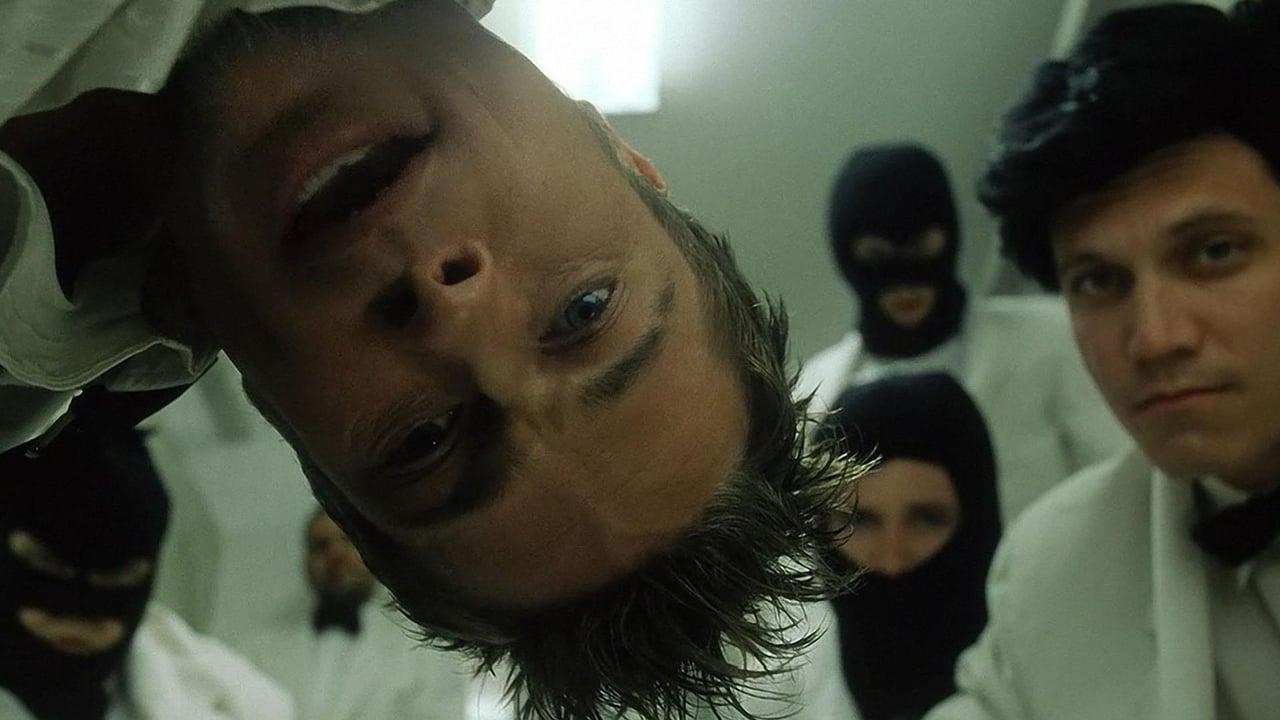
What starts as underground therapy soon metastasizes. Fincher, working from Jim Uhls’ sharp adaptation of Chuck Palahniuk’s novel, masterfully charts the evolution from Fight Club to Project Mayhem, an increasingly organized campaign of anti-corporate vandalism and anarchic disruption. The film’s visual style is integral to its power – a grimy, desaturated palette, jittery editing, and subliminal flashes (a trick Fincher employed with unnerving effect) mirror the Narrator's fractured psyche and the decay of the world around him. Remember trying to pause the VHS just right to catch those fleeting images of Tyler? The film felt alive, almost unstable, perfectly captured on that slightly degraded magnetic tape.
The production itself navigated tricky territory. Fox 2000 Pictures executives were reportedly uneasy with the film's confrontational tone and violence. Initial marketing, featuring a provocative pink bar of soap, famously confused test audiences. The film's $63 million budget was significant for such challenging material, and its initial box office return ($37 million domestically) looked like a flop. It wasn't until the DVD and VHS release that Fight Club exploded, finding its audience and cementing its status as a defining cult classic of the era. Little details add to the legend: Pitt and Norton actually learned to make soap; Pitt even voluntarily visited a dentist to have his front teeth chipped for the role, enhancing Tyler's rugged look.
### More Than Meets the Eye (or the Fist)
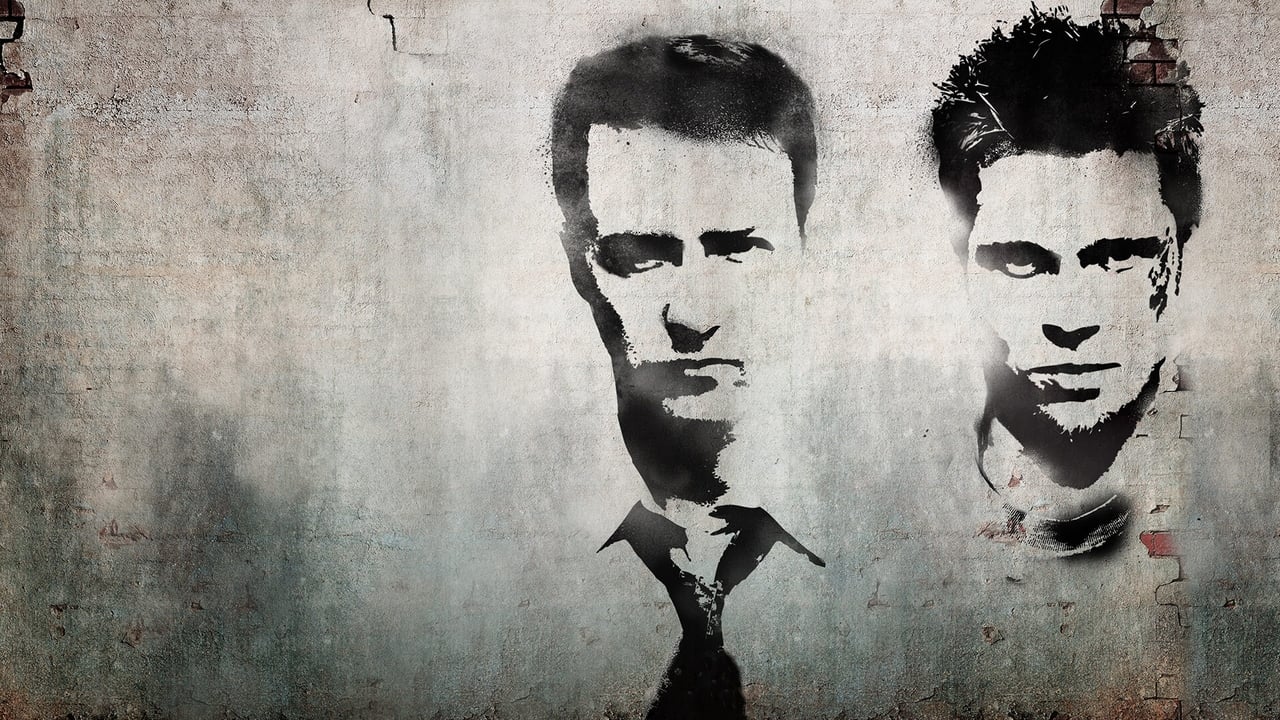
Beneath the visceral thrills and biting satire, Fight Club is a deeply layered psychological puzzle. It skewers consumer culture with surgical precision ("The things you own end up owning you") and probes anxieties about modern masculinity, identity, and the seductive allure of charismatic leaders offering simple solutions to complex problems. The infamous twist (Spoiler Alert!, though if you haven't seen it by now...) recontextualizes everything, forcing a second viewing not just for pleasure, but for understanding. Did that revelation genuinely floor you back then? It reframed the entire narrative, turning a story of rebellion into a chilling exploration of fractured identity.
The Dust Brothers' score is the perfect sonic counterpart – a relentless, industrial throb that feels both exhilarating and oppressive. Combined with Fincher's uncompromising vision and the committed performances, particularly the unforgettable dynamic between Norton’s simmering desperation and Pitt’s explosive id, the film creates an atmosphere that’s thick with tension and dark energy. Even the seemingly mundane locations, often filmed in rundown areas of Los Angeles, feel charged with a sense of urban decay and impending chaos.
### Legacy in Lye
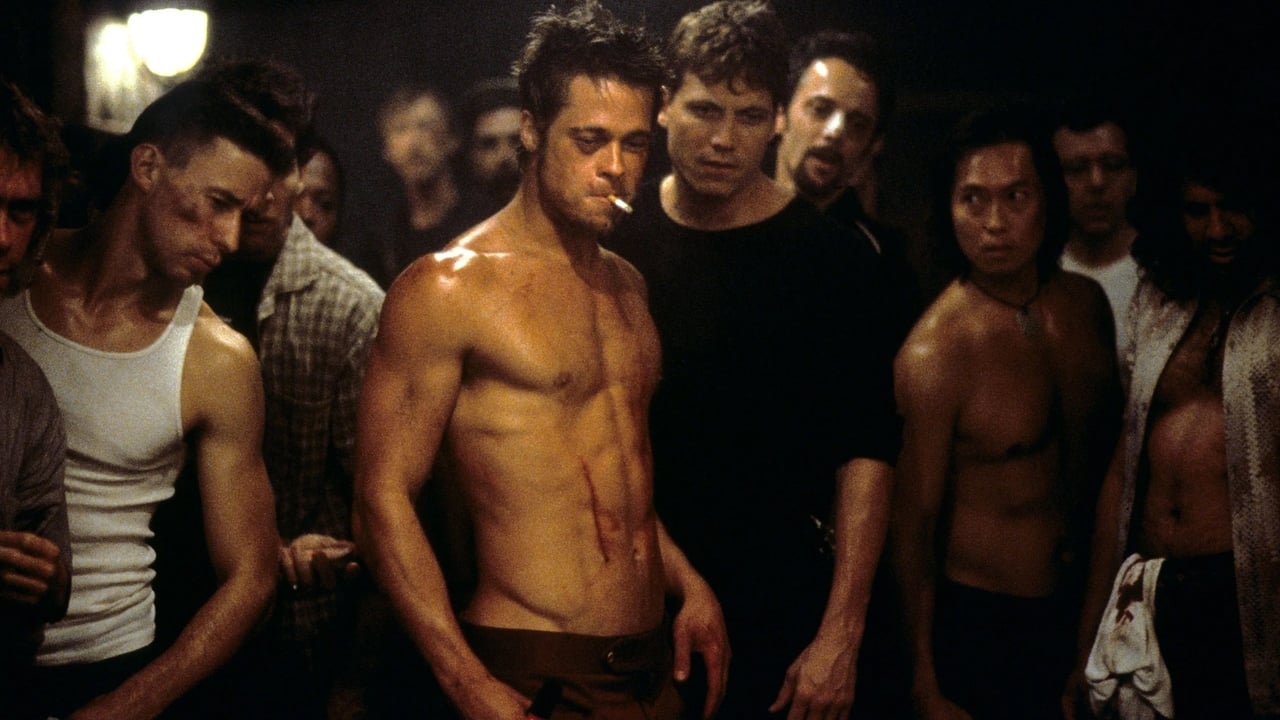
Decades later, Fight Club remains potent, perhaps even more so. Its critiques of consumerism and alienation feel prescient, while its exploration of fractured masculinity and the dangers of extremism continue to spark debate. It’s a film that refuses easy answers, demanding engagement and interpretation. Was it a dangerous incitement or a necessary wake-up call? Its power lies in that ambiguity. It tapped into a vein of late-90s discontent and gave it a visceral, unforgettable form.
Rating: 9/10
Fight Club isn't just a film; it's a cultural artifact, a blistering statement wrapped in stylish grime. Its initial lukewarm reception only highlights how ahead of its time, or perhaps how uncomfortable its truths, were. The stellar performances, Fincher's masterful direction, the razor-sharp script, and its sheer audacity earn it a near-perfect score. It falters only slightly in how its message has sometimes been misinterpreted, but the film itself remains a provocative, technically brilliant, and disturbingly relevant piece of cinema. Watching it again feels less like nostalgia and more like confronting a reflection that’s become disturbingly clearer over time. It remains required viewing, a film that hits as hard today as it did back when that worn-out VHS tape first slid into the machine.