Alright fellow tape travelers, let's rewind to a time when anime on VHS felt like uncovering forbidden knowledge, secret transmissions from another world beamed directly into our VCRs. Remember those Manga Entertainment tapes with their striking covers promising action and artistry unlike anything on Saturday morning cartoons? Among those treasures, one often stood out for its sheer apocalyptic scale and gorgeous, dark visuals: 1996’s X: The Movie (sometimes just X, or X/1999 in manga form). This wasn't your average after-school fare; this was operatic, brutal, and utterly mesmerizing.
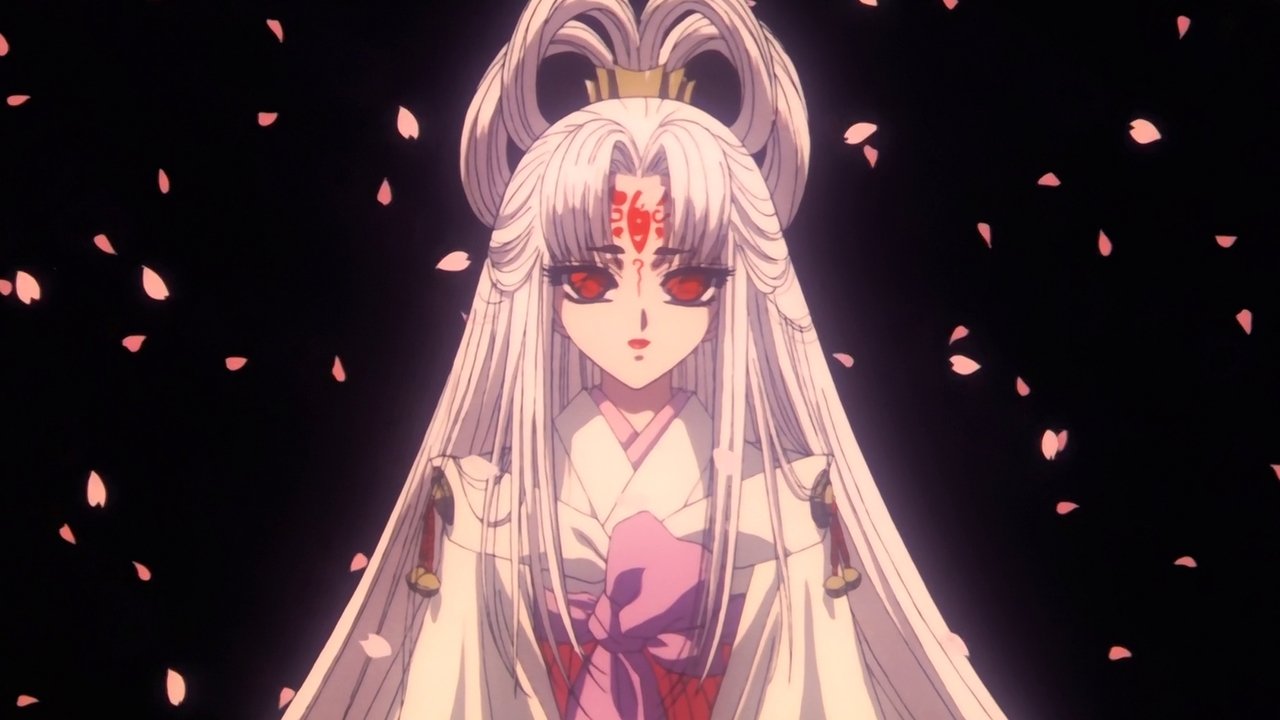
Directed by the legendary Rintaro (whose stylish touch graced classics like Galaxy Express 999 and later, the stunning Metropolis), and based on the famously unfinished epic manga by the powerhouse collective CLAMP, X throws you headfirst into a prophecy foretelling the end of the world. The premise is elegantly stark: two factions of super-powered individuals, the Dragons of Heaven (protectors of humanity) and the Dragons of Earth (advocates for nature, even if it means wiping us out), are destined to clash in Tokyo. Caught in the middle is Kamui Shiro, a brooding teenager voiced with intense angst by Tomokazu Seki, who holds the key to Earth's fate. Will he join the compassionate Dragons of Heaven, or the seemingly merciless Dragons of Earth led by his childhood friend-turned-antagonist Fuma Monou (voiced by the smooth Ken Narita)? The fate of everything hangs in the balance, often quite literally represented by the tragic figure of Kotori Monou, Fuma's gentle sister (voiced by Junko Iwao).
An Apocalyptic Ballet
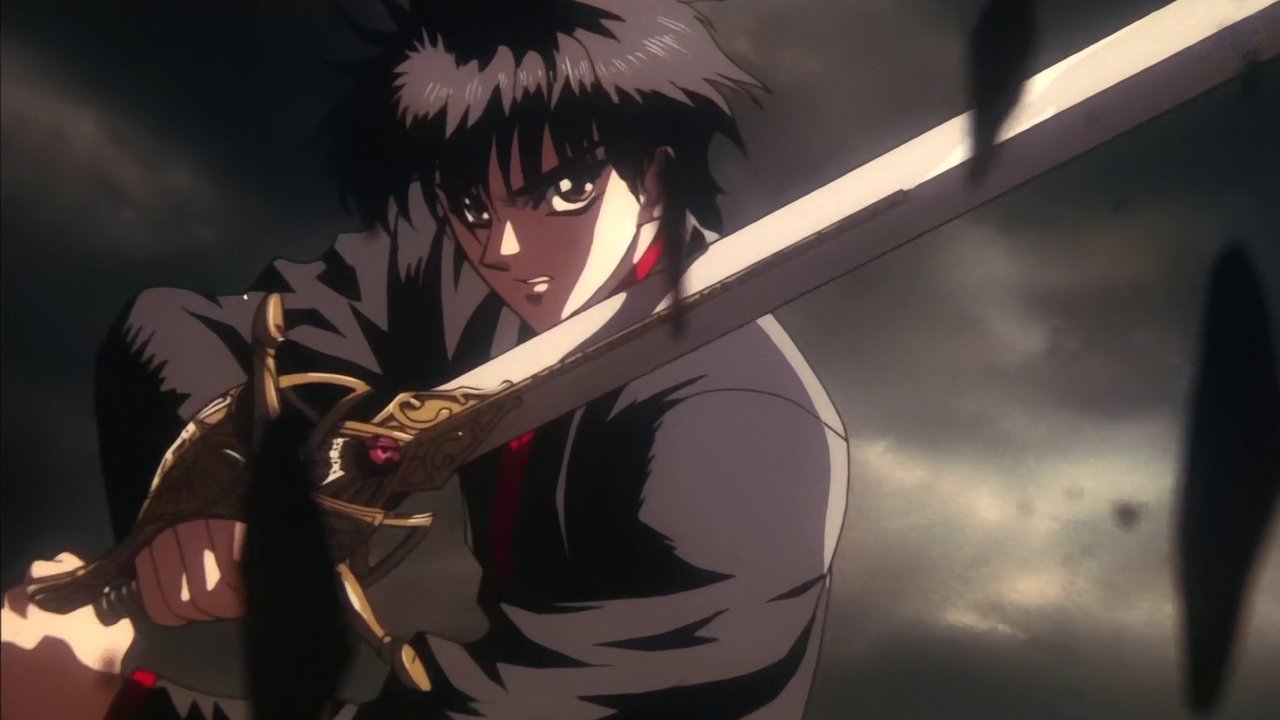
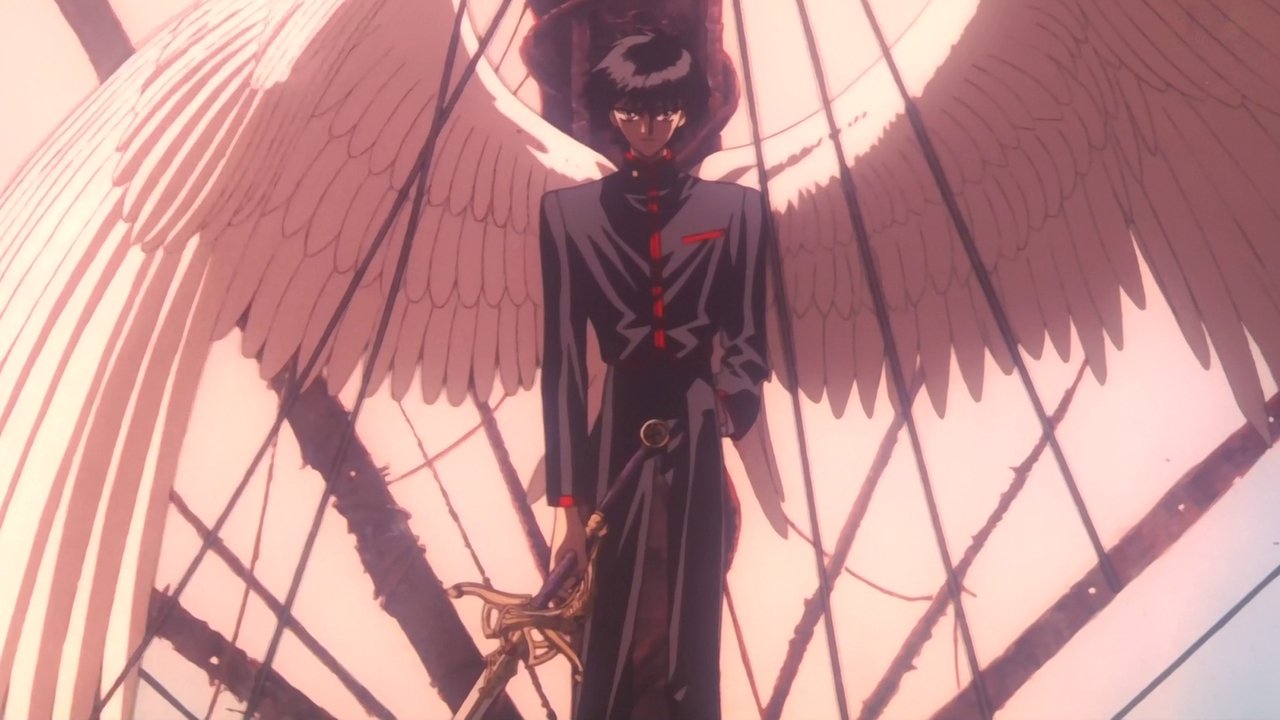
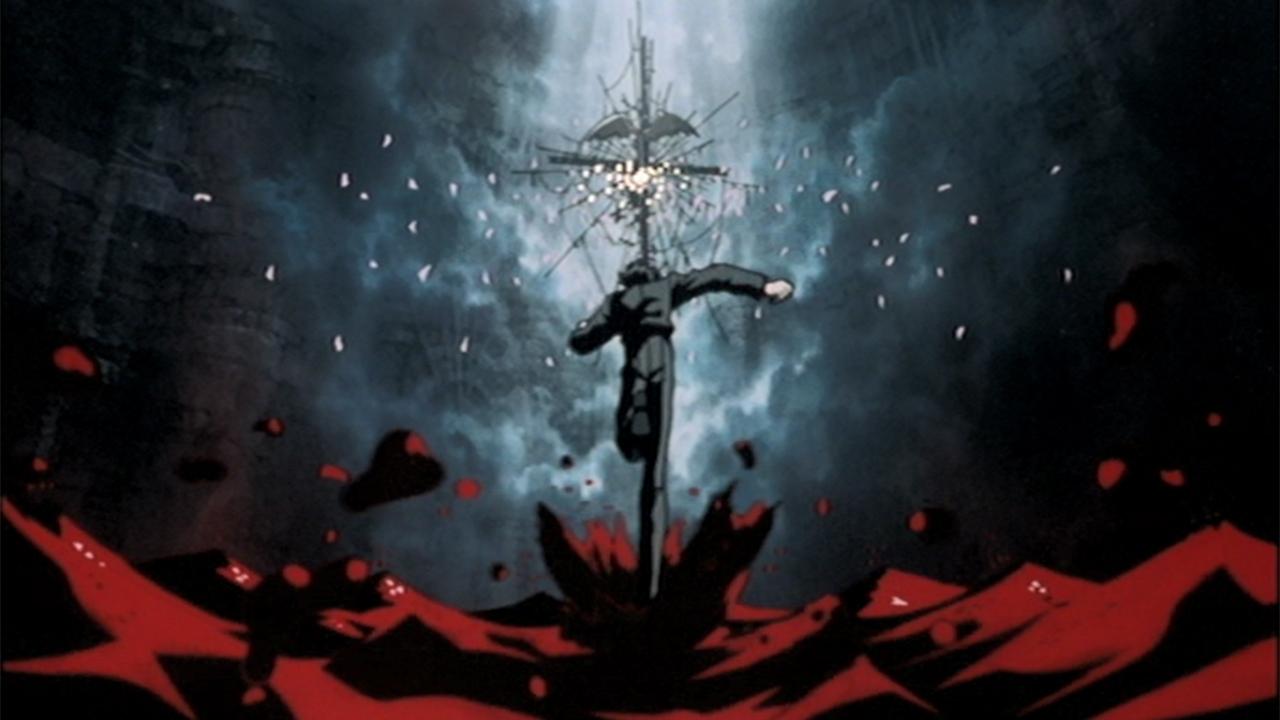
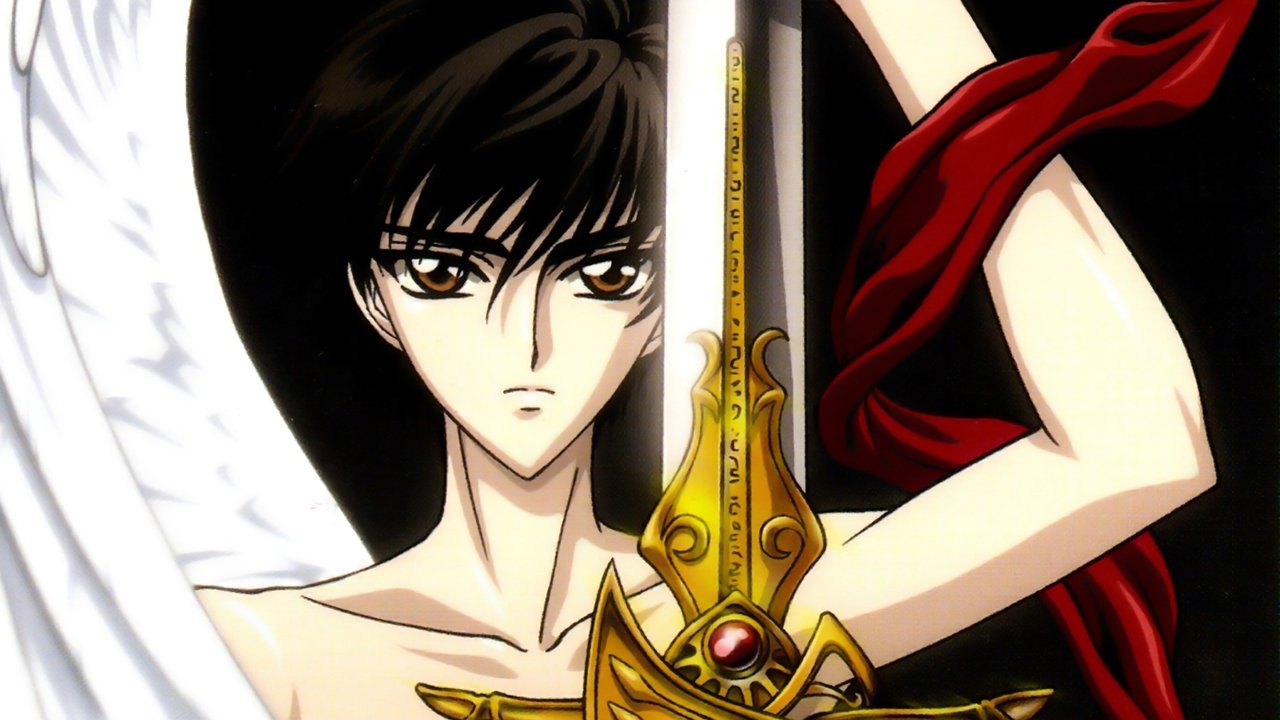
What immediately grabs you about X, even now, is its sheer visual spectacle. This film is gorgeous. Forget simplistic animation; Rintaro and the team at Madhouse delivered fluid movement, incredibly detailed backgrounds depicting a crumbling Tokyo, and character designs (originally by CLAMP, adapted for animation) that were intricate and expressive. The action sequences are less fights and more like destructive ballets – characters unleash devastating elemental powers, psychic barriers shatter, and iconic Tokyo landmarks are reduced to rubble with operatic flair. It felt incredibly ambitious for its time, pushing the boundaries of theatrical animation. I distinctly remember being awestruck by the fluidity and sheer impact of these battles on my old CRT – it felt epic in a way few things did back then. The score by Yasuaki Shimizu perfectly complements this, shifting from haunting melodies to bombastic orchestral pieces that heighten the sense of impending doom.
Wrestling an Epic into 90 Minutes
Now, let's talk about the dragon in the room: the story. CLAMP's X manga is a sprawling, complex narrative overflowing with characters, intricate relationships, philosophical debates, and a lot of plot threads. Co-writers Rintaro, CLAMP's own Nanase Ohkawa, and Mami Watanabe faced the Herculean task of condensing this behemoth – which, crucially, still wasn't finished – into a feature film. The result? Well, it's a whirlwind. The movie essentially functions as a hyper-condensed highlight reel of the manga's core conflict and major players. Character development often takes a backseat to introducing the next cool Dragon and showcasing their powers before, quite often, dispatching them in brutally quick fashion.
This pacing can feel jarring. If you hadn't read the manga (which was common for Western audiences encountering the film on VHS), you might feel like you walked into the final act of a much longer story. Who are all these people? Why should we care about their sudden, often graphic, demise? It’s a valid criticism. The film sacrifices depth for spectacle and velocity, creating an original, definitive (and famously controversial among manga fans) ending to provide closure where the source material hadn't yet.
Retro Fun Facts & End of the World Vibes
Despite the narrative compression, X is packed with fascinating tidbits. The decision to create a movie-specific ending was a major point of discussion; CLAMP reportedly had mixed feelings, though they were involved in the production (with Nanase Ohkawa contributing to the script). It's a stark contrast to the later 2001 X TV series, which had more time to breathe and develop the characters, ultimately following the manga more closely until it too had to create its own conclusion when the manga went on indefinite hiatus.
Think about the sheer audacity of adapting an unfinished story known for its complexity into a sub-100-minute movie! It speaks volumes about the anime boom of the 90s and the desire to bring these visually rich properties to a wider audience, even if compromises had to be made. Manga Entertainment's VHS release in the West was significant, exposing many viewers to a darker, more mature style of anime. For some of us, X was a gateway drug, proving animation could tackle apocalyptic themes with deadly seriousness and breathtaking artistry. Remember arguing with friends about whether Kamui made the right choice, or just rewinding to watch that one incredible fight scene again?
A Flawed Diamond from the Archive
So, how does X: The Movie hold up after all these years? Visually, it remains stunning. The animation quality, the direction, the sheer style – it’s a testament to the craft of the era. The breakneck pacing and truncated character arcs are undeniably flaws born from its adaptation challenge. It’s less a deep narrative experience and more an audiovisual assault, a beautiful, chaotic snapshot of an epic conflict.
It might not fully capture the philosophical depth or emotional nuance of CLAMP's original vision, but as a piece of 90s anime history, it’s unforgettable. It’s a film that feels like that era – ambitious, visually daring, maybe a little narratively reckless, but pulsing with energy. It’s the kind of tape you’d grab off the shelf, drawn in by the cover, and be left breathless by the sheer spectacle, even if you weren’t entirely sure what just happened.
Rating: 7/10
Justification: While narratively compromised by the need to condense a sprawling, unfinished manga, X: The Movie remains a visually stunning and atmospherically potent piece of 90s anime. Its ambition, Rintaro's stylish direction, the incredible animation quality, and the sheer apocalyptic opera of it all earn it high marks for effort and impact, especially within the context of its time. The score reflects its brilliance as an audiovisual experience, docked slightly for the unavoidable sacrifices in character depth and story coherence.
For a dose of gorgeous, high-stakes, world-ending 90s anime angst, you could do far worse than digging up this apocalyptic gem. It’s a beautiful catastrophe, frozen in time on magnetic tape.