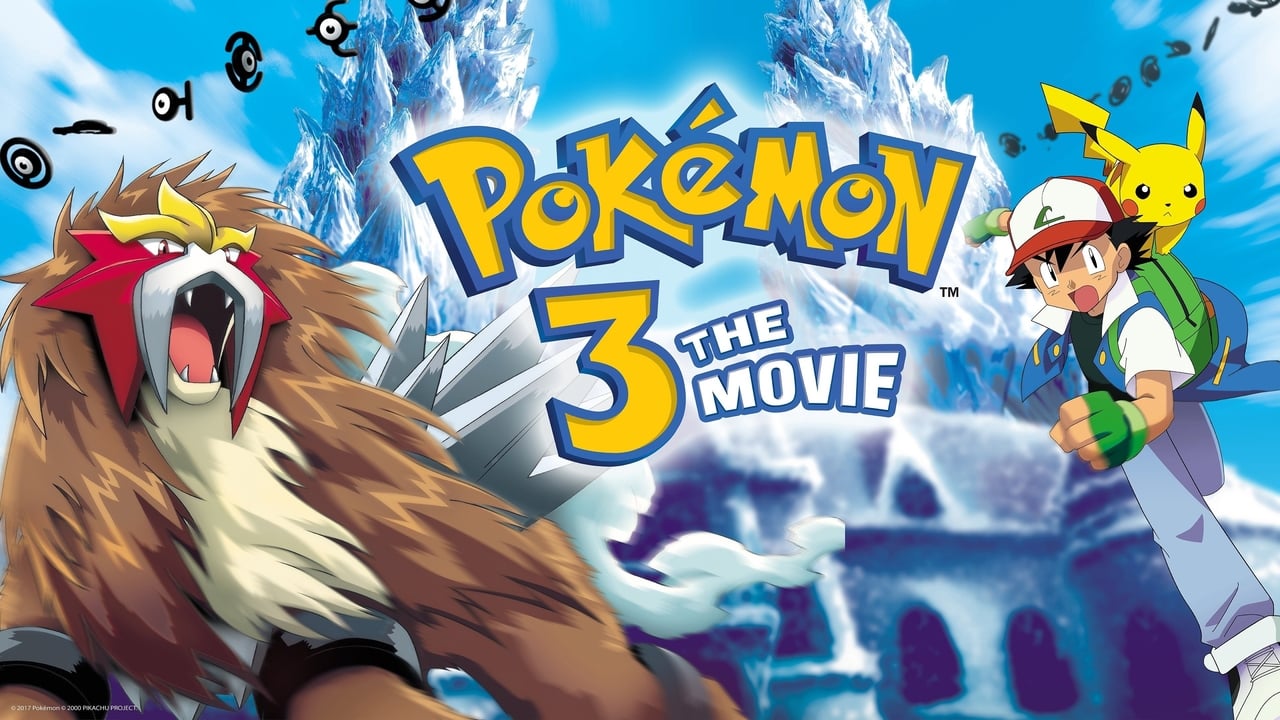
Remember those strange, alphabet-shaped Pokémon floating ominously on the screen? If you were caught up in the whirlwind of Pokémania around the turn of the millennium, chances are you encountered the Unown, and likely in Pokémon 3: The Movie (or Spell of the Unown: Entei, as it's often known). Released in 2000, this wasn't just another trip to the cinema to see Ash and Pikachu; it felt… different. Darker, more personal, and visually quite striking for its time, this third cinematic outing plunged us into a surprisingly emotional tale wrapped in a kaleidoscopic crystal nightmare.
### A Father's Wish, A Daughter's Grief
Unlike the epic clashes of Mewtwo or the elemental titans of the second film, Pokémon 3 grounds itself in a deeply human story. We meet young Molly Hale, whose world shatters when her archaeologist father disappears while researching the mysterious Unown. Left alone in her vast, empty mansion, Molly’s loneliness resonates powerfully, amplified when the enigmatic Unown manifest, drawn by her grief and the strange artifacts her father left behind. This setup, penned by the late Takeshi Shudo (the original head writer for the Pokémon anime series, known for exploring surprisingly mature themes), gives the film an immediate emotional weight that feels quite distinct.
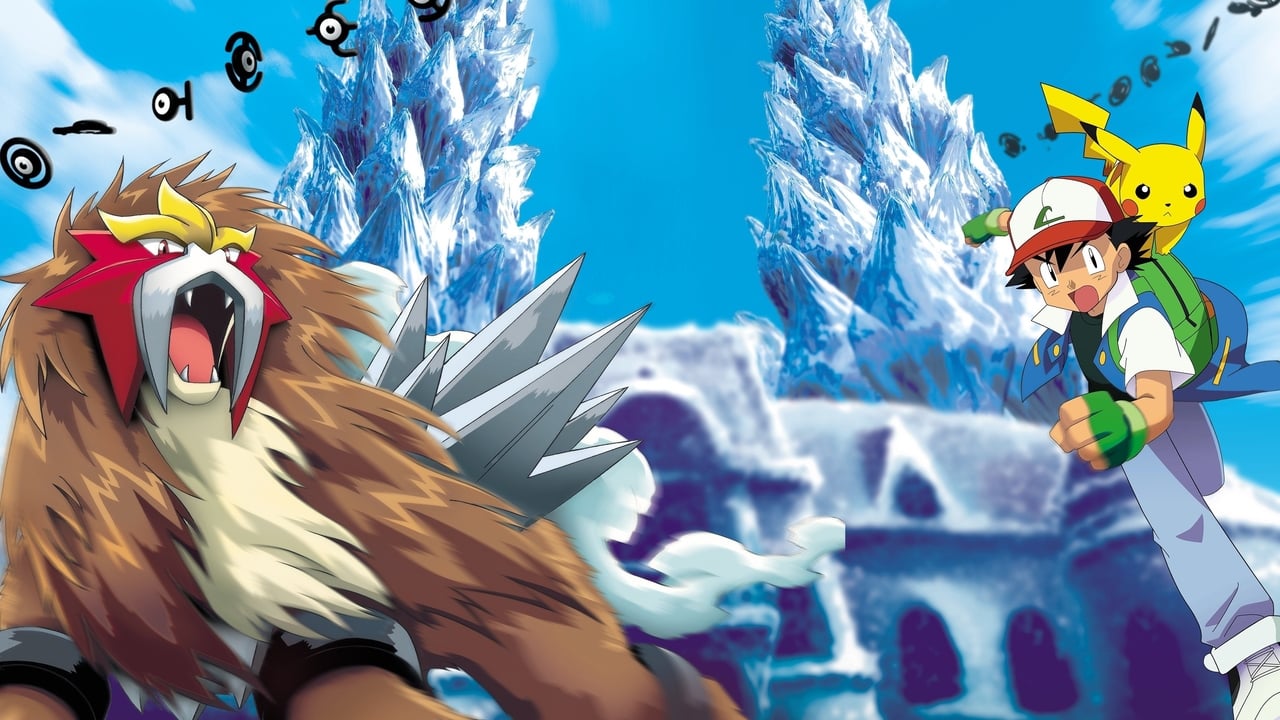
The Unown, tapping into Molly’s subconscious desires, conjure a dream world for her. They transform her home into a sprawling crystal palace – a visual feast that must have looked dazzling on those chunky CRT TVs – and, crucially, they manifest the legendary Pokémon Entei to serve as her surrogate father. This isn't the wild Entei from the Gold and Silver games many of us were playing on our Game Boys at the time; this is an Entei born of pure longing, powerful yet bound to a child's fragile psyche. It's a fascinating premise, shifting the focus from a world-ending threat to a deeply personal crisis.
### Crystal Castles and Legendary Encounters
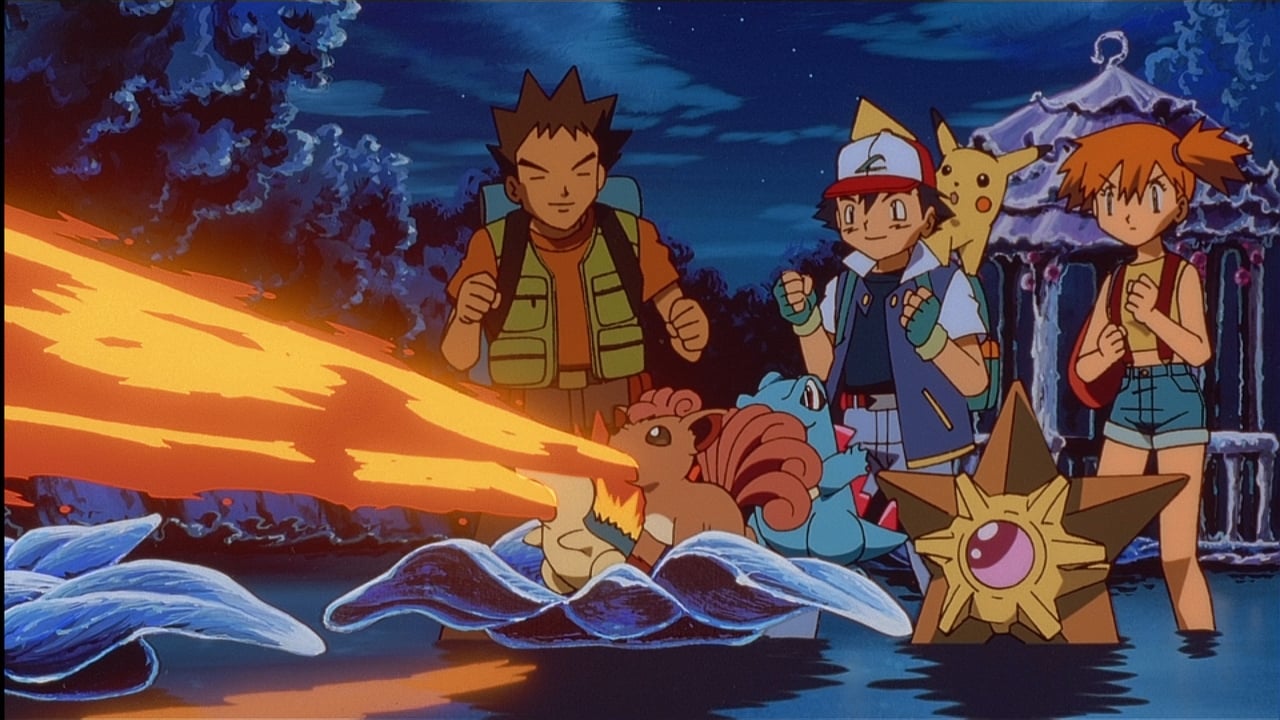
When Ash, Misty, and Brock arrive in the idyllic town of Greenfield, they stumble into Molly’s crystalline domain. The plot kicks into gear when Entei, fulfilling Molly's wish for a mother, kidnaps Ash's mom, Delia Ketchum. Cue the rescue mission! What follows is a journey through bizarre, geometrically impossible landscapes created by the Unown's power. The animation, while standard for the era's Pokémon productions, really shines in depicting this surreal crystal environment. It felt imaginative and slightly unsettling, a far cry from the usual Kanto or Johto scenery.
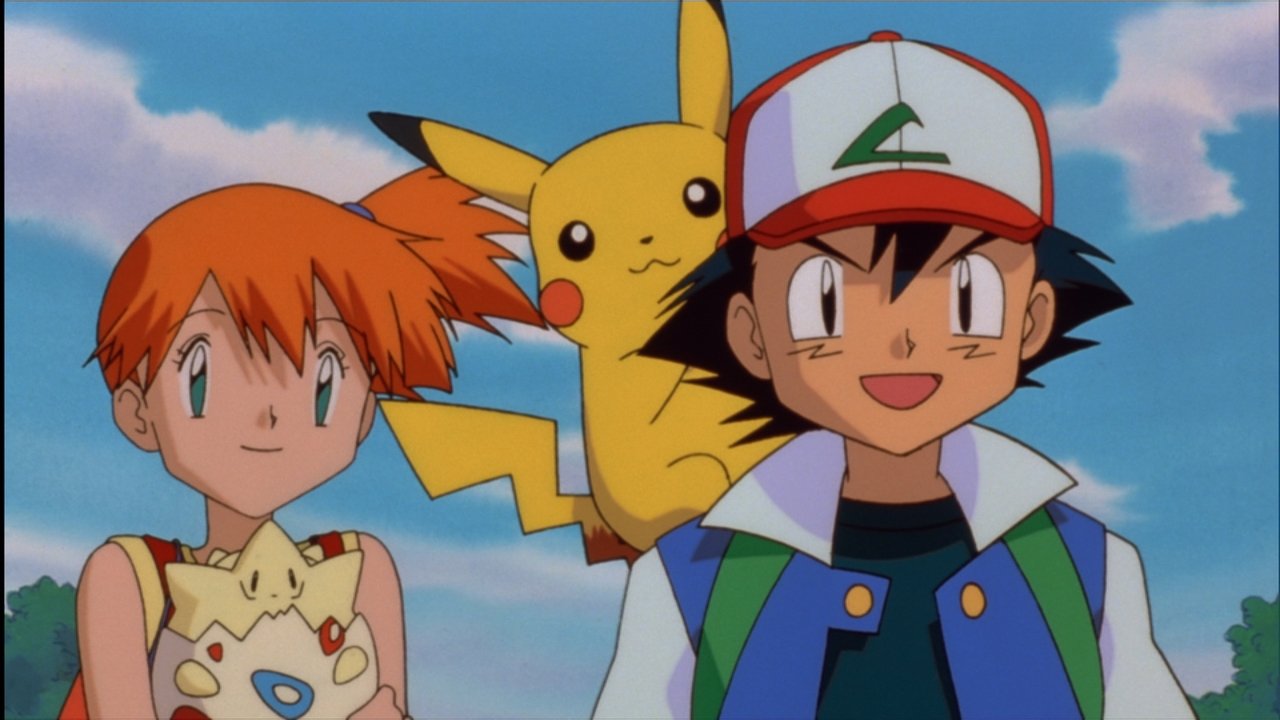
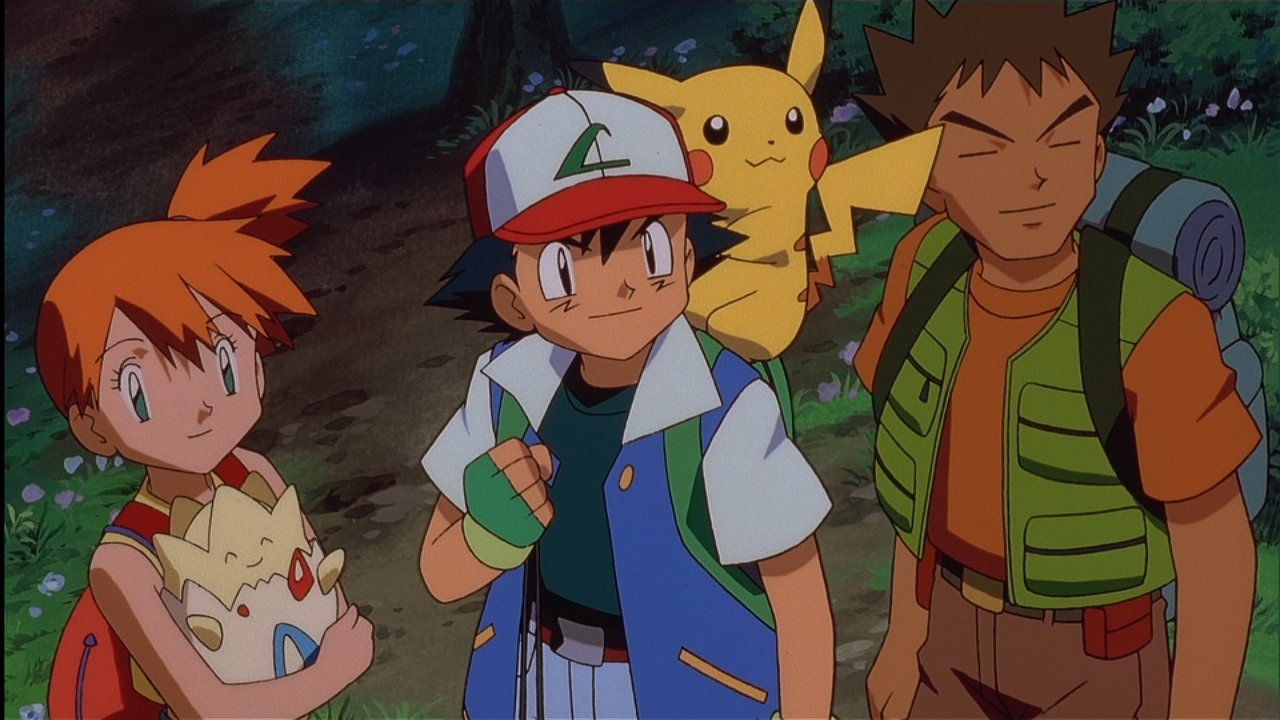
Of course, it wouldn't be a Pokémon movie without battles. Ash (Veronica Taylor, delivering that signature earnestness) and his friends face off against Molly’s imagined Pokémon trainers and eventually Entei himself. These sequences are classic Pokémon fare, full of energy and showcasing familiar critters. But the real tension lies less in the physical fights and more in the emotional conflict: convincing Molly to let go of her fantasy world and face reality, even with its pain. Rachael Lillis as Misty and Eric Stuart as Brock provide their usual blend of support, strategy, and comic relief, reminding us of the comforting dynamic of the core trio.
### Retro Fun Facts & Pokémania Peak
Pokémon 3 landed right in the sweet spot of global Pokémania. Directed primarily by Kunihiko Yuyama (a veteran of the Pokémon anime and films), with Michael Haigney overseeing the English adaptation, the movie proved another box office success for the franchise, pulling in over $170 million worldwide against a relatively modest budget (estimated around $16 million). Critics at the time often noted it as an improvement over the first two films, praising its stronger narrative and emotional core – a sentiment many fans still echo today.
Interestingly, the English dub made some subtle but significant changes. Molly’s desire for a "mama" was amplified, arguably making Delia’s kidnapping feel slightly more central than in the original Japanese version (Emperor of the Crystal Tower: Entei), where Entei's role as a father figure was perhaps more dominant throughout.
And who could forget the charming short film that accompanied it in theaters (and on the VHS release)? Pikachu & Pichu was a delightful slice-of-life adventure featuring Pikachu and the then-newly introduced Pichu Brothers navigating a bustling city. It was pure, concentrated cuteness, a perfect appetizer before the main feature's heavier themes. I definitely remember rewinding the tape just to watch Pikachu get into shenanigans with those mischievous Pichu again.
### More Than Just Monsters
What makes Pokémon 3 stick in the memory isn't just the appearance of Entei or the weirdness of the Unown. It's the film's willingness to tackle themes of grief, loneliness, and the danger of retreating into fantasy. Molly's journey is surprisingly poignant for a kids' movie tied into a monster-collecting game. The resolution isn't about defeating a villain, but about helping a hurting child find the strength to reconnect with the real world, supported by the genuine friendship offered by Ash and his companions. It handles these themes with a sensitivity that elevates it beyond a simple cartoon adventure. The final moments, where the crystal recedes and reality returns, carry a real sense of emotional release.
Rating: 8/10
Pokémon 3: The Movie stands as a high point in the early Pokémon filmography. It dared to be different, weaving a touching story about loss and acceptance into the familiar framework of Pokémon battles and adventure. The visuals of the crystal palace were memorable, Entei cut an imposing figure, and the emotional core resonated more deeply than its predecessors. While the animation is standard for its time and the plot follows some familiar beats, its thematic depth and unique premise earn it a solid score. It captured that late-90s/early-2000s Pokémon magic perfectly, offering genuine heart alongside the pocket monsters.
For many of us, popping this tape into the VCR wasn't just about seeing Pokémon on the big screen – it was about experiencing a story that, surprisingly, had something thoughtful to say. A true gem from the height of Pokémania.