Alright, fellow tape-heads, gather 'round the flickering glow of the CRT in your mind. Remember that feeling? Scouring the shelves at the local video store, the colourful spines promising untold adventures, maybe dodging a late fee notice taped to the counter. Sometimes, amidst the usual action heroes and slasher villains, you’d stumble onto something… different. Something animated, hyper-kinetic, and utterly bonkers. That’s exactly the vibe hitting rewind on Dragon Ball Z: Fusion Reborn (1995) brings back. What happens when a slacker teenage Oni accidentally unleashes millennia of concentrated evil by neglecting the Spirit Laundry machine in Other World? You get this technicolor explosion of pure, unadulterated 90s anime mayhem.

### When Hell Breaks Loose (Literally)
Forget subtle build-up. Fusion Reborn throws you headfirst into chaos. The aforementioned Oni kid, Saike, gets doused in evil essence and transforms into Janemba, a bizarre, almost childlike creature of immense power who promptly traps King Yemma and seals off the check-in station between the living world and Other World. The immediate result? The dimensional barriers shatter, and suddenly, the dead are walking the Earth again. And we’re not talking shambling Romero zombies; we're talking every nasty villain from DBZ history popping up for a chaotic reunion tour – Frieza swaggering through a cityscape, countless goons causing havoc, and even, infamously, a cartoon Hitler leading a tank battalion (a scene often snipped by censors back in the day, depending on which worn-out VHS copy you managed to snag!). It’s pure fan service pandemonium, handled mostly by Goten and Trunks back on Earth with their usual blend of playground insults and explosive energy blasts.
### Other World Overdrive
While the kids handle the B-plot, the real fireworks are happening in the now-warped Other World. Goku, competing in that eternal Other World Tournament, is suddenly facing a reality-bending threat unlike any he’s encountered. Janemba, in his initial, playful-yet-powerful form, turns the afterlife into a candy-coloured nightmare landscape. This is where director Shigeyasu Yamauchi, who also helmed stone-cold classics like Broly - The Legendary Super Saiyan (1993) and Bojack Unbound (1993), really lets his visual flair loose. The colours are lurid, the transformations are bizarre (those little mini-Janembas!), and the action feels incredibly dynamic. Yamauchi had a knack for sharp angles, dramatic close-ups, and conveying blistering speed through kinetic animation – a style that felt raw and impactful on our fuzzy tube TVs.
Goku’s initial fight against this giant, jellybean-like Janemba is classic DBZ goodness – powering up to Super Saiyan 3 (still a relatively fresh transformation back then!), unleashing Kamehamehas, the works. But it’s when Janemba transforms into his sleek, demonic final form that things really kick off. This second form is pure menace – silent, deadly, wielding a reality-slicing sword. The speed and brutality of this fight felt absolutely blistering in '95. Forget the smooth, sometimes almost too clean, digital animation of today; this was hand-drawn intensity. You felt the impact through jagged lines, smear frames, and that sheer ferocity only meticulous cell animation could convey back then. Remember how real those energy blasts shattering the background felt?
### The Main Event: Enter Gogeta

Of course, Goku alone isn’t enough. Enter Vegeta, arriving with his typical Saiyan pride and reluctance to team up. The movie cleverly uses Pikkon, a fan-favourite filler character, to buy them precious time while they attempt the Fusion Dance. And oh, the Fusion Dance. Seeing Goku and Vegeta fumble the finger-touch, resulting in the comically underpowered Veku, was a brilliant moment of levity before the storm. It was a shared groan and chuckle moment for everyone crowded around the TV back then.
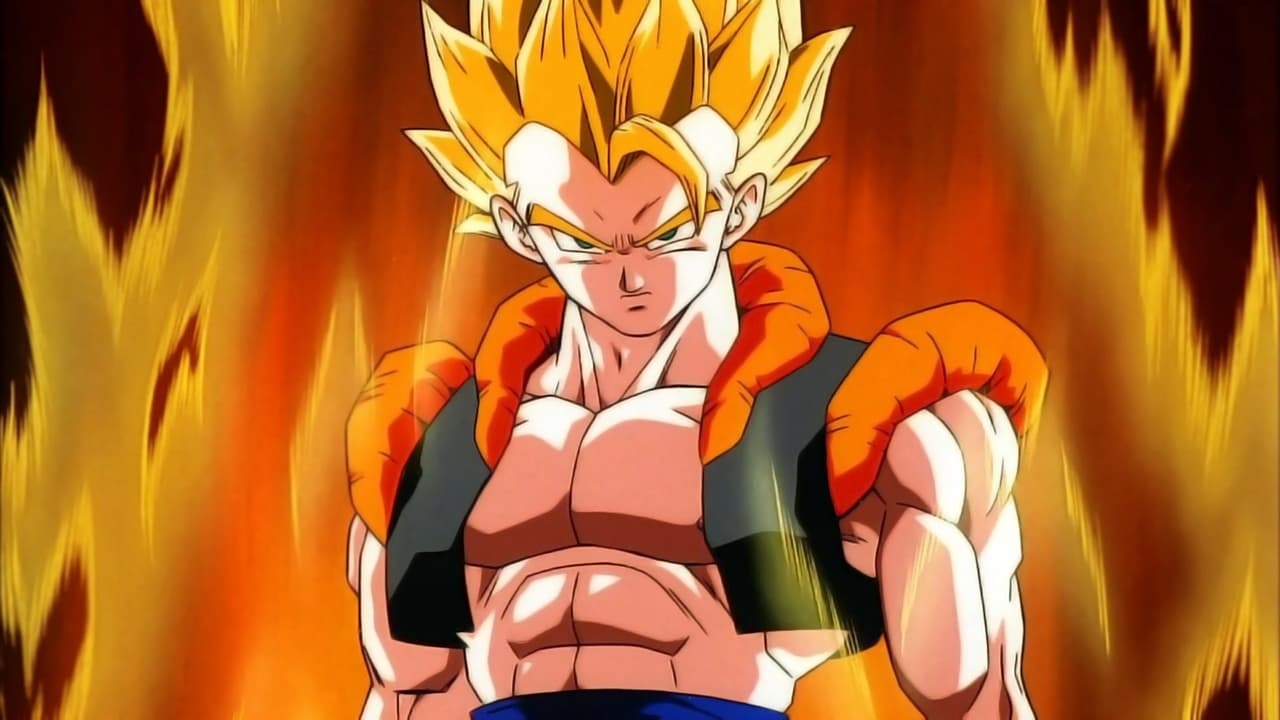
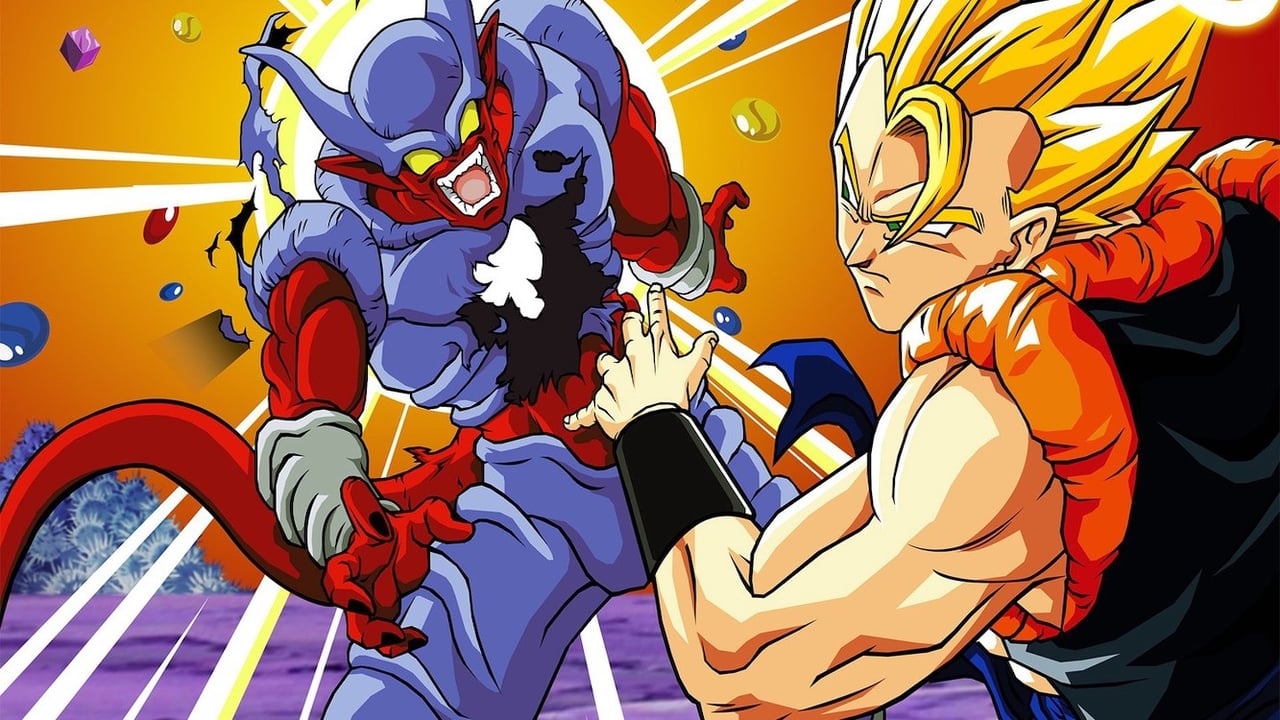
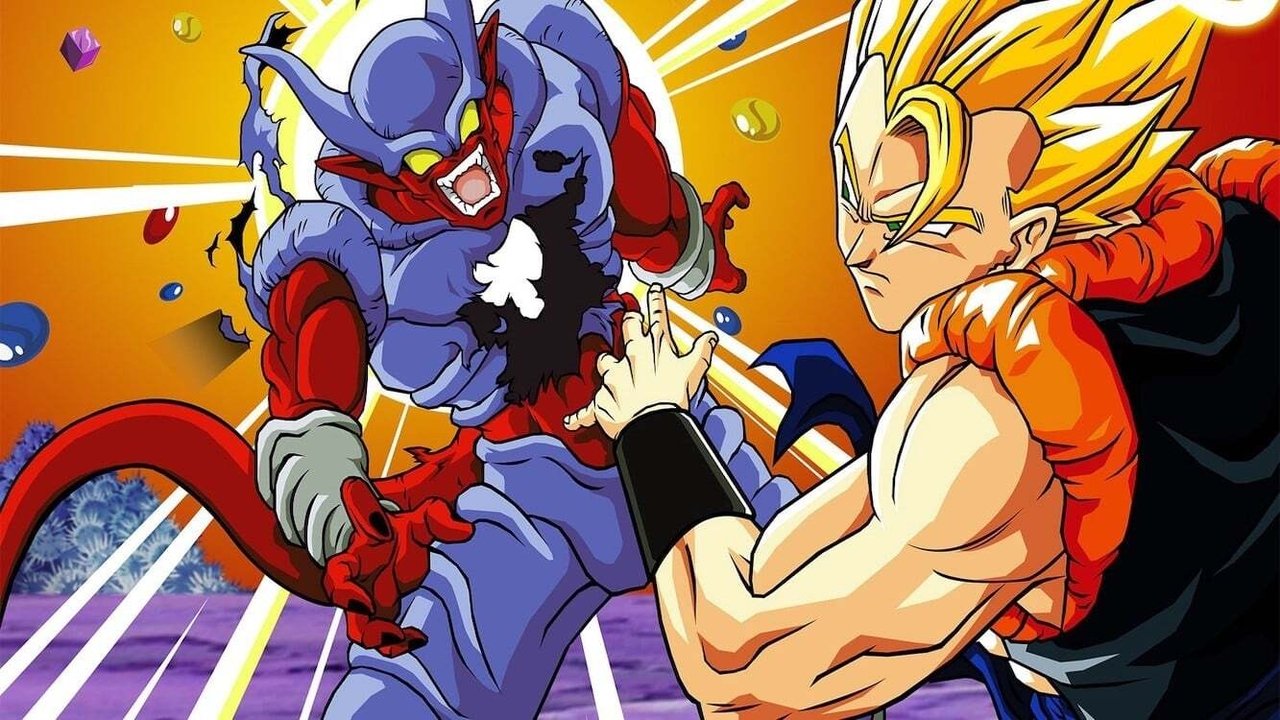
But when they finally nail it? Bam. The arrival of Gogeta is, without hyperbole, one of the most legendary moments in DBZ movie history. This character, whose design was reportedly conceived by Akira Toriyama himself specifically for this film, radiated an aura of absolute confidence and overwhelming power. Voiced with a blend of Masako Nozawa's Goku and Ryō Horikawa's Vegeta, Gogeta didn't just fight Janemba; he dismantled him. The speed, the effortless dodges, culminating in the Stardust Breaker (or Soul Punisher, depending on your dub) – a move that literally purified the evil essence – it was breathtaking. It felt like the ultimate power fantasy realised on screen, the kind of playground argument-settling power level we all dreamed about.
### Why It Still Slaps
Look, Fusion Reborn isn't Shakespeare. The plot is wafer-thin, essentially an excuse to showcase cool fights and a new fusion. The Earth-bound subplot with Gotenks vs. Zombie Dictator feels tacked on, albeit amusingly weird. But as a concentrated dose of everything that made peak 90s DBZ so electrifying? It’s practically perfect. Clocking in at a brisk 51 minutes, it’s all killer, no filler (well, mostly). The animation, driven by Yamauchi's stylish direction, is gorgeous and kinetic. The score is pure head-banging DBZ energy. And the introduction of Gogeta remains an all-time high point for the franchise's non-canonical adventures. It captured the imagination of fans worldwide, cementing its place as a beloved entry, even if it doesn't "count" in the official storyline. Finding this tape felt like uncovering a treasure, a burst of pure animated adrenaline.
Rating: 9/10
The justification? While the plot is simple and the side-story negligible, Fusion Reborn delivers spectacularly on its core promise: incredible, high-stakes DBZ action with stunning visuals and the unforgettable debut of one of the franchise's most iconic characters. It's a masterclass in 90s anime movie pacing and spectacle, overcoming its narrative simplicity with sheer energy and style.
Final Thought: This is pure Saiyan wish-fulfilment cranked up to eleven, a vibrant, dimension-hopping brawl that proves sometimes, the coolest things happen outside the official timeline. Essential viewing for anyone wanting a taste of DBZ movie magic at its most gloriously unrestrained. Go dig out that tape (or, you know, the modern equivalent) – Gogeta awaits.