Sailor Moon R: The Movie - The Promise of the Rose
Ah, the familiar strains of that opening theme, maybe slightly warped from a well-loved VHS tape rewound one too many times. But this wasn't just another episode; this was the movie. Remember the buzz? For fans entranced by the weekly adventures of Usagi and her friends, the arrival of Sailor Moon R: The Movie - The Promise of the Rose in 1993 felt like a major event. Directed by Kunihiko Ikuhara, who would later bring his distinctive visual flair to Revolutionary Girl Utena, this theatrical outing promised – and delivered – a grander, more emotionally charged story than we typically saw on our flickering CRT screens after school. It was pure, concentrated Sailor Moon magic, amplified for the big screen (or, more likely for many of us back then, the VCR).
### More Than Just Monster-of-the-Week
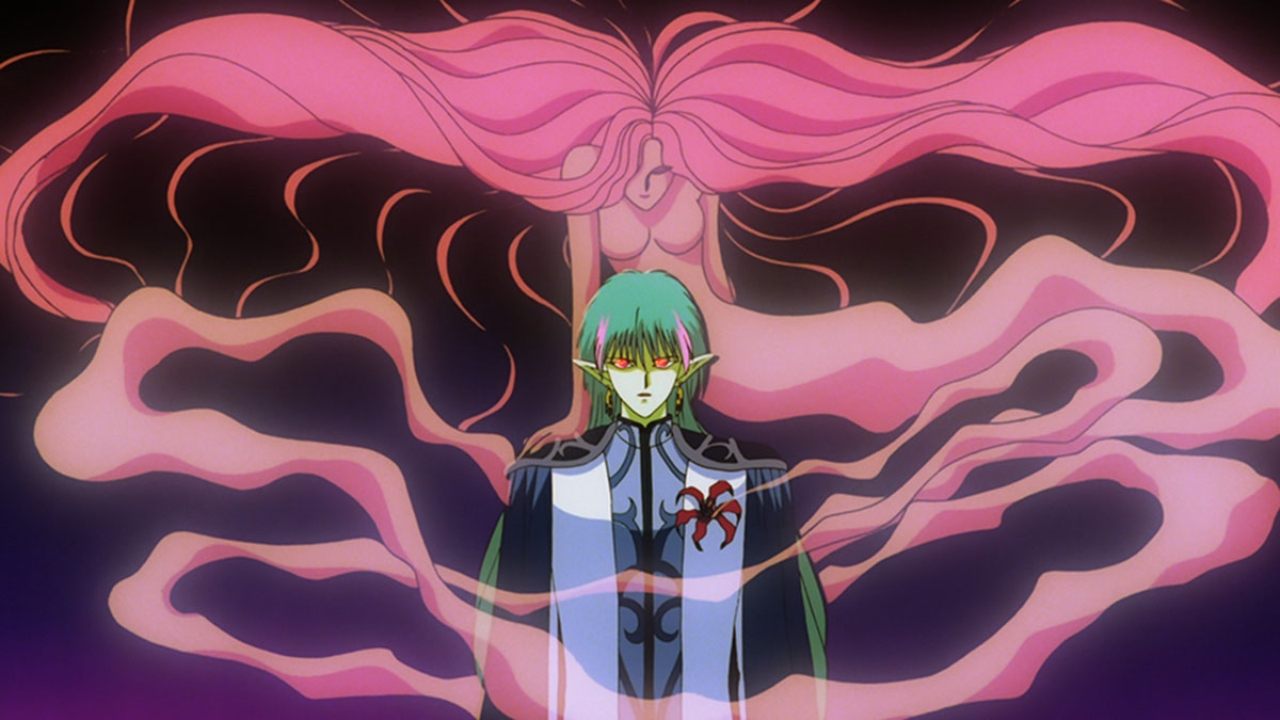
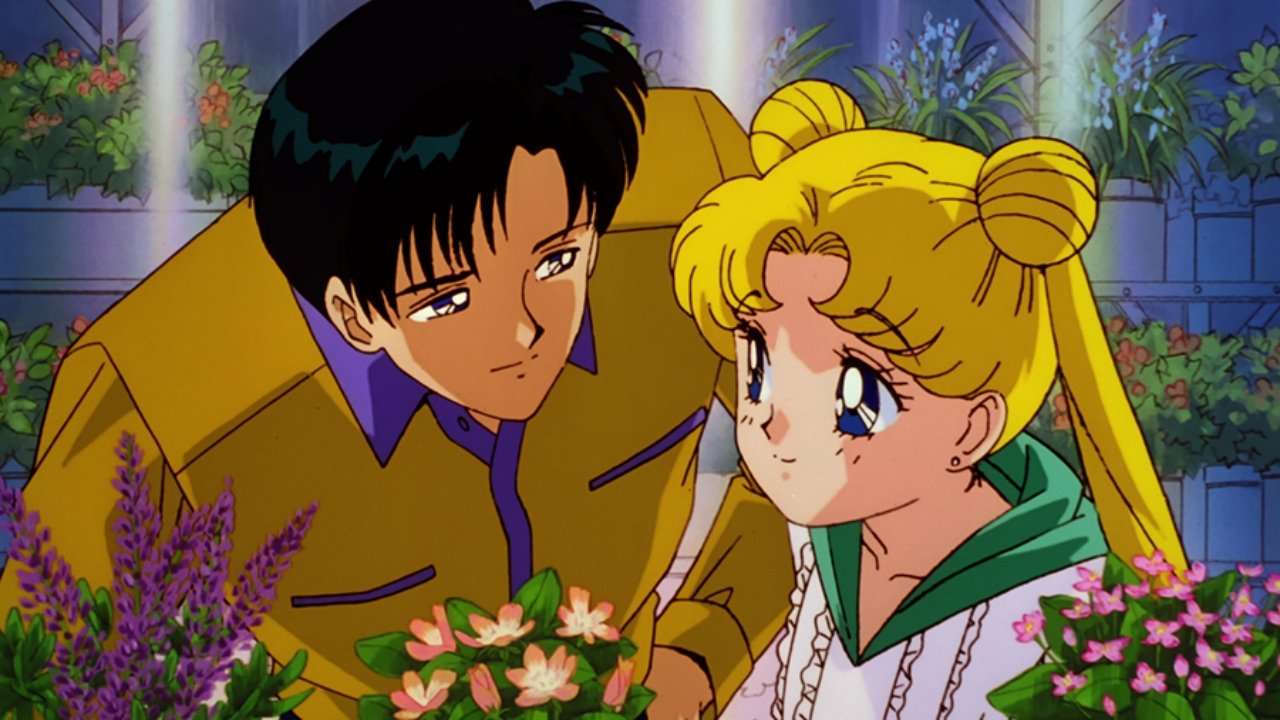
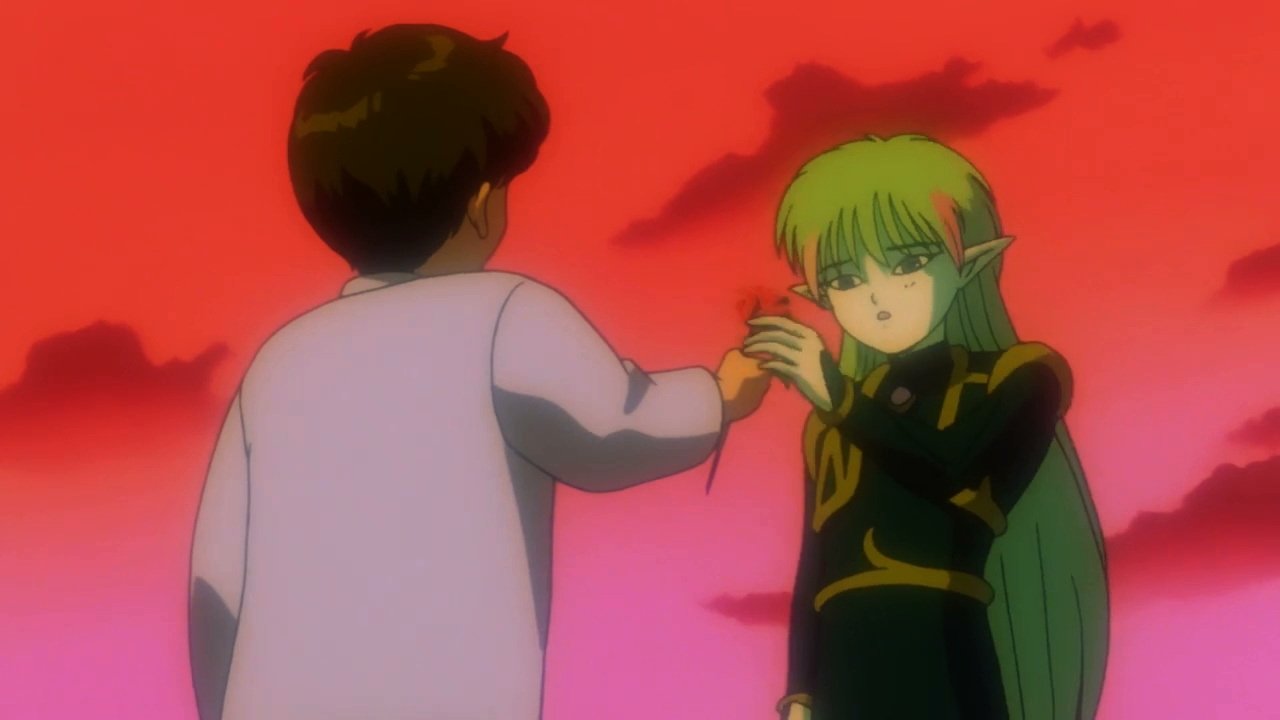
Stepping away from the episodic structure, The Promise of the Rose delves deep into Mamoru Chiba's (our beloved Tuxedo Mask, voiced with his usual suave charm by Tōru Furuya) past. The story introduces Fiore, an alien Mamoru befriended as a lonely child after his parents' tragic accident. Mamoru gave Fiore a single red rose before the alien departed, promising to return someday with a flower worthy of Mamoru's kindness. Well, Fiore returns, alright, but he’s not quite the friendly visitor Mamoru remembers. Manipulated by the sinister Xenian Flower, Fiore intends to cover Earth in parasitic blossoms, driven by a possessive, misunderstood devotion to his childhood friend. It’s up to Sailor Moon (Kotono Mitsuishi, capturing Usagi’s journey from tearful insecurity to heroic resolve perfectly) and the Sailor Senshi (including the ever-reliable Ami/Sailor Mercury, voiced by Aya Hisakawa) to save Mamoru and the planet.
This wasn't just another villain bent on world domination; Fiore’s motivations were rooted in loneliness and a twisted sense of love, adding a layer of tragedy that resonated more deeply than many of the TV series' antagonists. Writer Sukehiro Tomita, working from Naoko Takeuchi's beloved universe, crafted a narrative that felt personal, focusing tightly on the bonds between Usagi, Mamoru, and the conflicted Fiore. It explored themes of jealousy, memory, and the enduring power of friendship with a surprising intensity for what was ostensibly a children's movie.
### That Big Screen Sparkle (Even on VHS)
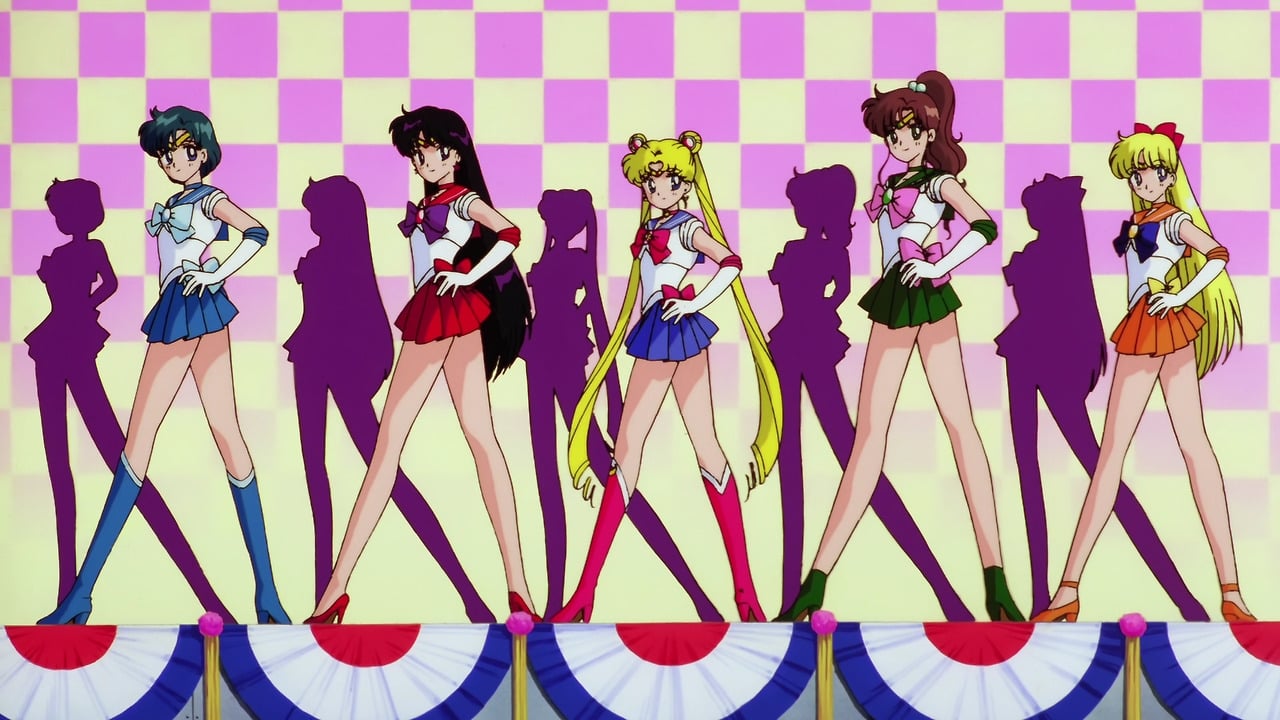
One of the immediate joys of watching the movie was the noticeable bump in animation quality. While the TV series certainly had its charm, the theatrical budget allowed for smoother motion, more detailed backgrounds, and some truly spectacular transformation and attack sequences. Remember Sailor Moon’s climactic use of the Silver Crystal? It felt genuinely epic, a dazzling display that justified the cinematic treatment. Ikuhara’s directorial hand is subtly felt, particularly in the framing of emotional moments and the use of floral symbolism, foreshadowing the more complex visual storytelling he’d become known for.
Let’s talk music for a moment. The score swells at all the right dramatic points, but the real earworm, the track that likely played on repeat in many a fan’s mind, is "Moon Revenge." This power ballad perfectly encapsulates the film’s blend of romance, action, and bittersweet emotion. Hearing it swell during the final confrontation? Pure goosebumps, even through slightly fuzzy TV speakers. It became an instant classic within the fandom, a testament to the movie’s emotional punch.
### Retro Fun Facts & Fiore's Feelings
Getting a feature-length anime film, especially one tied to a popular TV series, felt like a rare treat in the early 90s West. While Sailor Moon was building its fanbase, anime movies weren't the mainstream theatrical events they sometimes are today. Often, accessing them meant navigating specialty video stores or relying on the burgeoning fan networks trading tapes. The Promise of the Rose likely found its way into many homes via meticulously labeled VHS recordings, sometimes capturing those fleeting Pioneer Laserdisc or early DVD releases years later.
Interestingly, the movie sits somewhat canonically within the Sailor Moon R season, generally placed sometime after the defeat of the Black Moon Clan but before the season finale. It doesn't disrupt the main flow but cleverly uses the established character dynamics of that period. Fiore himself was an anime-original character, but he tapped so effectively into the core themes of Takeuchi's work that he felt like a natural extension of the Sailor Moon universe. There's a genuine pathos to his story; he’s not evil, just deeply misguided by loneliness and external manipulation, making the final resolution all the more poignant.
The film did well in Japan upon its release, cementing Sailor Moon's status as a cultural phenomenon. While specific global box office figures from that era are tricky to pin down precisely, its enduring popularity through VHS and subsequent releases speaks volumes about its connection with fans worldwide. It proved that the Sailor Senshi could carry a feature film with grace, drama, and plenty of sparkle.
### Still a Blooming Classic?
Watching Sailor Moon R: The Movie today is like opening a time capsule filled with 90s anime goodness. Yes, the melodrama is dialed up to eleven, and some plot points rely heavily on the power of love conquering all (which, let's be honest, is peak Sailor Moon). But the emotional core remains remarkably strong. The themes of loyalty, sacrifice, and understanding resonate just as powerfully. The animation, while obviously dated compared to modern standards, possesses a handcrafted charm and expressiveness that’s often missing today. The character designs are iconic, the voice acting passionate, and the story hits those familiar, comforting beats while still feeling consequential.
It captures that specific brand of earnest, heart-on-its-sleeve storytelling that made Sailor Moon so beloved. It’s dramatic, colorful, action-packed, and deeply romantic – sometimes all within the same scene! For fans who grew up with Usagi and her friends, it’s a potent dose of nostalgia. For newcomers, it’s a fantastic, self-contained example of what made the series click with millions.
Rating: 8/10
This score reflects the film's success as a cinematic extension of the beloved series. It delivers heightened emotion, stronger animation than its TV counterpart, a memorable original villain with compelling motivations, and an iconic theme song ("Moon Revenge"). While the melodrama might feel intense by today's standards, it's executed with such earnestness and heart that it works beautifully within the Sailor Moon universe. It perfectly captured the spirit of the show while providing a more focused, impactful narrative worthy of a theatrical release (or a treasured VHS viewing).
So, dust off that imaginary VCR remote. The Promise of the Rose remains a shining example of 90s anime magic – a heartfelt adventure that reminds us why we first fell in love with Sailor Moon and her guardians. Now, about finding Fiore a less problematic flower...