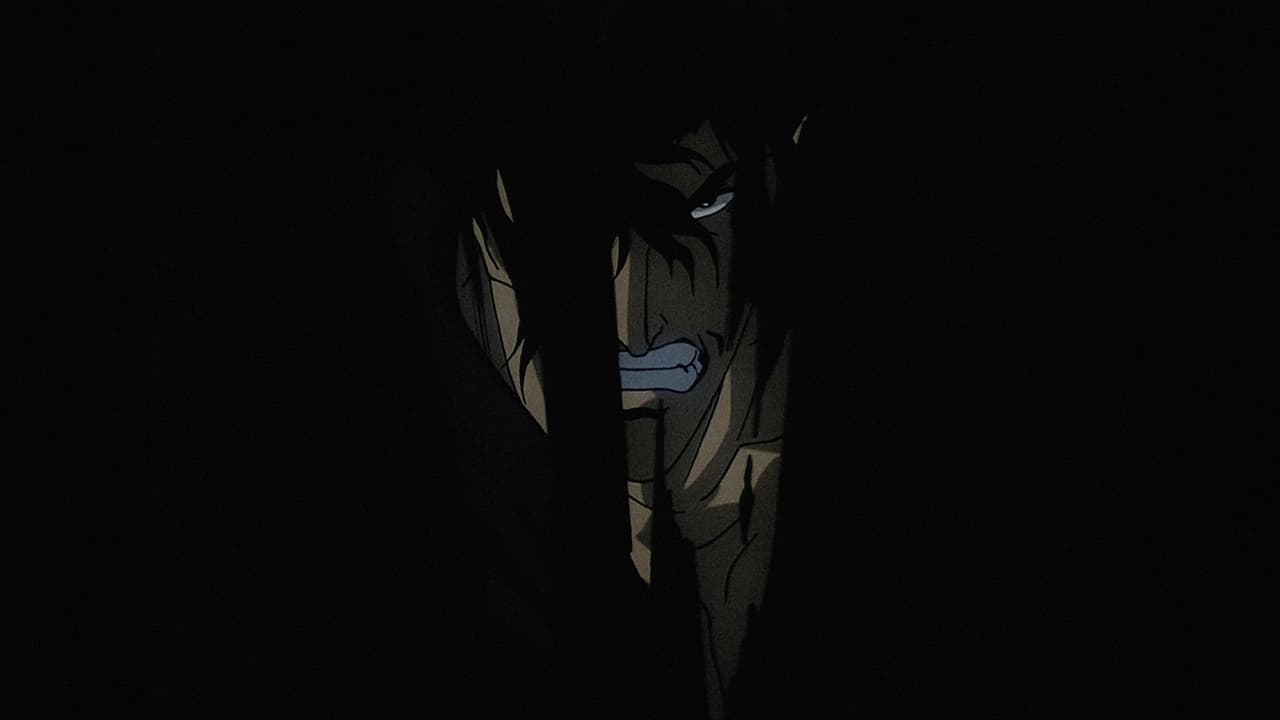
The air hangs thick and heavy long after the credits roll on Ninja Scroll. It's the kind of film that doesn't just flicker on a screen; it seeps under your skin, leaving a residue of dread and brutal beauty. For many of us discovering anime beyond the sanitized Saturday morning fare in the 90s, stumbling upon this hyper-violent masterpiece on a grainy VHS tape felt like finding forbidden knowledge. It was visceral, uncompromising, and utterly unforgettable. It didn't whisper its darkness; it screamed it through geysers of blood and the monstrous forms of its villains.
Feudal Nightmares, Animated Bloodshed
Set against a backdrop of warring clans and political intrigue in feudal Japan, Ninja Scroll (released as Jūbē Ninpūchō in Japan) follows Jubei Kibagami, a wandering ronin of legendary skill who just wants to be left alone. Voiced with weary gravitas by Kōichi Yamadera (Spike Spiegel in Cowboy Bebop), Jubei finds himself reluctantly entangled in a deadly conflict involving the Tokugawa shogunate and the terrifying Eight Devils of Kimon, a band of supernatural assassins with grotesque powers serving the nefarious Shogun of the Dark. Pulled into the fray by the cunning government spy Dakuan (Takeshi Aono) and allied with the tragic kunoichi Kagero (Emi Shinohara), whose very touch is poison, Jubei must unleash his legendary swordsmanship to survive.
The plot itself is a lean, mean framework for showcasing the film's true strengths: atmosphere and action. Director Yoshiaki Kawajiri, who had already scarred sensibilities with 1987's Wicked City, doesn't just tell a story; he crafts a dark fantasy world drenched in perpetual twilight and menace. Forget noble samurai duels; this is down-and-dirty combat where limbs fly, blood sprays with operatic intensity, and survival is measured in seconds.
The Unforgettable Devils of Kimon
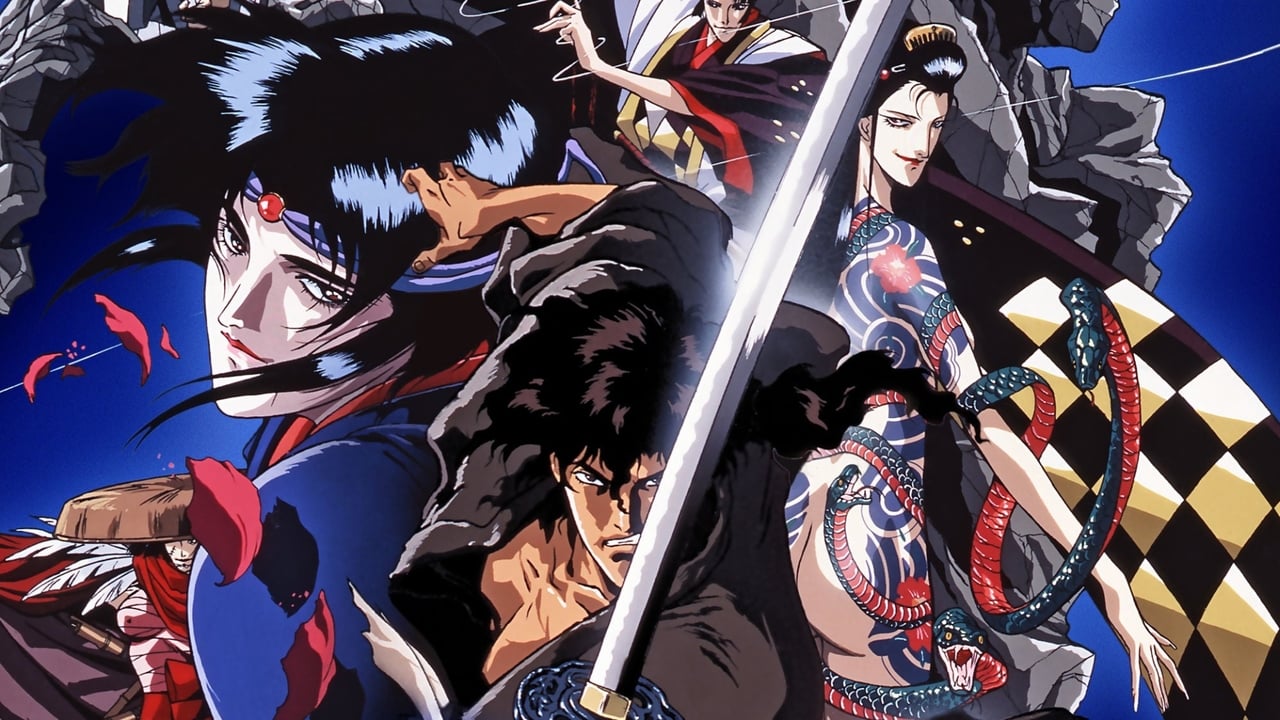
What truly elevates Ninja Scroll into cult territory are the Eight Devils of Kimon. Each is a masterclass in monstrous design, representing a unique and often disturbing perversion of ninja skills. There's Tessai, the stone-skinned giant whose boomerang-like sword cleaves bodies in half; Benisato, the seductive snake charmer whose tattoos come alive; Shijima, able to merge with shadows and strike from nowhere; Mushizo, housing a deadly hornet swarm within his hunchbacked form… the list goes on, each encounter more bizarre and deadly than the last. These weren't just villains; they were walking nightmares sprung from some fevered imagination, rendered with a level of detail and fluid animation that felt groundbreaking. Remember the sheer weight and impact of Tessai's movements, or the chilling slither of Benisato's snakes? Even now, their designs hold a potent, unsettling power. Kawajiri reportedly wanted villains who felt genuinely threatening, pushing the boundaries of fantasy horror, and he unquestionably succeeded.
A Gateway to Grit
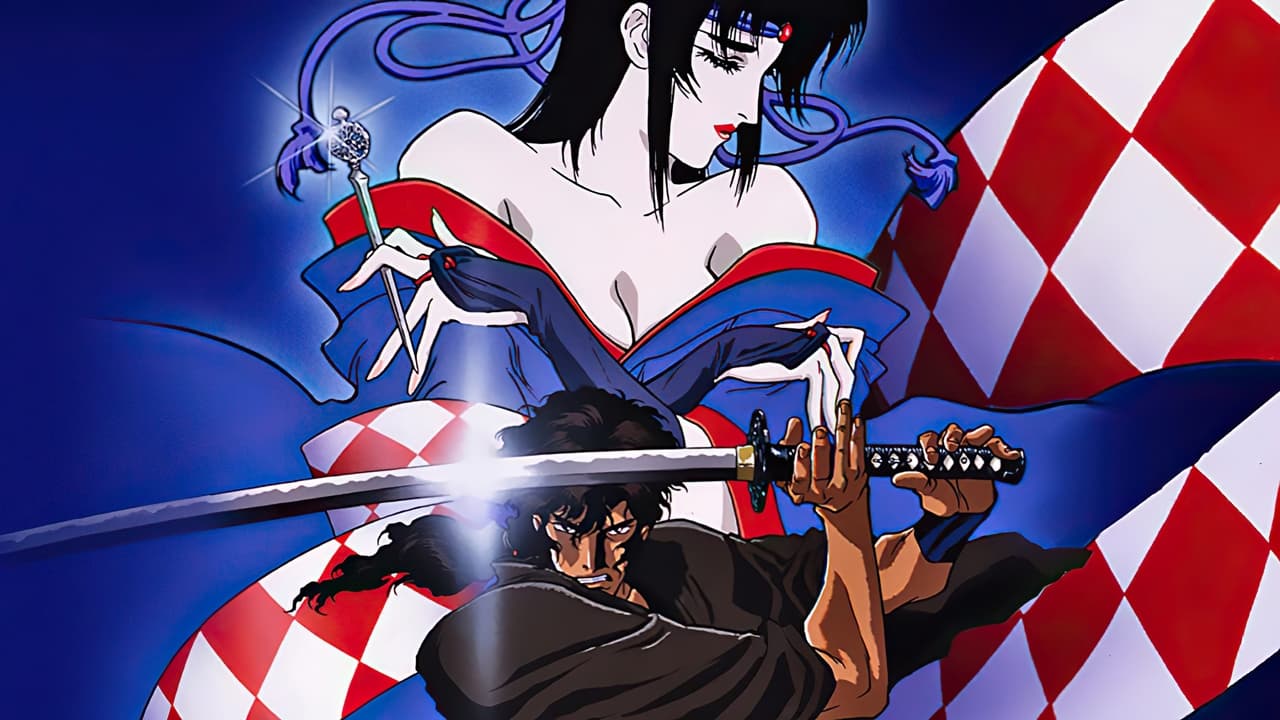
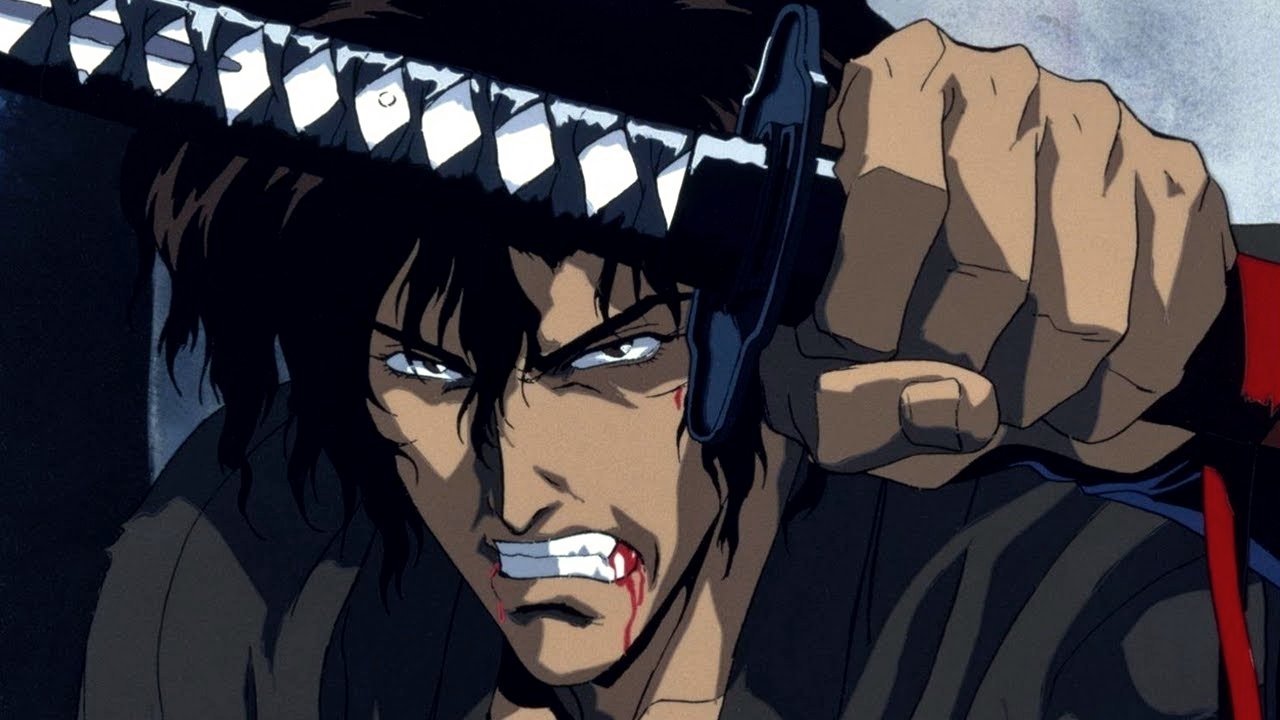
Let's be blunt: Ninja Scroll is not for the faint of heart. The violence is explicit and relentless, often shocking even by today's standards. There are also scenes of sexual violence that remain deeply controversial and uncomfortable. This extremity undoubtedly fuelled its cult status in the West, arriving via Manga Entertainment's iconic VHS releases, often found in the 'adult' animation section of video stores, far removed from Disney fare. It became a key film in demonstrating that animation could be a medium for mature, complex, and yes, incredibly graphic storytelling. It's rumored that Kawajiri was initially approached to make a sequel to his earlier work Ninja Scroll (no relation, confusingly!), but instead channelled that energy into this original, far darker vision. Its influence is undeniable; the Wachowskis famously cited Ninja Scroll (alongside Akira and Ghost in the Shell) as a major inspiration for the action choreography and visual style of The Matrix (1999).
Beyond the shock value, though, lies real artistry. The animation, produced by Madhouse, is often stunningly fluid, particularly during the lightning-fast fight sequences. The moody score perfectly complements the visuals, building tension and accentuating the horror. The character designs, while stylized, convey a surprising amount of emotion – Jubei's world-weariness, Kagero's tragic resolve, Dakuan's sly menace. It's a film crafted with purpose, even if that purpose is primarily to deliver relentless, stylishly executed dark fantasy action. I still recall renting this from a local video store, the stark cover art promising something intense, and being absolutely blown away by the sheer audacity of it all on my flickering CRT.
Enduring Power, Unflinching Vision
Ninja Scroll isn't perfect. The plot is relatively simple, serving mostly as connective tissue between the spectacular set pieces. Some viewers might find the unrelenting bleakness and graphic content off-putting, and understandably so. But as a piece of influential, atmospheric, and boundary-pushing 90s animation, its significance is hard to overstate. It delivered a specific kind of intense, dark thrill that many viewers hadn't experienced before, especially from animation. It felt dangerous, illicit, and utterly unique – a true VHS treasure discovered in the flickering shadows of the rental store shelves.

Rating: 8/10
This score reflects Ninja Scroll's stunning visual artistry, unforgettable villain designs, and landmark status in popularizing mature anime in the West. Its relentless, stylish action and dark atmosphere are incredibly effective. Points are docked slightly for a plot that's secondary to the spectacle and for content that remains genuinely shocking and potentially alienating for some viewers.
Final Thought: Decades later, Ninja Scroll remains a visceral gut-punch of dark fantasy anime, a blood-soaked benchmark against which hyper-violent animated action is still measured. It's a film that doesn't just entertain; it leaves a mark.