It’s a strange and poignant thing, isn't it, watching legends confront the twilight? Not the literal sunset, but the dimming of the stage lights, the thinning of the crowds. That peculiar ache of knowing your best moments might be framed in the past is precisely the delicate, bittersweet territory explored in Patrice Leconte's 1996 film, Les Grands Ducs (The Grand Dukes). This isn't the typical brash comedy that might have dominated the video store shelves back then. Instead, finding this tape felt like uncovering a quieter, more reflective gem, a film carried entirely by the immense charm and subtle vulnerability of three titans of French cinema: Jean-Pierre Marielle, Philippe Noiret, and Jean Rochefort.
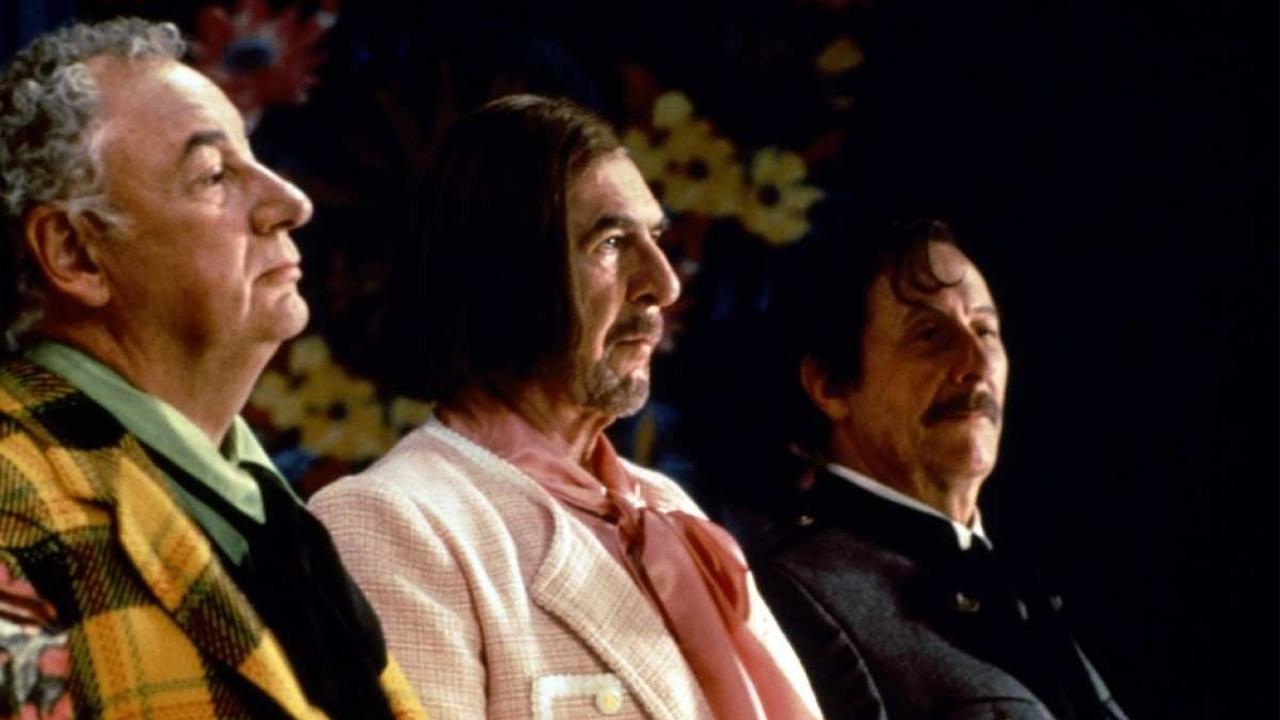
Three Musketeers Against the Dying Light
The premise is simple, almost theatrical in its setup. Georges Cox (Marielle), Victor Vialat (Noiret), and Eddie Carpentier (Rochefort) are three aging actors, comrades in arms whose careers have seen far brighter days. They find themselves unexpectedly reunited – and perhaps equally unexpectedly employed – in a low-budget, disastrously conceived touring play, a shambolic production called "Scoubidou." What follows isn't so much a laugh-out-loud farce (though moments of gentle humor exist) as it is a character study, a meditation on friendship, pride, and the enduring, sometimes painful, love for a profession that doesn't always love you back.
Leconte, who directed the trio just a few years earlier in the darker comedy Tango (1993) and would release the acclaimed Ridicule the very same year as The Grand Dukes, clearly tailored this piece for his leads. You can feel it in every scene. It’s less about plot mechanics and more about providing a playground for these magnificent actors to simply be. The script, co-written by Leconte and Serge Frydman, allows their distinct personalities – honed over decades of screen presence – to shine through. Marielle brings his signature bluster and barely concealed insecurity as Cox; Noiret embodies a weary dignity and quiet resilience as Vialat; and Rochefort, with that inimitable twinkle in his eye, lends Carpentier an air of melancholic elegance, a man clinging to shreds of glamour.
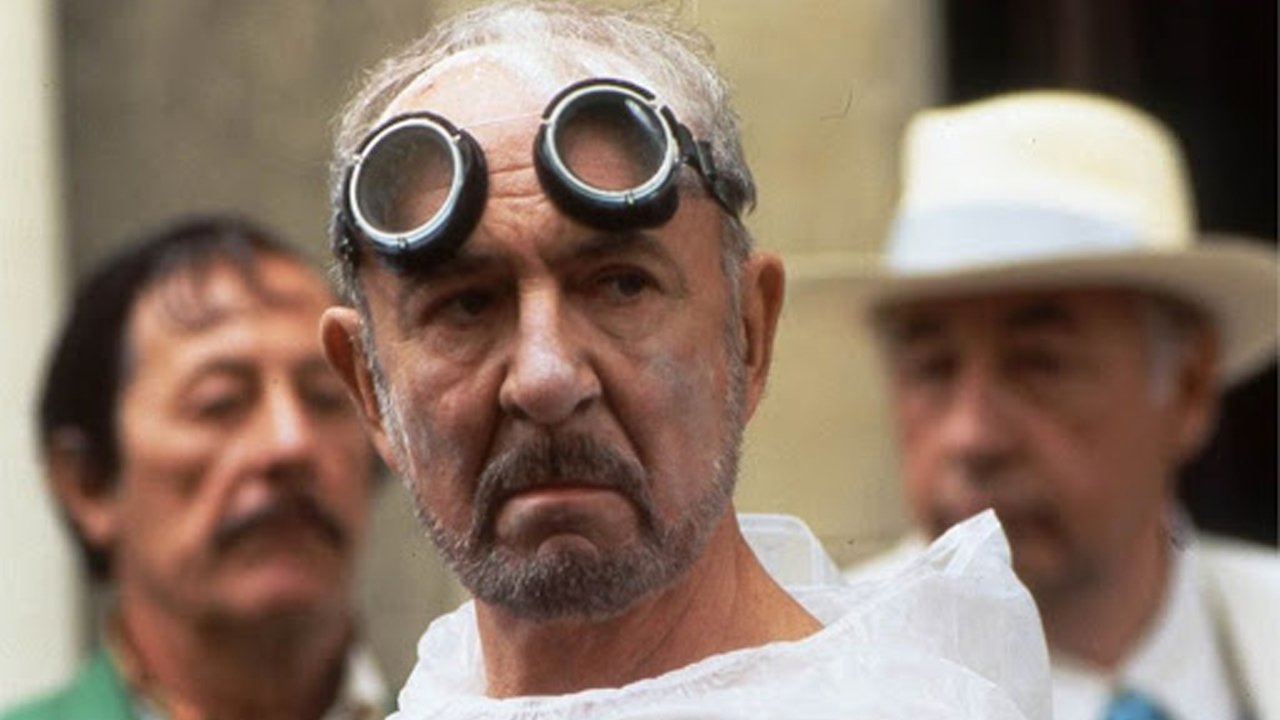
The Weight of Experience
What makes The Grand Dukes resonate, especially watching it now, years removed from its original release, is the authenticity of the performances. These aren't young actors playing old; they are seasoned veterans grappling with themes likely close to their own experiences. There’s a lived-in quality to their interactions, a shorthand between them that feels utterly genuine. When they bicker, support each other, or share a quiet moment of understanding amidst the chaos of the failing tour, it feels less like acting and more like witnessing fragments of a long, shared history. Remember seeing actors of this calibre, who carried the weight of decades of cinema history with them, command the screen? It was something special.
The film itself has a slightly ramshackle charm, mirroring the play-within-the-film. It doesn't strive for slickness. Leconte’s direction is observational, allowing the actors room to breathe and the inherent pathos of their situation to unfold naturally. The humor often stems from the absurdity of their predicament – trying to maintain professional dignity while dealing with incompetent producers, bizarre costumes, and the general indignity of a tour seemingly destined for failure. There’s a particularly memorable sequence involving an inflatable palm tree that perfectly encapsulates the blend of farce and frustration.
Beyond the Footlights
While perhaps not as widely seen internationally as some of Leconte’s other works, The Grand Dukes holds a special place for admirers of these actors. It's a film built on affection – Leconte's affection for his stars, and the palpable affection they share for one another. It wasn’t a box office smash, earning respectable but not stellar numbers in France, but its value lies beyond commercial success. It captures a moment, a mood, a specific kind of French cinematic sensibility that blends world-weariness with a persistent flicker of hope.
Does it feel dated? Perhaps in its pacing, which is certainly more leisurely than today’s comedies. But the core themes – aging, friendship, the search for relevance, the bittersweet nature of pursuing a passion – remain timeless. Watching it feels like settling in for a thoughtful conversation rather than a rollercoaster ride. It’s a reminder that comedy doesn’t always need to be loud; sometimes, the most resonant laughs are tinged with sadness, and the deepest connections are forged in shared vulnerability.
Rating: 7/10
This score reflects the undeniable power of the central performances and the film's gentle, bittersweet charm. Marielle, Noiret, and Rochefort are simply magnificent, elevating the material with their sheer presence and nuanced portrayals. While the plot is somewhat slight and the pacing might test impatient viewers, the film succeeds beautifully as a touching tribute to its legendary stars and a poignant reflection on the actor's life. It’s a warm, melancholic hug of a movie, the kind you might have stumbled upon in the foreign film aisle of your favorite video store and felt richer for having discovered.
What lingers most, long after the credits roll, is the image of these three actors, these "grand dukes" of cinema, facing the twilight not with despair, but with camaraderie, resilience, and an enduring, if slightly battered, love for the stage.