Here we go, another trip down the video store memory lane for VHS Heaven...
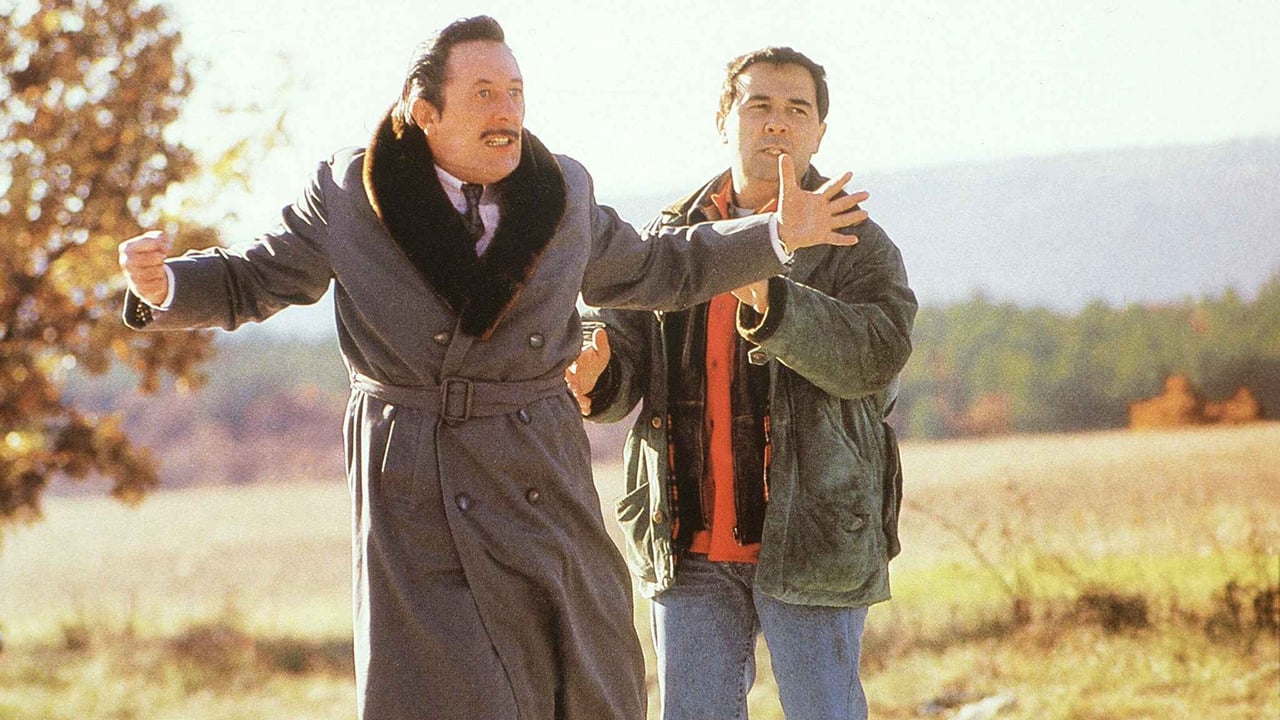
What stays with you most, sometimes, isn't the explosion or the punchline, but the quiet hum of unspoken things between two people? That's the space where Patrice Leconte's 1987 film Tandem lives and breathes. It arrived perhaps quietly on those rental shelves, maybe tucked away in the "Foreign Language" section often bypassed in the rush for the latest Stallone or Schwarzenegger epic. Yet, finding this tape felt like uncovering a small, polished gem – a poignant French road movie powered not by roaring engines, but by the gentle, heartbreaking rhythm of a friendship teetering on the edge of truth.
The Last Broadcast
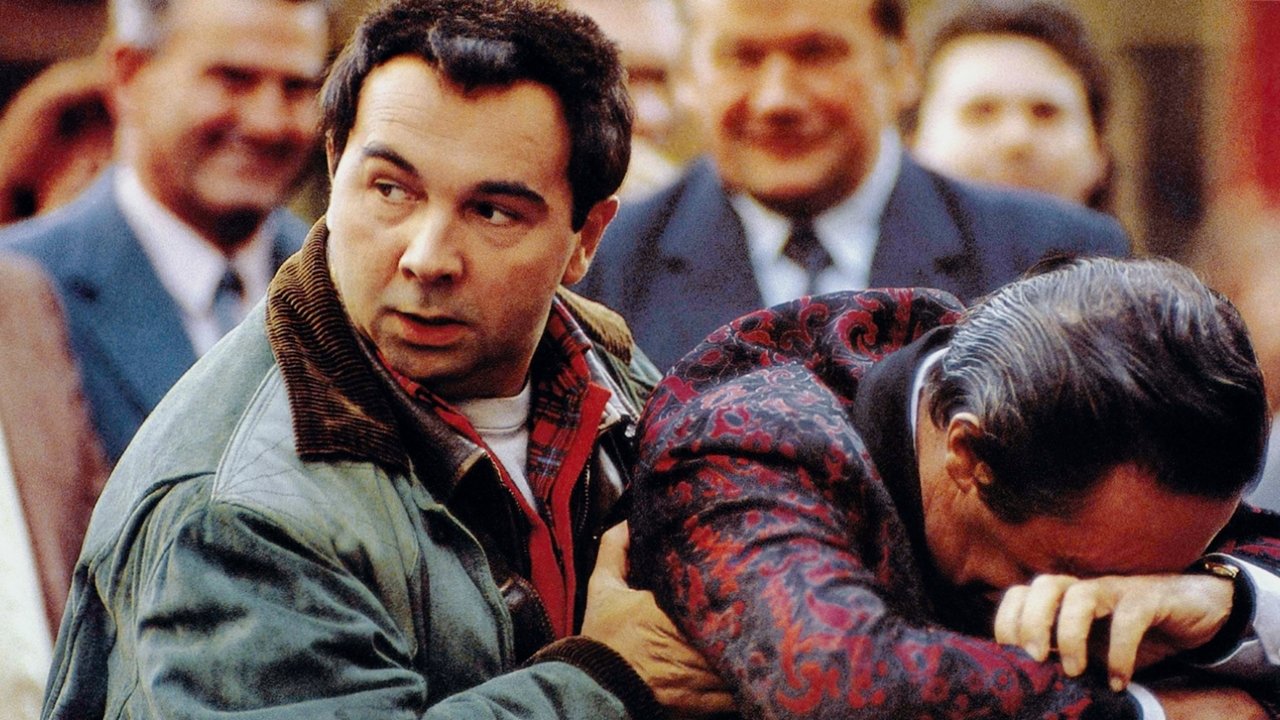
At its heart, Tandem follows Michel Mortez, played with magnificent, oblivious grace by the legendary Jean Rochefort. Mortez is the long-time host of the travelling radio quiz show "La Langue au chat" (literally "The Tongue to the Cat," think "Cat Got Your Tongue?"), a programme whose folksy charm feels distinctly tied to a fading era. He's a minor celebrity in the provincial towns they visit, clinging to the rituals and the dwindling adoration. Beside him, always, is his loyal sound engineer and general factotum, Rivetot, brought to life with touching vulnerability by Gérard Jugnot (perhaps best known to international audiences from Les Choristes (2004), but a huge star in France).
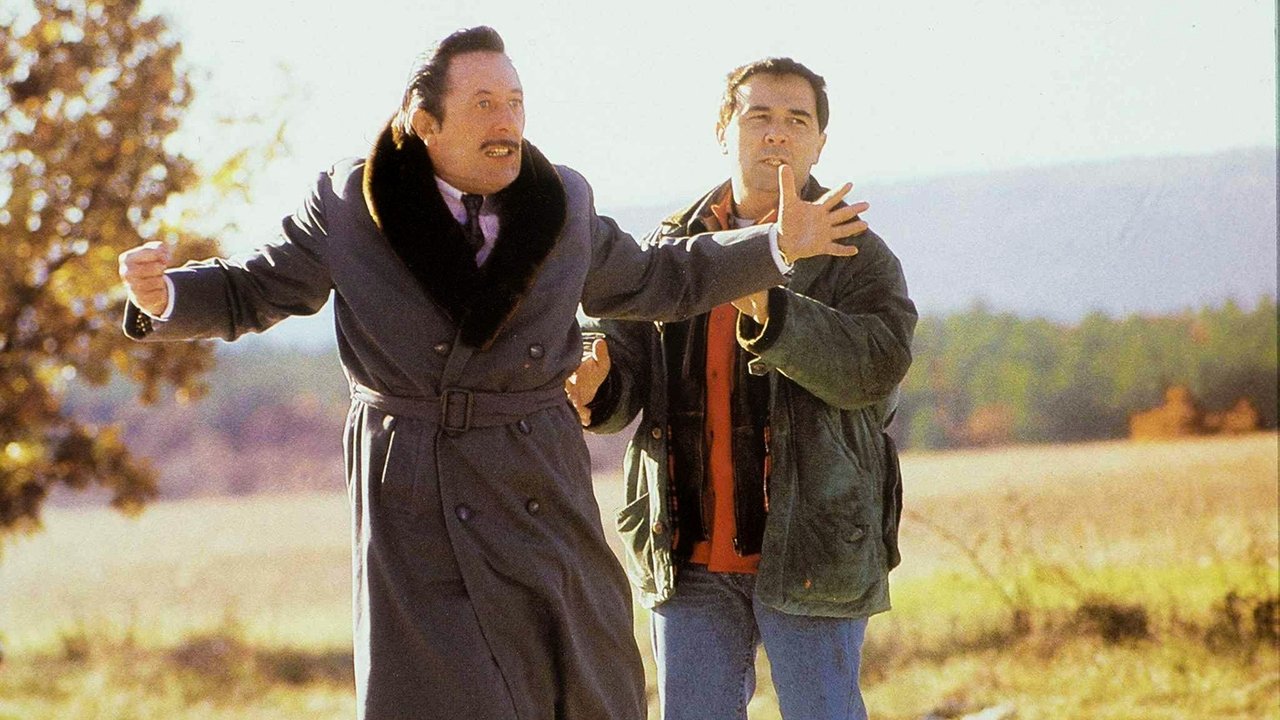
The premise carries a beautiful, aching weight: Rivetot learns their beloved, slightly threadbare show has been unceremoniously cancelled by the network. But looking at Mortez, puffed up with his small vanities yet deeply fragile underneath, Rivetot can’t bring himself to deliver the fatal blow. Instead, he embarks on an elaborate, increasingly desperate charade, faking broadcasts, engineering applause, and maintaining the illusion that Mortez is still on the air, still relevant. Their journey continues, but now shadowed by this enormous, unspoken secret.
Two Hearts, One Bicycle (Figuratively)
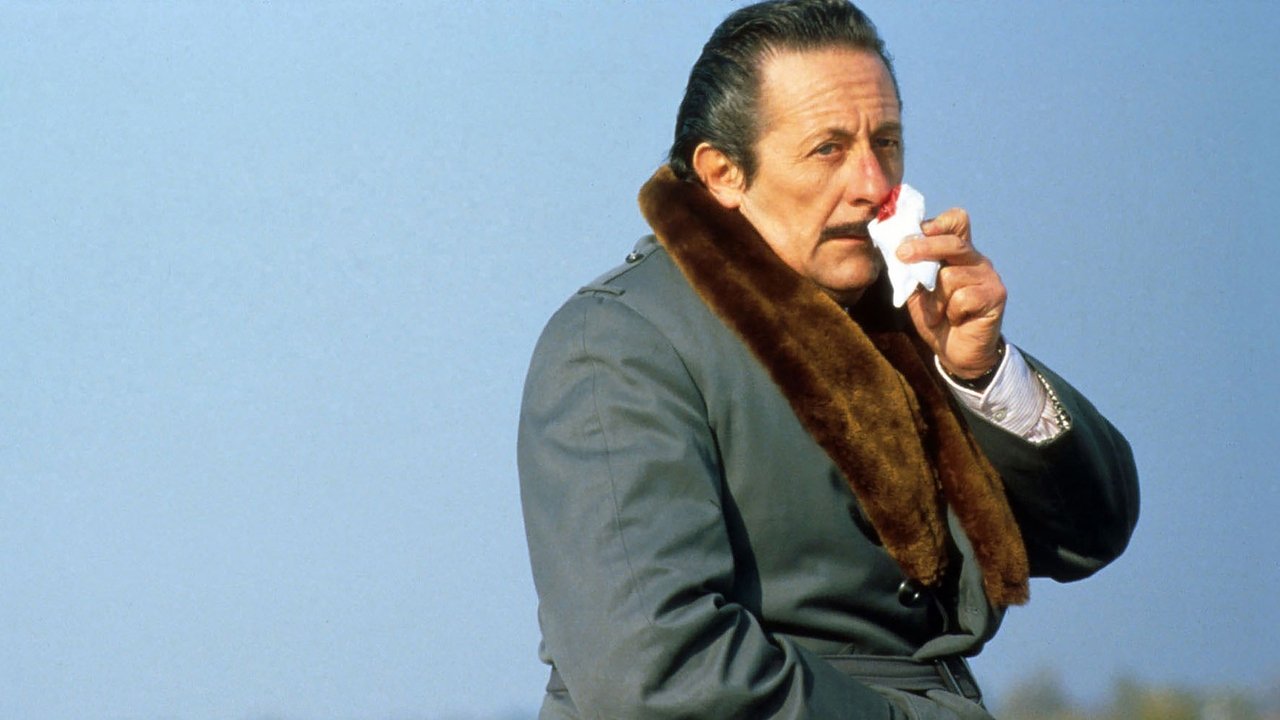
The film belongs entirely to its two leads. Jean Rochefort, who rightly won the César Award (the French equivalent of the Oscar) for Best Actor for this role, is simply sublime. He crafts Mortez not as a caricature of an egotist, but as a man profoundly defined by his work, whose cheerful façade barely conceals a deep well of loneliness and fear of irrelevance. His mannerisms, his slightly grand pronouncements, the way he carries himself – it all feels utterly authentic. You see both the absurdity of his self-importance and the painful vulnerability it protects. It's a performance built on nuance, a masterclass in conveying complex emotions with the slightest glance or inflection. I remember watching him, even back then on a fuzzy CRT, and feeling that ache of someone clinging desperately to the past.
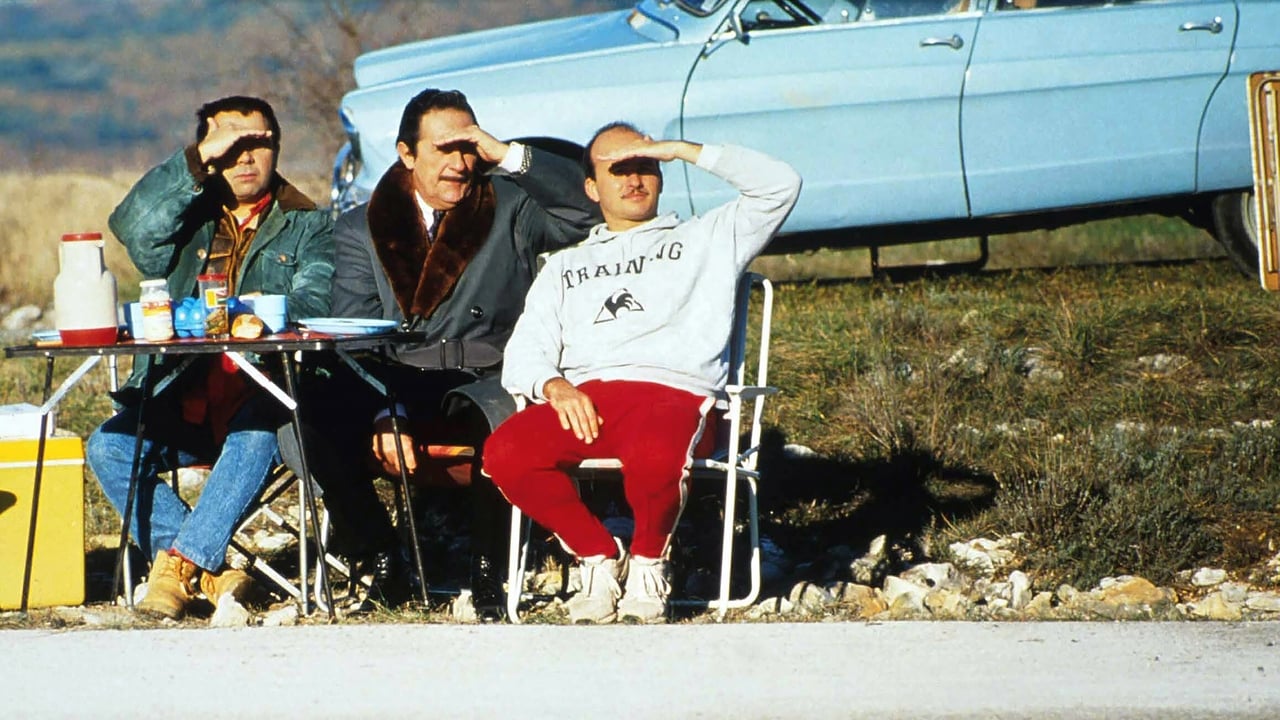
Equally crucial is Gérard Jugnot's Rivetot. He is the film's quiet conscience, the embodiment of selfless devotion bordering on the self-destructive. His face registers every flicker of panic as he improvises another technical 'fix' or dodges a probing question. Why does he do it? Is it purely kindness? Or is his own identity just as wrapped up in Mortez's as the host's is in the show? Leconte, directing from a script he co-wrote with Patrick Dewolf, doesn't offer easy answers. Jugnot conveys the immense burden of this deception, the love and exasperation warring within him. It's a performance of profound empathy that anchors the film's emotional core.
The Quiet Hum of Provincial France
Patrice Leconte, who would go on to direct acclaimed films like Monsieur Hire (1989) and The Hairdresser's Husband (1990), demonstrates his mastery of mood here. He captures the specific atmosphere of small-town France – the slightly faded hotels, the local community halls, the endless roads stretching between engagements – with a gentle, observational eye. There's a melancholy beauty to the cinematography, a sense of time passing, of seasons changing, mirroring the characters' own twilight journey. This isn't a film driven by dramatic plot twists, but by the accumulation of small moments, shared glances, and the suffocating weight of the unsaid. It feels less like a movie you watch, and more like one you inhabit for a while.
The title, Tandem, is perfect. It evokes not just the image of two people working together, but the inherent imbalance and co-dependence of their relationship. They are locked together on this journey, one pedalling furiously to maintain the illusion, the other blithely unaware of the cliff edge ahead. Doesn't that resonate with certain relationships we've all witnessed, or perhaps even experienced – where one person carries the emotional weight for two?
Finding the Gem on the Shelf
Tandem might not have been the tape you grabbed for a Friday night pizza party. It required a different mood, perhaps a quieter evening. It was the kind of discovery that reminded you of the breadth of stories cinema could tell, stories tucked away from the mainstream glare. There are no explosions here, no car chases (beyond their faithful Peugeot). The drama is internal, played out on the faces of two men navigating the end of something precious. Finding it on VHS felt like a small victory, a connection to a more contemplative kind of filmmaking that existed alongside the blockbusters. It’s a film that asks us to consider the value of comfortable lies versus harsh truths, and the profound, sometimes painful, lengths we go to for friendship.
***
Rating: 8.5/10
Justification: Tandem earns this high score through the sheer brilliance of its central performances, particularly Rochefort's career-defining, César-winning turn. Leconte's direction crafts a deeply resonant atmosphere of melancholy and warmth, perfectly capturing the bittersweet tone. While its deliberate pacing might not suit all tastes, its emotional depth, nuanced exploration of friendship and fading relevance, and masterful character work make it a standout piece of 80s French cinema. It’s a film that truly stays with you.
Final Thought: Long after the static fades, what lingers is the quiet power of unspoken devotion, and the sad beauty found in the final miles of a long road shared. A truly affecting piece of cinema well worth seeking out.