Here we go, settling into the worn armchair, the faint hum of the imaginary VCR a comforting presence. Sometimes, flicking through the mental catalogue of tapes we wore out back in the day, a film surfaces that wasn't just entertainment, but something… heavier. Something that resonated with a different kind of power. For me, one such discovery, perhaps found on a less-common shelf in the video store or passed hand-to-hand like a secret, was Mani Ratnam's 1991 Tamil powerhouse, Thalapathi (often translated as 'The Commander'). This wasn't your standard Friday night action fare; it felt like uncovering a raw, beating heart of storytelling, a modern myth playing out against the grime and glory of urban India.
### Born Under a Harsh Sun
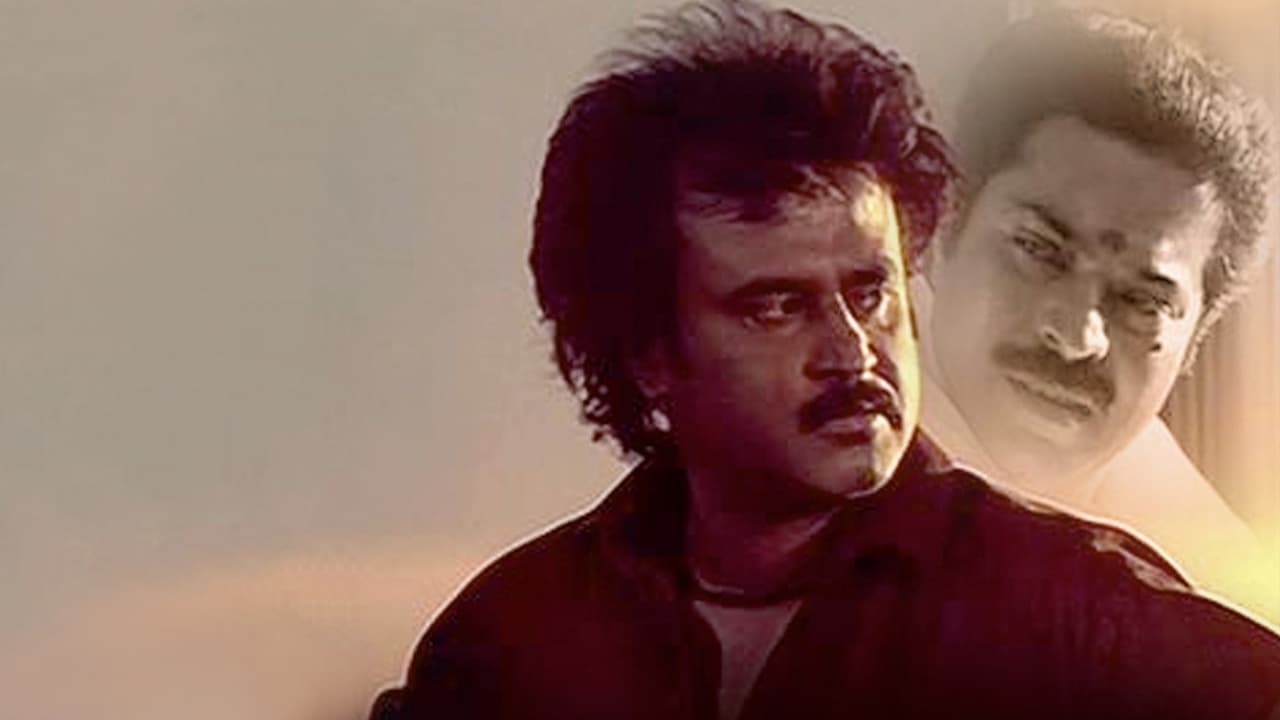
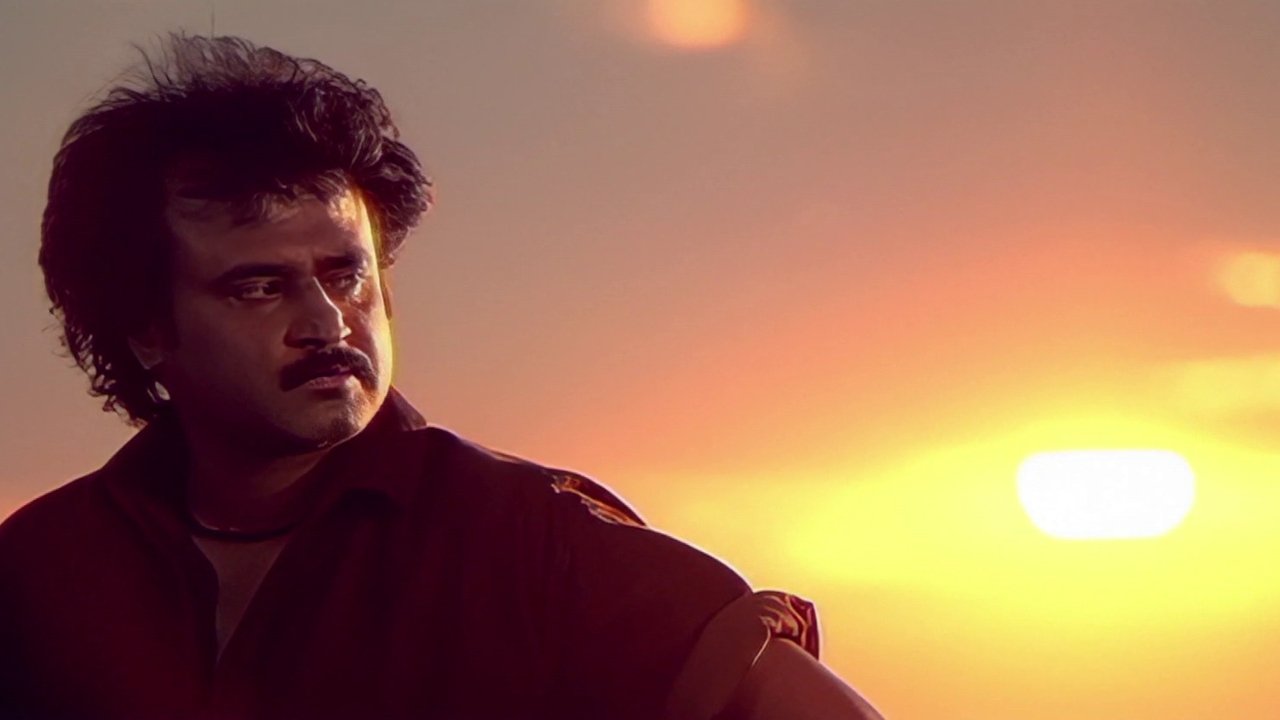
The film opens with a gut-wrenching act: a desperate unwed mother abandons her newborn son in a moving goods train, praying for his survival. This child, Surya, grows up bathed not in familial warmth, but under the harsh, unrelenting sun of the slums – a detail visually underscored throughout by cinematographer Santosh Sivan's masterful use of light and shadow. Rajinikanth, an actor synonymous with electrifying charisma and almost superhuman screen presence (think Baashha (1995) or Muthu (1995)), takes on the role of Surya. But this isn't the Rajinikanth of effortless swagger alone. Under Ratnam’s direction, he delivers a performance of simmering intensity, a coiled spring of loyalty and righteous fury forged in hardship. His Surya is a man of few words but profound depths, his eyes conveying volumes of pain, anger, and unwavering devotion. It’s a testament to both actor and director that such a megastar could be grounded in such palpable vulnerability.
### A Bond Forged in Fire

The core of Thalapathi beats around the unwavering friendship between Surya and Deva, a local underworld leader portrayed with immense gravitas by Malayalam cinema legend Mammootty. Their bond is the film's emotional anchor, a modern interpretation of the Karna-Duryodhana dynamic from the epic Mahabharata. Deva, though operating outside the law, possesses a strong, albeit skewed, sense of justice and loyalty, and he sees a kindred spirit in the fiercely protective Surya. Mammootty is simply magnificent here; his calm, commanding presence is the perfect counterpoint to Rajinikanth's contained fire. Their scenes together crackle with unspoken understanding. You believe implicitly in their connection, a loyalty that transcends questions of right and wrong, forcing us to ask: what defines true allegiance? Is unwavering loyalty to a friend, even a flawed one, a virtue or a dangerous path?
### When Worlds Collide
Into this complex dynamic steps Arjun, the new District Collector determined to impose order, played by a fresh-faced Arvind Swamy in his striking film debut. Ratnam reportedly spotted Swamy in a television commercial and cast him, a decision that launched a significant career. Arjun represents the system, the legitimate authority that clashes directly with Deva's parallel structure and Surya's fierce protection of it. The conflict isn't just physical; it's ideological. And, unknown to the central characters for much of the film, it's deeply personal, woven with the threads of Surya's hidden parentage. This adds layers of tragic irony, elevating the narrative beyond a simple crime drama into something approaching Greek tragedy, played out on the streets of India.
### The Artistry Behind the Grit
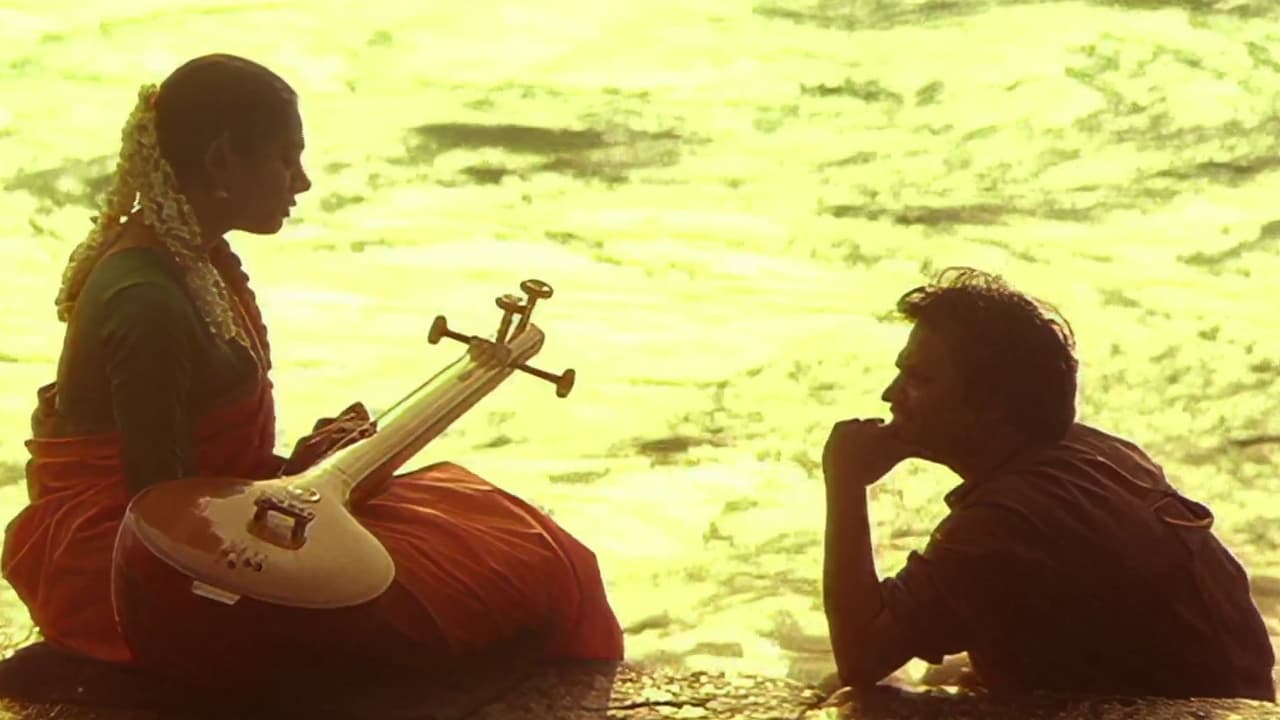
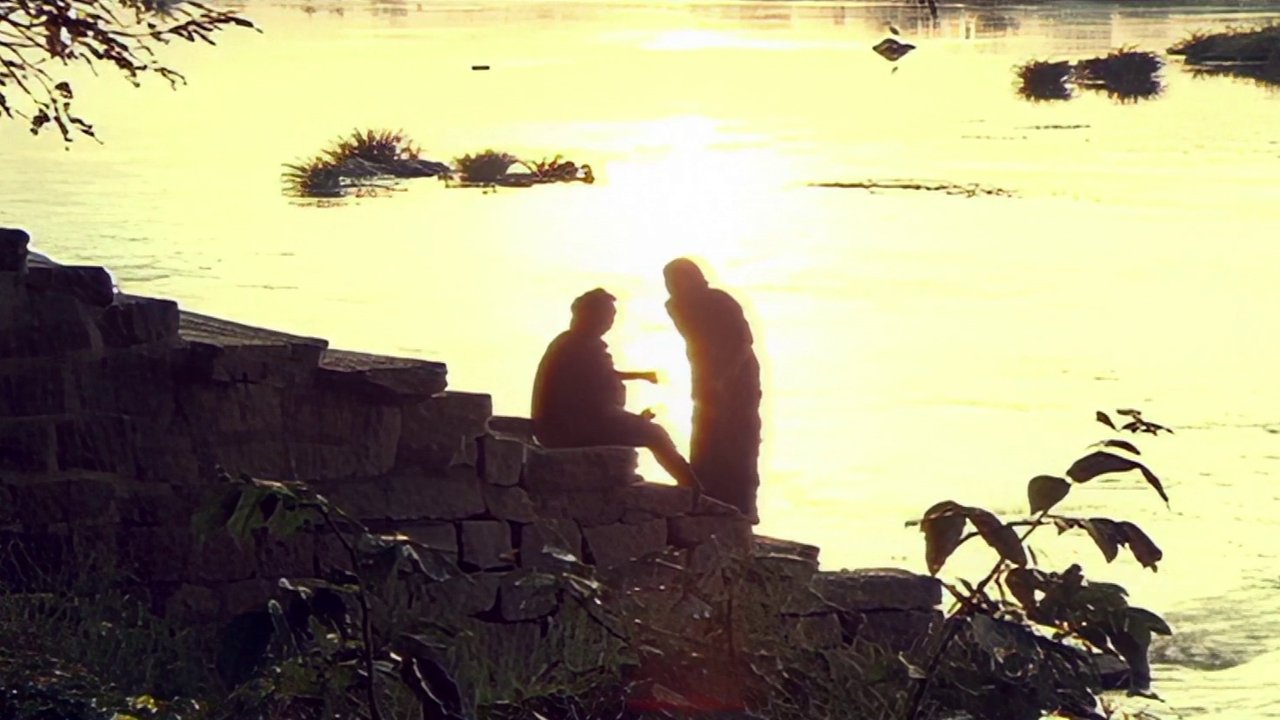
What truly elevates Thalapathi is the sheer artistry on display. Mani Ratnam, already renowned for classics like Mouna Ragam (1986) and Nayakan (1987), crafts a film that is both visually stunning and emotionally resonant. Santosh Sivan's cinematography isn't just beautiful; it's integral to the storytelling, using natural light, rain-slicked streets, and stark contrasts to create an unforgettable atmosphere. And then there's the music. Ilaiyaraaja's score is legendary – not just the background music, but the songs themselves. They aren't mere interludes; they are woven into the narrative fabric, expressing character emotions and advancing the plot. Tracks like the joyous "Rakkamma Kaiya Thattu" became phenomenal hits, even gaining international recognition (famously placing in a BBC World Service poll of greatest songs), while others, like the soulful "Sundari Kannal Oru Sethi," ache with longing and foreshadowed tragedy.
Digging into the production history reveals the film's significance. Made on a reported budget of around ₹3 crore (a substantial sum for 1991, perhaps equivalent to ₹25-30 crore or roughly USD $3-4 million today), its box office haul of reportedly ₹10-12 crore (around ₹100-120 crore or USD $12-15 million today) cemented its status as a massive critical and commercial success. It proved that mainstream audiences would embrace complex characters and themes, especially when delivered with such star power and directorial flair. The casting coup of bringing Tamil superstar Rajinikanth and Malayalam superstar Mammootty together was itself a major event, creating unprecedented buzz across South India.
### Enduring Echoes
Thalapathi stands as a landmark in Indian cinema. It masterfully blended mainstream appeal – star power, action, unforgettable music – with the artistic sensibilities of parallel cinema. It showcased Rajinikanth's versatility and solidified Mani Ratnam's reputation as a visionary filmmaker capable of extracting nuanced performances from the biggest stars. Its influence can be seen in countless films that followed, attempting to replicate its blend of style, substance, and star power. For many outside India, discovering Thalapathi on VHS back in the 90s was like finding a hidden channel, a window into a different, powerful mode of cinematic storytelling that felt both epic and deeply personal.
---
Rating: 9/10
This score reflects the film's sheer mastery in direction, the powerhouse performances from its legendary leads (Rajinikanth delivering one of his most layered portrayals, Mammootty radiating quiet authority), Santosh Sivan's breathtaking visuals, and Ilaiyaraaja's timeless score. Its intelligent adaptation of epic themes into a contemporary setting, combined with its emotional depth and cultural impact, makes it a towering achievement. While perhaps the pacing might feel deliberate to modern viewers accustomed to hyper-editing, its power remains undiminished.
Thalapathi lingers long after the credits roll, leaving you pondering the complexities of loyalty, justice, and the invisible ties that bind us. It’s more than just a film; it’s an experience – a potent reminder from the VHS era of how epic storytelling could feel intensely, heartbreakingly human.