Some films don't offer escape; they plunge you headfirst into the grime, the desperation, the cold, hard pavement of lives lived on the edge. 1996's "Bullet" is one such film, a raw nerve exposed on celluloid. Watching it back then, probably late on a rented VHS tape dimmed by countless previous viewings, felt less like entertainment and more like bearing witness. It’s a film steeped in a specific kind of 90s urban decay, carrying an atmosphere thick with resignation and the low hum of impending violence. There’s no slick Hollywood sheen here, just the harsh glare of fluorescent lights on weary faces.
Collision Course in Concrete
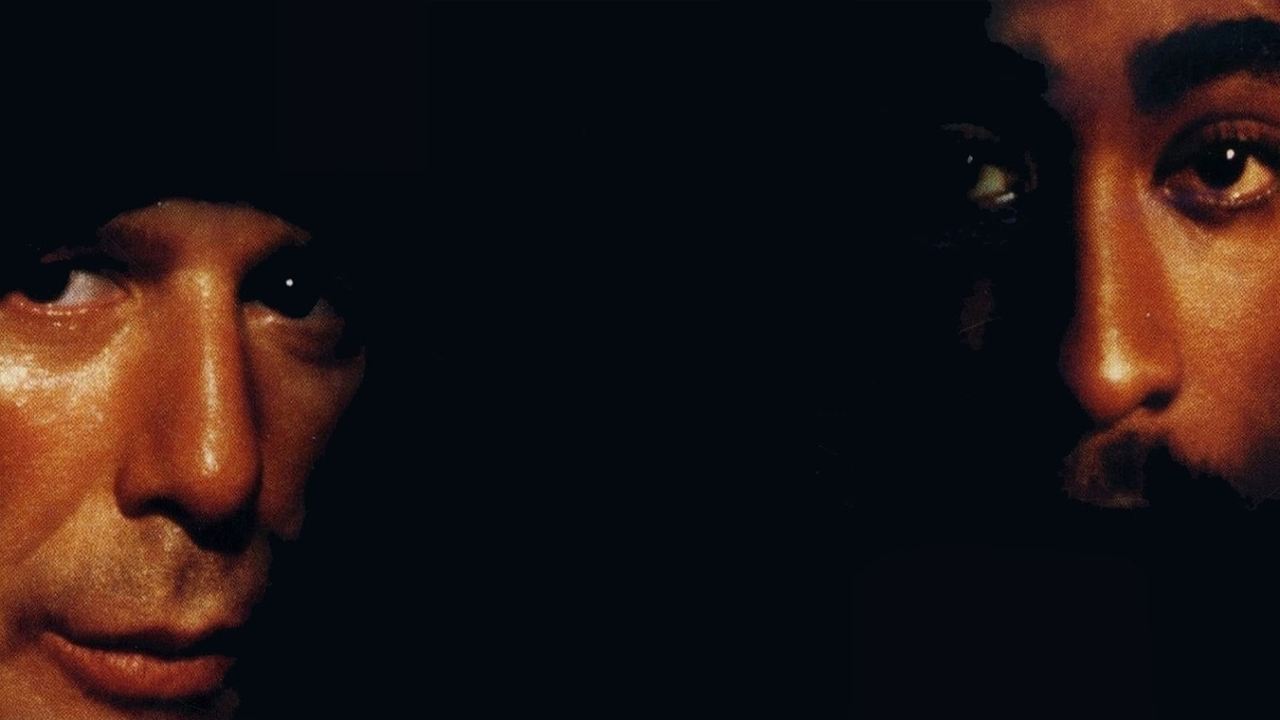
The setup is deceptively simple: Butch 'Bullet' Stein (Mickey Rourke) is released from an eight-year prison stint and returns to his old Brooklyn neighborhood. But any hope of going straight evaporates almost instantly. He’s back shooting heroin with his buddies, navigating the chaotic dynamics of his profoundly dysfunctional family, and, crucially, carrying the weight of unfinished business with local drug kingpin Tank (Tupac Shakur), the man he blinded in one eye years ago. It's not a question of if their paths will cross violently again, but when. The script, co-written by Rourke himself along with Bruce Rubenstein, feels less plotted and more like a series of increasingly desperate moments spiraling towards an inevitable conclusion.
Rourke's Return to the Streets
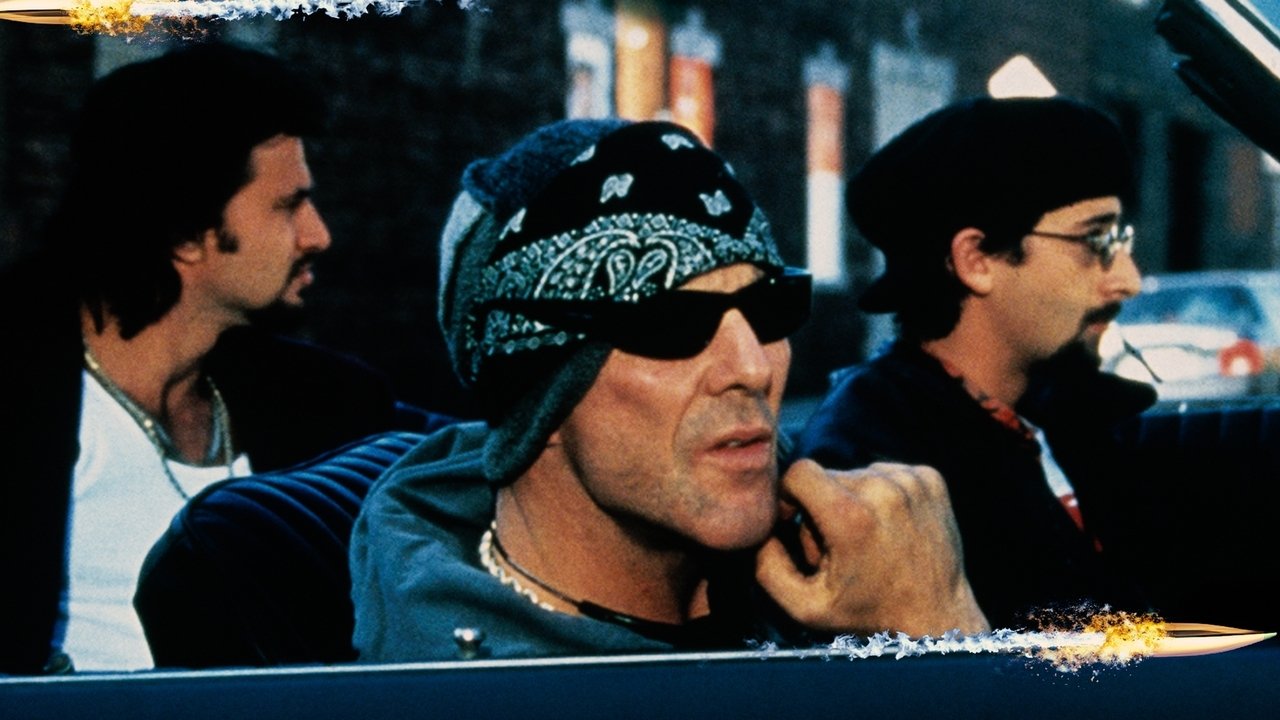
Mickey Rourke embodies Bullet with a haunting authenticity. This wasn't just acting; it felt like he was channeling something deeply personal. Having largely fallen from mainstream grace after his boxing detour and some challenging roles, Rourke poured a raw, world-weary vulnerability into Bullet. There's a palpable sense of exhaustion mixed with volatile energy, a man both resigned to his fate and railing against it. It’s rumored Rourke drew heavily on his own observations and perhaps experiences for the script, originally penning it years earlier, and worked for scale (around $10,000) on the estimated $3 million budget just to get it made. This passion project aspect bleeds onto the screen; you believe Bullet's history, his addictions, his simmering rage. It's a performance that anchors the film's bleak reality.
The Shadow of Tank
Facing off against Rourke is Tupac Shakur as Tank, delivering a performance crackling with understated menace and charisma. Released posthumously just a month after Tupac's tragic murder in September 1996, his presence carries an unbearable weight. It’s impossible to watch Tank, a powerful figure trapped by the violent world he commands, without thinking of the artist's own life cut short. He brings a chilling stillness to the role, a coiled intensity that makes Tank a genuinely formidable antagonist, far removed from the more theatrical villains often seen in crime films. The film itself reportedly sat on the shelf for a while before its limited release, making the timing even more poignant. Does that final, unflinching stare still send a shiver down your spine?
A Troubled Family Portrait
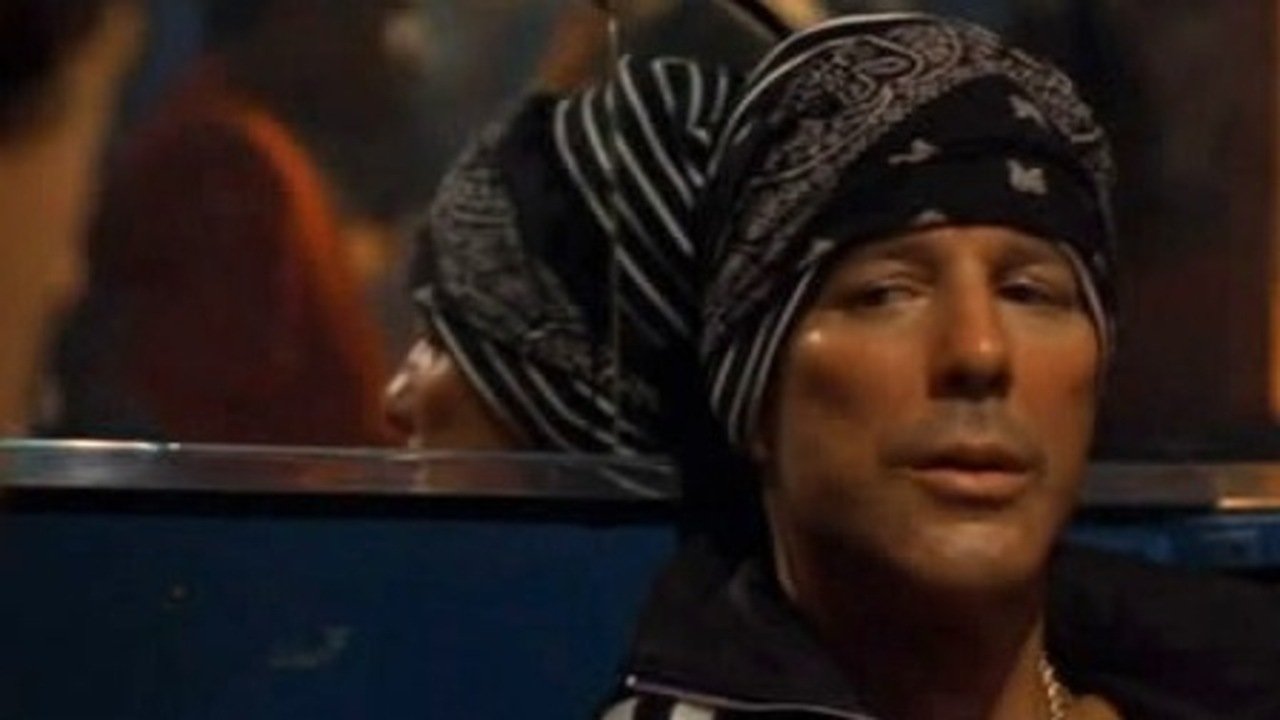
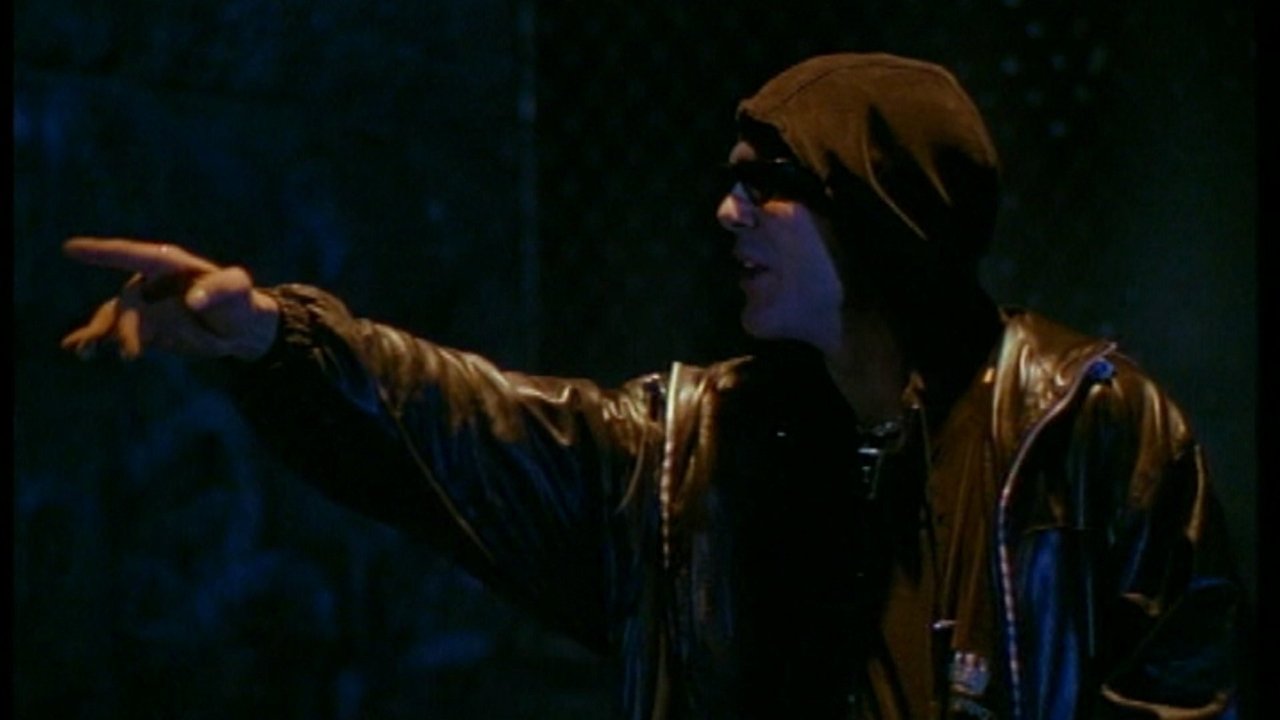
Beyond the central conflict, "Bullet" paints a grim picture of Bullet's family life. Ted Levine (unforgettable from The Silence of the Lambs (1991)) is electrifying as Bullet's volatile, PTSD-suffering Vietnam vet brother, Louis, adding another layer of unpredictable danger. And then there's a young Adrien Brody as Ruby, the sensitive, aspiring artist brother who captures the neighborhood's decay in his paintings. Brody, years before his Oscar win for The Pianist (2002), already shows flashes of the immersive actor he would become, providing a counterpoint to the destructive masculinity surrounding him. Their family dinners are exercises in simmering tension and barely concealed pain.
Brooklyn Through a Grimy Lens
Director Julien Temple, known more for his vibrant music documentaries (The Filth and the Fury) and quirky musicals (Earth Girls Are Easy), might seem an odd choice. Yet, he captures the specific mood of mid-90s Brooklyn perfectly. The cinematography favors handheld shots and naturalistic lighting, emphasizing the grit and claustrophobia of the urban environment. Shot on location, the streets, apartments, and bars feel lived-in and authentic, almost documentary-like. The low budget arguably becomes an asset, stripping away any glamour and forcing a focus on character and atmosphere. The score, too, is sparse and unsettling, complementing the pervasive sense of dread rather than trying to manipulate emotions.
Lasting Unease
"Bullet" isn't an easy watch. It's deliberately paced, often bleak, and offers little in the way of redemption or catharsis. Some viewers might find its relentless grimness off-putting or its narrative meandering. However, its power lies in its unflinching honesty and the raw nerve performances, particularly from Rourke and Shakur. It captures a specific time and place with unsettling accuracy, feeling less like a constructed narrative and more like a snapshot of lives caught in a downward spiral. I remember getting this from the local video store, the stark cover art promising something intense, and it delivered – just not in the way I might have expected from a typical 90s crime flick. It lingered, heavy and uncomfortable.
Rating: 7/10
Justification: "Bullet" earns its points for the powerful, committed performances from Mickey Rourke and Tupac Shakur, its brutally authentic atmosphere, and its unflinching portrayal of addiction and street life. Julien Temple's direction effectively captures the grit, and the supporting cast, especially Adrien Brody and Ted Levine, adds depth. It loses points for its sometimes uneven pacing and a narrative that can feel more like a series of vignettes than a tightly plotted story. Its overwhelming bleakness, while effective, also makes it a demanding and perhaps less rewatchable film for some.
Final Thought: More than just a gritty crime drama, "Bullet" remains a fascinating, if flawed, artifact of 90s independent filmmaking and a haunting showcase for two magnetic leads, forever shadowed by real-life tragedy. It’s a tape that might gather dust on the shelf, but its raw power is hard to forget once you've hit play.