It’s a peculiar kind of weight a film carries when it sets out not just to tell a story, but to right a historical wrong through narrative. Pulling Ghosts of Mississippi (1996) off the shelf back in the day, nestled perhaps between flashier thrillers or comedies, felt like choosing something substantial, something that asked more of you than just passive viewing. There's an immediate gravity to it, the knowledge that this isn't just fiction; it's drawn from a deep, painful wellspring of American history. The central question it forces us to confront lingers long after the tape hiss fades: Can the passage of time ever truly dilute the poison of injustice, or does it merely allow it to seep deeper into the soil?

Echoes of the Past
Directed by Rob Reiner, a filmmaker more often associated with warmth (Stand by Me, 1986) or sharp wit (When Harry Met Sally..., 1989), Ghosts of Mississippi finds him tackling the somber, real-life pursuit of justice for the 1963 assassination of civil rights activist Medgar Evers. The film picks up decades later, in 1989, focusing on the relentless efforts of Evers' widow, Myrlie Evers (Whoopi Goldberg), and ambitious Assistant District Attorney Bobby DeLaughter (Alec Baldwin) to retry Byron De La Beckwith (James Woods), the virulent white supremacist acquitted twice by all-white juries in the 1960s. The atmosphere Reiner crafts is thick with the humidity and unresolved tension of the South, less a slick courtroom drama and more a slow burn investigation into the persistence of hatred and the possibility of redemption, both personal and societal. Filming extensively on location in Jackson, Mississippi, adds an undeniable layer of authenticity, grounding the narrative in the very streets where these events unfolded.
Portraits in Courage and Contempt
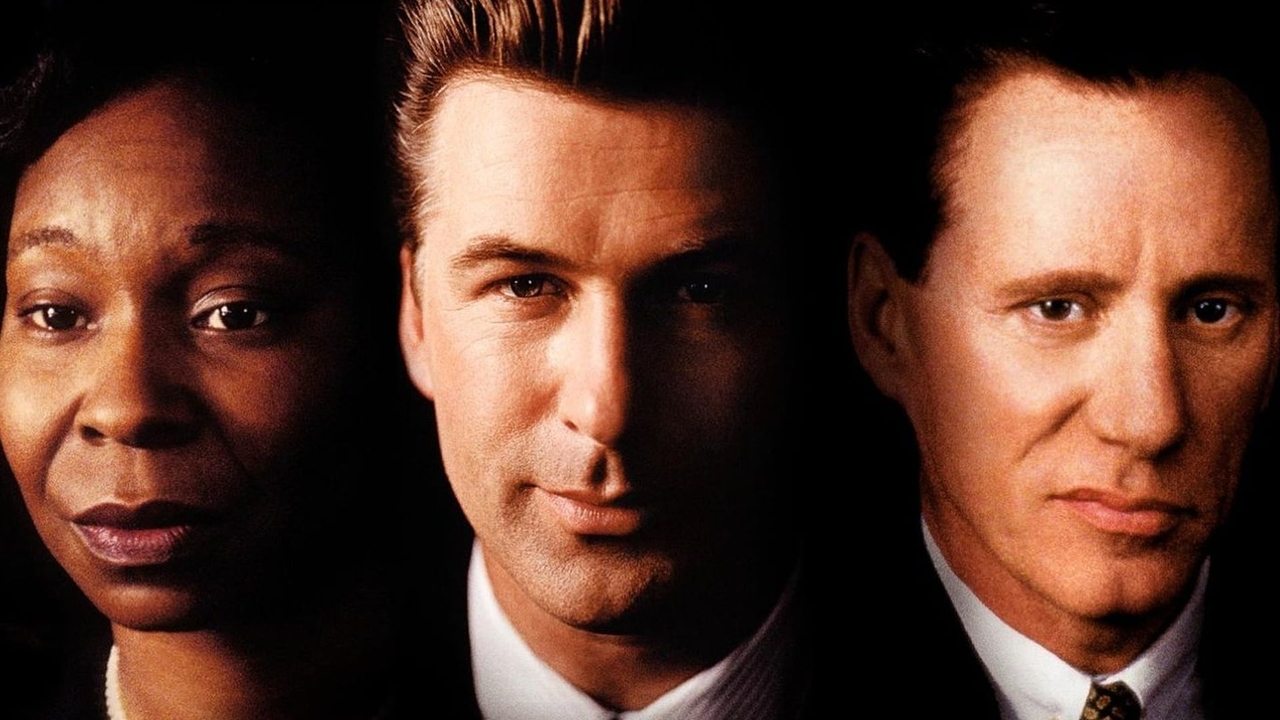
The film rests heavily on its central performances, and they deliver with compelling force. Whoopi Goldberg, stepping away from her comedic persona, embodies Myrlie Evers with a profound, quiet dignity. It’s a performance built on decades of contained grief, unwavering resolve, and the deep weariness that comes from fighting a battle seemingly lost long ago. Knowing that the real Myrlie Evers served as a consultant on the film lends an extra layer of poignancy to Goldberg's portrayal; you feel the truth of that long-held pain and determination. Doesn't her steadfast presence become the moral anchor against which all the other characters must measure themselves?
Alec Baldwin carries the narrative thrust as Bobby DeLaughter, the initially reluctant prosecutor who finds himself drawn deeper into the case, risking his career, his marriage, and even his safety. While some critics at the time found his character arc somewhat conventional for a legal drama, Baldwin effectively conveys the gradual awakening of conscience and the mounting pressure of confronting his own community's buried sins. His journey reflects a South grappling, however belatedly, with its legacy.
But it's James Woods as Byron De La Beckwith who truly chills the blood. Earning a well-deserved Oscar nomination for Best Supporting Actor, Woods crafts a portrait of unrepentant bigotry that is utterly terrifying in its casualness. He avoids caricature, instead presenting Beckwith as smug, manipulative, and absolutely convinced of his own righteousness. There’s a fascinating bit of behind-the-scenes insight here: Woods reportedly refused to meet the real Beckwith, choosing instead to build his characterization from trial transcripts, news reports, and historical accounts. This decision seems crucial, allowing him to capture the essence of Beckwith's public persona and hateful ideology without potentially humanizing him through direct contact. The result is unnerving and unforgettable.

The Long Road to Justice
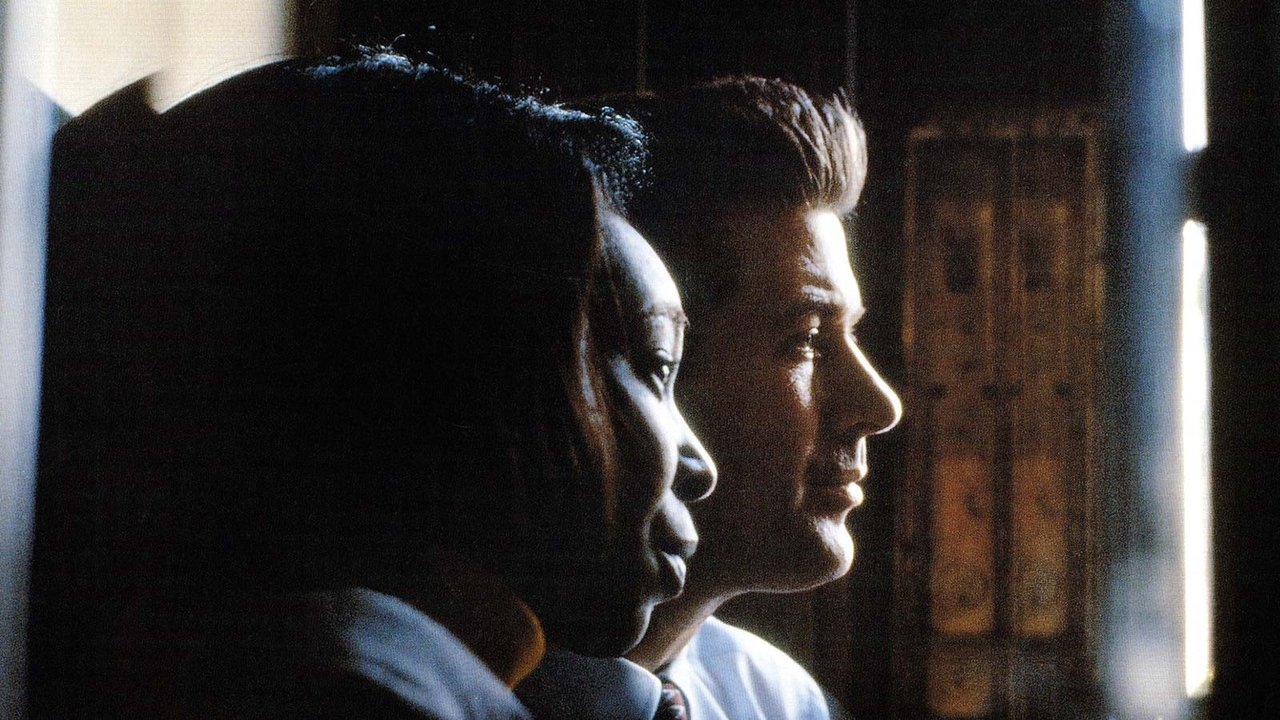
Ghosts of Mississippi isn't afraid to show the ugliness of the past and its stubborn persistence. It delves into the meticulous, often frustrating process of rebuilding a decades-old case: tracking down lost evidence, persuading reluctant witnesses, and facing down the overt and subtle racism that still permeated society. The film unflinchingly depicts the threats and social ostracism DeLaughter and his family endured, reminding us that challenging entrenched power structures always comes at a cost. It’s a testament to the real-life figures' tenacity that this third trial ever happened at all. Interestingly, despite its powerful story and acclaimed performance from Woods, the film struggled at the box office, making only around $13 million domestically against a $36 million budget. Perhaps its weighty subject matter felt out of step with the escapism often sought in mid-90s cinema, yet doesn't its importance transcend mere ticket sales?
Reiner's Measured Hand
Coming off the success of the sharply constructed military courtroom drama A Few Good Men (1992), Rob Reiner here adopts a more deliberate, less stylized approach. The direction is steady and respectful, allowing the weight of the true story and the strength of the performances to carry the film. There are no flashy directorial tricks, just a commitment to letting this crucial piece of history unfold with clarity and emotional honesty. It feels like a conscious choice, prioritizing substance over style, which ultimately serves the gravity of the subject matter well.
A Reckoning Remembered
Ghosts of Mississippi might not be the most formally inventive film of its era, but its power lies in its subject matter and the conviction of its telling. It’s a potent reminder of the long shadow cast by racial hatred and the immense courage required to confront it, even decades later. Watching it again now, its themes of historical accountability and the slow, arduous path toward justice feel perhaps even more resonant. It asks us to consider how we reckon with our own collective pasts, and what responsibility we bear for addressing inherited injustices.
Rating: 7/10
This rating reflects a film anchored by truly outstanding performances, particularly from James Woods and Whoopi Goldberg, and driven by a historically significant and inherently powerful true story. While the narrative structure adheres somewhat closely to legal drama conventions, Rob Reiner's respectful direction and the film's commitment to authenticity make it a compelling and important watch. It may have underperformed commercially, but its value lies in its sobering depiction of a hard-won victory against deeply entrenched prejudice.
It's a film that doesn't offer easy answers but leaves you contemplating the enduring struggle for equality, a stark reminder from the VHS vaults that some ghosts refuse to stay buried until justice is finally served.