Okay, settle in, fellow tape-heads. Remember those dramas from the late 80s and early 90s? The ones that felt grown-up, grappling with real-world issues but still delivering compelling character stories? They weren’t always flashy, often relying on sharp writing and powerhouse acting rather than explosions. Popping Class Action (1991) into the VCR recently felt like revisiting exactly that kind of satisfying, intelligent filmmaking. It’s a film that poses a fundamental question, one still deeply relevant: where does the line blur between professional duty and personal morality, especially when family is thrown into the opposing corner?
### Father vs. Daughter, Law vs. Conscience
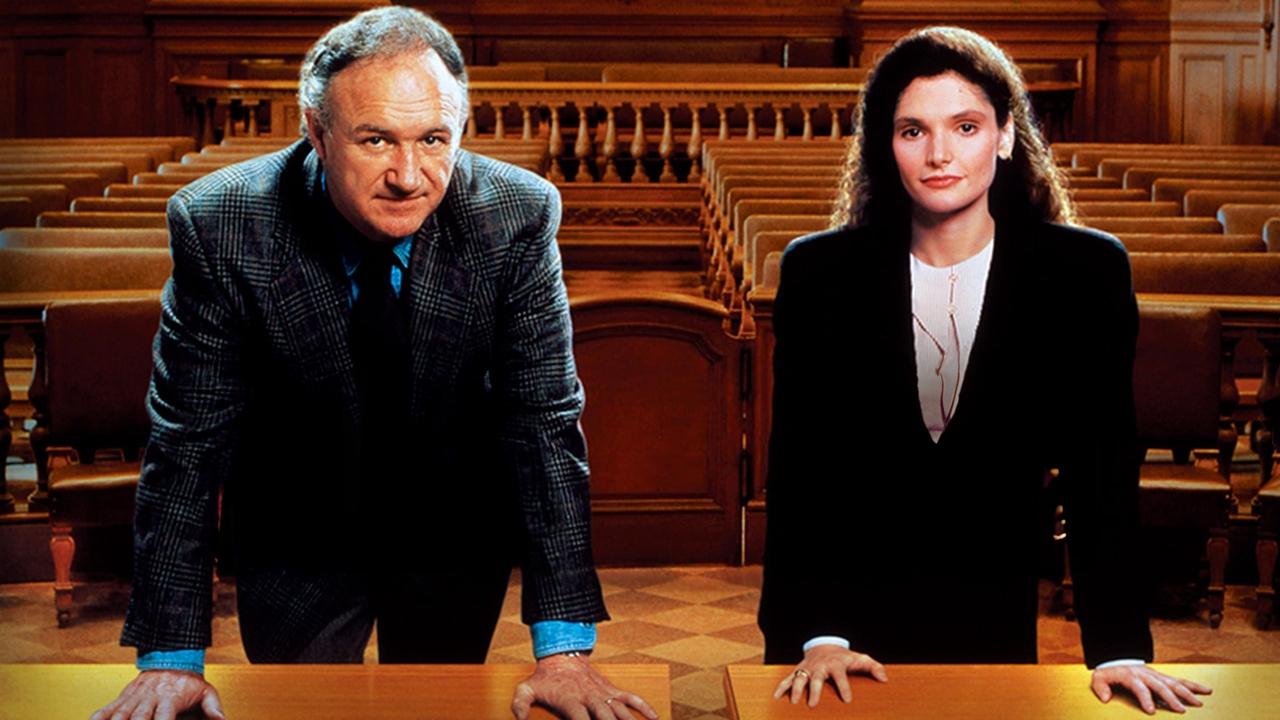
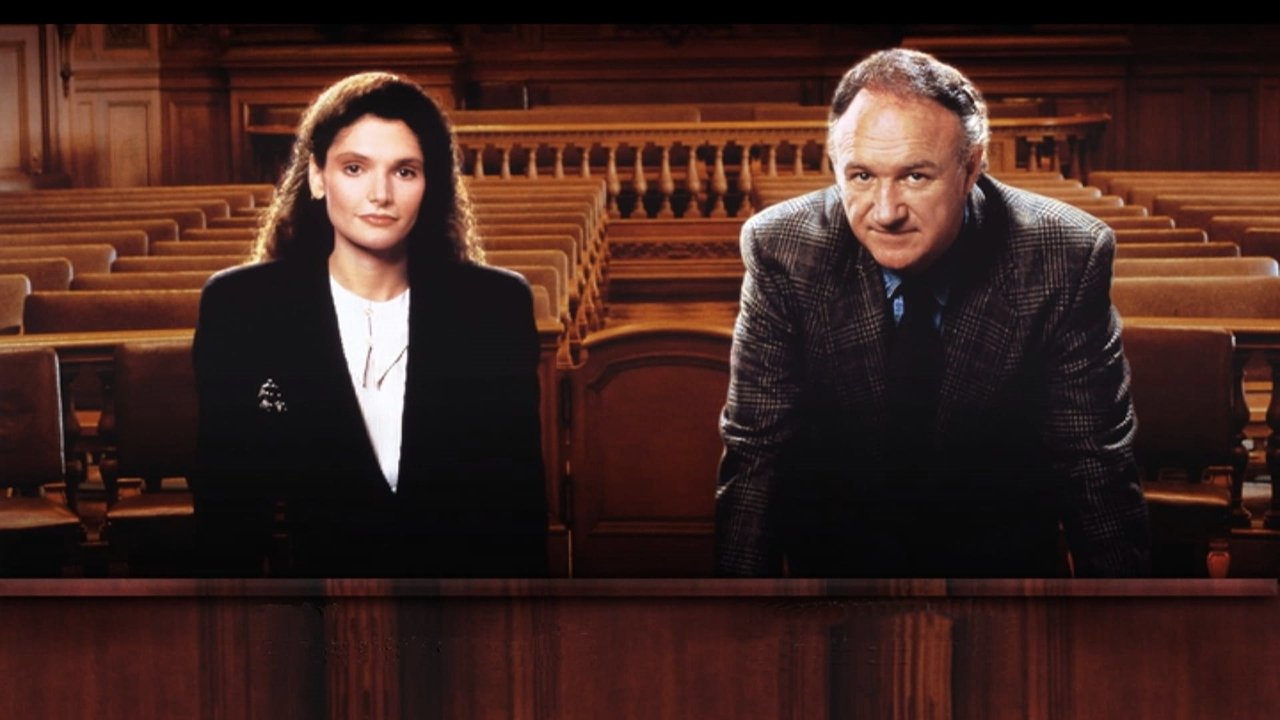
The premise itself crackles with inherent conflict. Gene Hackman, in one of his typically brilliant, lived-in performances, plays Jedediah Tucker Ward, a crusading liberal lawyer who champions the underdog, often with flamboyant courtroom tactics. He’s the kind of guy who seems permanently rumpled but possesses a razor-sharp mind and an unwavering (if sometimes self-serving) moral compass. Facing him across the aisle in a massive product liability lawsuit is his estranged daughter, Maggie Ward, portrayed with fierce intelligence and vulnerability by Mary Elizabeth Mastrantonio. Maggie works for a high-powered, corporate defence firm – the very embodiment of the establishment Jedediah rails against. Their battleground is a case involving faulty station wagons causing horrific injuries, a scenario uncomfortably reminiscent of real-world automotive scandals like the Ford Pinto controversy, adding a layer of disturbing realism. It's not just lawyer versus lawyer; it's father versus daughter, idealism versus ambition, past grievances versus present loyalties.
### Hackman & Mastrantonio: A Masterclass in Friction
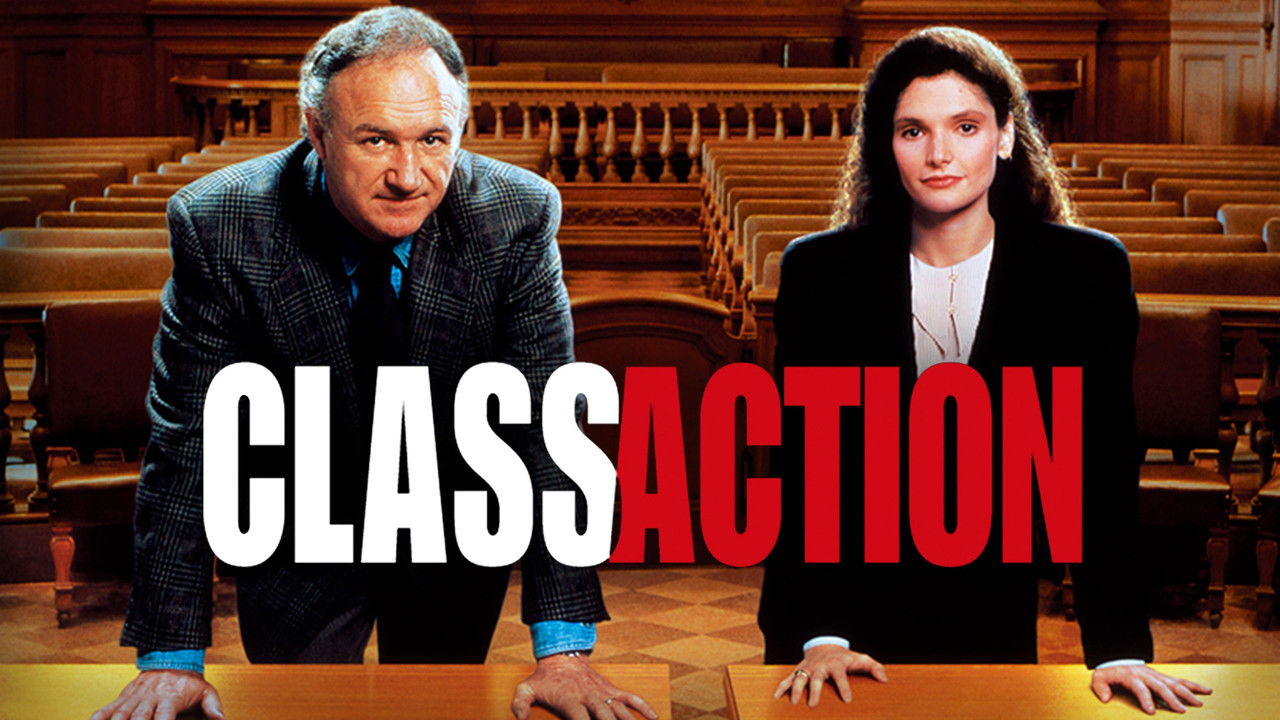
What truly elevates Class Action beyond a standard legal procedural is the electrifying dynamic between its leads. Hackman, who could find the weary soul in almost any character, perfectly embodies Jedediah's mix of righteous anger, regret, and stubborn pride. You see the history etched on his face, the weight of past battles, both legal and personal. He’s flawed, certainly – his dedication to "the cause" often came at the expense of his family – but Hackman makes his passion utterly believable.
Mastrantonio, who carved out a niche playing intelligent, capable women in films like The Abyss (1989) and Robin Hood: Prince of Thieves (1991), is equally compelling. She doesn't just play Maggie as a corporate shark; she layers her performance with the hurt of a daughter constantly seeking her father's approval while simultaneously defining herself in opposition to him. Their scenes together are the film's highlights – crackling with unresolved tension, sharp barbs masking deeper wounds, and moments of unexpected, fragile connection. The push and pull between them feels authentic, born from years of complicated history. You genuinely believe these two people share a tangled, painful past.
### Beyond the Courtroom
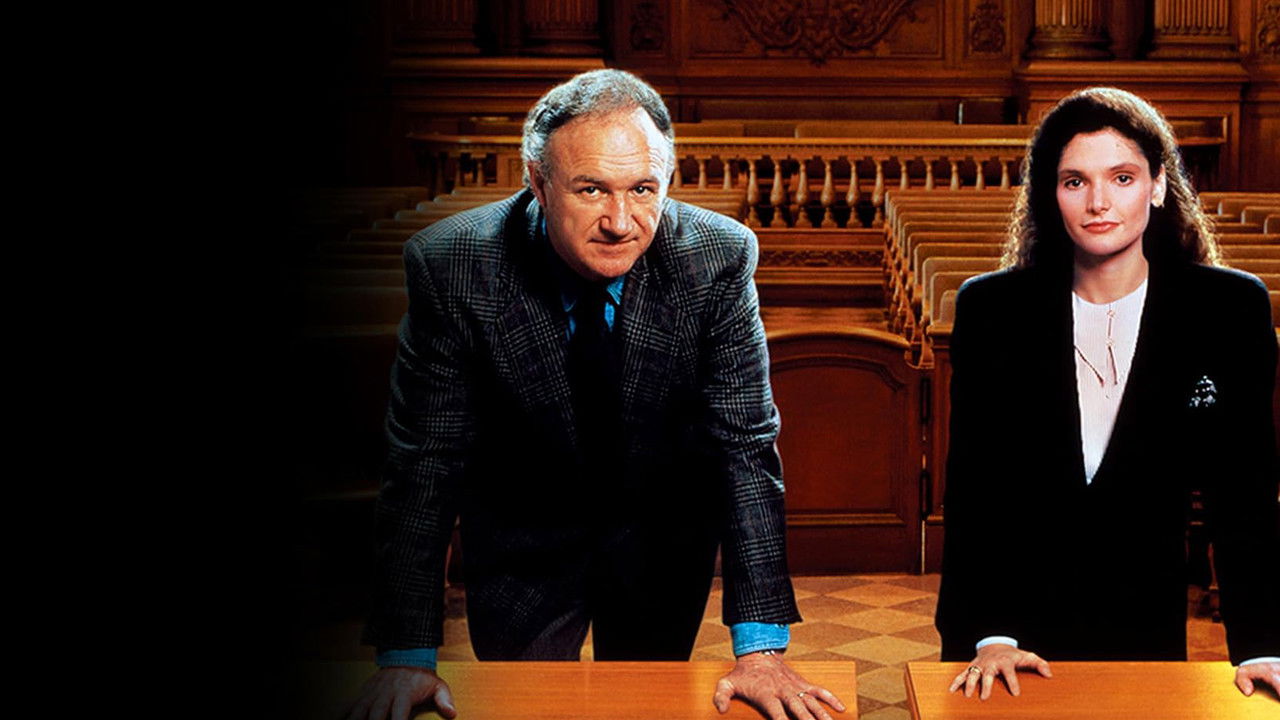
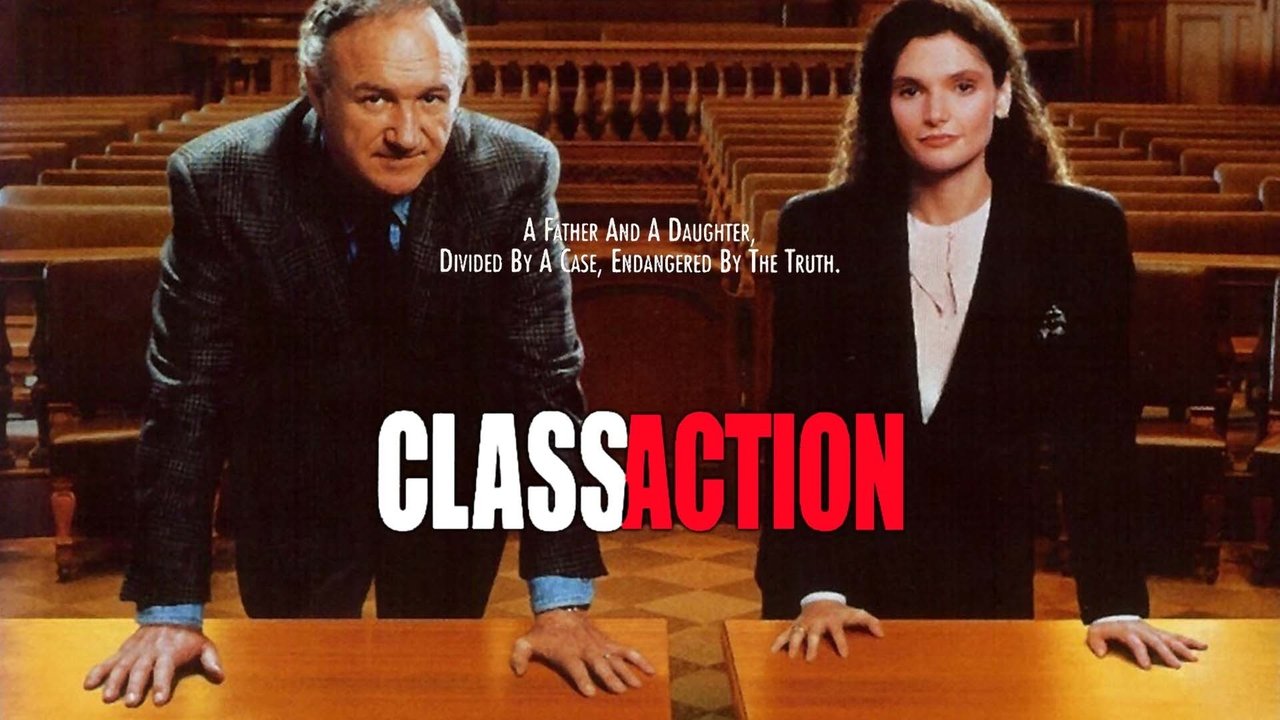
Director Michael Apted, perhaps best known for his groundbreaking Up documentary series and dramas like Coal Miner's Daughter (1980), brings a grounded, unfussy approach to the material. He lets the performances and the ethical dilemmas drive the narrative. While the courtroom scenes are suitably tense, Apted is just as interested in the quiet moments outside the legal arena – the strained phone calls, the awkward encounters, the late-night strategy sessions where personal feelings inevitably bleed into professional conduct. He captures the high-stakes atmosphere of corporate law in early 90s San Francisco, but never loses sight of the human cost at the center of the case.
The film doesn't shy away from the moral ambiguities. Is Jedediah purely noble, or is there ego mixed in with his idealism? Is Maggie selling out, or is she trying to prove herself in a system stacked against her, using the tools available? The script, credited to Samantha Shad, Carolyn Shelby, and Christopher Ames, avoids easy answers, presenting both sides with a degree of validity that makes the central conflict resonate. We see the pressure Maggie is under from her firm, the compromises demanded by corporate loyalty, adding nuance to her position.
### Echoes of the Era
Watching Class Action now certainly evokes that specific early 90s period. It came amidst a wave of popular legal thrillers – think Presumed Innocent (1990) or The Firm (1993) – but Class Action feels less about intricate plotting and more about the ethical weight on its characters. It’s a solid, well-crafted drama that trusts its audience to engage with complex issues. There’s a certain satisfaction in seeing a film tackle corporate malfeasance head-on, something that feels perhaps even more pertinent today. The film performed respectably upon release, pulling in around $28 million domestically – not a smash hit, but a solid showing for an adult drama, proving there was an audience hungry for substance. I recall renting this one from the local video store, the weighty feel of the tape promising a serious evening's viewing, and it delivered precisely that.
While some plot developments might feel a touch predictable to modern eyes seasoned by countless legal dramas since, the core strength remains undiminished: the powerhouse performances and the exploration of a fractured father-daughter relationship set against a high-stakes legal battle. It’s a film built on character and ethical quandaries, and it stands up remarkably well.
---
Rating: 8/10
Justification: Class Action earns its strong rating primarily through the exceptional performances of Gene Hackman and Mary Elizabeth Mastrantonio, whose chemistry and nuanced portrayals of a complex father-daughter dynamic are riveting. Michael Apted's steady direction focuses effectively on character and theme, grounding the legal drama in relatable human conflict. While the plot follows some familiar beats of the genre, the exploration of corporate ethics versus personal integrity feels sharp and remains relevant. It’s a prime example of the intelligent, character-driven adult dramas that were a welcome staple of the VHS era.
Final Thought: More than just a courtroom drama, Class Action is a potent reminder that the biggest battles are often fought not over points of law, but within the complicated landscape of the human heart. What price loyalty, and can familial bonds withstand the pressure of opposing convictions? This film leaves you pondering those questions long after the tape ejects.