Okay, settle in, grab your preferred beverage – maybe something that reminds you of rainy Chicago nights – because we're rewinding the tape to 1993 for Michael Apted's moody thriller, Blink. This isn't one that shouts its presence from the rooftops of the decade's blockbusters, but rather flickers intriguingly in the memory, much like the delayed images seen by its protagonist. It possesses that specific early-90s blend of grit, psychological tension, and a high-concept hook that always felt right at home on a well-worn VHS cassette.

### Seeing is Deceiving
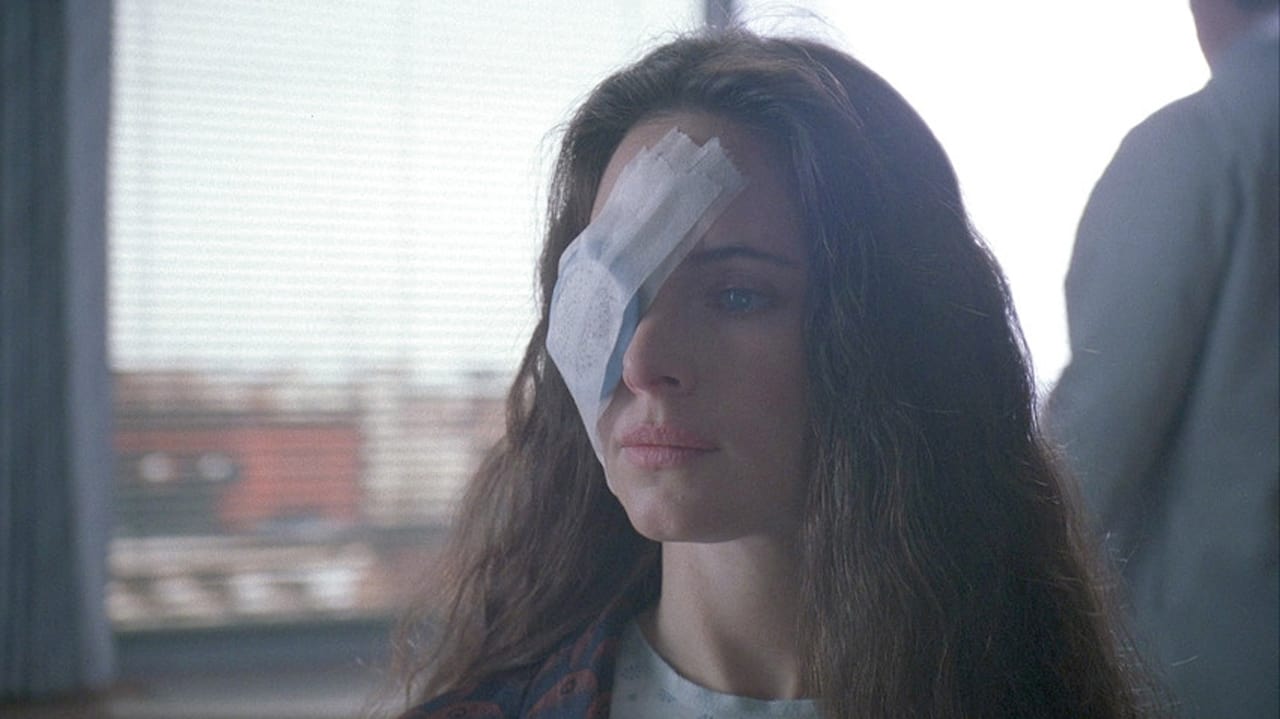
What immediately pulls you into Blink is its central conceit: Emma Brody (Madeleine Stowe), blind since childhood, undergoes experimental corneal transplant surgery. Her sight returns, but with a strange side effect – retrograde vision, where intense events sometimes register in her mind hours after they occur. It’s a fascinating narrative device, turning the simple act of seeing into a source of profound unease and unreliability. Could you imagine witnessing a crime, not as it happens, but as a fragmented echo playing out later in your own mind? It’s this unique vulnerability that forms the film’s core.
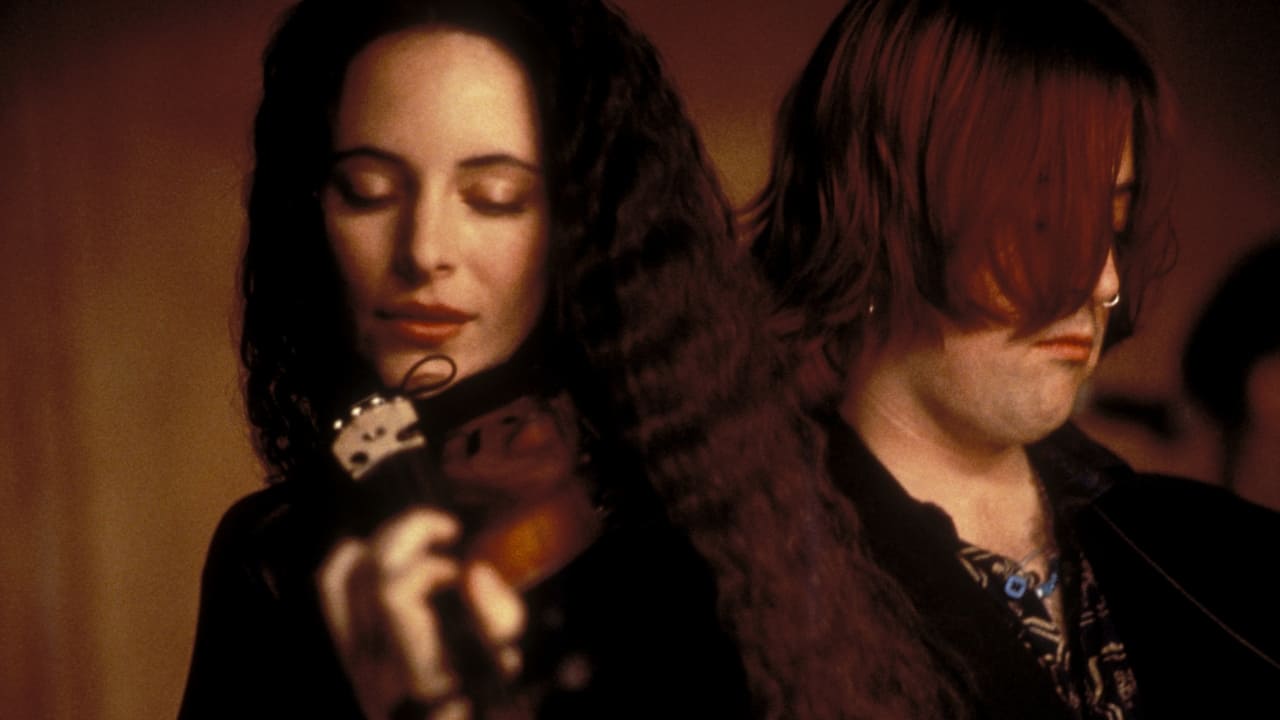
Madeleine Stowe is truly the anchor here. Coming off acclaimed turns in films like The Last of the Mohicans (1992), she imbues Emma with a compelling mix of fierce independence, born from years of navigating the world without sight, and a raw fragility as she readjusts to a sighted world fraught with new dangers. You feel her frustration, her determination, and her terror. Emma isn't just a plot device; she's a musician – specifically, a fiddle player in a Chicago-based Irish folk-rock band, The Drovers (who were, incidentally, a real band). Stowe reportedly dedicated herself to learning the fiddle for the role, and that commitment adds a layer of authenticity to Emma’s character, grounding her amidst the thriller mechanics. Her passion for music feels like a tangible part of her identity, a sensory world she mastered before the complexities of sight returned.
### Chicago Noir and Nervous Energy
Enter Detective John Hallstrom (Aidan Quinn), the cynical but fundamentally decent cop assigned to investigate a murder Emma might have partially "witnessed" through her delayed vision. Quinn, always adept at playing world-weary characters (think Stakeout from 1987, though this is far less comedic), brings a grounded skepticism that slowly melts into protective concern. The tentative, sometimes spiky romance that develops between Emma and Hallstrom feels earned, built on mutual vulnerability rather than typical Hollywood convenience. Their interactions provide the film’s emotional weight, a human connection amidst the escalating danger posed by a shadowy serial killer (James Remar, adding his trademark intensity).
Director Michael Apted, perhaps best known for the groundbreaking Up documentary series or dramas like Coal Miner's Daughter (1980), might seem an unusual choice for a genre thriller. Yet, he brings a certain measured, character-focused sensibility that elevates Blink above standard fare. He uses the Chicago setting effectively – the rain-slicked streets, the atmospheric elevated trains, the dimly lit bars where Emma's band plays – creating a palpable sense of place that feels quintessentially early 90s. There’s a grittiness here, captured beautifully by cinematographer Dante Spinotti (who would later shoot L.A. Confidential), that avoids gloss and leans into the urban shadows. One memorable sequence involves a tense chase through the labyrinthine Lower Wacker Drive, a location that feels both distinctly Chicago and perfectly suited to the film's disorienting themes.
### Retro Fun Facts: Peering Behind the Curtain
Blink landed in theaters in early 1994 (though often dated '93 due to production) and didn't exactly set the box office ablaze, pulling in around $16.6 million against a budget estimated near $20 million. This might explain why it feels like more of a discovery today than a widely remembered hit. Writer Dana Stevens' script, which reportedly circulated for some time before Apted came aboard, offers a compelling female protagonist navigating trauma and perception – themes Stevens would revisit in different ways in later work like City of Angels (1998).
The visualization of Emma's "retrograde flashes" is achieved through techniques that feel characteristic of the era – a blend of optical effects and perhaps early digital manipulation, creating distorted, flickering glimpses of past events. It’s not seamless by today’s standards, but it effectively conveys the unsettling nature of her condition. Remember how these kinds of visual ideas felt so novel back then? It tapped into that fascination with perception and memory that seemed prevalent in thrillers of the time. There were also reported battles with the MPAA to secure an R-rating without sacrificing too much of the film's intensity, a common struggle for thrillers aiming for adult audiences during that period. And let's not forget Emma's loyal guide dog, Elvis – a constant, reassuring presence adding another layer to her character's world.
### The Lingering Image
Does Blink hold up? Mostly, yes. The core concept remains intriguing, and Stowe's performance is genuinely outstanding, carrying the film through some of its more conventional thriller tropes. The pacing occasionally lags, and the identity of the killer might not be the most shocking reveal in cinematic history. However, the atmosphere, the central performances, and the unique psychological hook keep it engaging. It explores themes of trust – trusting others, trusting oneself, trusting what one sees (or remembers seeing) – in a way that resonates. What does it mean to be a reliable witness when your own senses betray you? How do past traumas shape present perceptions?
The film doesn't offer easy answers, preferring to leave the viewer contemplating the fragile nature of reality as perceived through our imperfect senses. It's a solid, well-crafted psychological thriller that benefits immensely from its lead actress and its distinctive premise.

Rating: 7.5/10
Justification: Blink earns its score primarily through Madeleine Stowe's compelling and nuanced performance, the genuinely intriguing high-concept premise of retrograde vision, and Michael Apted's atmospheric direction that makes excellent use of its Chicago setting. The chemistry between Stowe and Aidan Quinn adds emotional depth. While the plot mechanics can feel a bit familiar for the genre and the pacing sometimes dips, the film's strengths – particularly its focus on character and psychological tension over cheap shocks – make it a memorable and worthwhile early 90s thriller. It feels like a perfect artifact from the higher-end section of the video store shelf.
Final Thought: More than just a gimmick, Blink leaves you thinking about the unreliable nature of perception itself, a chilling thought that lingers long after the VCR clicks off.