Okay, pull up a chair, maybe grab a drink. Let's talk about a film that arrived just as the new millennium dawned, feeling both familiar and somehow distinct: Stephen Hopkins' 2000 thriller, Under Suspicion. It might not have the neon glow of the 80s or the grunge cool of the 90s, but sitting down with it again recently, it evoked that specific feeling of discovering a serious, actor-driven drama tucked away on the rental store shelf, promising intensity rather than explosions. And intense it certainly tries to be.
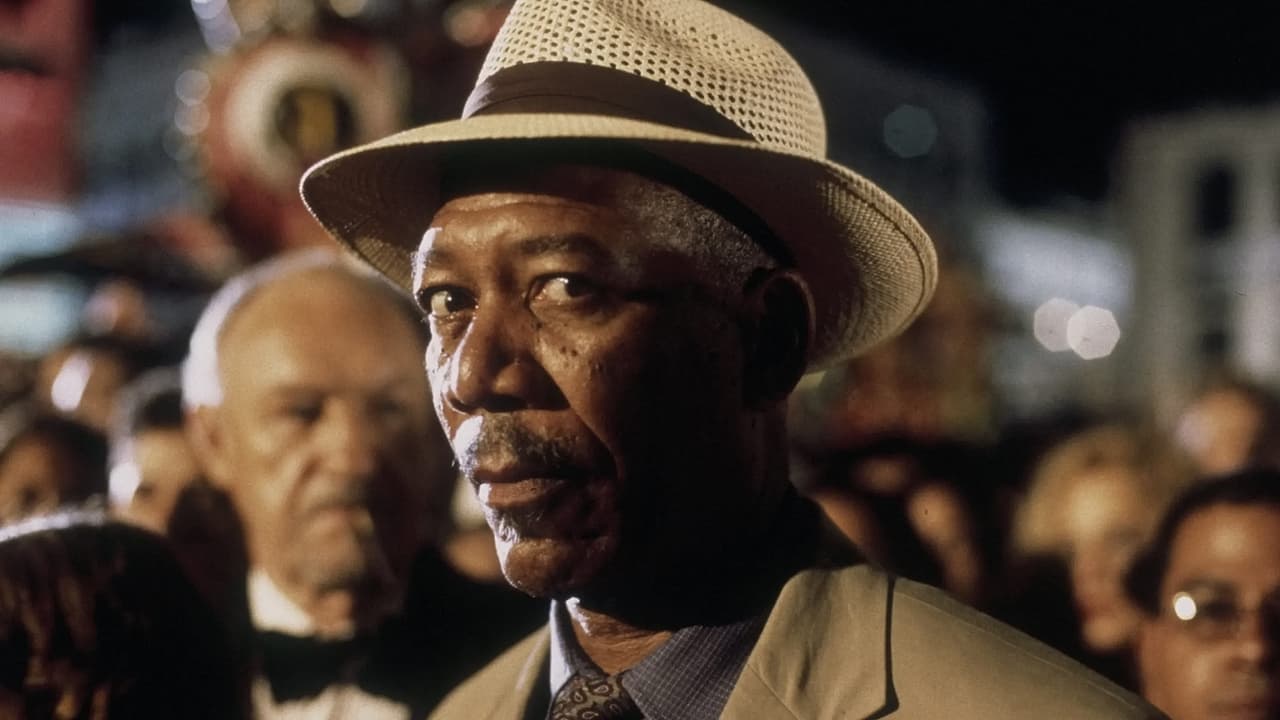
The premise hooks you with a classic setup: a wealthy, influential lawyer, Henry Hearst (Gene Hackman), is asked by an old friend, Police Captain Victor Benezet (Morgan Freeman), to swing by the station on the eve of a major charity gala to clarify a minor point in his statement about finding the body of a murdered young girl. But as the San Juan festival rages outside, the station becomes a pressure cooker, and the "minor clarification" spirals into a grueling, night-long interrogation. Is Hearst just a witness, or something far more sinister? It’s a stage set for a heavyweight acting bout, and that’s precisely what we get.
A Duel in the Dim Light
This film lives and breathes through its two leads. Gene Hackman, an actor who could convey worlds of weariness, pride, and hidden panic with just a flicker of his eyes, is perfectly cast as Hearst. He starts composed, affable, slightly inconvenienced, but as Morgan Freeman’s Benezet applies methodical pressure, the cracks begin to show. It's a fascinating portrayal of a man whose carefully constructed world is threatened, forcing him to confront uncomfortable truths about himself and his life, regardless of his guilt or innocence in the crime itself. Hackman makes you feel the sweat, the rising desperation, the sheer mental exhaustion. It's a performance that reminds you why he's considered one of the greats – think of his complex authority in films like Crimson Tide (1995) or the simmering violence beneath the surface in Unforgiven (1992), which also starred Freeman.
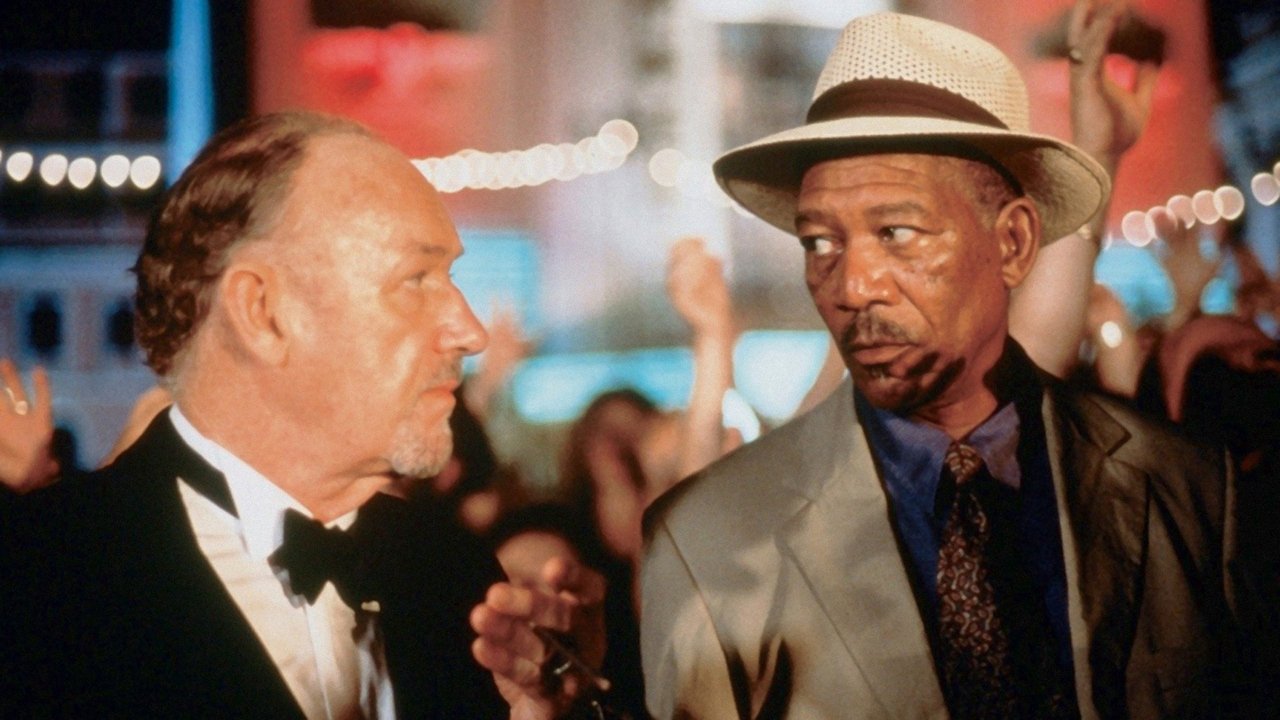
Speaking of Freeman, fresh off his iconic turn as another detective hunting a different kind of darkness in Seven (1995), he provides the perfect counterpoint. Benezet is calm, persistent, almost unnervingly patient. There's a history hinted at between these two men, adding layers to their confrontation. Freeman uses his trademark gravitas not for booming pronouncements, but for quiet insistence, letting the weight of the evidence and the inconsistencies in Hearst’s story do the heavy lifting. Watching these two veterans circle each other, testing boundaries and revealing vulnerabilities, is the undeniable core strength of Under Suspicion.
Echoes of the Original, Shadows in the Frame
It's worth noting that this isn't wholly original territory. Under Suspicion is a remake of the acclaimed 1981 French film Garde à vue, which starred Lino Ventura and Michel Serrault. Knowing this adds an interesting dimension, especially when you discover a fascinating piece of trivia: Claude Miller, the director of the French original, actually co-wrote the screenplay for this American adaptation alongside Tom Provost and Jean Herman (who wrote the novel Brainwash, the basis for Garde à vue)! It’s rare to see such direct involvement from the original creator in a remake, suggesting a desire to ensure the core psychological drama remained intact. Director Stephen Hopkins, known more for kinetic genre fare like Predator 2 (1990) and A Nightmare on Elm Street 5: The Dream Child (1989), shifts gears here, focusing on claustrophobia and character. He uses the contrast between the stifling interrogation room and the vibrant, noisy festival outside to heighten the sense of isolation and pressure on Hearst.
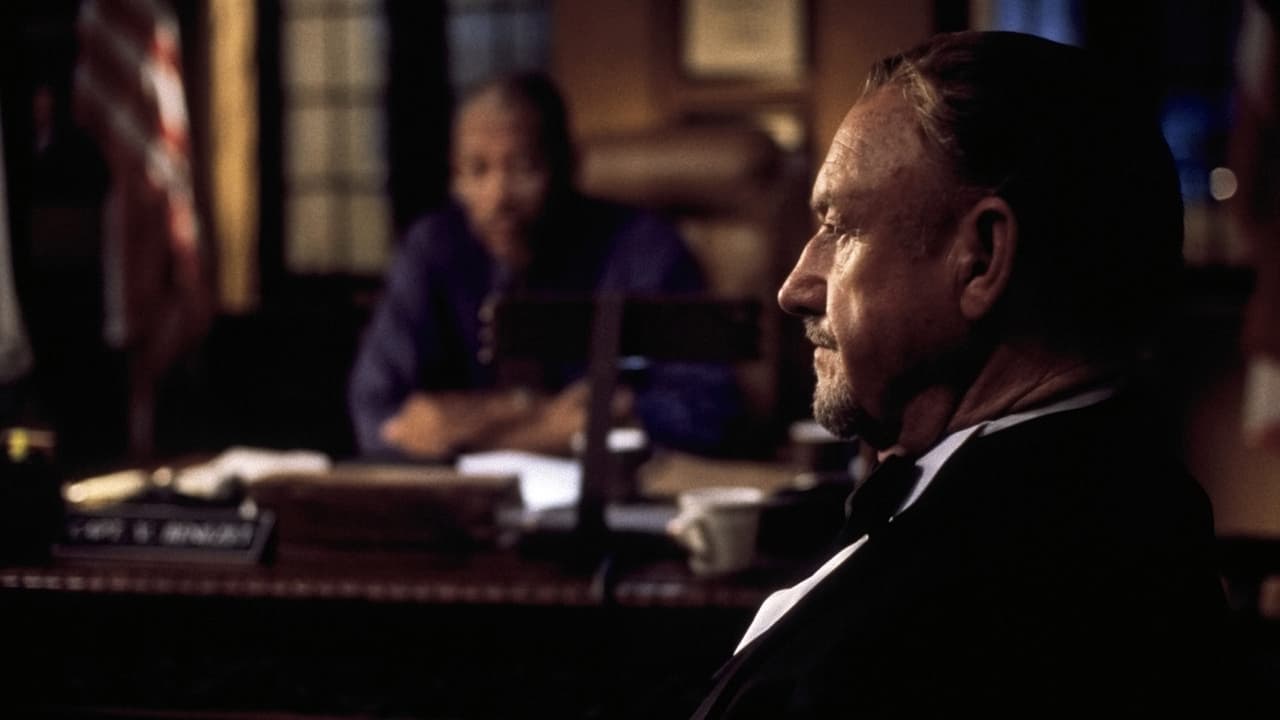
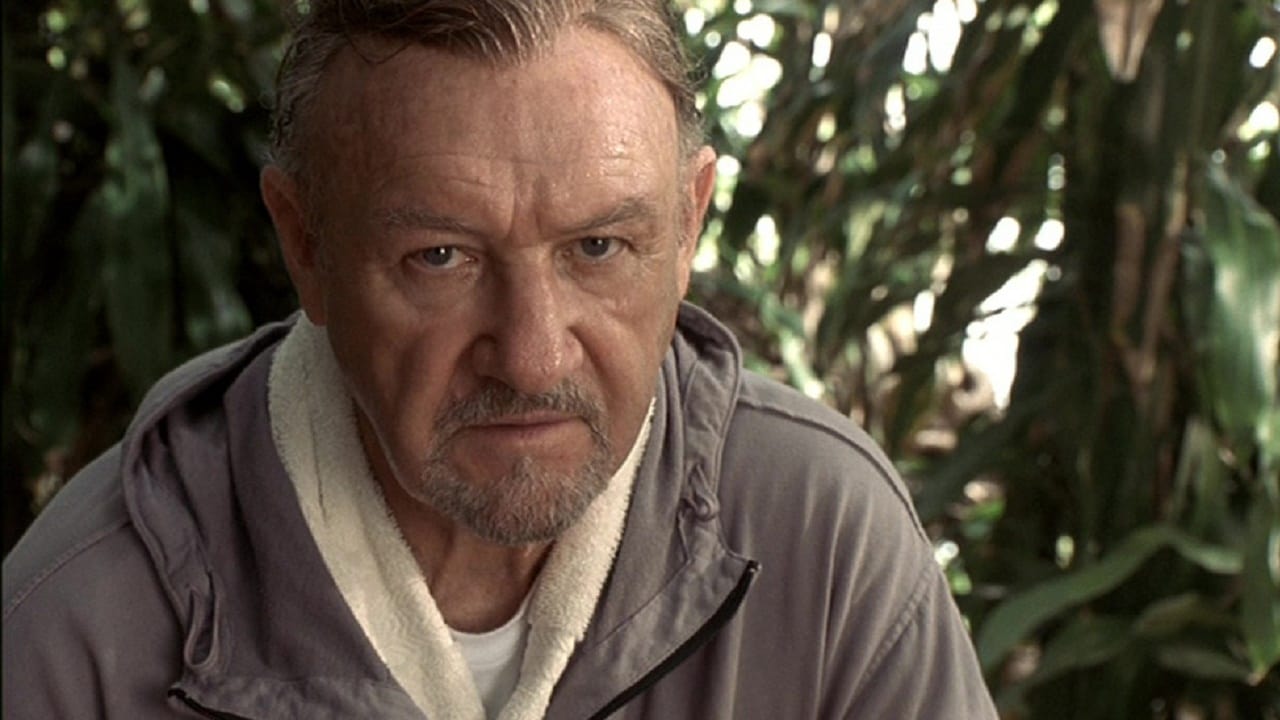
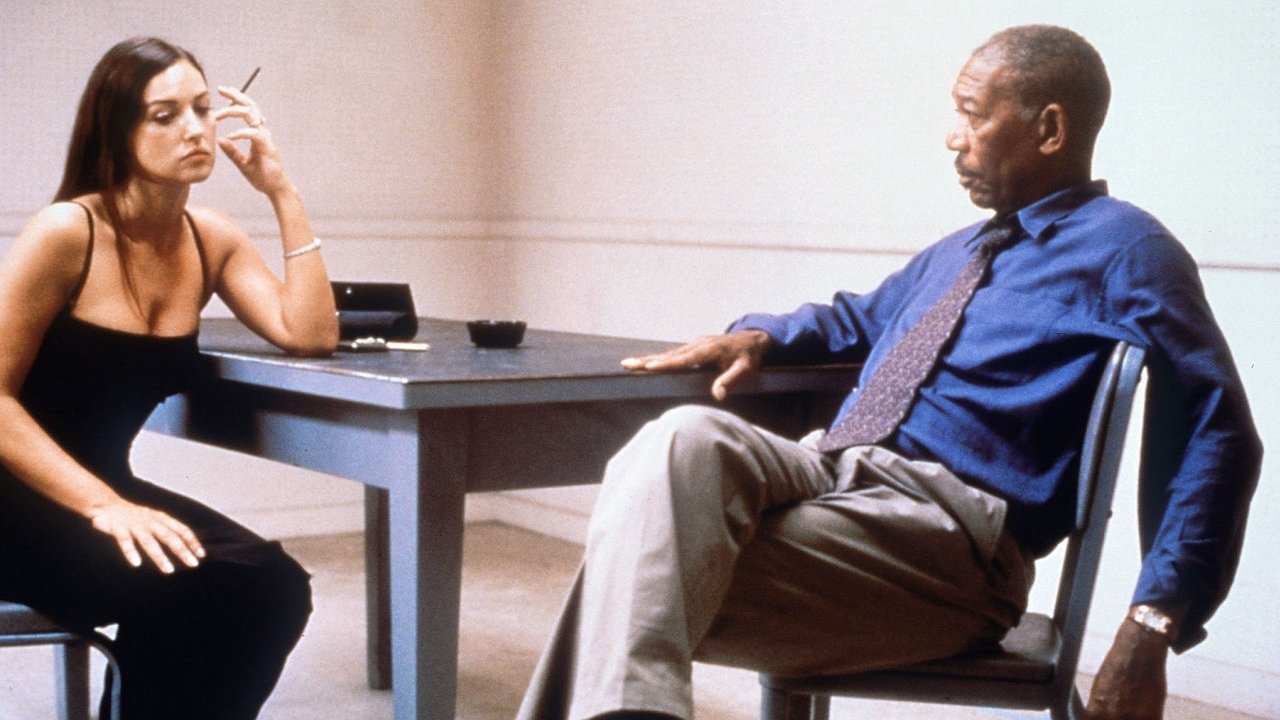
The visual style leans into shadows and reflections, emphasizing the themes of hidden truths and distorted perceptions. The arrival of Hearst’s much younger, enigmatic wife, Chantal (Monica Bellucci), further complicates the narrative. Bellucci, then establishing herself internationally, brings a potent mix of vulnerability and guardedness. Her testimony shifts the ground beneath Hearst, raising questions about their marriage and what secrets she might be holding. Does her character fully transcend the "mysterious wife" trope? Perhaps not entirely, but her presence undeniably adds another layer of intrigue and emotional complexity to Hearst's unraveling.
More Than Just the Facts
While the "who-dunnit" aspect provides the narrative engine, the film feels more invested in why things are happening – the decay of a marriage, the weight of lies (big and small), the fragility of reputation. It poses questions about how well we truly know even those closest to us. What compromises do people make? How does power influence truth? These aren't simple questions, and the film, to its credit, doesn't offer easy answers. The production itself mirrored some of this tension – reportedly financed independently for around $25 million after studio reluctance, it relied heavily on the star power of its leads to get made. It didn't set the box office alight, perhaps because its slow-burn, dialogue-heavy approach felt slightly out of step with turn-of-the-millennium tastes leaning towards more action-oriented thrillers.
Final Reflection
Under Suspicion isn't perfect. The pacing can feel deliberate, occasionally bordering on sluggish, and some of the flashback sequences revealing Hearst's potential fantasies or memories can feel stylistically jarring. Yet, its power lies in the sustained tension of the interrogation and the magnetic performances of Hackman and Freeman. It’s a film that asks you to lean in, to listen closely, to observe the nuances of expression and dialogue. It’s the kind of adult psychological thriller that felt increasingly rare as the 2000s began. Watching it now, it feels like a potent showcase for two acting giants operating at the height of their powers, locked in a compelling battle of wits and wills.
Rating: 7/10
This score reflects the undeniable strength of the central performances and the effectively claustrophobic atmosphere, which carry the film significantly. It's docked points for occasional pacing issues and stylistic choices that don't always land perfectly. Still, it’s a compelling watch, especially for fans of the lead actors.
It leaves you pondering the murky space between truth and perception, a thoughtful, unsettling feeling that lingers long after the credits – much like finding an unexpected gem on that familiar video store shelf.