Here’s a potential review for "VHS Heaven":
***
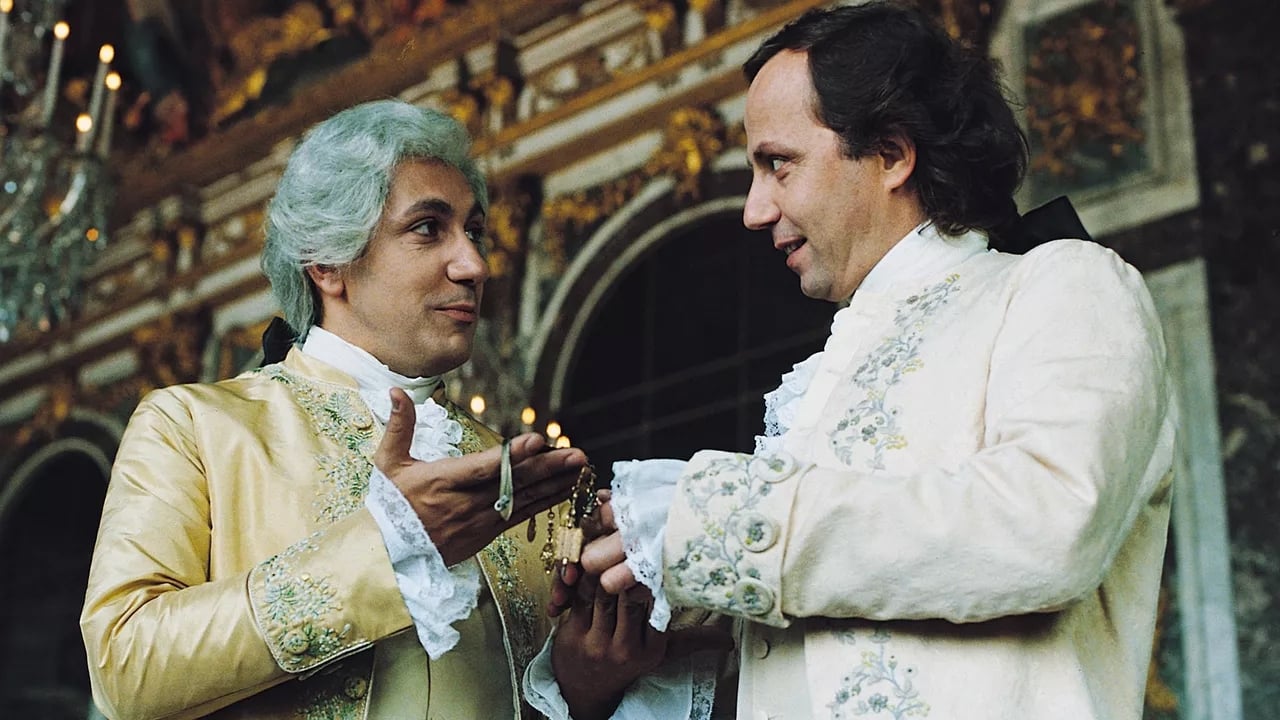
It arrives not with the thunder of a summer blockbuster, but with the sharp, quicksilver flash of rapier wit. Beaumarchais the Scoundrel (1996), or Beaumarchais, l'insolent as it was known in its native France, wasn't the kind of tape typically found stacked high near the checkout counter during the mid-90s rental boom. You likely had to search a little deeper, perhaps in the "Foreign Films" or "Drama" section, nestled between more familiar epics. Yet, discovering it felt like uncovering a small treasure – a vibrant, surprisingly modern portrait of a historical figure who refused to stay politely within the confines of his era. What lingers, long after the credits roll, is the sheer force of personality at its core, a whirlwind of ambition, intellect, and audacious charm.
### A Playwright Born of a Playwright
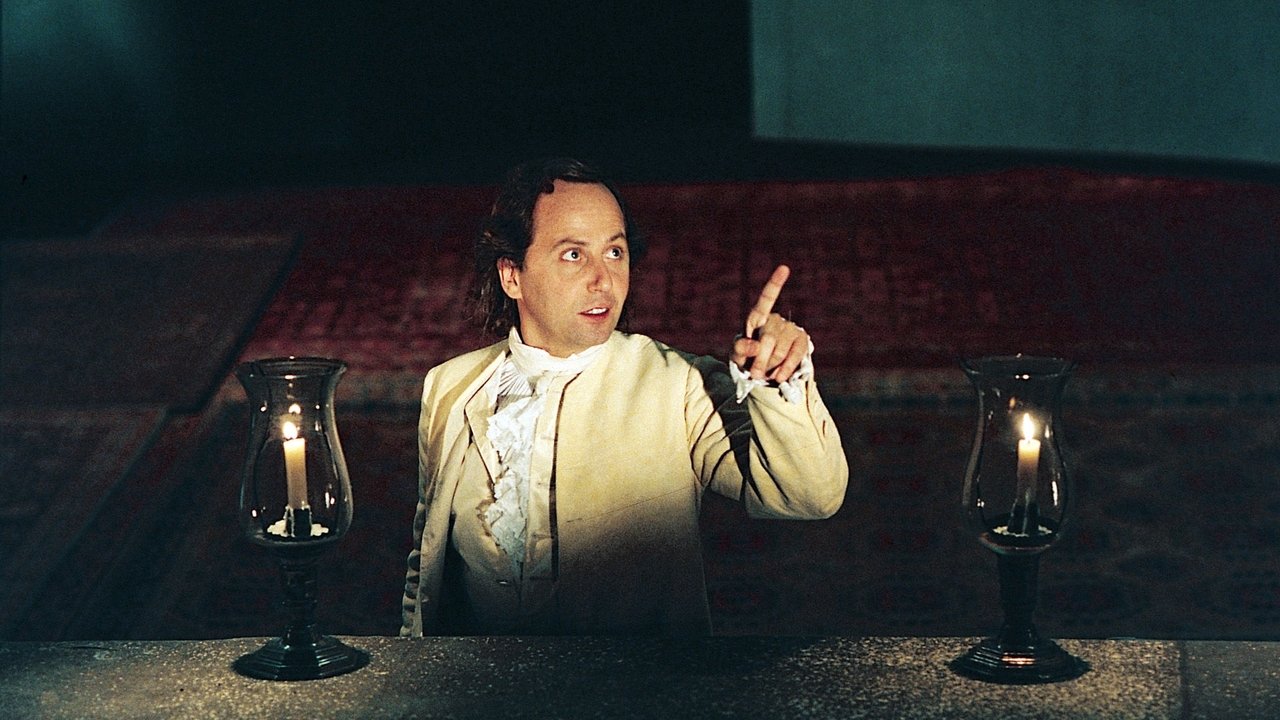
The film itself has an intriguing origin story, perfectly fitting its subject. It’s based on an unproduced play by the legendary French wit Sacha Guitry, a writer and filmmaker known for his sparkling dialogue and sophisticated comedies. Tasked with bringing this vision to life was director Édouard Molinaro, a name many might associate more readily with the groundbreaking comedy La Cage aux Folles (1978). It’s a fascinating pairing – Guitry’s historical reverence and verbal fireworks filtered through Molinaro’s experienced, if usually lighter, directorial hand. This wasn't just another costume drama; it carried the DNA of stagecraft and sharp repartee from its conception, focusing less on grand battles and more on the battlefield of words and ideas.
### The Irrepressible Force of Luchini
At the heart of this whirlwind stands Fabrice Luchini as Pierre-Augustin Caron de Beaumarchais. And what a performance it is. Luchini, already a respected figure in French cinema and theatre, doesn't just play Beaumarchais; he seems to channel him. His energy is boundless, his eyes darting with calculation and mischief, his delivery of the often complex, rapid-fire dialogue utterly commanding. He captures the contradictions of the man – the watchmaker turned playwright, the courtier turned revolutionary sympathizer, the spy, the arms dealer funding American independence, the relentless creator of iconic characters like Figaro and Count Almaviva. It’s a performance that feels lived-in, capturing the inherent theatricality of a man who understood that sometimes, the world itself is a stage demanding a grand performance. We see the intellect, yes, but also the vulnerability, the gambler's instinct, and the profound frustration with the societal constraints he constantly poked and prodded. Watching Luchini, you understand why this man could charm, infuriate, and ultimately persuade kings and revolutionaries alike.
### Wit as Weapon, History as Backdrop
The narrative weaves through pivotal moments in Beaumarchais's tumultuous life – his legal battles, his time spent navigating the treacherous waters of Louis XV's and later Louis XVI's courts, his crucial (and often overlooked) role in supplying the American Revolution, and, of course, the scandalous creation and eventual triumph of his play The Marriage of Figaro. Molinaro presents this sprawling history with a certain elegance. The production design and costumes effectively evoke 18th-century France without feeling overly stuffy or museum-like. There’s a lived-in quality to the sets, a sense that these opulent halls and dusty backrooms are places of genuine intrigue and human drama.
The film doesn't shy away from the complexities. Beaumarchais wasn't a simple hero; he was driven by ego as much as principle, by profit as much as patriotism. What makes the story so compelling, beyond Luchini's magnetic performance, is its exploration of how wit and words can become instruments of change, challenging entrenched power structures not just through overt rebellion, but through satire and intellectual audacity. Doesn't The Marriage of Figaro itself, with its clever servants outwitting their aristocratic masters, foreshadow the revolutionary storm brewing just over the horizon? The film subtly suggests this, letting the historical context simmer beneath the surface of personal ambition and artistic struggle. Supporting players like Sandrine Kiberlain as Marie-Thérèse de Willer-Mawlaz and Manuel Blanc as Gudin de La Brenellerie provide effective counterpoints to Luchini's central force, grounding the narrative in specific relationships and conflicts.
### A Different Kind of 90s Epic
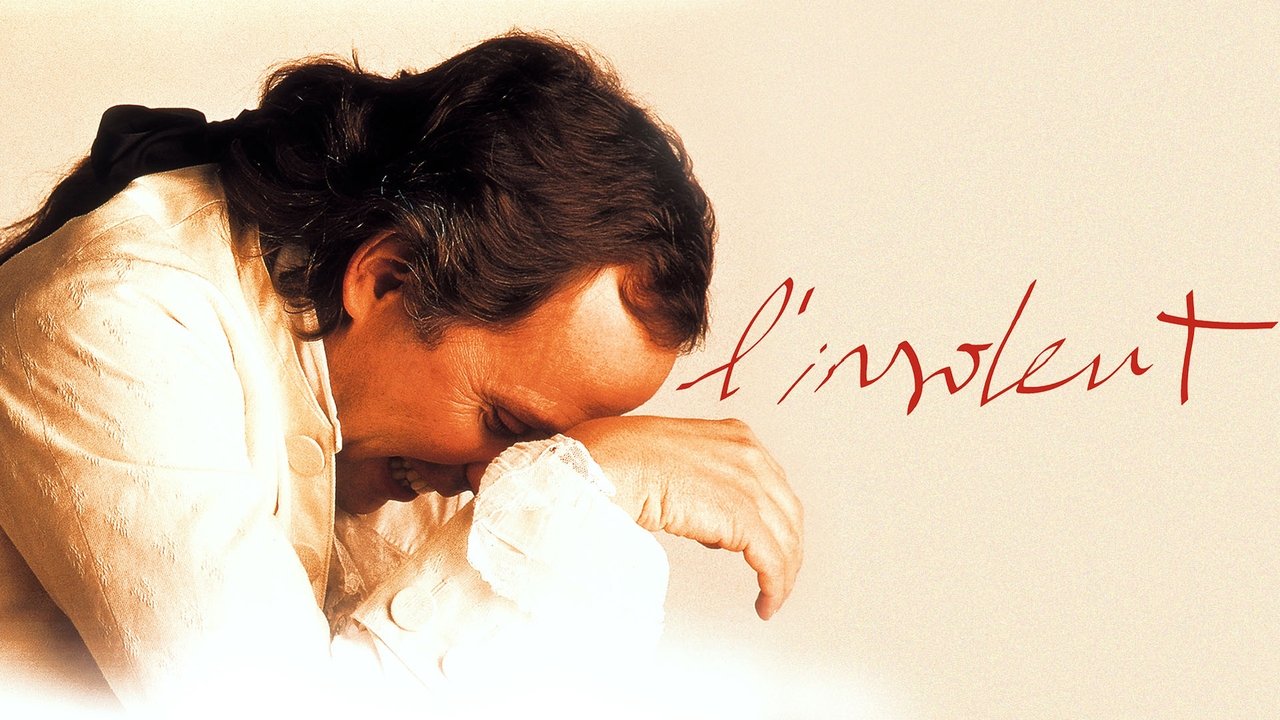
Landing in 1996, Beaumarchais the Scoundrel felt distinct from the Hollywood output dominating VHS shelves. It lacked the CGI spectacle or straightforward action beats common at the time. Its thrills were verbal, its battles fought in salons and courtrooms. Perhaps that's why it remains something of a hidden gem for many outside France. It demands attention, rewarding viewers with a rich tapestry of history, personality, and sparkling dialogue inherited from Guitry. Finding this tape felt like an invitation into a different kind of cinema – intelligent, verbose, and deeply rooted in character. It’s a reminder that epics don't always need swords and sorcery; sometimes, a sharp mind and a well-aimed bon mot are weapons enough. I recall renting it from a smaller independent store, the kind that had those slightly more unusual covers, and feeling rather sophisticated for having chosen it over the latest Stallone flick.
Rating: 8/10
This score reflects the film's towering central performance by Luchini, its intelligent script brimming with wit, and its handsome production values that bring 18th-century France vividly to life. It successfully navigates a complex historical figure and period with flair and intellectual depth. While Molinaro's direction is assured and serves the story well, it occasionally feels slightly conventional compared to the dynamism of its subject and star, preventing it from reaching absolute perfection. However, its strengths far outweigh any minor reservations.
Final Thought: Beaumarchais the Scoundrel remains a potent reminder that history is often shaped by individuals who refuse to be easily categorized – the restless, the brilliant, the audacious. It’s a film that celebrates the power of words and the enduring impact of a life lived with unapologetic verve, a spirit perfectly captured on that magnetic VHS tape.