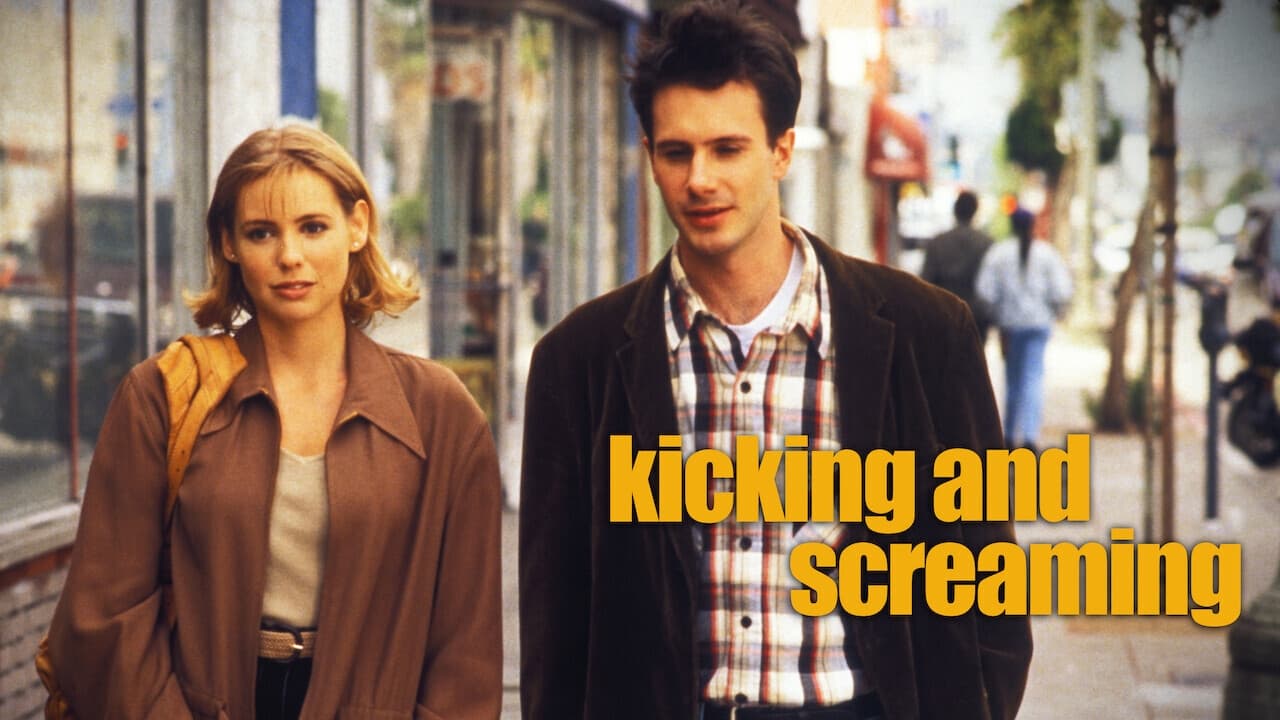
It starts not with a bang, but with a prolonged, articulate whimper. That might be the best way to describe the lingering feeling left by Noah Baumbach's 1995 debut, Kicking and Screaming. Watching it again now, decades removed from its mid-90s indie release, feels less like revisiting a specific story and more like stepping back into a particular state of mind – that post-collegiate paralysis where the future feels both terrifyingly vast and crushingly inert. It's a film that doesn't grab you by the collar, but rather settles beside you, sighs deeply, and starts talking... and talking.
### The Eloquence of Aimlessness
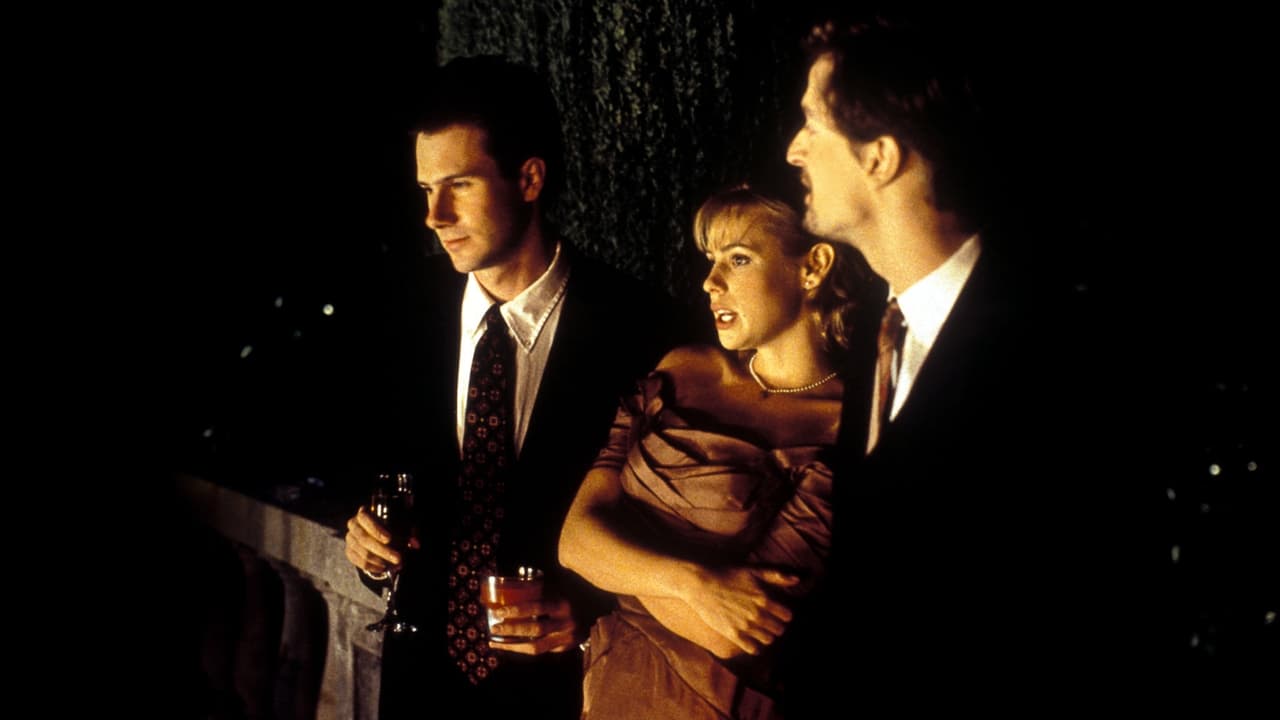
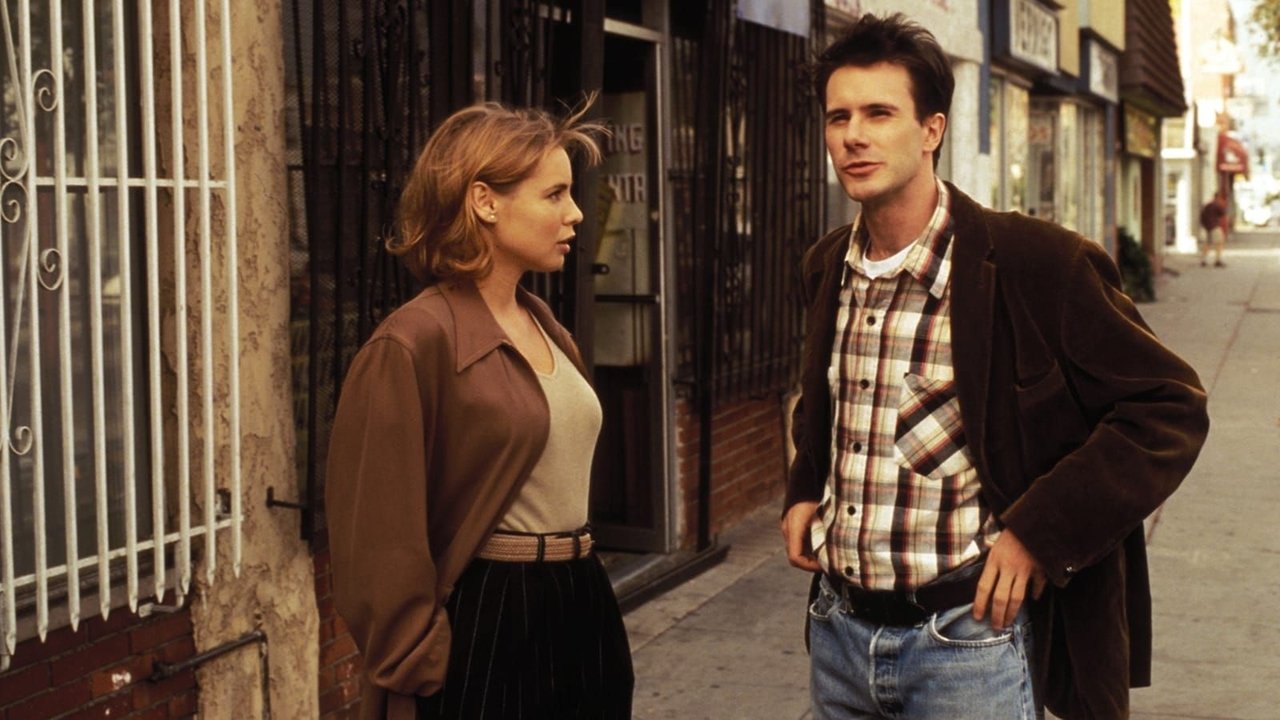
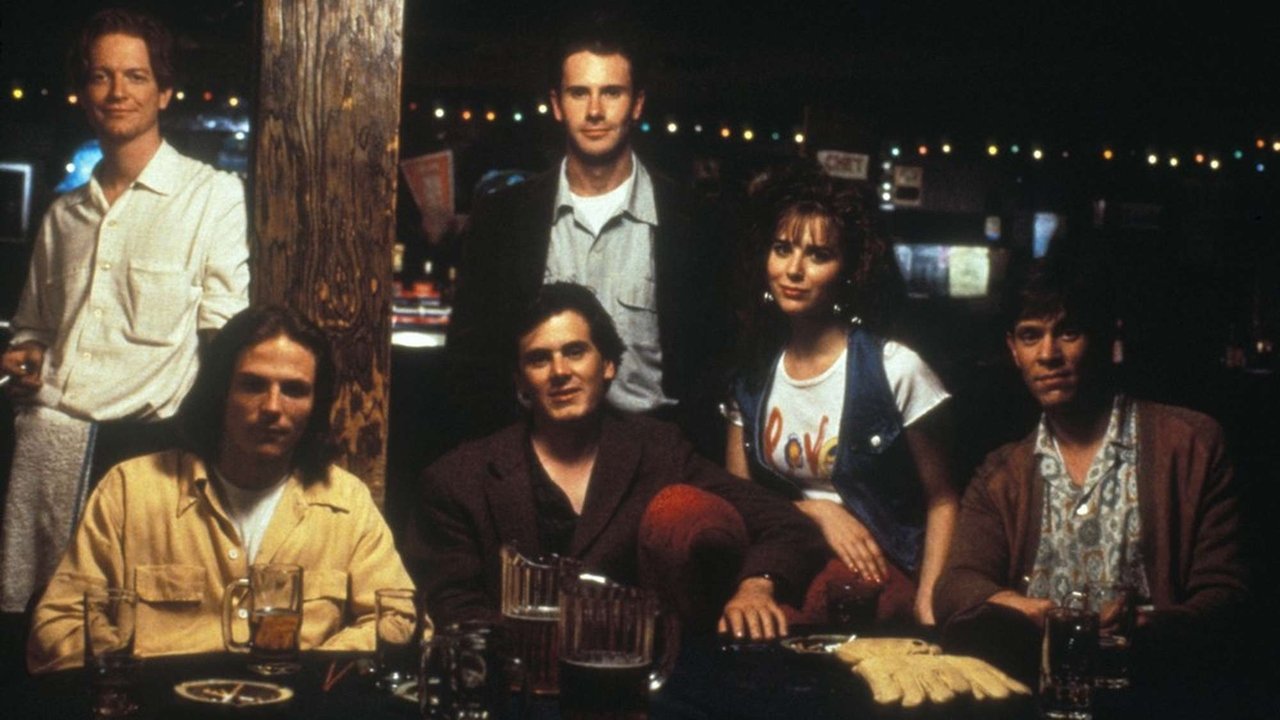
Set in the immediate aftermath of graduation, the film follows Grover (Josh Hamilton) and his circle of friends – Max (Chris Eigeman), Skippy (Jason Wiles), and Otis (Carlos Jacott) – as they deliberately choose not to move on. Grover's girlfriend, Jane (Olivia d'Abo), departs for a fellowship in Prague, leaving him stranded in their college town, clinging to the familiar routines and intellectual sparring that defined their undergraduate lives. What unfolds isn't so much a plot as a series of meticulously observed vignettes: late-night talks fueled by beer and existential dread, awkward encounters with lingering professors, futile attempts at romance, and endless, endless conversations that mistake cleverness for progress.
This film lives and breathes in its dialogue. Baumbach, just 26 when it premiered at the New York Film Festival, announced himself as a writer with a distinct voice – witty, literate, deeply self-aware, and often painfully funny in its depiction of intellectual insecurity masking emotional immaturity. It’s easy to see comparisons to Whit Stillman (Metropolitan, Barcelona), particularly with the casting of Stillman regular Chris Eigeman, who delivers Max's sardonic pronouncements with pitch-perfect ennui. Yet, Baumbach's world feels slightly less mannered, rawer around the edges, grounded in a recognizable anxiety that felt very specific to Generation X grappling with the transition to adulthood. Remember that feeling? The sense that you knew so much about literature or philosophy, but absolutely nothing about navigating the real world? This film is that feeling.
### Navigating the Post-Grad Limbo
What makes Kicking and Screaming resonate, even now, is its commitment to the uncomfortable truth of aimlessness. These aren't characters striving for grand goals; they're actively resisting the pull of the future. Grover's inability to let go of Jane, Max's cynical detachment, Skippy's academic inertia, Otis's quiet anxieties – they all stem from a fear of the unknown, a preference for the devil they know (the suffocating comfort of the college bubble) over the vast uncertainty beyond.
Josh Hamilton anchors the film with a performance of remarkable vulnerability. His Grover isn't always likable – he can be passive-aggressive, self-pitying, and infuriatingly indecisive – but Hamilton makes his stasis utterly believable. You see the intelligence warring with the insecurity, the longing for connection battling the fear of commitment. The supporting cast is equally strong, embodying different facets of this arrested development. Olivia d'Abo gives Jane a quiet strength and resolve that contrasts sharply with Grover's flailing, making her departure feel both inevitable and necessary. And who could forget Eric Stoltz's recurring role as Chet, the perpetually returning student and bartender, offering cryptic, slightly smug advice? Stoltz, already a recognizable face from films like Some Kind of Wonderful and Pulp Fiction, adds a layer of weary wisdom (or perhaps just weariness) to the proceedings.
### Behind the Wit: Indie Roots and Real Feelings
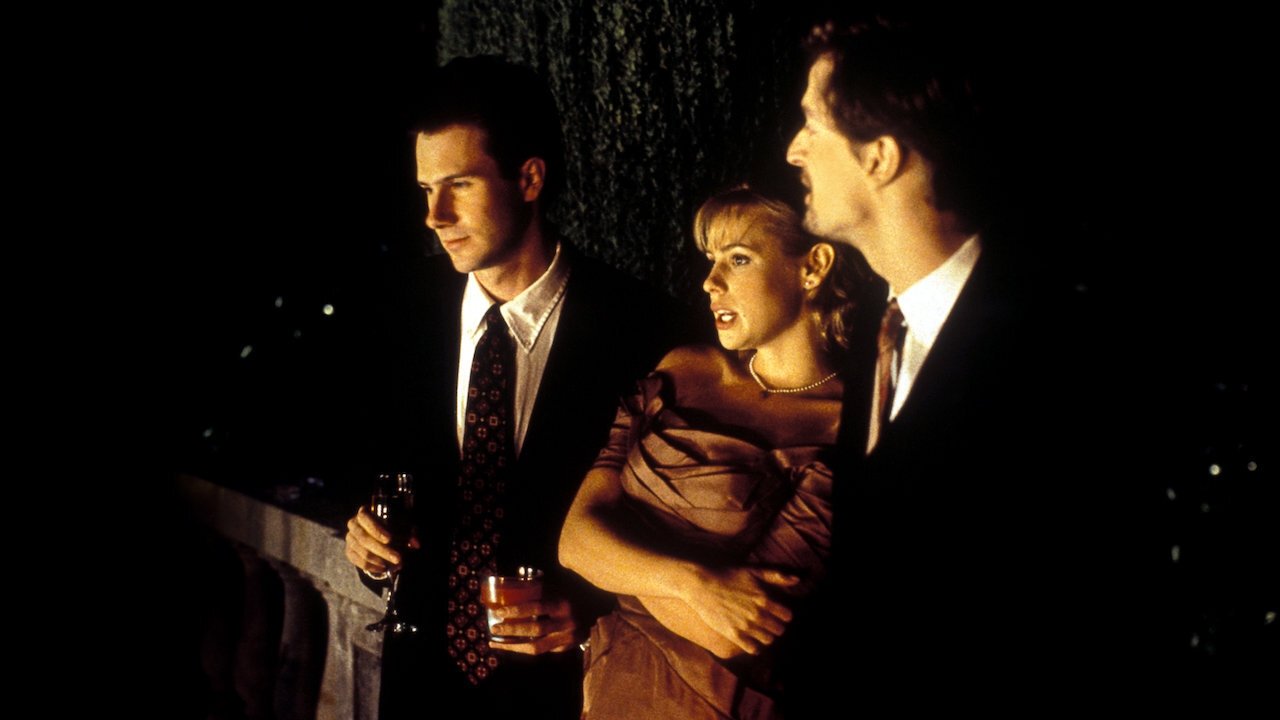
Filmed not at Baumbach's alma mater Vassar, but at Occidental College in Los Angeles (likely a pragmatic choice for production logistics), the film carries the unmistakable fingerprint of mid-90s American independent cinema. Made for a reported $1.3 million – peanuts even then (roughly $2.6 million today) – it relies on character and dialogue rather than spectacle. Its box office take was modest, around $700k, but its impact resonated within the indie scene and earned Baumbach significant critical notice, with reviewers like Janet Maslin of The New York Times praising its sharp writing. It felt like a dispatch from a very specific cultural moment.
One fascinating bit of trivia is the film's title, borrowed from a line in W.H. Auden's poem "Archaeology": Knowledge may have its purposes, but guessing is always / more fun than knowing. It perfectly encapsulates the characters' predicament – they possess knowledge, endlessly debating trivia and dissecting relationships, but they actively avoid the messy, uncertain business of knowing what to do next, preferring the intellectual game of guessing. Did you know Baumbach actually wrote the script while experiencing his own post-college drift? That autobiographical authenticity bleeds through every scene.
### Lasting Echoes
Does Kicking and Screaming feel dated? In some ways, inevitably. The specific cultural references, the fashion, the sheer angst might feel very '90s. But the core emotional truths – the fear of change, the difficulty of letting go, the way we sometimes use words to build walls instead of bridges – remain remarkably relevant. It captures that specific, often painful, transition period with an honesty that’s both uncomfortable and deeply recognizable. It doesn't offer easy answers or neat resolutions, which might frustrate some viewers, but feels entirely true to the experience it portrays. What does linger, long after the credits roll, is the echo of those voices, still talking, still searching, caught somewhere between where they were and where they're supposed to be going. Doesn't that uncertainty feel timeless?
Rating: 7/10
Justification: While its deliberate pacing and navel-gazing characters might not appeal to everyone, Kicking and Screaming is a sharp, funny, and painfully authentic snapshot of post-graduate ennui. Its strength lies in Baumbach's distinctive voice, the naturalistic performances (especially Hamilton and Eigeman), and its unflinching portrayal of intellectual insecurity masking emotional paralysis. It earns its points for being a confident, well-written debut that captures a specific feeling with honesty, even if its narrative scope feels intentionally limited. It's a quintessential mid-90s indie film that still resonates with anyone who's ever felt stuck.
Final Thought: A film less about kicking and screaming, and more about the quiet, articulate paralysis that sometimes follows the closing of one chapter, before you’ve figured out how to even open the next.