It arrives not with a bang, but with the infectious thud of a house beat and a flash of vibrant, slightly mismatched couture. There’s a certain kind of film discovery, often made wandering the aisles of a beloved video rental store, that feels less like choosing a movie and more like stumbling into a specific, electrifying moment in time. For many of us, Party Girl (1995) was exactly that kind of find – a burst of mid-90s downtown New York energy packaged in a standard-play VHS cassette. It’s a film that, even now, feels less like a narrative and more like hanging out with the coolest, most captivatingly chaotic person you knew back then.
From Club Kid to Card Catalog
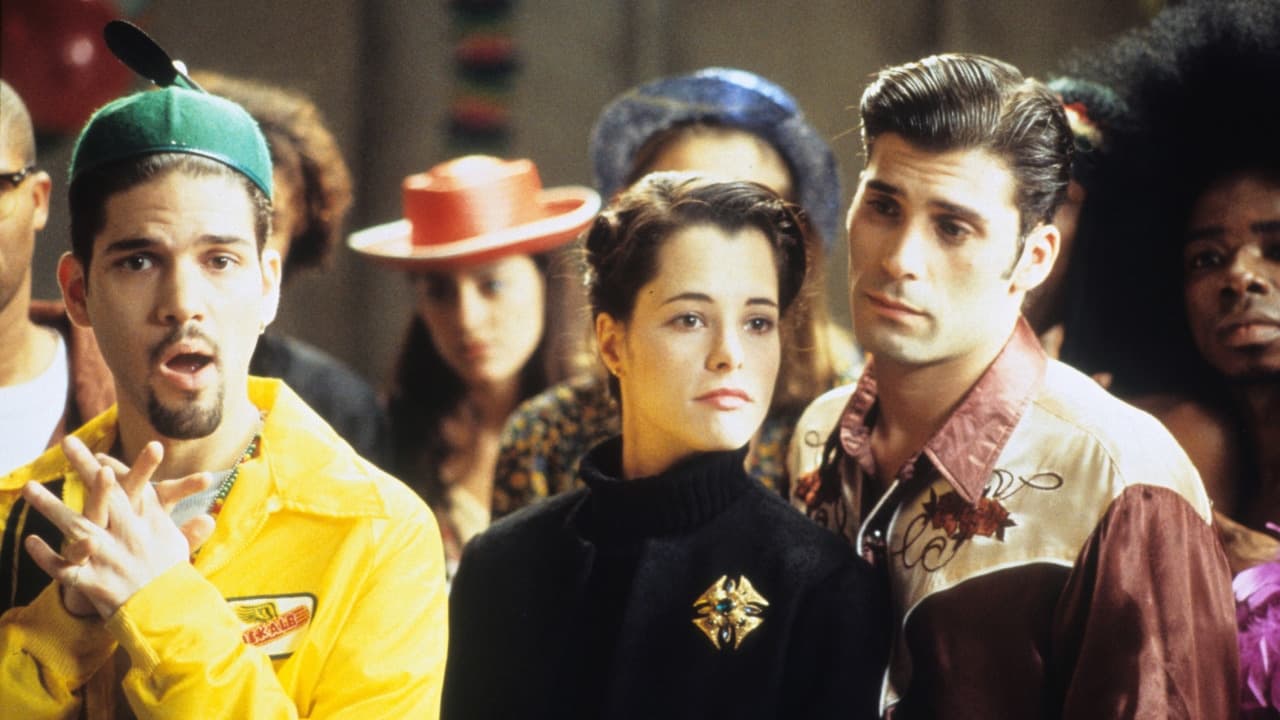
At the swirling center of this indie gem is Mary, brought to incandescent life by Parker Posey in the role that arguably cemented her as the undisputed queen of 90s independent cinema. Mary is a force of nature: effortlessly stylish in a way that screams thrift store chic meets haute couture, perpetually ready for the next party, and charmingly oblivious to the concept of responsibility. She floats through life on a cloud of charisma and borrowed cash until one illegal rave too many lands her in jail and indebted to her godmother Judy (Sasha von Scherler, director Daisy von Scherler Mayer's actual mother, adding a layer of lived-in familiarity). Judy, a librarian of stern but ultimately understanding demeanor, offers Mary a lifeline: a job as a clerk at the public library. The juxtaposition is immediate and delicious – the vibrant, nocturnal creature blinking in the fluorescent austerity of organized knowledge.
The Posey Phenomenon
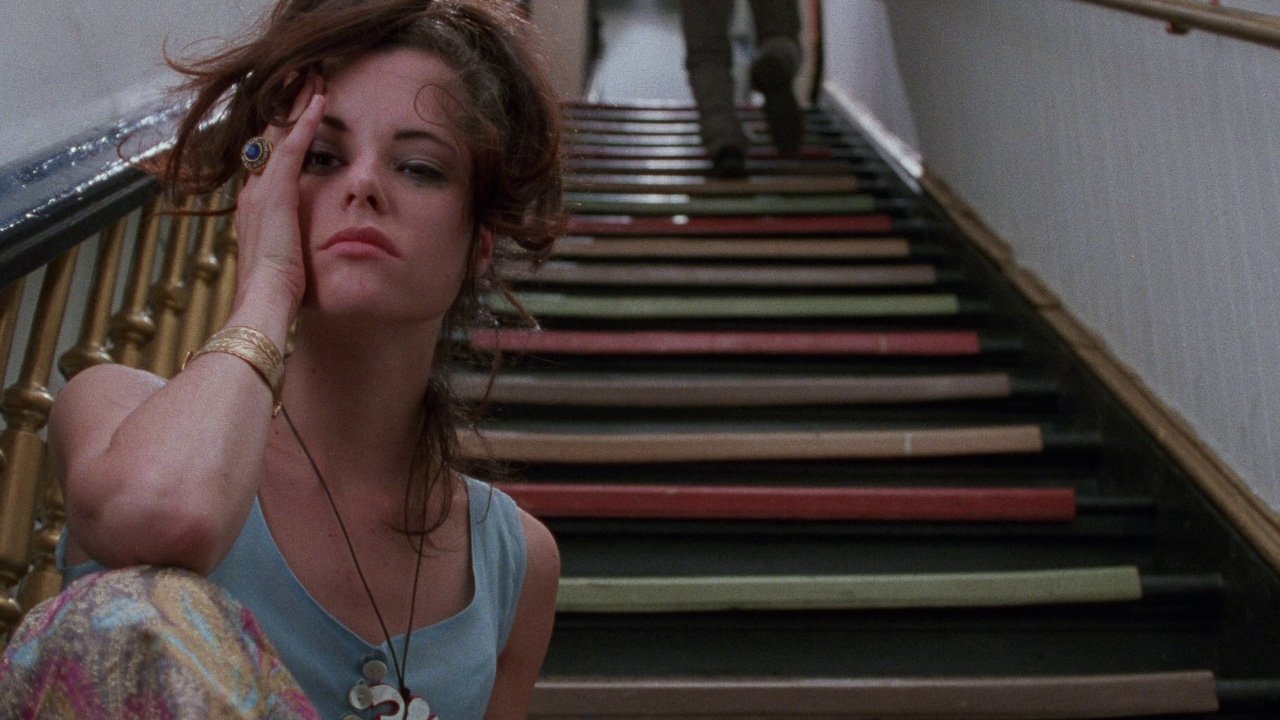
It’s impossible to discuss Party Girl without focusing on Parker Posey. This isn't just acting; it's embodiment. Posey doesn't just play Mary; she is Mary, navigating the character's whirlwind energy, sharp intelligence (often hilariously misapplied), and burgeoning sense of self with a captivating blend of vulnerability and sheer magnetic force. Watch her meticulously organize her wardrobe by color and season – it’s the same focused intensity she eventually brings to mastering the Dewey Decimal System. It’s in these small moments, the flick of an eye or the precise way she hangs up a coat, that Posey reveals the thinking, feeling person beneath the party-girl facade. Her comedic timing is impeccable, but it’s the flashes of genuine confusion and eventual dawning awareness that give the film its heart. So much of the film's iconic look was reportedly influenced by Posey herself, blurring the lines between actress and character in a way that felt utterly authentic to the indie spirit of the time.
Finding Order in Chaos
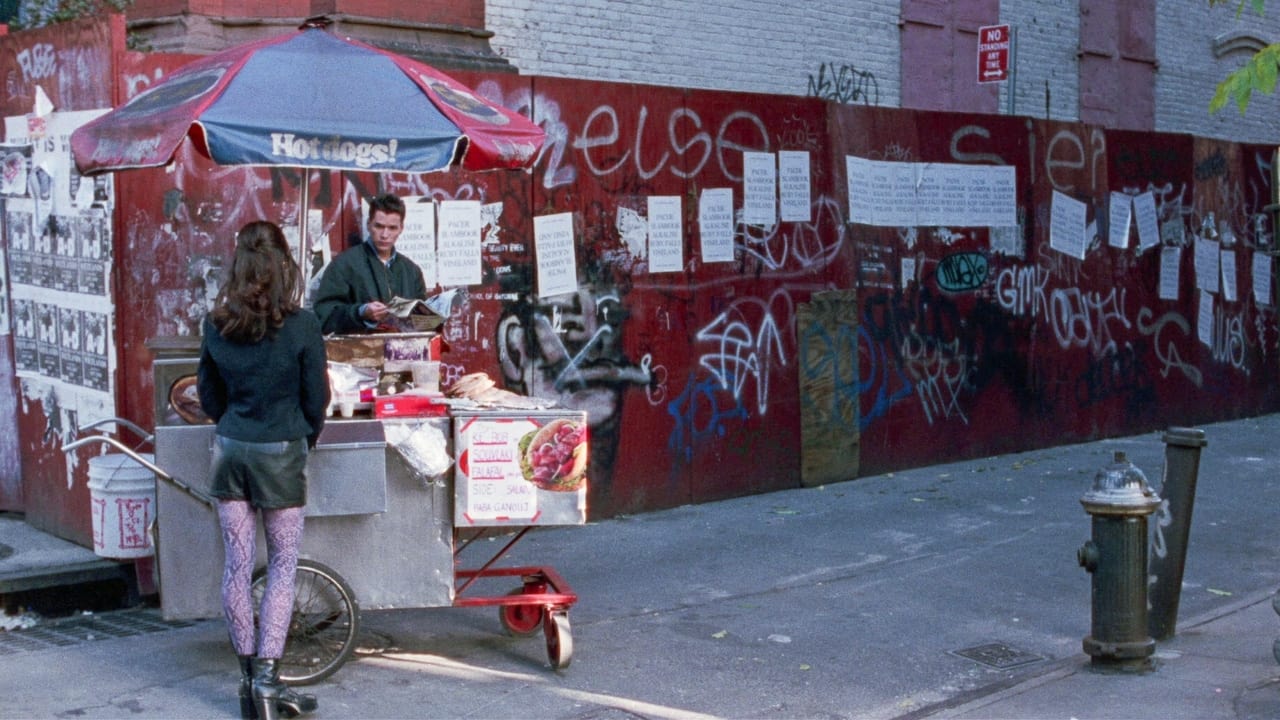
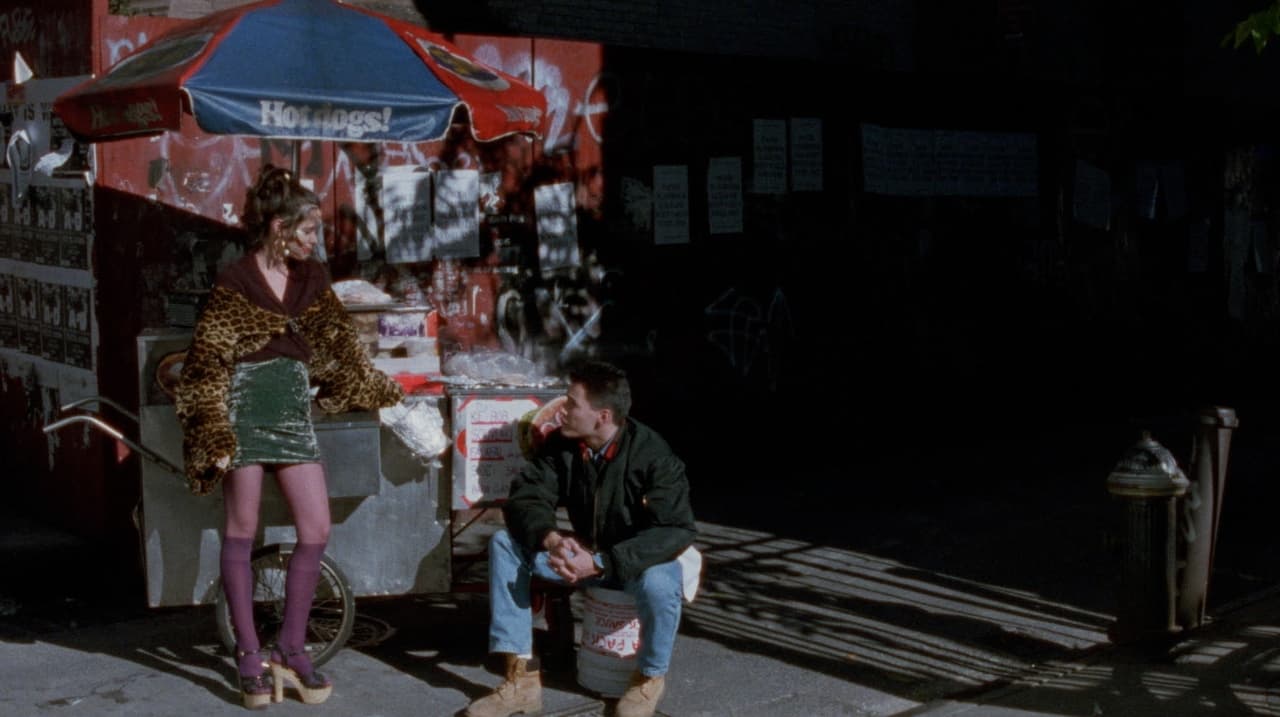
What elevates Party Girl beyond a simple fish-out-of-water comedy is its surprisingly sweet exploration of finding one's place. Initially, Mary treats the library like another venue to conquer, flirting with the Lebanese falafel vendor Mustafa (Anthony DeSando, bringing a quiet charm) and attempting to apply her party-organizing logic to book stacks. Yet, slowly, something clicks. The film cleverly suggests that the skills required to be a successful social butterfly – organization, memory, connecting people (or books) – aren't so different from those needed to be a good librarian. Director Daisy von Scherler Mayer, making her feature debut, captures this transition with a light touch and a fantastic eye for the visual details that defined the era. The contrast between the pulsing, vibrant club scenes and the quiet, almost sacred atmosphere of the library is beautifully handled. It never feels like Mary is abandoning who she is, but rather discovering a new, unexpected dimension to herself. Supporting characters like fellow librarian-in-training Leo (Guillermo Díaz, radiating awkward cool) add to the film's warm, quirky ensemble feel.

Style, Sound, and a Slice of History
Let’s talk aesthetics. Party Girl is a time capsule of mid-90s cool. The fashion, curated by Michael Clancy, is legendary – a riot of vintage finds, bold colors, and playful silhouettes that perfectly encapsulate Mary's personality. And the soundtrack! Featuring tracks from the likes of Tom Tom Club, Deee-Lite, Run-DMC, and Ultra Naté, it’s an irresistible mix that drives the film's energy and anchors it firmly in its era. Re-watching it now feels like stepping back onto a specific dance floor, the music instantly recognizable and evocative.
Here’s a fascinating piece of trivia that feels almost paradoxical given our VHS-centric nostalgia: Party Girl holds the distinction of being the first feature film to debut commercially via the internet, in 1995. Imagine that! While many of us discovered it later on worn-out rental tapes, its initial release was a pioneering moment in digital distribution, a strange premonition of the streaming world to come, launched from the heart of the analog decade. It's a detail that adds a curious layer to its status as a beloved physical media artifact.
Beyond the Surface
While undeniably light and charming, Party Girl gently touches on themes of maturity, purpose, and the value of knowledge and community. It doesn't preach, but rather observes Mary's journey with affection. Does she completely transform? Perhaps not entirely, but she finds a way to integrate her innate talents into a world she initially dismissed. The library, often seen as a stuffy institution, becomes a place of unexpected belonging and self-discovery. It's a reminder that sometimes, the most fulfilling paths are the ones we never expected to take. Isn't there something deeply relatable about finding structure and meaning in surprising places?
The Verdict
Party Girl remains a joyfully infectious watch. It’s buoyed by an iconic, career-defining performance from Parker Posey, a killer soundtrack, and a genuine sweetness that never feels saccharine. It perfectly captures a specific downtown NYC moment, balancing its vibrant style with surprising heart. While the plot might be relatively simple by today's standards, its charm, energy, and sheer rewatchability are undeniable. It’s a film that understands the difference between growing up and merely growing older.
Rating: 8/10
Justification: The score reflects the film's enduring cult status, Parker Posey's phenomenal central performance, its definitive capture of 90s indie style and energy, and its sheer feel-good charm. While the narrative isn't deeply complex, its execution, heart, and iconic lead make it a standout gem of the era.
Final Thought: More than just a movie, Party Girl feels like rediscovering a favorite mixtape – instantly familiar, bursting with energy, and guaranteed to put a smile on your face. It leaves you wondering not just about Mary's future, but about the unexpected ways we all find our own systems for navigating the beautiful chaos of life.