The flickering streetlights of a New York City that feels both intimately familiar and chillingly alien cast long shadows. Philosophy student Kathleen Conklin (Lili Taylor) walks through them, immersed in thought, only to be abruptly pulled into an alley. What happens next isn't just an assault; it's a violation that sinks deeper than flesh, an infection of the soul delivered by a chillingly elegant predator (Annabella Sciorra). This is the brutal, intellectual entry point into Abel Ferrara's 1995 monochrome nightmare, The Addiction – a film that eschewed gothic castles for grimy alleys and traded romantic longing for existential dread, leaving a stain on the mind long after the VCR whirred to a stop.
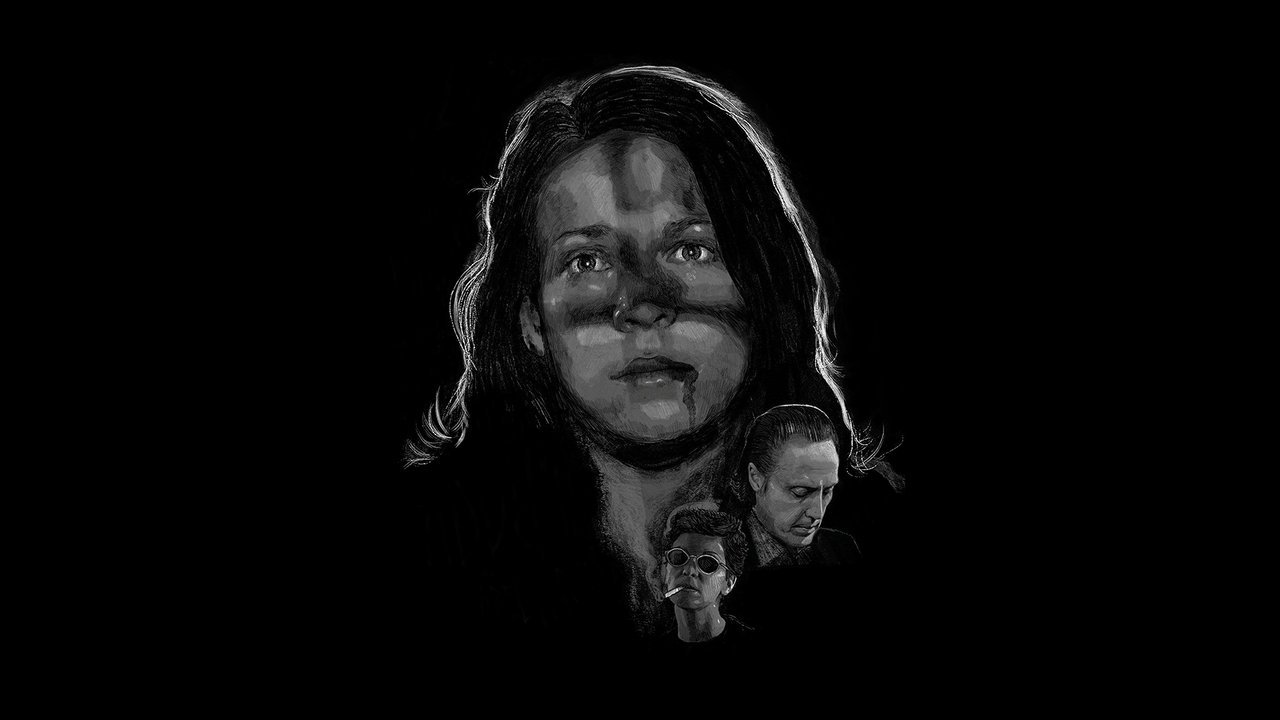
A Hunger Beyond Blood
Forget capes and crypts. The Addiction posits vampirism not as a supernatural curse, but as the ultimate metaphor for addiction itself – a consuming need that overrides morality, reason, and identity. Lili Taylor, in a performance that remains utterly riveting, charts Kathleen's terrifying metamorphosis. Initially horrified by her burgeoning thirst, she intellectualizes it, using Nietzsche, Heidegger, and Sartre to rationalize her descent. Her philosophy doctorate studies become a framework for understanding her monstrousness, a chilling commentary on how easily academic detachment can curdle into justification for atrocity. Taylor makes Kathleen’s struggle palpable – the sweats, the shakes, the desperate attempts to control an urge that’s rewriting her very being. Doesn't that transformation still feel... violating, watching her wrestle with something so fundamentally consuming? It’s a raw, fearless performance that anchors the film’s bleak thesis.
Ferrara's Monochrome Wasteland
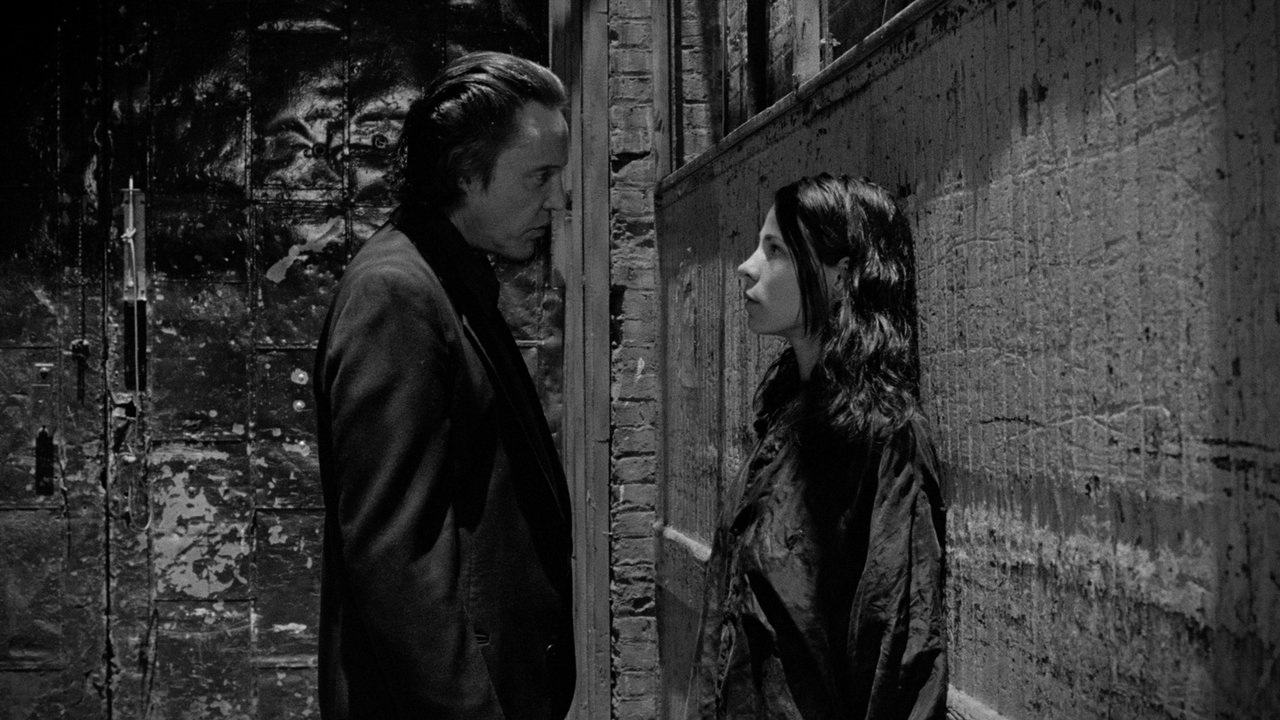
Shot in stark, unforgiving black and white by cinematographer Ken Kelsch, The Addiction presents a New York City stripped of glamour. This isn't the vibrant metropolis of rom-coms; it's a concrete purgatory, mirroring Kathleen's internal decay. Abel Ferrara, ever the chronicler of urban rot and spiritual crises (think Bad Lieutenant (1992) or King of New York (1990)), uses the city's textures – the graffiti-scarred walls, the desolate late-night streets, the claustrophobic university halls – as integral parts of the horror. The choice of black and white wasn't just aesthetic; it was likely born partly from the film's notoriously low budget (rumored to be around $500,000), forcing a raw, documentary-like immediacy. Ferrara, known for his often guerrilla-style filmmaking, turned limitation into strength, creating an atmosphere thick with unease. Remember how potent that stark black and white looked, even on a fuzzy CRT screen back in the day? It bypassed the gloss of bigger productions and hit somewhere more primal.
Philosophy Bites Back
The script, penned by Ferrara's frequent collaborator Nicholas St. John, is dense with philosophical and theological debate. Kathleen attends lectures, argues with professors, and fills notebooks with existential angst even as her physical needs become monstrous. This intellectual grappling is what sets The Addiction apart. It suggests that evil isn't just a primal urge, but something we can reason ourselves into. The horror isn't just in the biting, but in the horrifying clarity with which Kathleen articulates her fall. And then there's Christopher Walken. His brief, unforgettable appearance as Peina, an elder vampire Kathleen encounters, is a masterclass in chilling charisma. His monologue, delivered with that signature unsettling cadence, cuts through Kathleen's intellectualizations, laying bare the brutal reality of their shared condition:
"My indifference is not political. It's transcendent."
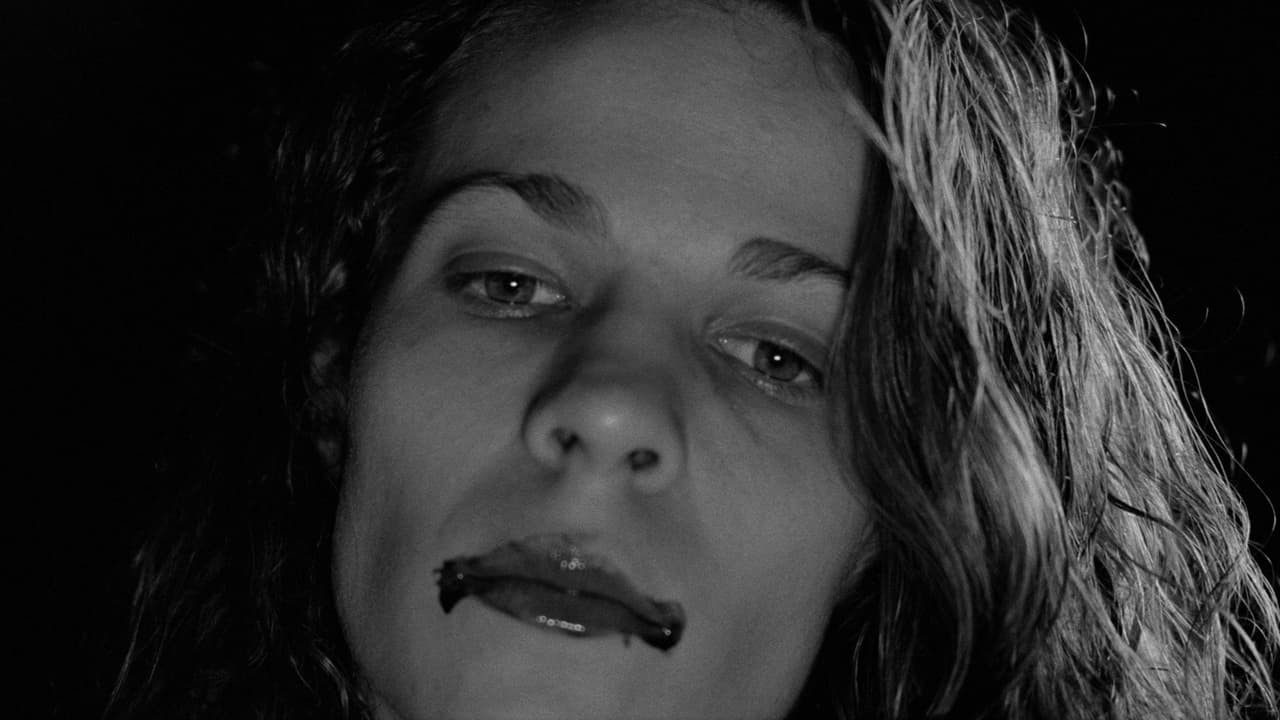
Walken’s scene is a jolt of pure, nihilistic energy, a reminder that beneath the philosophy lies an ancient, predatory emptiness. Apparently, Walken nailed his intense scene quickly, embodying the weary power of his character with an almost effortless menace that left the crew captivated.
Low-Budget Gore, High-Concept Horror
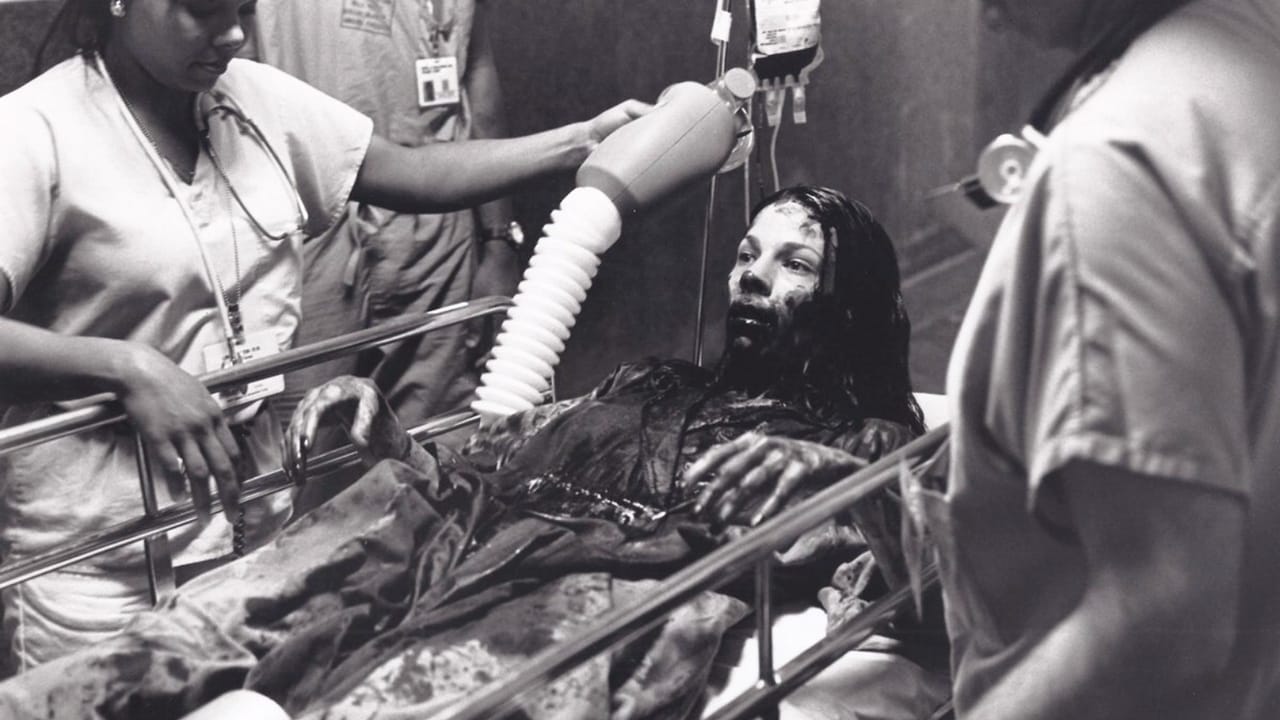
The film doesn't shy away from the visceral, though its low budget means the gore, when it comes, feels stark and ugly rather than polished. The bites are savage, the aftermath messy. The climactic sequence – a grotesque "graduation party" where Kathleen and her newly turned brethren unleash their hunger upon unsuspecting academics – is a chaotic explosion of violence that feels both shocking and bleakly inevitable. The practical effects have that tangible, unsettling quality so common in the best low-budget horror of the era – less slick, perhaps, but arguably more disturbing for their rawness. It's a far cry from the stylized bloodletting of Anne Rice adaptations popular around the same time; Ferrara forces you to confront the ugliness head-on. This film wasn't made to comfort; it was made to confront.
Lingering Chill
The Addiction wasn't a mainstream hit upon release, premiering at Sundance and garnering respect from critics intrigued by its philosophical weight, but largely finding its audience on home video. It became a quintessential cult classic, the kind of tape passed between friends with a hushed warning about its intensity. It’s a challenging film, demanding engagement with its bleak ideas and refusing easy answers. It doesn't offer the catharsis of staking the monster; it suggests the monster might be woven into the fabric of human nature itself, fed by our rationalizations and desires. It remains a unique, potent entry in the vampire subgenre, less about folklore and more about the darkness we invite into ourselves.

Rating: 8/10
This score reflects the film's undeniable power, Lili Taylor's phenomenal lead performance, its unique philosophical depth, and its masterful, atmospheric direction on a shoestring budget. It loses a couple of points perhaps for its unrelenting bleakness and dense philosophical discourse, which might alienate some viewers expecting more traditional horror thrills. However, its intelligence and unsettling mood are precisely what make it linger.
The Addiction is a cold-sweat film, an intellectual horror piece that uses vampirism to probe the dark corners of the human condition. It’s the kind of movie that crawls under your skin and stays there, making you question the nature of hunger, compulsion, and the justifications we build against the void. A true gem from the shadows of 90s independent cinema.