Some images burrow under your skin and stay there, festering. The opening moments of Buddy Giovinazzo's 1986 ordeal, Combat Shock, do just that. It's not the jungles of Vietnam glimpsed in flashback that haunt the most, but the gaunt, hollowed-out face of Frankie Dunlan, played with unnerving vacancy by the director's brother, Rick Giovinazzo. His thousand-yard stare isn't just looking back at horrors past; it’s gazing into a present-day abyss of urban decay and crushing poverty, a nightmare arguably worse than the warzone he survived. Forget glossy 80s escapism; this is a descent into the grime.
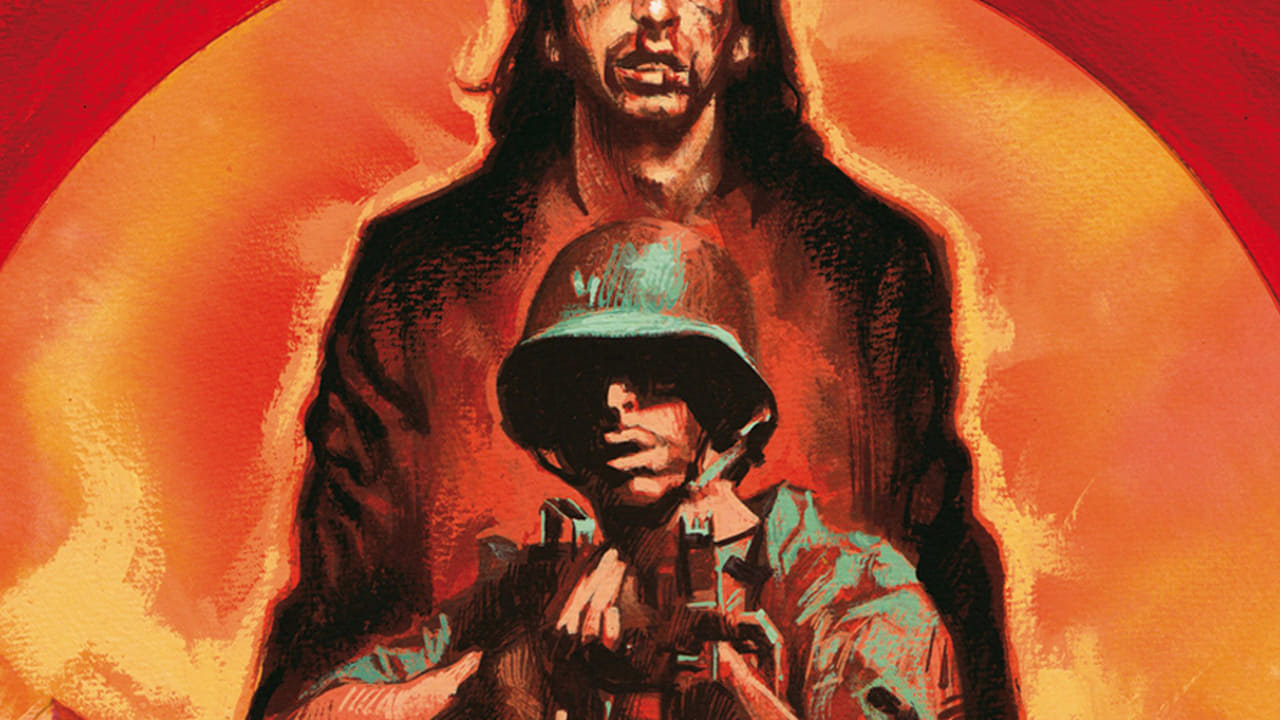
Originally shot on 16mm under the far more evocative title American Nightmares, the film feels less like a narrative feature and more like a raw nerve exposed. Giovinazzo, then a film student, scraped together a reported $40,000 budget, and every single cent of that limitation feels plastered onto the screen. This isn't slick Hollywood poverty; it's the genuine article – peeling paint, overflowing trash, the claustrophobia of a Staten Island tenement that feels like it's actively trying to suffocate its inhabitants. The low budget wasn't just a constraint; it became part of the film's horrifyingly authentic texture.
Into the Depths
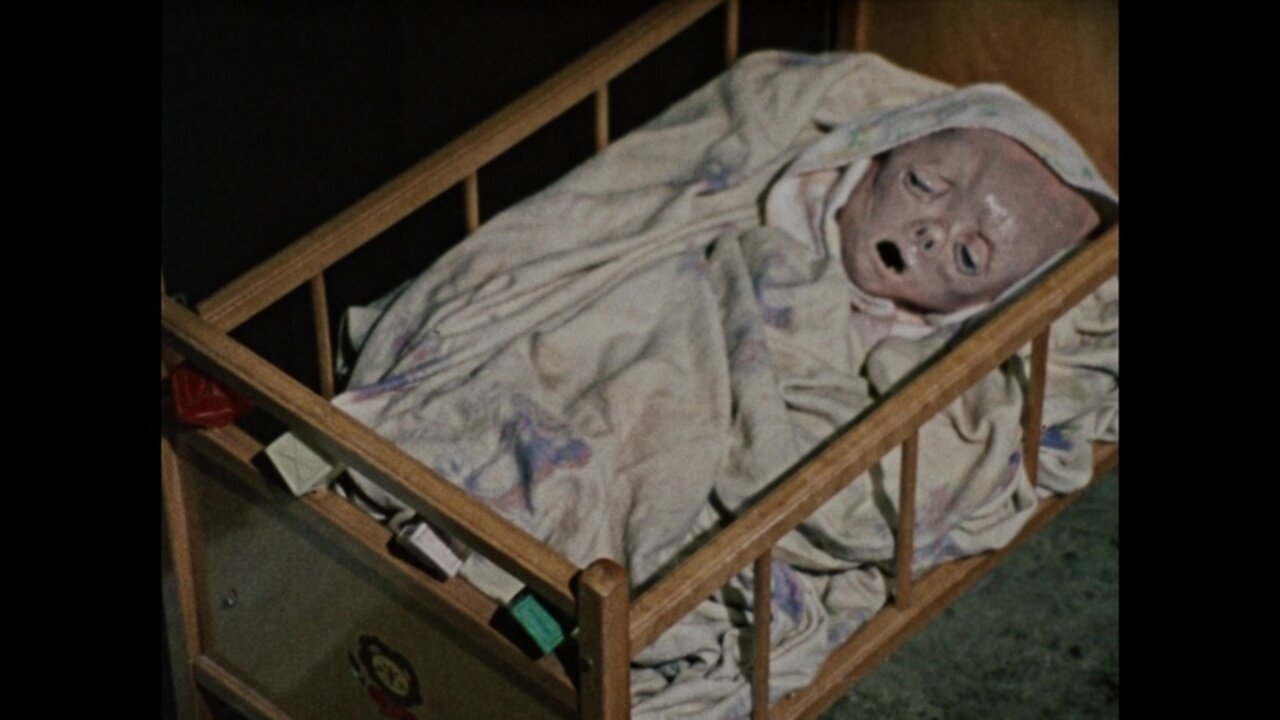
Frankie is a Vietnam vet adrift. Haunted by memories of napalm, lost comrades, and the lingering effects of Agent Orange – manifesting horrifically in his perpetually sick, deformed infant child – he’s trapped in a cycle of unemployment, addiction, and despair. His wife, Cathy (Veronica Stork), tries to maintain a semblance of normalcy, but hope is a currency long depleted in their world. The constant, piercing wail of their baby becomes the film's inescapable soundtrack, a relentless audio assault that mirrors Frankie’s fracturing psyche. It's said the real baby used on set was incredibly difficult, adding an unintended layer of cinéma vérité misery to the already harrowing production.

The film follows Frankie over a single, grueling day as he tries, and fails, to find work, score drugs, and borrow money from his estranged, equally damaged father. Every interaction is fraught with tension, desperation, or outright hostility. Giovinazzo doesn't shy away from the ugliness – not just the physical squalor, but the moral decay that poverty breeds. Frankie encounters junkies, dealers, pimps, and indifferent bureaucrats, each encounter another turn of the screw driving him closer to the edge. There’s a scene involving a desperate act to get money that remains profoundly disturbing, less for graphic violence and more for its sheer, bleak necessity in Frankie’s eyes.
A Different Kind of Shock
Picked up by Troma Entertainment, the infamous purveyors of schlock classics like The Toxic Avenger (1984), the film was retitled Combat Shock to perhaps capitalize on the post-Vietnam action/drama trend ignited by films like First Blood (1982). But anyone expecting Rambo-esque catharsis was in for a rude awakening. This isn’t about heroic struggles or finding redemption; it’s about the complete and utter disintegration of a human being failed by the system and haunted by his past. Troma’s typically lurid marketing might have promised exploitation, but the film delivers something far more unsettling: a portrait of inescapable social horror.
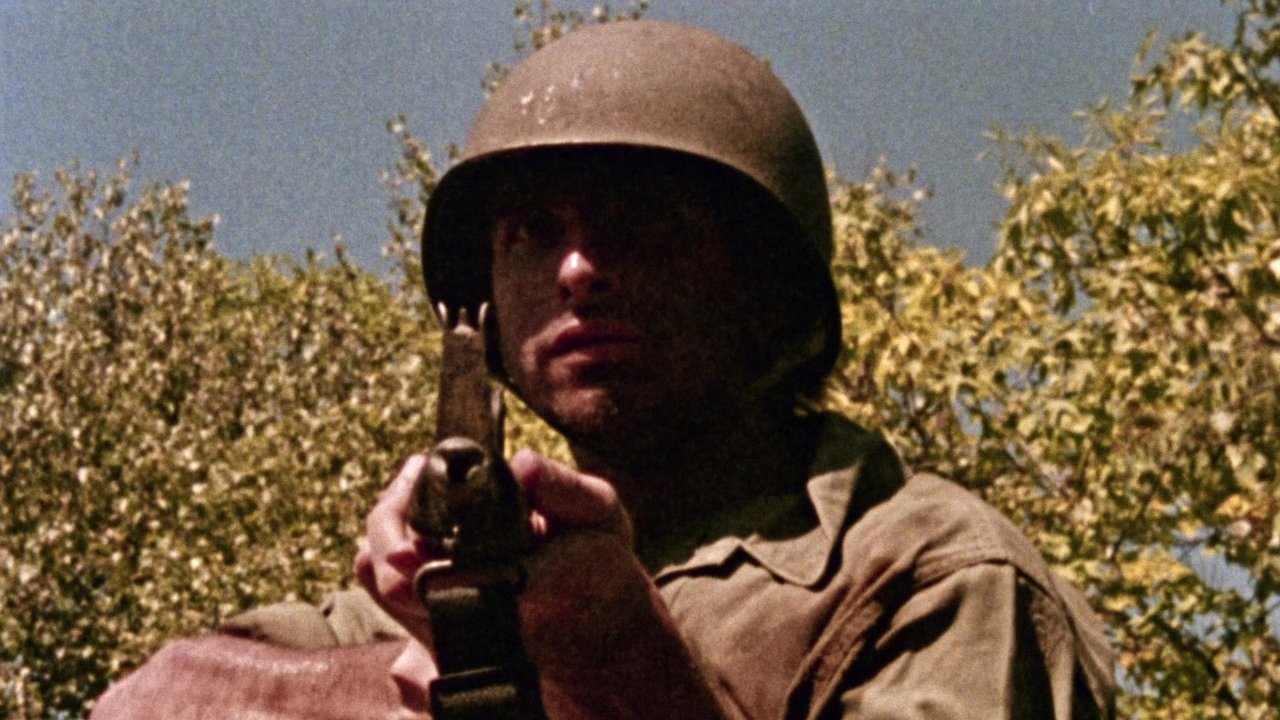
The filmmaking itself is raw, almost primitive. The editing can be choppy, the sound mix occasionally rough. Yet, these technical shortcomings somehow amplify the film's power. It feels urgent, unfiltered, like a desperate message smuggled out from the fringes. Rick Giovinazzo's performance is key; it lacks polish but possesses a terrifying authenticity. He embodies Frankie’s numbness, his simmering rage, and his profound, soul-crushing sadness. You don't just watch his breakdown; you feel trapped inside it with him. Did his vacant stare ever truly leave you after the credits rolled?
The Weight of Despair
Combat Shock is not an easy watch. It's relentlessly bleak, bordering on nihilistic, and its infamous ending (Spoiler Alert! though honestly, the whole film telegraphs impending doom) is a gut punch that leaves you feeling hollowed out. There's no release, no catharsis, just the suffocating weight of despair. It's a film that polarized audiences and critics upon release, often dismissed for its low-budget aesthetic or its punishing tone. Its IMDb score sits stubbornly in the mid-range, reflecting its divisive nature even today.
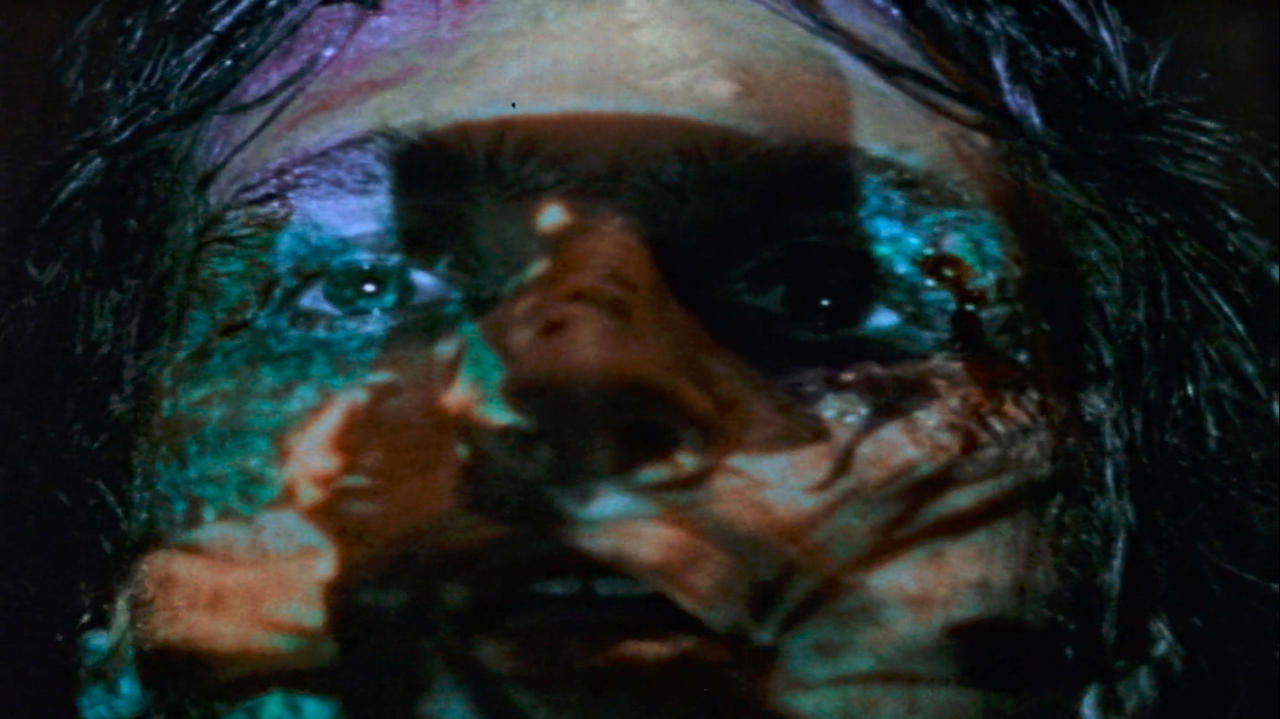
Yet, its power is undeniable. It’s a brutally honest look at the ignored casualties of war – not just those left on the battlefield, but those abandoned back home, wrestling with trauma in environments that offer no solace. It captures a specific kind of urban decay and hopelessness prevalent in parts of 80s America that rarely made it to the silver screen with such unvarnished realism. It’s easy to see why it became a cult item on VHS; renting this felt like discovering something forbidden, something intensely real and deeply uncomfortable smuggled onto the shelves alongside the Stallone adventures and slasher flicks.
Rating: 7/10
Combat Shock earns its 7 not for being "entertaining" in any conventional sense, but for its raw, unflinching power and its haunting authenticity. It's technically rough and emotionally draining, a true cinematic endurance test. However, its brutal honesty about PTSD, poverty, and systemic neglect, channeled through Rick Giovinazzo's devastating performance and amplified by its gritty, low-budget realism, makes it a significant, if deeply uncomfortable, piece of 80s cult cinema. It’s the kind of film that sticks with you, a shard of gritty realism lodged in the memory long after the tape stopped rolling. A true American Nightmare.