Okay, let’s settle back into that worn spot on the couch, maybe with a cup of tea. Remember the feeling of bringing home a certain kind of movie from the video store? Not the explosive blockbuster, but something quieter, something that felt… transporting. That’s the space Yves Robert’s My Mother's Castle (Le Château de ma Mère, 1990) occupies, a film that feels less like a narrative construction and more like leafing through someone’s cherished photo album, saturated with the warm light of the South of France. It doesn't grab you by the collar; it gently takes your hand and invites you into a memory.
### The Continued Summer of Youth
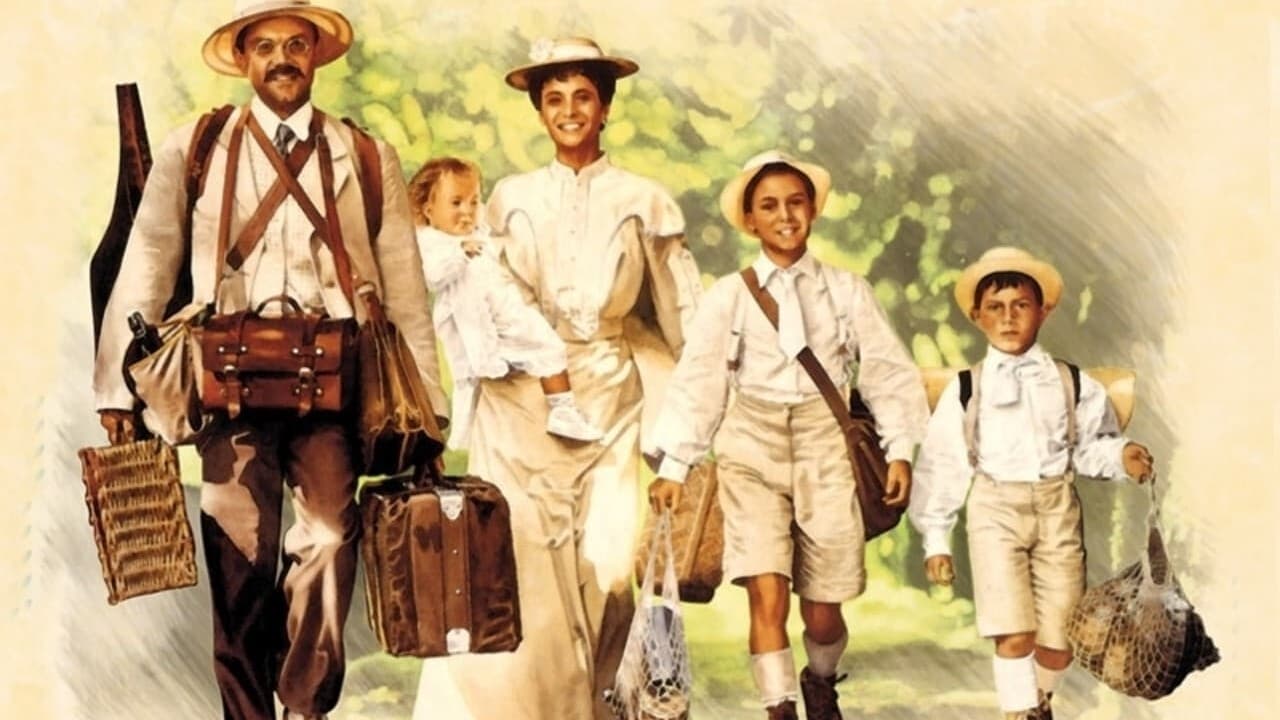
Picking up precisely where its predecessor, My Father's Glory (La Gloire de mon Père, also 1990), left off, the film plunges us back into young Marcel Pagnol's idyllic childhood summers in the sun-drenched hills of Provence. The initial thrill of discovery from the first film settles into a comfortable rhythm here. The family – the pragmatic, loving schoolteacher father Joseph (Philippe Caubère), the gentle, radiant mother Augustine (Nathalie Roussel), the boisterous Uncle Jules (Didier Pain), and young Marcel himself (Julien Ciamaca) – have found their slice of paradise. But paradise, it seems, requires a rather long and arduous journey each week from Marseilles. This seemingly simple logistical problem forms the gentle spine of the narrative: the quest for a shortcut.
It’s a testament to Yves Robert’s direction, working closely from Marcel Pagnol's own beloved memoirs, that this simple premise holds such weight. Robert, perhaps better known for lighter French fare like The Tall Blond Man with One Black Shoe (1972), found a different, more lyrical gear with these Pagnol adaptations. He understands that the magic isn't in complex plotting but in observation, in capturing the ephemeral feelings of childhood – the mixture of adventure, slight anxieties, and overwhelming love that defines those formative years.
### A Walk Through Memory Lane (Literally)
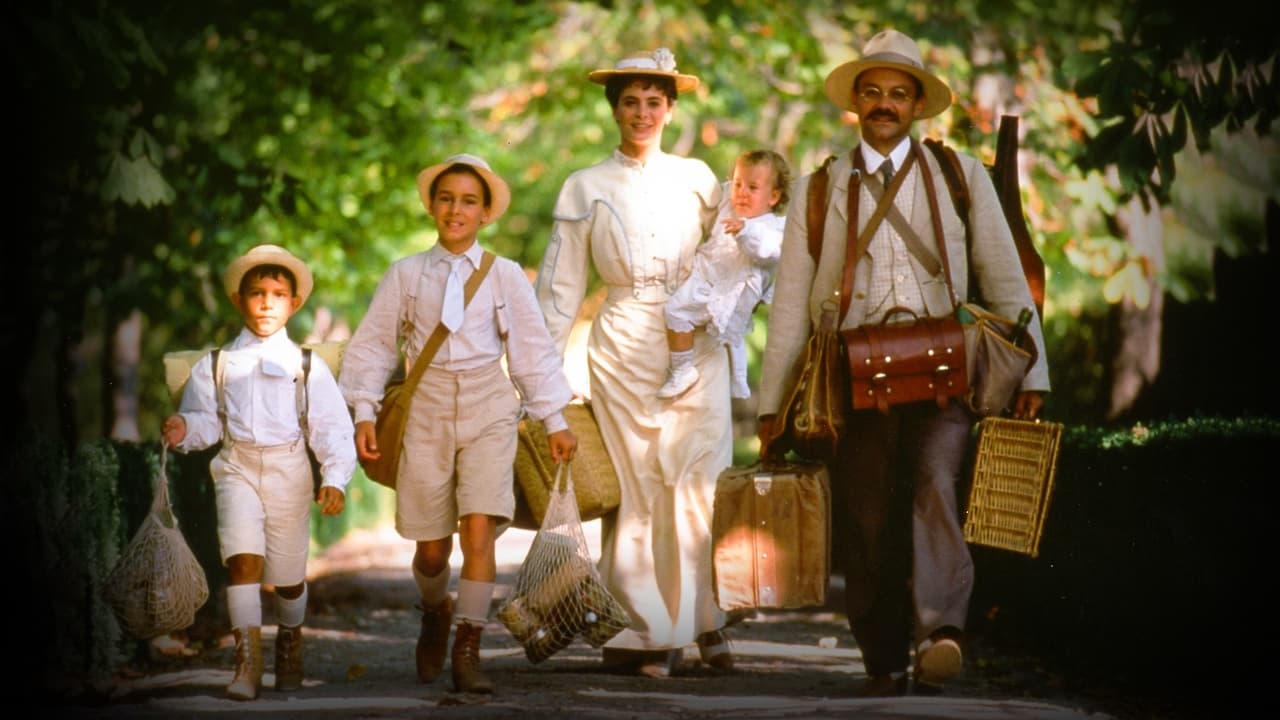
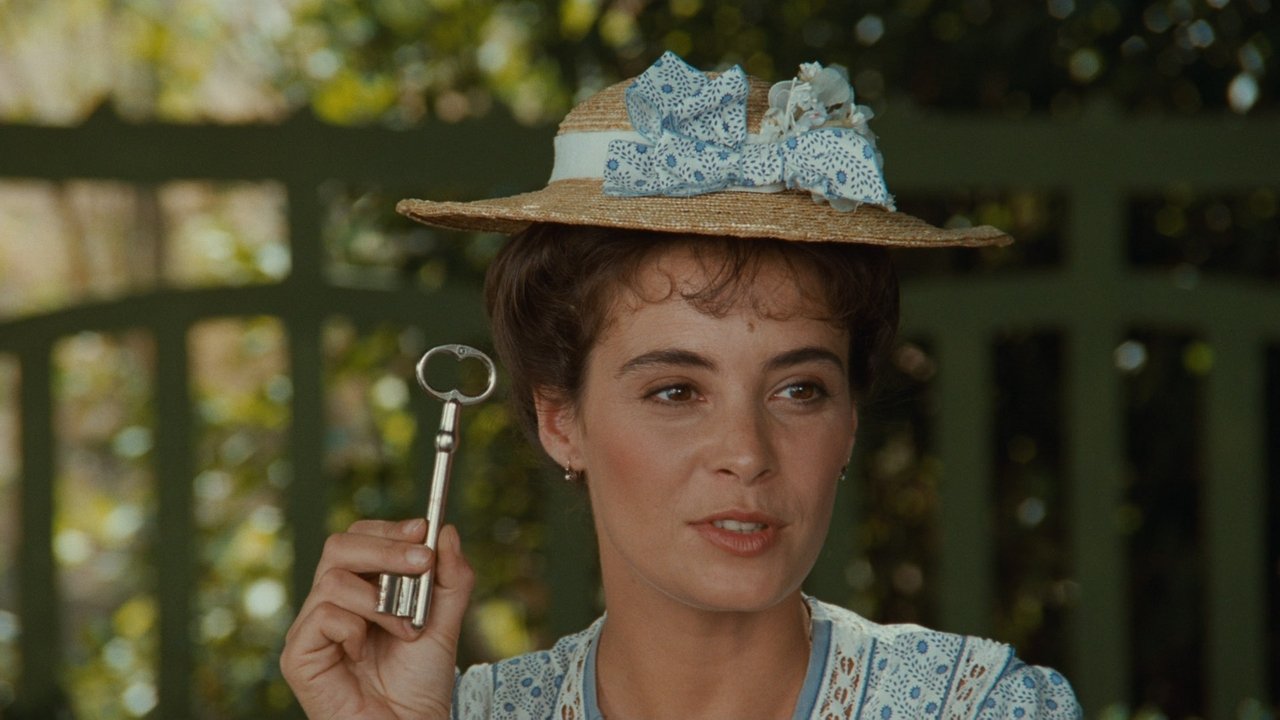
The shortcut itself becomes the film's central motif. A former pupil of Joseph's, now a canal watchman, offers them a key – a key that unlocks gates across private estates, drastically shortening their weekly trek. This clandestine journey, fraught with the mild peril of encountering grumpy groundskeepers or guard dogs, becomes a weekly adventure. It's a tangible representation of navigating the thresholds of life, of bending the rules for convenience and family, and perhaps even a subtle commentary on class divides, glimpsed through the manicured lawns and imposing gates they traverse.
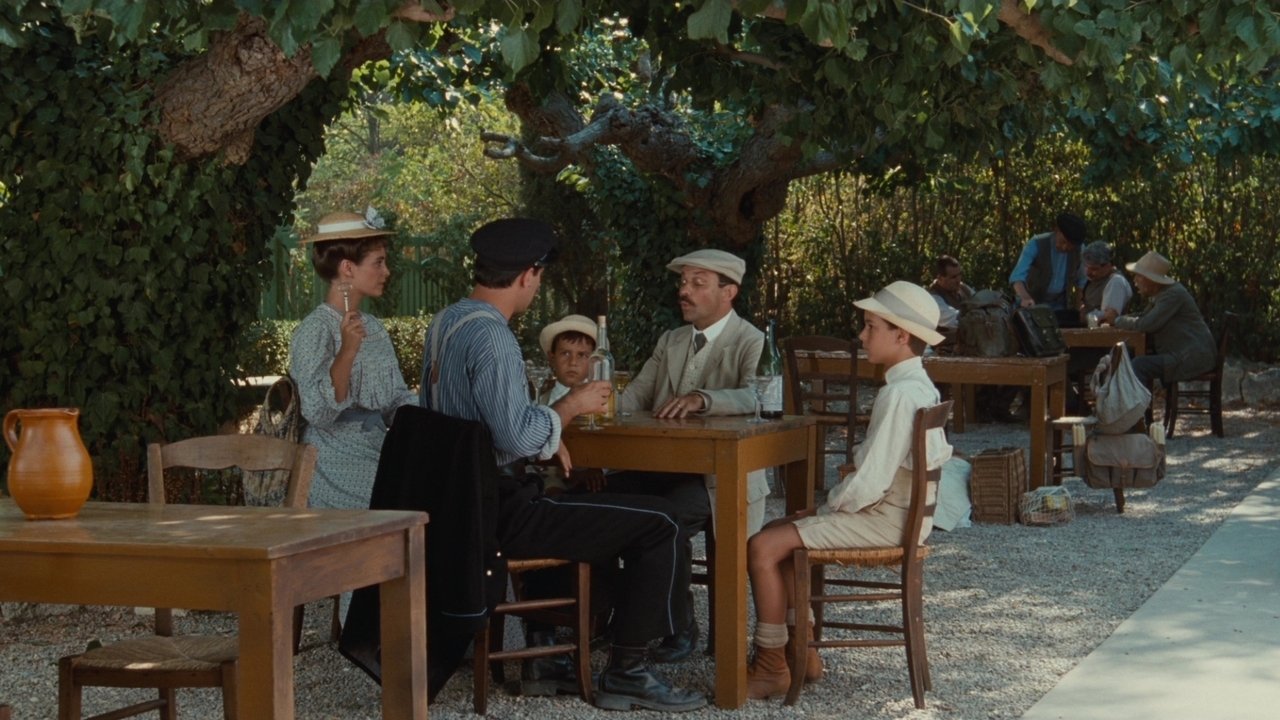
Watching it now, years after first encountering it likely on a slightly fuzzy VHS tape, the authenticity shines through. These films were shot back-to-back, a massive undertaking that allowed the cast and crew to remain fully immersed in Pagnol’s world. They filmed extensively on location in the stunning landscapes of Provence – specifically locations like the Château de la Buzine (which Pagnol himself later bought, fulfilling a childhood dream referenced in the title!) – and that grounding gives the film an undeniable sense of place. You can almost feel the dry heat and smell the wild herbs. There’s a distinct lack of flashy cinematic tricks; the camera often feels like a patient observer, allowing the performances and the scenery to breathe.
### Portraits Painted with Light and Love
The performances remain remarkably touching. Philippe Caubère embodies Joseph's gentle authority and unwavering affection, while Didier Pain brings comic warmth as the slightly more worldly Uncle Jules. But it's Nathalie Roussel as Augustine who truly radiates. Her quiet strength, her anxieties about the shortcut, and her luminous presence anchor the family's emotional core. Her portrayal feels deeply maternal, protective, and imbued with a subtle melancholy that foreshadows the passage of time inherent in looking back at childhood. Young Julien Ciamaca continues to be an effective vessel for Marcel's burgeoning awareness, observing the adult world with wide-eyed curiosity.
One fascinating tidbit is how faithfully Robert adapted Pagnol’s text, earning the approval of Pagnol's own family. These weren't reinterpretations; they were loving translations of the literary source to the screen, capturing the specific voice and spirit that made the books enduring classics in France. Released together in 1990, the films were significant successes, revitalizing interest in Pagnol's work and proving there was still a large audience for character-driven, nostalgic storytelling. They felt like an antidote to the louder trends of the era, something cherished and passed around. I distinctly remember the slightly thicker double-VHS case some rental stores carried, holding both films – a promise of a full afternoon steeped in Provencal sunshine.
### The Bittersweet Echo
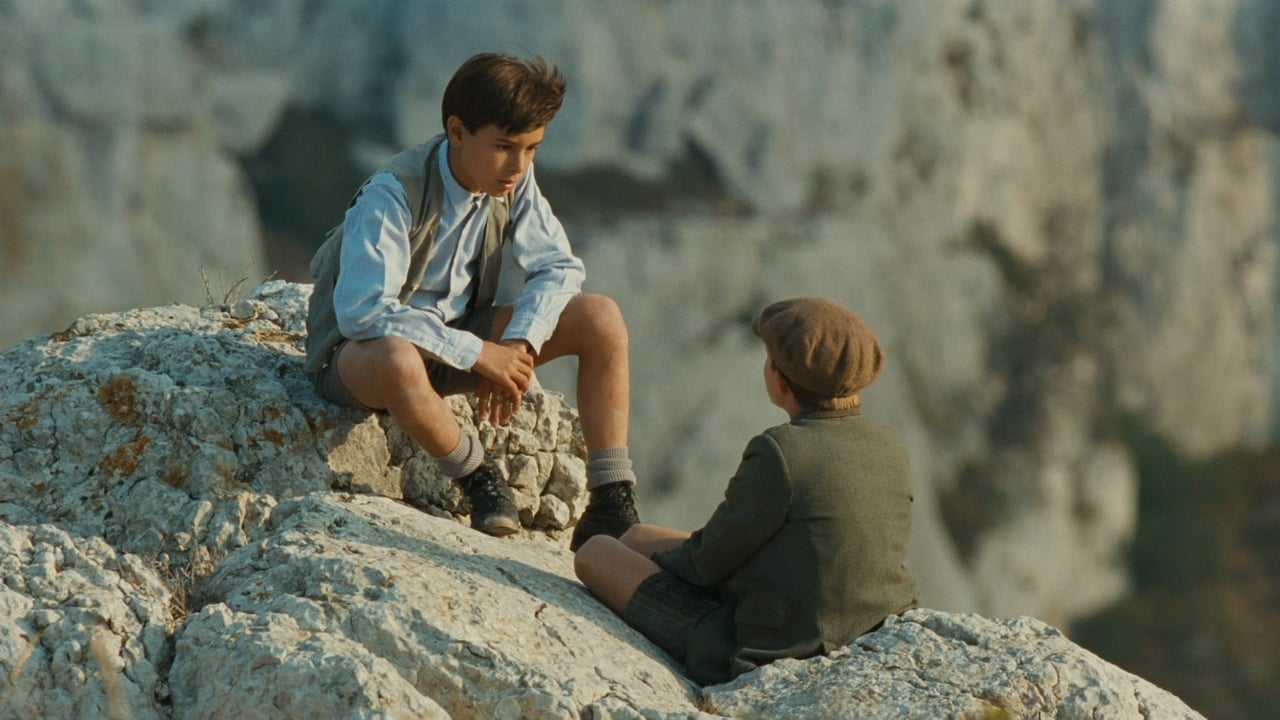
While My Father's Glory is about the joy of discovery, My Mother's Castle carries a more complex emotional weight. It introduces Marcel's first encounter with adolescent romance (in the form of the enchanting Isabelle Cassignol) and hints at the inevitable end of this perfect summer bubble. The film doesn't shy away from the bittersweet truth that these golden moments are finite. What lingers most powerfully is the film’s final turn, a poignant reflection on time, loss, and the enduring power of memory, particularly concerning Augustine. It lands with a quiet devastation that elevates the film beyond simple nostalgia. (Spoiler Alert!) The revelation of the château's eventual fate in Marcel's life, tied directly to his mother, is a masterstroke of emotional resonance drawn directly from Pagnol’s life.
Is it perfect? Perhaps the pacing might feel leisurely to some modern viewers accustomed to faster cuts. It absolutely relies on having seen My Father's Glory – it’s truly the second half of a single, beautiful story. But these are minor quibbles against the film's immense heart.
Rating: 9/10
This score reflects the film's masterful capturing of a specific time and place, its deeply felt performances, and its profound emotional resonance. It’s a near-perfect adaptation that achieves exactly what it sets out to do: immerse the viewer in the golden haze of remembered childhood with warmth, gentle humor, and a touch of poignant sorrow. My Mother's Castle isn't just a movie; it’s an evocation, a feeling preserved on film, reminding us that the simplest moments – a family walk, a shared secret, the warmth of the sun – often become the castles of our most treasured memories. It leaves you with a quiet ache, a profound appreciation for those fleeting, perfect days.