There’s a certain kind of heat that settles over The Grifters (1990), and it’s not just the Southern California sun bleaching the cheap motel signs and racetrack stands. It’s the heat of desperation, the friction of lies rubbing against each other, the slow burn of lives lived perpetually on the edge, always looking for the next angle, the next score. Watching it again after all these years, slipping that well-worn tape into the VCR felt less like revisiting an old friend and more like peering back into a particularly dark, mesmerizing corner of the early 90s cinematic landscape. It’s a film that doesn’t offer easy comfort; it demands your attention and leaves you pondering the chilling transactional nature of its world long after the static fills the screen.

A Tangled Web of Cons
Directed by Stephen Frears, fresh off the success of Dangerous Liaisons (1988) and working from a sharp, fatalistic script by the legendary crime novelist Donald E. Westlake (adapting Jim Thompson's equally bleak 1963 novel), The Grifters plunges us into the lives of three con artists bound by blood, rivalry, and a corrosive lack of trust. There's Roy Dillon (John Cusack), a small-time operator working the "short con," skimming cash with clever tricks but dreaming of escaping the life. Then there's his estranged mother, Lilly Dillon (Anjelica Huston), a hardened veteran who works for a dangerous bookie, Bobo Justus (Pat Hingle in a truly menacing turn), adjusting odds at the track. And finally, there's Myra Langtry (Annette Bening), Roy's girlfriend, a stunningly ambitious hustler with eyes on the "long con" and a dangerous past she keeps carefully hidden.
The plot isn't about one big score; it’s about the precarious balance these characters maintain, the constant maneuvering and second-guessing. When Roy suffers a near-fatal injury from a mark gone wrong, Lilly rushes to his side, forcing an uneasy reunion and instantly sparking suspicion and competition with Myra. What unfolds is a tense, psychological chess match where affection is a potential weakness, loyalty is a liability, and survival depends on staying one step ahead, even if it means betraying those closest to you. It's fascinating to note that Martin Scorsese served as a producer on this film; you can feel a kindred spirit in its unflinching look at the darker corners of human endeavor, though Frears brings his own distinct, slightly cooler, more observational style.

Performances That Cut Deep
What truly elevates The Grifters beyond a standard neo-noir exercise are the three central performances, each a masterclass in nuance and tightly controlled tension. John Cusack, often known for his charming, relatable everyman roles (think Say Anything... from 1989), perfectly captures Roy's simmering frustration – the desire for legitimacy warring with the ingrained instincts of the grift. He’s smart, but perhaps not smart enough, caught between the suffocating, almost Oedipal influence of his mother and the dangerous allure of Myra.
Annette Bening, in a star-making turn that nabbed her an Oscar nomination, is simply electric as Myra. She weaponizes her sexuality and charm with breathtaking precision, but Bening lets you see the calculating mind always working beneath the surface, the desperation masked by dazzling confidence. There’s a scene where she explains the long con to Roy, her eyes gleaming with ambition and a hint of recklessness, that remains utterly captivating. It’s a performance that announced a major talent had arrived.
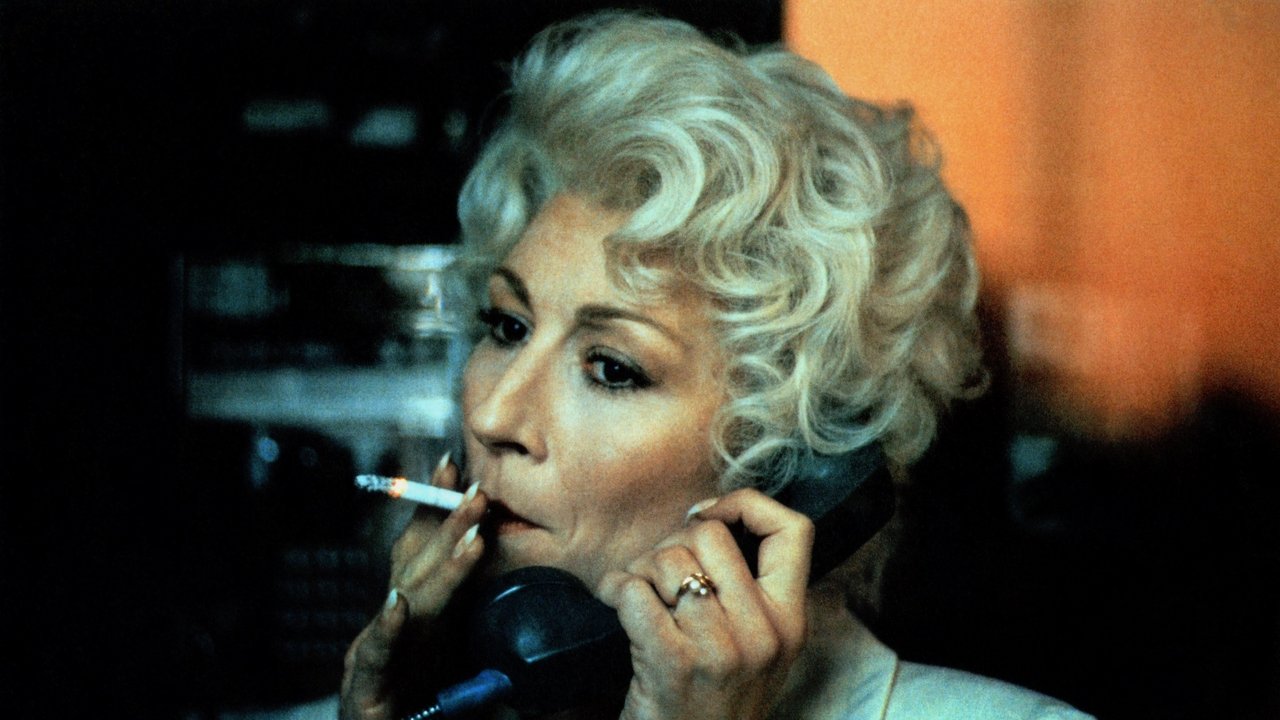

And then there’s Anjelica Huston, who received a much-deserved Best Actress Oscar nomination for her portrayal of Lilly. Huston embodies weary resilience and ruthless pragmatism. Lilly is a survivor, forged in a brutal world, and her love for Roy, however twisted, is perhaps the only genuine emotion she allows herself – yet even that is filtered through the lens of control and self-preservation. Her physicality, the way she carries herself with a mixture of guardedness and authority, speaks volumes. The scene involving Lilly, Bobo Justus, and a bag of oranges is pure, distilled menace, largely thanks to Huston's terrified but stoic reaction. It’s a chilling reminder of the stakes in her world.
Sunshine and Shadow
Frears masterfully uses the bright, almost glaring California setting as a counterpoint to the moral murkiness of the story. This isn't the rain-slicked, shadowy noir of the 40s; it’s a world where darkness thrives under the relentless sun. The production design feels authentic – the slightly faded glamour of the racetrack, the impersonal anonymity of motel rooms, the cluttered apartments. It all contributes to a sense of dislocation, of people living transient lives built on illusion.
It's worth remembering that adapting Jim Thompson is notoriously tricky. His prose is stark, brutal, and deeply internal. Westlake's script brilliantly translates that bleak worldview, preserving the novel's shocking turns and its refusal to offer easy answers or redemption. Apparently, Westlake wrote the script quickly, channeling Thompson’s spirit, and it retains that raw, urgent feel. The film reportedly cost around $11 million and while not a massive blockbuster, its critical acclaim and cult following cemented its place as a standout neo-noir of the era. Seeing it listed on the shelf at the video store, with that stark poster art, always signaled something intense and adult awaited.
The Lingering Chill
The Grifters isn't a feel-good movie; it doesn't offer catharsis in the traditional sense. It presents a world governed by cold equations, where trust is fatal and the only real currency is the hustle. It makes you question the motivations behind every smile, every seemingly kind gesture within its narrative frame. Does Roy truly want out, or is he just looking for a different kind of score? Is Myra capable of genuine affection, or is it all part of the act? And Lilly... what wouldn't she do to survive? These questions linger, testament to the film's power.

Rating: 9/10
This score reflects the film's exceptional craftsmanship, the powerhouse performances from its central trio (especially Huston and Bening), the masterful direction by Frears, and the unflinching adaptation of incredibly dark source material. It’s a near-perfect execution of neo-noir, foregoing flashy action for psychological tension and character study. It loses a single point perhaps only because its relentless bleakness can make it a demanding, rather than purely enjoyable, watch for some. Yet, its artistry and impact are undeniable.
For fans of sharp dialogue, complex characters, and stories that aren't afraid to explore the shadows, The Grifters remains a potent and essential piece of early 90s cinema. It's a reminder that sometimes, the most dangerous games are the ones played closest to the heart. A true gem from the shelf, even if it leaves you feeling a little colder afterwards.