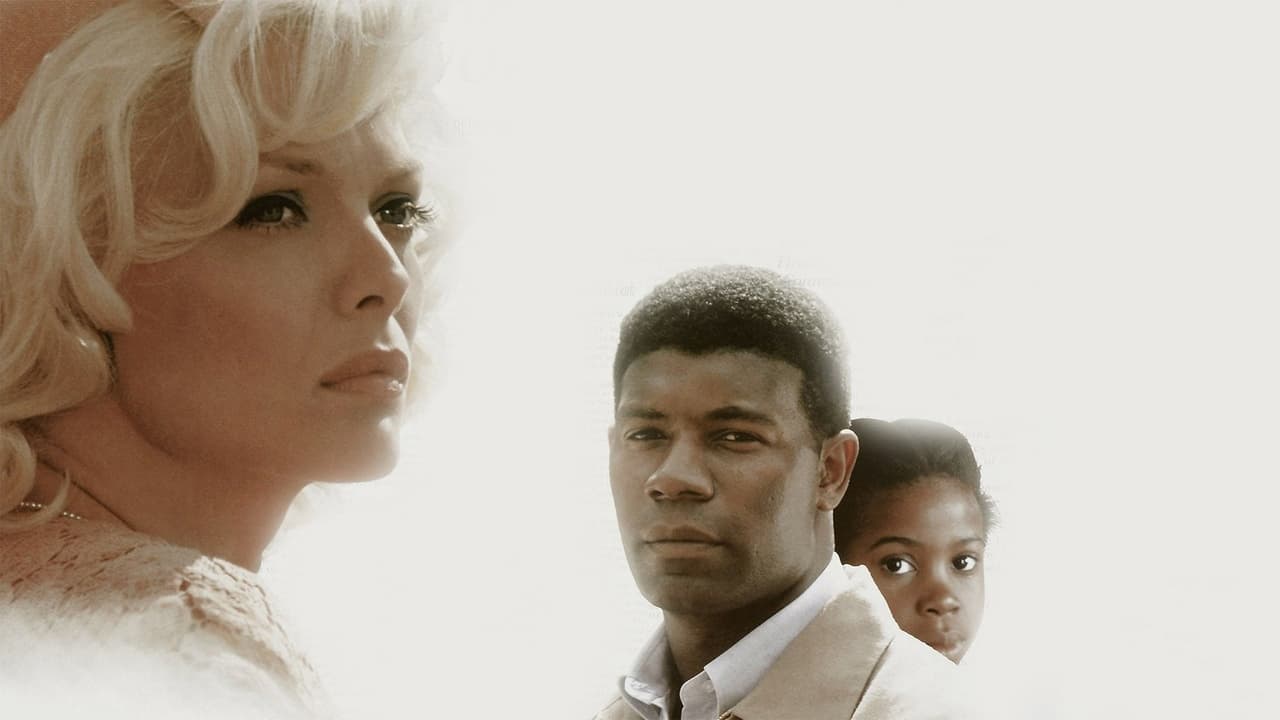
It often starts with an image, doesn't it? For Love Field, the one that lingers is Michelle Pfeiffer's Lurene Hallett, eyes wide with a peculiar mix of adoration and naiveté, mimicking Jackie Kennedy's mannerisms in her modest Dallas home. It’s November 1963, and the television screen crackles with news that will shatter the nation – and, in its own way, crack open Lurene’s carefully constructed, profoundly limited world. This film, arriving quietly in late 1992 after a considerable delay, uses a moment of collective trauma as the unlikely catalyst for intensely personal transformation.
An Impulsive Journey Through a Nation's Grief
The premise is simple yet potent: Lurene, devastated by President Kennedy's assassination and feeling an almost mystical connection to the First Lady, decides on a whim to board a bus bound for Washington D.C. to attend the funeral. She sees it as an act of profound solidarity, a pilgrimage. What she doesn't anticipate is crossing paths with Paul Cater (Dennis Haysbert) and his quiet, watchful daughter Jonell (Stephanie McFadden). Paul, a Black man traveling through the segregated South with a child who carries a heavy secret, is on a journey born not of empathy for a fallen leader, but of sheer necessity and survival. Their meeting, fraught with the era's ingrained prejudices and Lurene's initial, clumsy attempts at connection, sets the stage for a road trip drama that’s far more nuanced than its setup might suggest.
Pfeiffer's Quiet Power
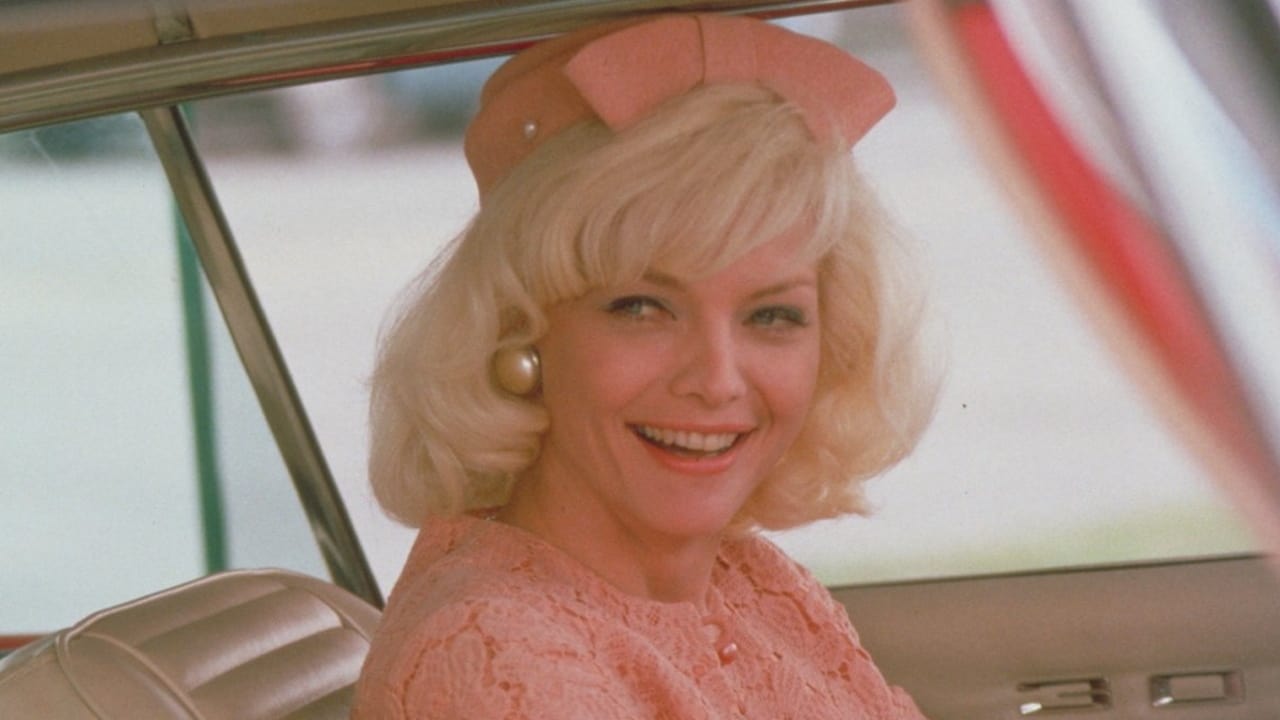
Let’s talk about Michelle Pfeiffer. By 1992, she was already a bona fide superstar, capable of dazzling in films as varied as Batman Returns (1992) and The Fabulous Baker Boys (1989). Here, she completely sheds her glamour. Lurene isn't just naive; she's a product of her time and place, imbued with unquestioned assumptions and casual biases she barely recognizes. Pfeiffer doesn't shy away from Lurene's initial ignorance, making her almost frustratingly blinkered. But the genius is in the gradual thaw. Through her interactions with Paul and Jonell, witnessing firsthand the harsh realities faced by Black Americans – realities utterly foreign to her bubblegum existence – Lurene begins a painful but essential awakening. It's a performance built on subtle shifts in expression, hesitant gestures, and dawning realizations. You see the layers peeling back, revealing the decent, if misguided, person underneath. It’s no surprise this turn earned her a Best Actress Oscar nomination, a nod that felt thoroughly deserved even after the film sat on Orion Pictures' shelf for nearly two years due to the studio's financial turmoil. The performance feels as fresh and affecting now as it did then.
An Unlikely Bond in Turbulent Times
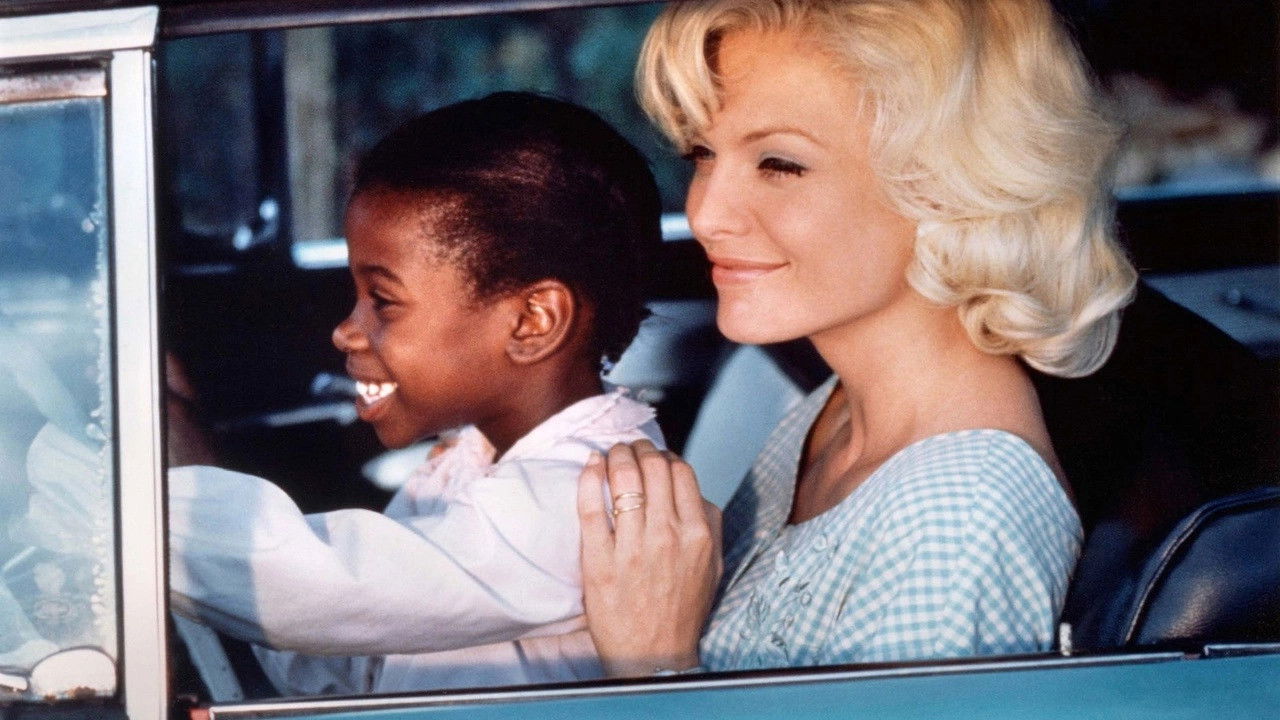
The heart of Love Field lies in the tentative, complex relationship that develops between Lurene, Paul, and Jonell. Dennis Haysbert, years before becoming President Palmer on 24 or the reassuring voice of Allstate, brings a quiet dignity and simmering tension to Paul. He’s a man constantly on guard, wary of the danger Lurene’s naive interventions might bring, yet slowly recognizing her underlying good intentions. His protective tenderness towards Jonell, played with remarkable naturalism by young Stephanie McFadden, forms the emotional anchor. Their shared journey becomes a microcosm of the era's racial landscape – the constant threat, the small kindnesses that feel monumental, the invisible lines that must be navigated with care. Director Jonathan Kaplan, who had previously tackled difficult subject matter in The Accused (1988), handles these themes with sensitivity, avoiding easy answers or overly sentimental tropes. He lets the discomfort hang in the air, making the moments of genuine connection feel earned.
Capturing an Era, On the Road
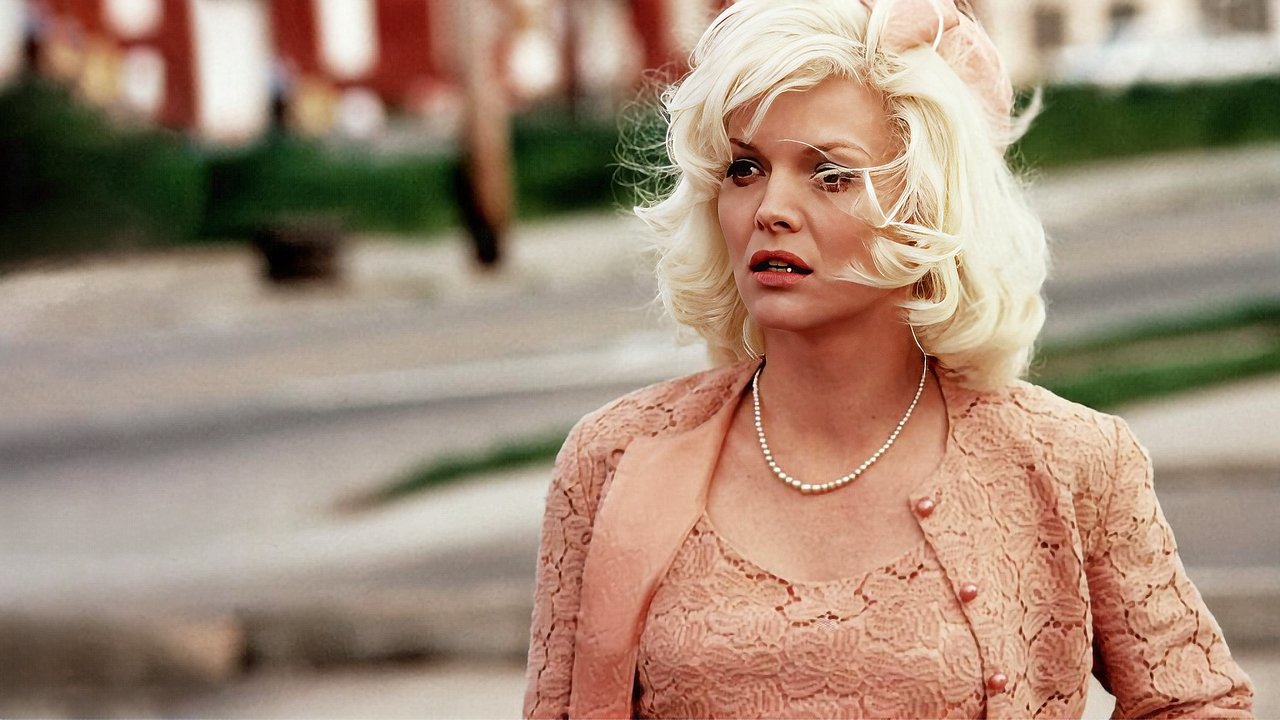
Shot largely on location in North Carolina, the film effectively evokes the look and feel of the early 1960s American South. It's not a flashy period piece; the focus remains squarely on the characters. Yet, the details feel right – the bus stations, the roadside diners, the clothes, the palpable atmosphere of shock and mourning that hangs over everything following JFK's death. Written by Don Roos (who also penned the sharp thriller Single White Female that same year), the script finds strength in its character interactions, even if the overall plot trajectory feels somewhat familiar within the road movie genre. The film’s title itself, referencing the Dallas airport where Kennedy arrived on that fateful day, subtly underscores the intersection of personal journeys and national history.
A Hidden Gem from the Video Store Shelf
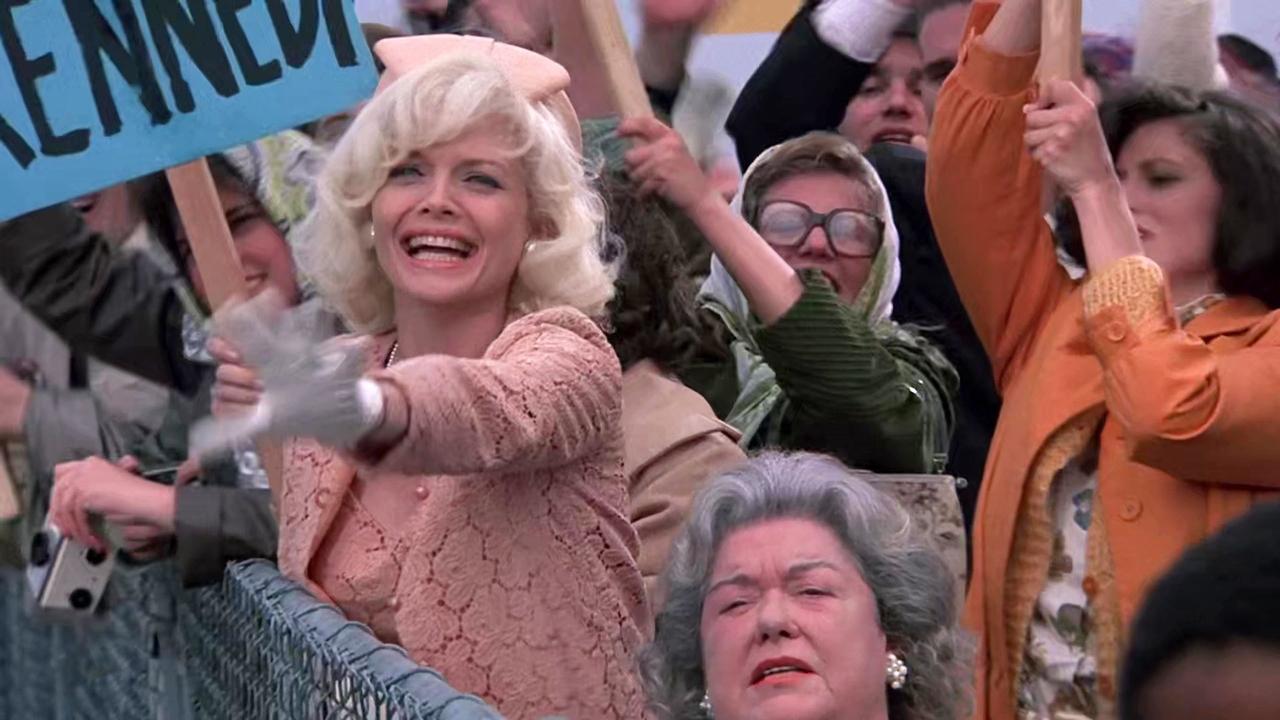
Love Field wasn't a blockbuster. Plagued by Orion Pictures' bankruptcy, its delayed release meant it arrived with little fanfare and made only a modest impact at the box office (around $1.9 million against a reported $15 million budget). Watching it again now, perhaps pulled from a dusty VHS tape like a treasured memory, feels like rediscovering a quiet gem. It’s a film that trusts its audience to engage with complex characters and doesn't offer simple resolutions. It asks us to consider how empathy grows, how perspectives shift, and how moments of shared vulnerability can bridge seemingly insurmountable divides. Does Lurene’s transformation feel entirely complete by the end? Perhaps not, but the journey itself feels authentic.
Rating: 7.5/10
This score reflects the film's powerful core performances, particularly Pfeiffer's Oscar-nominated work, and its sensitive handling of difficult themes set against a specific, pivotal moment in American history. It avoids melodrama and allows its characters' complexities to shine. While the narrative path might hold few major surprises for seasoned viewers of road dramas, the emotional depth and the nuanced exploration of race and connection in 1963 make it a rewarding watch. It might not have shaken the cinematic landscape, but Love Field offers a thoughtful, character-driven story that resonates quietly long after the credits roll. It’s a reminder that sometimes, the most profound journeys begin with an impulsive detour.