The signal cuts out. Silence screams louder than any alarm. Deep beneath the waves, encased in millions of tons of steel and seawater, two men stare each other down, the fate of the world hanging precariously between their conflicting orders. This is the terrifying heart of Crimson Tide, Tony Scott's 1995 pressure cooker of a submarine thriller, a film that weaponized claustrophobia and clashing egos to create one of the most potent standoffs of the decade. Forget jump scares; the dread here is existential, the cold sweat generated by the chilling possibility of protocol breaking down at the worst possible moment.
### Below the Surface Tension
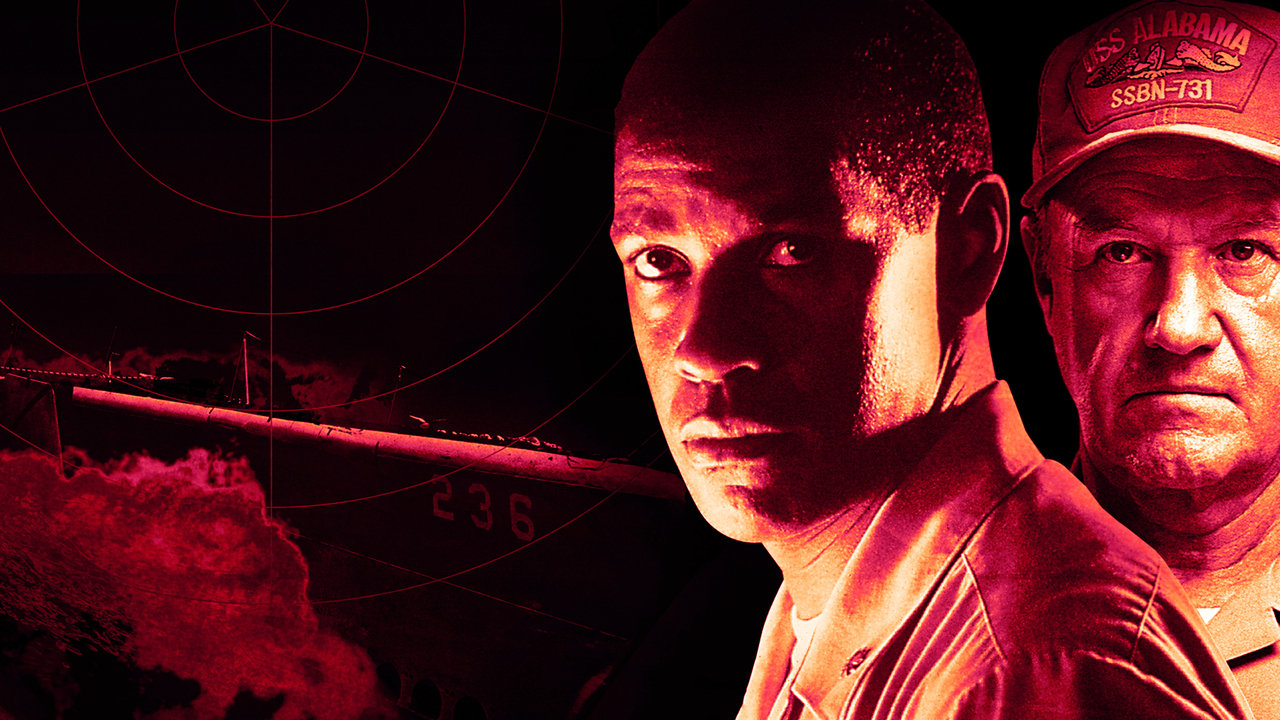
From the moment the USS Alabama dives, Scott, already a master of high-octane visuals after Top Gun (1986), plunges us into a world of controlled chaos. The cramped, sweating confines of the sub become a character in themselves. Using his signature style – dramatic lighting cutting through manufactured haze, restless camera movements, and those tight, long-lens close-ups – Scott makes us feel the pressure, both physical and psychological. The production design feels authentic, lived-in, a labyrinth of pipes, sonar screens, and bulkhead doors that seem to shrink as the tension ratchets up. It’s easy to forget you’re watching a movie and not trapped down there with them. The U.S. Navy initially lent support, allowing filming aboard the actual USS Alabama (SSBN-731) and another sub, the USS Florida, but famously withdrew cooperation later, uncomfortable with the script's central theme of mutiny – a decision that speaks volumes about the film's provocative premise.
### A Clash of Titans
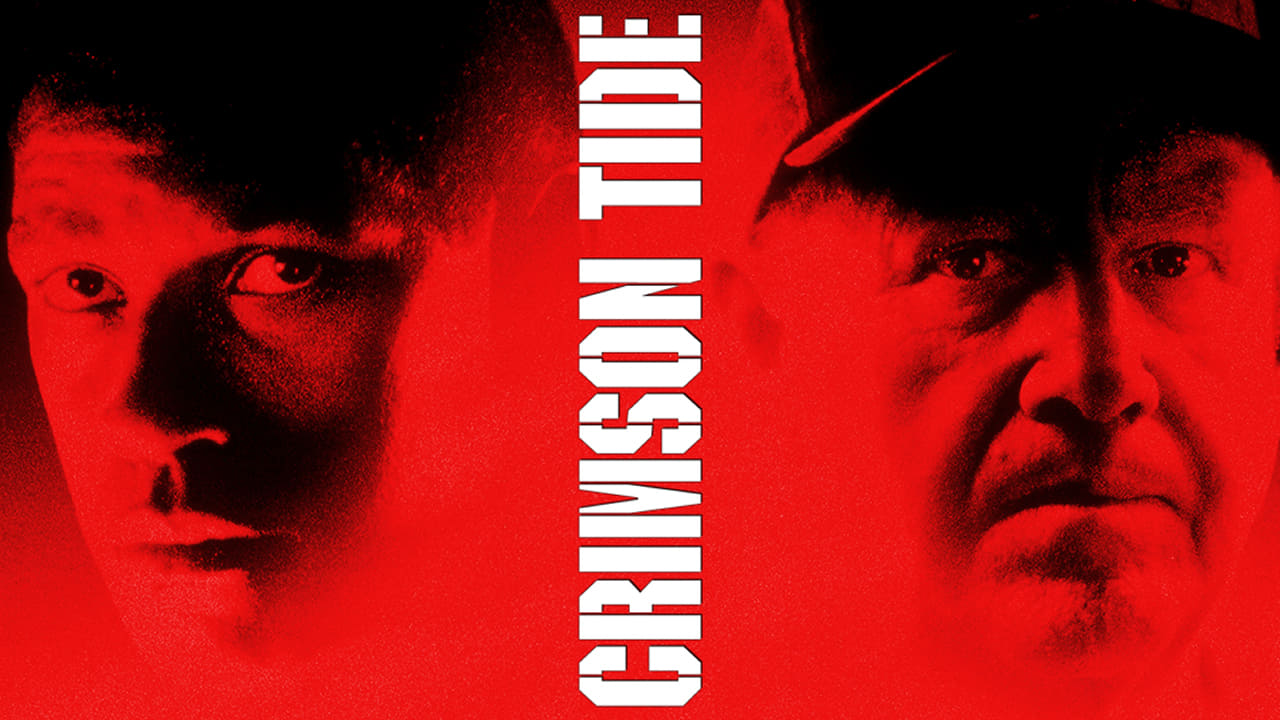
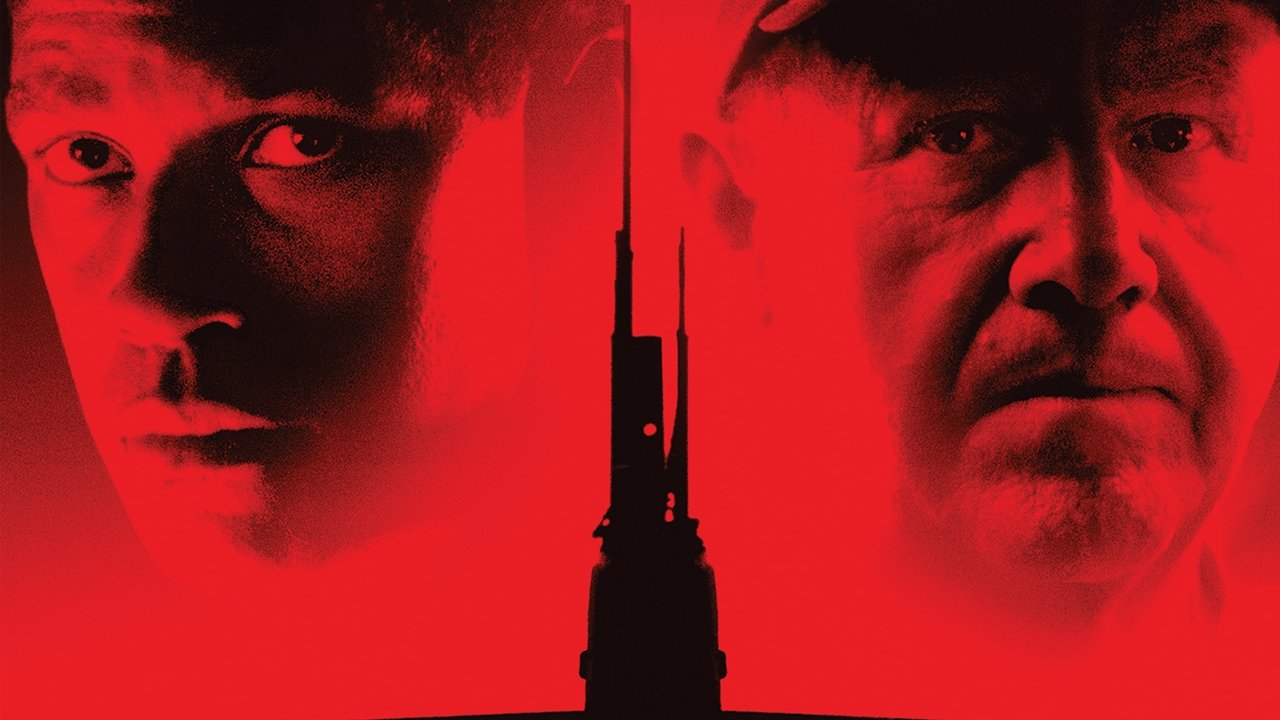
At the core of Crimson Tide is the powerhouse confrontation between Captain Frank Ramsey (Gene Hackman) and his newly assigned Executive Officer, Lieutenant Commander Ron Hunter (Denzel Washington). Hackman, embodying old-guard authority and absolute command ("We're here to preserve democracy, not to practice it," he growls), is terrifyingly convincing. He’s a force of nature, weathered, uncompromising, a man who trusts his gut and the weight of his command stripes above all else. Rumors persisted of genuine friction between Hackman and Washington on set, and whether true or not, that perceived tension translates into electric on-screen chemistry.
Washington, then solidifying his leading man status after films like Glory (1989) and Malcolm X (1992), provides the perfect counterpoint. Hunter is cerebral, measured, representing a more modern, analytical approach to leadership. He questions, he probes, he demands certainty in the face of apocalyptic uncertainty. Their ideological battle, sparked by an incomplete Emergency Action Message regarding a potential nuclear launch against Russian ultranationalists, becomes the film's engine. Watching these two actors, arguably at the peak of their powers, verbally spar in the confines of the officers' mess or the control room is pure cinematic gold. Their dialogue, sharp and layered, benefited from script contributions from various writers, including famously uncredited work by Quentin Tarantino, whose fingerprints seem particularly evident in the snappy, pop-culture-laced exchanges like the iconic Silver Surfer debate – a moment of bizarre levity amidst crushing tension.
### Sound and Fury
Amplifying the unbearable atmosphere is Hans Zimmer’s legendary score. It's hard to overstate its impact. The main theme, with its powerful, synthesized choral elements and driving percussion, is instantly recognizable and perfectly captures the immense stakes and military might. It's a score that doesn't just accompany the action; it fuels it, becoming as integral to the film's identity as the actors or the direction. Close your eyes, hear that theme, and you're instantly back on the Alabama. It’s one of those 90s scores that defined blockbuster soundscapes, right alongside his work on The Lion King (1994).
The supporting cast, too, is stacked with familiar faces adding texture to the pressure cooker environment. Viggo Mortensen as the loyal-to-Ramsey weapons officer, James Gandolfini (years before Tony Soprano) as the pragmatic supply officer caught in the middle, Matt Craven as the increasingly stressed communications officer – they all contribute to the feeling of a crew stretched to its breaking point. Remember trying to figure out who you’d side with back then? The film cleverly makes compelling cases for both Ramsey's adherence to protocol and Hunter's demand for confirmation.
### Retro Fun Facts: Under Pressure
- Authenticity Efforts: Despite the Navy's later objections, the production initially had significant technical advisor input to ensure naval procedures and submarine life felt believable (even if dramatic license was taken).
- Budget vs. Box Office: Made for a reported $53 million, Crimson Tide was a solid hit, grossing over $157 million worldwide, proving audiences were hungry for smart, high-stakes thrillers. ($53 million in 1995 is roughly $107 million today – a mid-to-high budget production).
- Scott's Visual Flair: Tony Scott specifically used techniques like split diopters to keep multiple faces in sharp focus during tense dialogue scenes, maximizing the impact of the confrontations within the cramped sets.
- A Close Shave: The famous scene where Denzel Washington's character is punched reportedly resulted in Washington genuinely being struck, adding an unintended layer of realism to his reaction.
### The Lasting Depth Charge
Crimson Tide holds up remarkably well. Its central conflict remains gripping, the performances are timeless, and Tony Scott's muscular direction ensures it never feels sluggish. It tapped into that lingering post-Cold War anxiety, the fear that the terrifying power we possessed could be unleashed by error or ego. Watching it on VHS back in the day, maybe rented from Blockbuster on a Friday night, felt like witnessing something important, a thriller with brains as well as brawn. Does the central premise – a breakdown in the nuclear command chain – still feel chillingly relevant? Absolutely.
Rating: 9/10
This rating reflects the film's masterful tension-building, iconic performances from Hackman and Washington, Tony Scott's slick direction, and Hans Zimmer's unforgettable score. It's a near-perfect execution of the high-concept 90s thriller, losing perhaps only a single point for some minor plot contrivances that serve the drama over strict realism.
Crimson Tide remains a benchmark for the submarine genre and a testament to the power of contained, character-driven conflict. It’s more than just a thriller; it's a potent reminder of the thin line between order and chaos, especially when the fate of the world is on the line. A true VHS heavyweight that still delivers a knockout punch.