One man lives by the trigger, the other by the book. Dropped into the suffocating embrace of the jungle, their clash becomes as deadly as any unseen enemy. That’s the pressure cooker scenario at the heart of Sniper (1993), a film that burrowed under the skin with its tight focus and nerve-shredding tension, a far cry from the explosive bombast dominating action cinema at the time. Watching it back then, often late at night on a buzzing CRT, it wasn't just the crack of the rifle that lingered; it was the suffocating quiet between the shots, the palpable dread of the unseen.
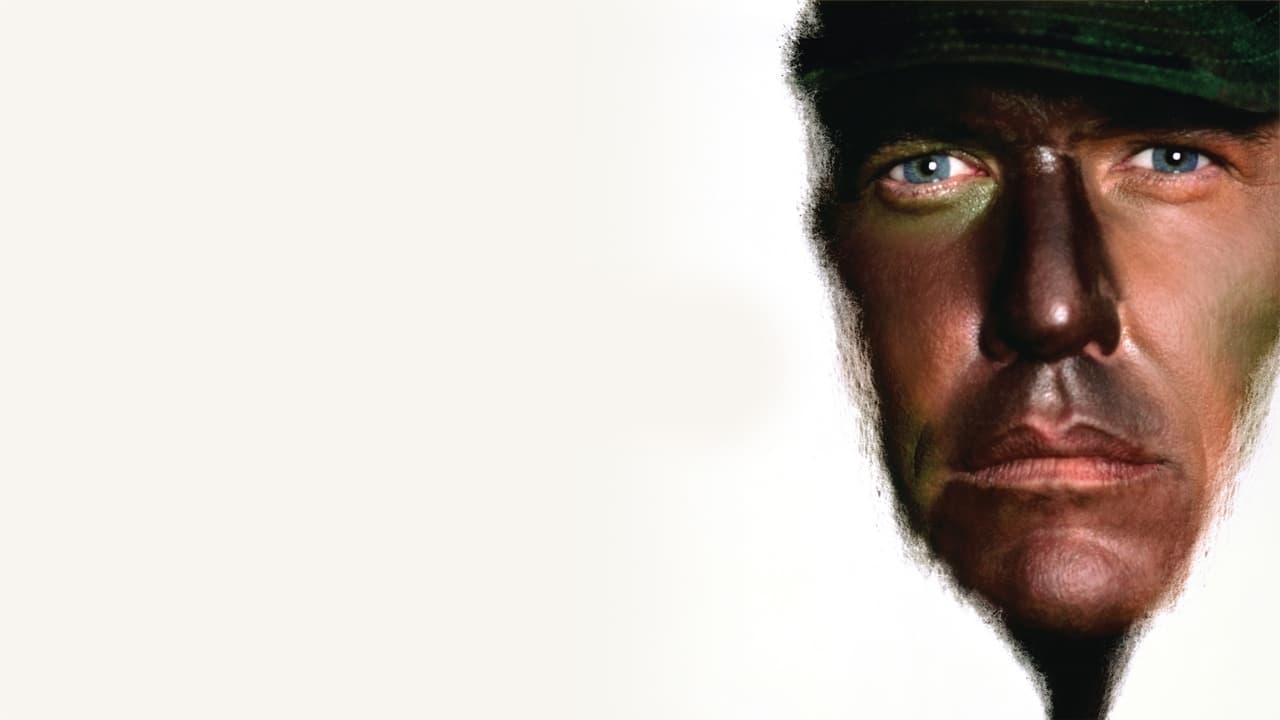
Into the Green Hell
Director Luis Llosa, who would later helm bigger, splashier fare like Anaconda (1997), crafts an atmosphere thick with humidity and paranoia. The Panamanian jungle setting – convincingly brought to life in the rainforests of Queensland, Australia – isn't just a backdrop; it's an active participant, a suffocating presence that obscures threats and frays nerves. The cinematography often keeps us tight on the characters or peering through scopes, mirroring their limited, high-stakes perspective. There’s a grittiness here, a sense of tangible danger amplified by the knowledge that help is far away, and every rustle in the undergrowth could be lethal. Remember that feeling, watching them move agonizingly slowly, holding your own breath?
An Uneasy Alliance

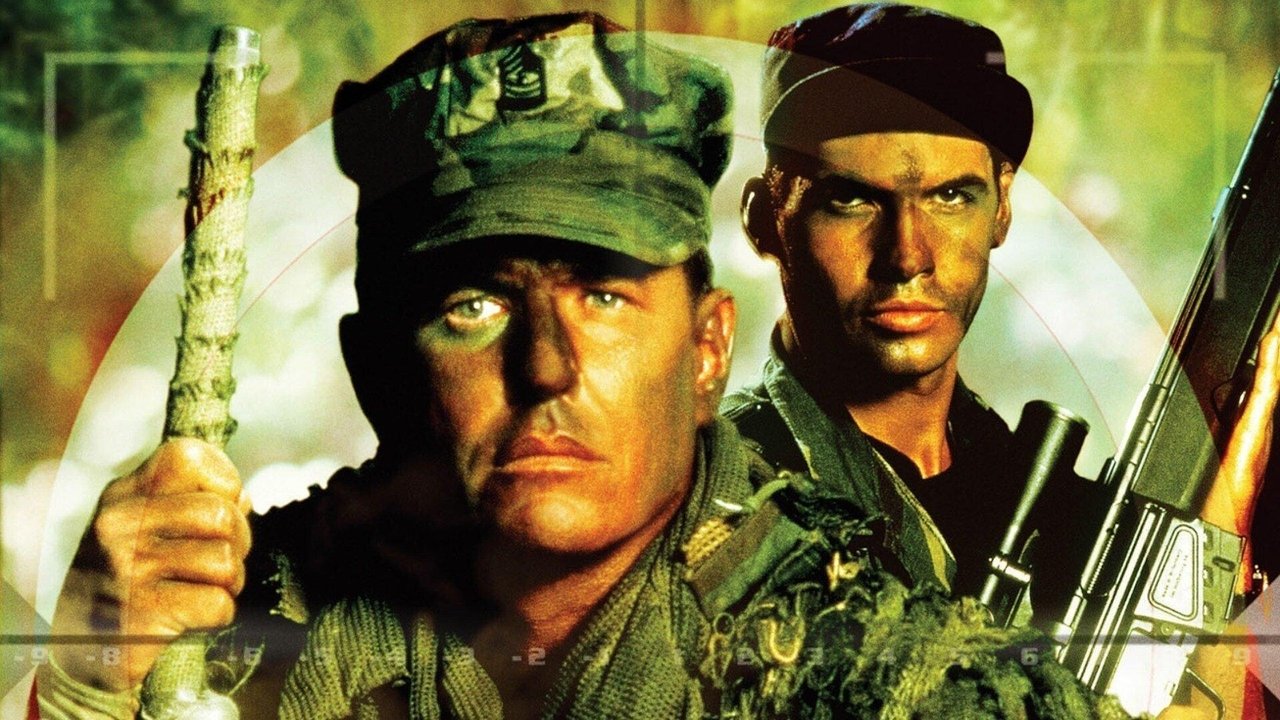
At the core of Sniper is the volatile dynamic between Master Gunnery Sgt. Thomas Beckett, played with stoic intensity by Tom Berenger (still riding high from acclaimed roles like Platoon (1986)), and the comparatively green NSC operative Richard Miller, portrayed by Billy Zane (just a few years post-Dead Calm (1989) and pre-Titanic (1997)). Beckett is the consummate professional, a man seemingly carved from the jungle itself, living by the harsh code of "one shot, one kill." He’s haunted by the partners he’s lost, his trigger finger now fused with his index finger – a grim physical manifestation of his deadly craft. Miller, conversely, is an Olympic marksman, theoretically skilled but entirely unprepared for the psychological toll and brutal realities of Beckett's world. Their mission – to eliminate a Panamanian rebel leader – becomes secondary to their internal battle of wills and philosophies. Supporting them, albeit briefly, is the reliably solid J.T. Walsh as one of Miller’s superiors, adding his signature touch of bureaucratic authority.
The Grim Art
What set Sniper apart for many viewers back in the day was its focus on the actual craft (and grim reality) of sniping. The patience, the calculation, the almost meditative focus required – it felt different. The film took its subject seriously, allegedly drawing inspiration from legendary figures like Marine sniper Carlos Hathcock, whose almost mythical exploits informed the portrayal of extreme marksmanship and fieldcraft. The gear, particularly Beckett's customized M40A1 rifle, felt authentic, adding to the procedural tension. It wasn't just about pulling a trigger; it was about camouflage, windage, breathing control, and the immense psychological weight of taking a life from afar. Doesn't that meticulous detail still feel chillingly effective?
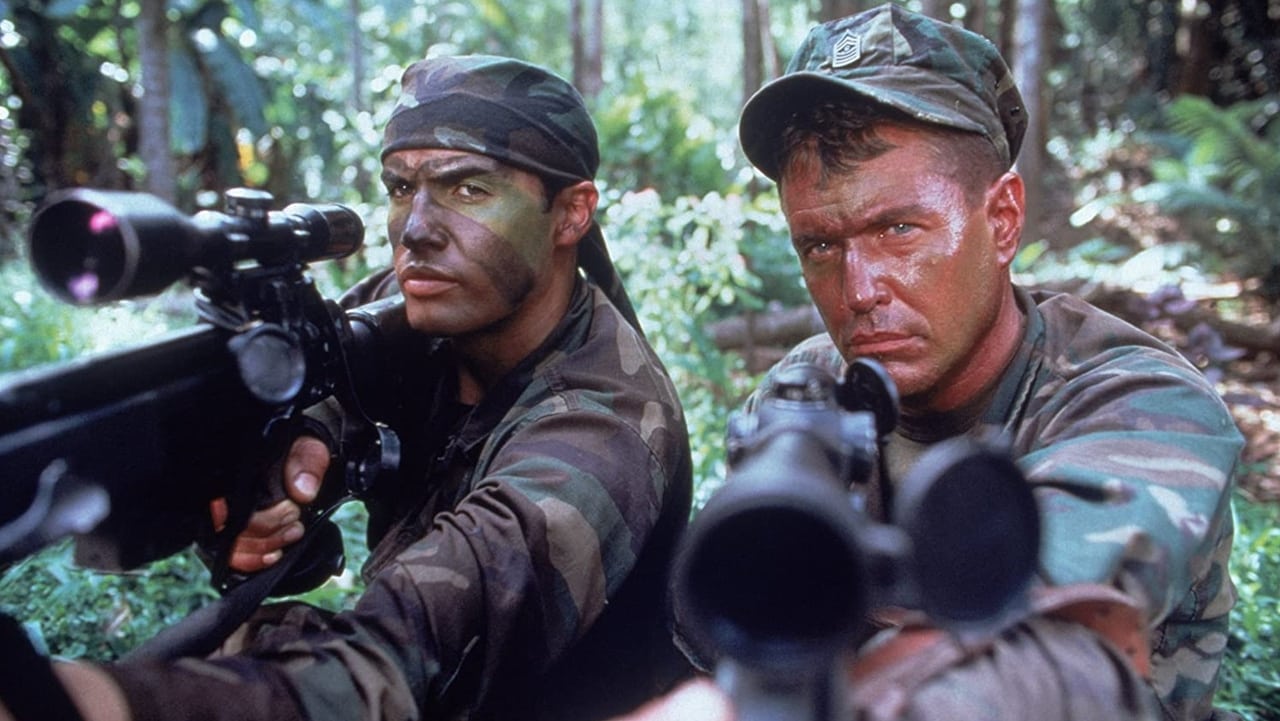

Behind the Scope
Made for a relatively lean $13 million, Sniper managed to turn a profit with a $19 million US gross, finding a significant audience on VHS. Its success wasn't just theatrical; it kicked off an unexpectedly durable franchise, spawning numerous direct-to-video sequels primarily anchored by Berenger's return as Beckett. It’s a testament to the enduring appeal of the character and the core concept. Filming in the dense Australian rainforest presented its own set of challenges, contributing to the film's authentic, sweaty atmosphere. There’s a raw, practical feel to the action sequences, typical of the era before CGI saturation, that gives the danger a tangible quality.
Enduring Tension
While the plot might follow some predictable buddy-cop/action tropes – the grizzled vet vs. the inexperienced rookie – Sniper elevates itself through its committed performances and palpable atmosphere. Berenger is Beckett; his weary gravitas anchors the film. Zane effectively conveys Miller’s journey from naive confidence to horrified understanding, even if the character occasionally feels a little too neatly contrasted with Beckett. The film doesn't shy away from the moral complexities and the isolating nature of the sniper's role, leaving a lingering sense of unease. It taps into that primal fear of the unseen threat, the sniper as an almost supernatural force capable of delivering death from nowhere.
***
VHS Heaven Rating: 7/10
Justification: Sniper earns its score through Tom Berenger's iconic performance, its genuinely tense atmosphere, and its compelling focus on the psychology and craft of sniping. The jungle setting feels authentic and oppressive, and the practical action holds up well. While the plot is somewhat formulaic and Billy Zane's character arc occasionally feels forced, the core tension between the leads and the overall gritty execution make it a standout 90s action-thriller that rightly found its audience on home video.
Final Thought: More than just an action flick, Sniper remains a potent slice of 90s tension cinema, a film whose quiet moments are often as loud as its gunshots, leaving a distinct chill long after the tape stopped rolling.