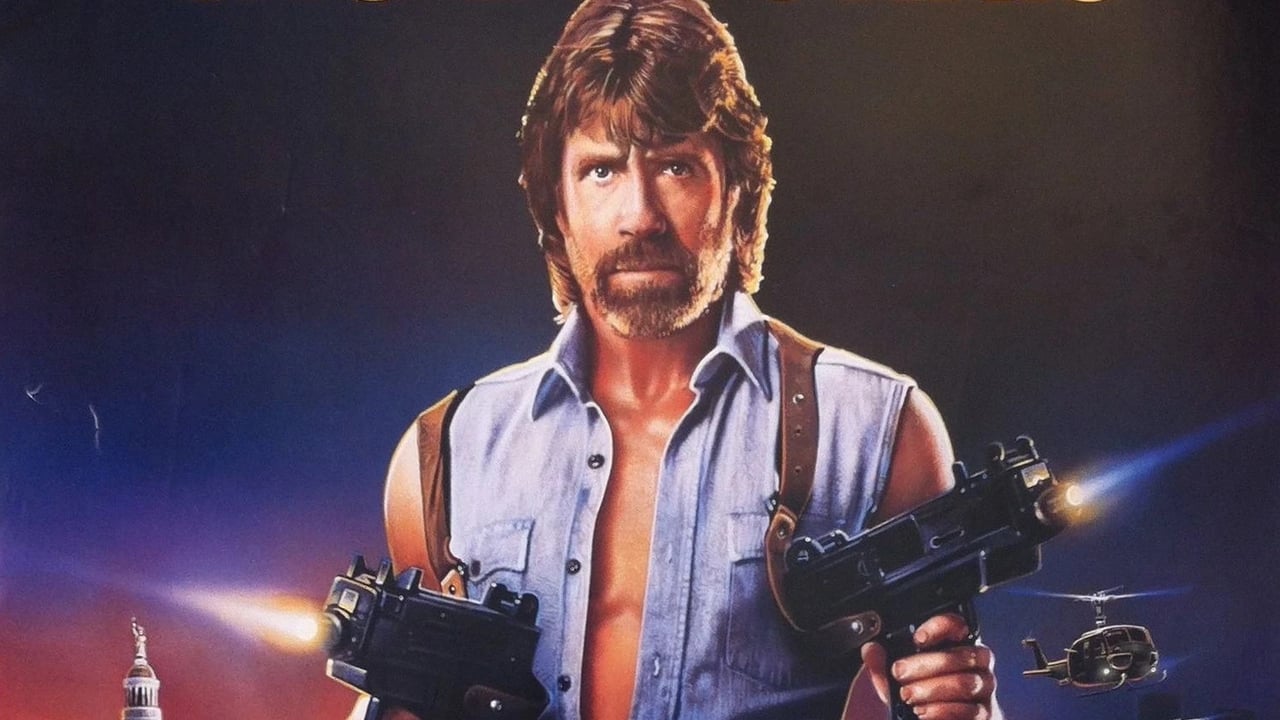
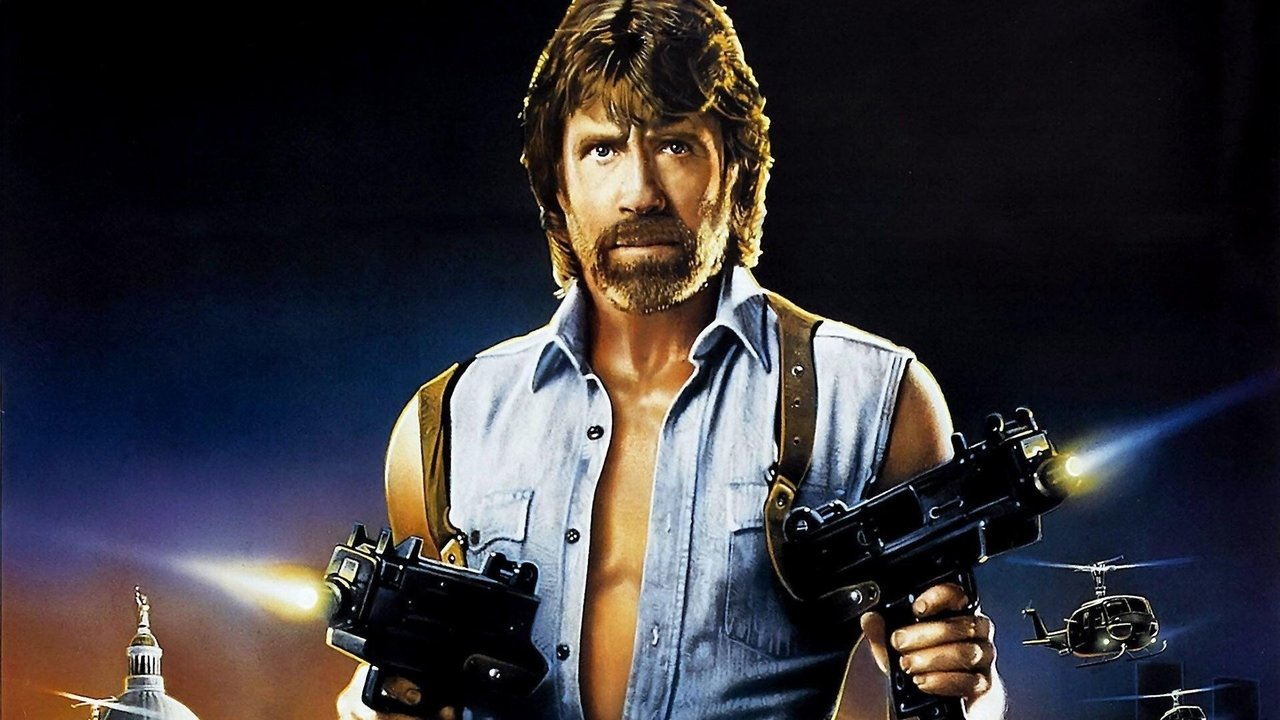
Alright, settle back into that worn armchair, maybe crack open a cold one. Let’s talk about a film that practically defines mid-80s action excess, a tape many of us probably wore thin from repeated rentals: Joseph Zito’s Invasion U.S.A. (1985). Forget subtlety, forget nuance. This is pure, uncut Cannon Group firepower, delivered with the sledgehammer grace we came to expect, starring the man whose beard alone could probably deflect small arms fire: Chuck Norris.

Remember the feeling? Scanning those video store shelves, the promise of mayhem lurking behind lurid cover art. Invasion U.S.A. delivered on that promise with the subtlety of a rocket launcher hitting a suburban Christmas display. And yes, that actually happens. The premise is stark, terrifyingly simple for its Cold War context: a ruthless Soviet agent, Mikhail Rostov (Richard Lynch, dripping menace), lands a ragtag army of international terrorists on the shores of Florida and proceeds to unleash coordinated chaos across the country. Their goal? To shatter America's sense of security from within. Who can stop them? Only one man, of course: retired CIA agent Matt Hunter (Chuck Norris), living peacefully in the Everglades until Rostov forces his hand.
### Peak Cannon Carnage
This film arrived hot on the heels of director Joseph Zito’s previous Norris/Cannon collaboration, Missing in Action (1984), and you can feel that same stripped-down, action-first mentality. Zito, who also helmed the notoriously gritty Friday the 13th: The Final Chapter (1984), wasn't interested in complex character arcs here. He was interested in blowing stuff up, and doing it with a certain ruthless efficiency. And let's be honest, that's exactly what we were renting it for. It's fascinating to note that Chuck Norris himself, along with his brother Aaron Norris, actually co-wrote the story, shaping Hunter into the ultimate lone wolf defender. This wasn't just a paycheck; it was his vision of patriotic pushback.
The villains, led by the truly unsettling Rostov, aren't moustache-twirlers; they're genuinely nasty pieces of work. Richard Lynch is phenomenal. His steely gaze and chillingly calm delivery make Rostov a memorable adversary. Lynch, who tragically suffered severe burns in a fire incident in 1967, often brought an intensity to his roles that few could match, and here he uses that screen presence to maximum effect. You believe this guy enjoys the terror he inflicts. The plan itself – using disparate groups disguised as ordinary citizens to attack schools, shopping malls, and neighbourhoods – tapped directly into anxieties of the time, making the mayhem feel disturbingly plausible, even amidst the B-movie framework.
### The Glory of Practical Mayhem
Let’s talk action, because that’s the main course. Forget sleek, weightless CGI. Invasion U.S.A. is a masterclass in 80s practical effects. Every explosion feels real because it largely was. Cars flip, squibs burst with visceral impact, and fireballs bloom with genuine heat. Remember that insane shootout in the shopping mall? The sheer scale of the destruction, the flying debris, the stunt performers taking hard falls – it felt chaotic and dangerous because it was dangerous. They reportedly filmed some of these sequences in actual locations (like parts of Atlanta doubling for Miami and other cities) during off-hours or utilized sections built specifically for destruction, a necessity given the sheer amount of property damage Hunter and Rostov rack up. It wasn't always elegant, sometimes bordering on ludicrous, but it had a tangible weight modern action often lacks.
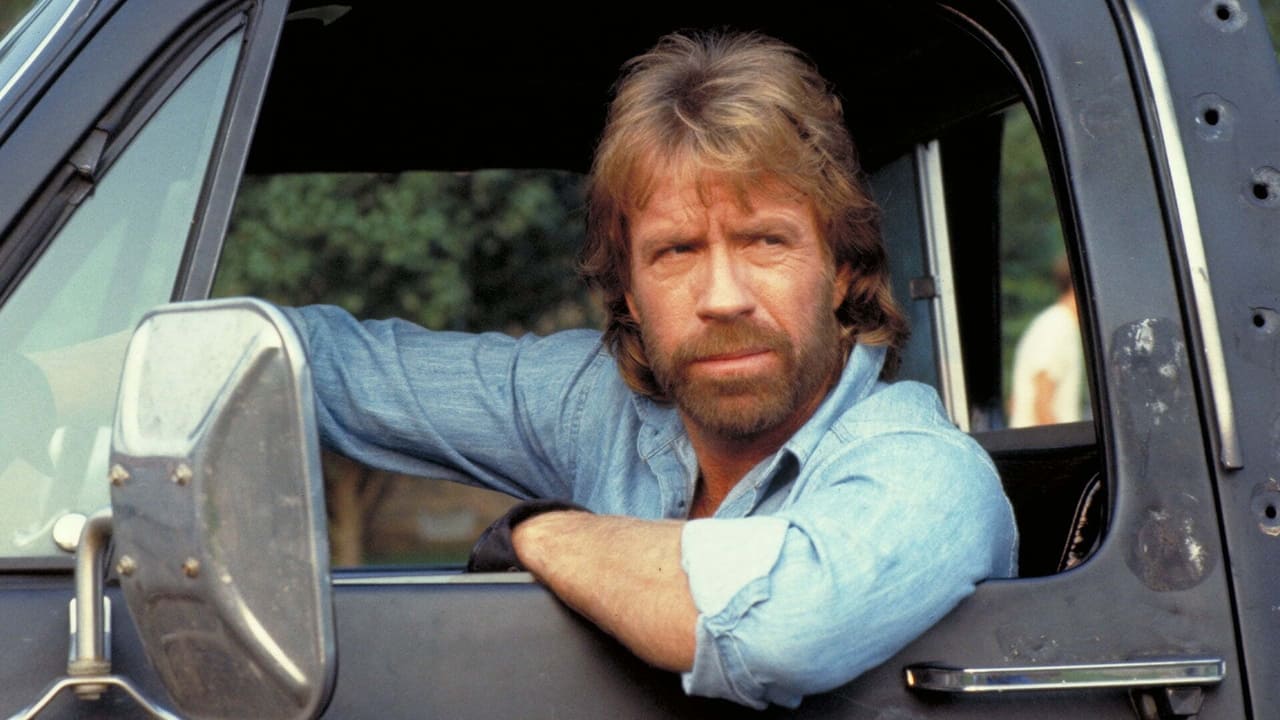
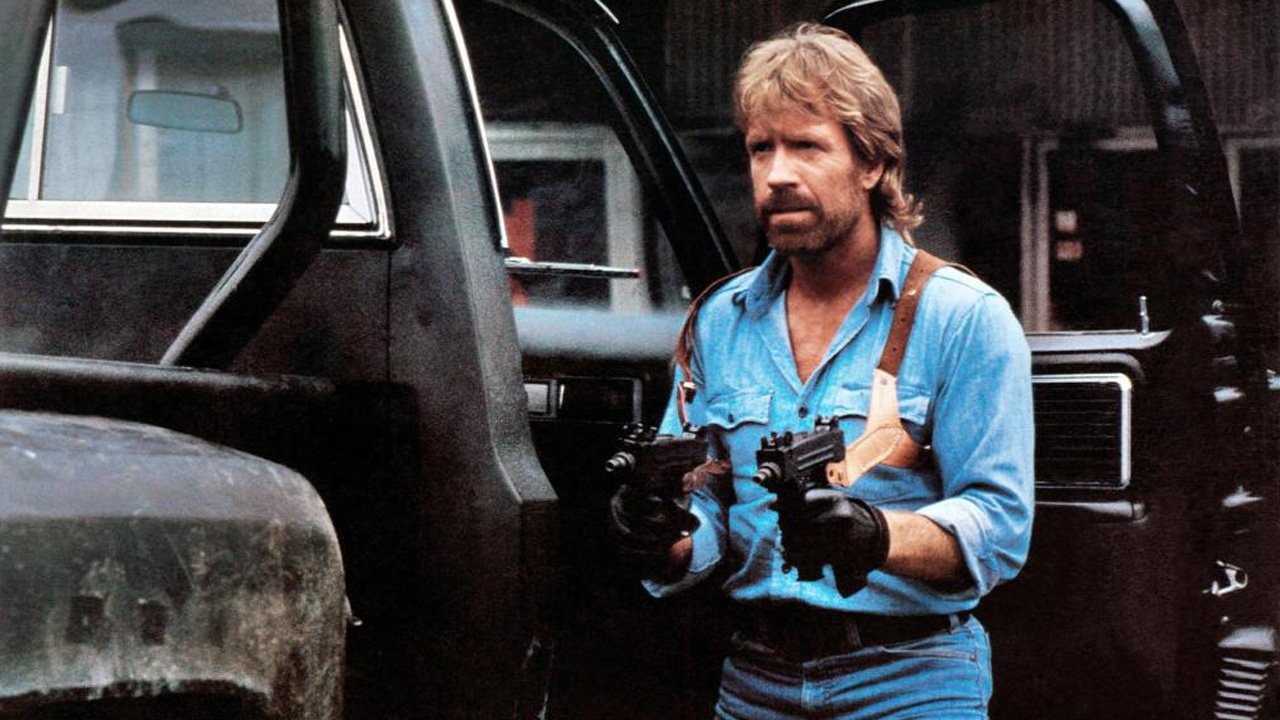
The film notoriously culminates in a showdown involving military hardware rolling through city streets. Wasn't that final confrontation, with Hunter facing down Rostov's rocket launcher armed only with his own ridiculously oversized weapon, the epitome of 80s action movie logic? It didn't need to make perfect sense; it just needed to be awesome. And for its time, it absolutely was. While the budget was a fairly robust (for Cannon) $12 million, they squeezed every penny onto the screen, resulting in a film that looked bigger than its price tag, ultimately pulling in around $17.5 million – a solid, if not spectacular, return back in '85.
### A Time Capsule of Reagan-Era Righteousness
Watching it now, Invasion U.S.A. is undeniably a product of its time. The politics are worn right on its denim-clad sleeve. It’s jingoistic, simplistic, and paints the world in broad strokes of good versus evil. The dialogue can be clunky ("It's time to die," gets uttered more than once), and Melissa Prophet as the tag-along journalist feels more like a plot device than a fully fleshed character. Critics at the time largely dismissed it as exploitative and overly violent, but audiences seeking straightforward, Norris-fueled action found exactly what they were looking for on VHS.
It’s easy to scoff now, but there’s an undeniable charm to its conviction. It commits fully to its premise, never winking at the audience. It’s loud, excessive, occasionally ridiculous, but executed with a B-movie sincerity that’s hard not to appreciate on some level. This wasn't trying to be Gandhi; it was trying to be the ultimate home-front defense fantasy, and in that, it wildly succeeded for its target demographic.
Rating: 6.5 / 10
Justification: It delivers exactly what it promises: non-stop, explosive 80s action centered around a stoic Chuck Norris. The practical effects are often impressive for the budget, and Richard Lynch is a fantastic villain. However, the paper-thin plot, simplistic politics, and sometimes laughable dialogue keep it firmly in the realm of cult enjoyment rather than genuine classic status. It’s dated, sure, but undeniably entertaining if you’re in the mood for some prime Cannon fodder.
Final Thought: Invasion U.S.A. is like finding that favorite mixtape from '85 – a little worn, maybe slightly embarrassing in parts, but crank it up loud, and damn if it doesn't still deliver a jolt of pure, unadulterated, explosive nostalgia. Accept no substitutes... especially digital ones.