Alright, pull up a beanbag chair, maybe crack open a Jolt Cola (if you can still find one!), because tonight we're rewinding back to 1991 and popping in a tape that practically radiates cynical cool and glorious, over-the-top violence: The Last Boy Scout. This wasn't just another action flick cluttering the shelves at Blockbuster; this felt dangerous, like something your parents might raise an eyebrow at if they caught you watching it. And honestly? That was half the fun.
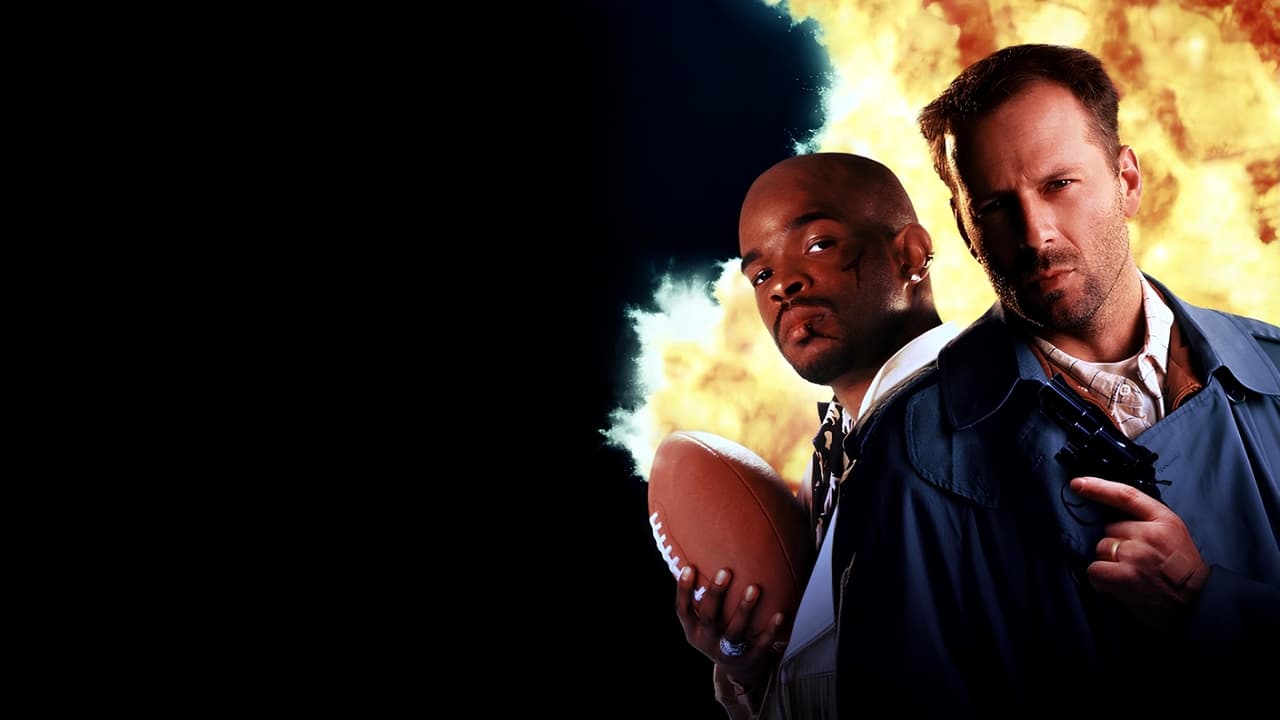
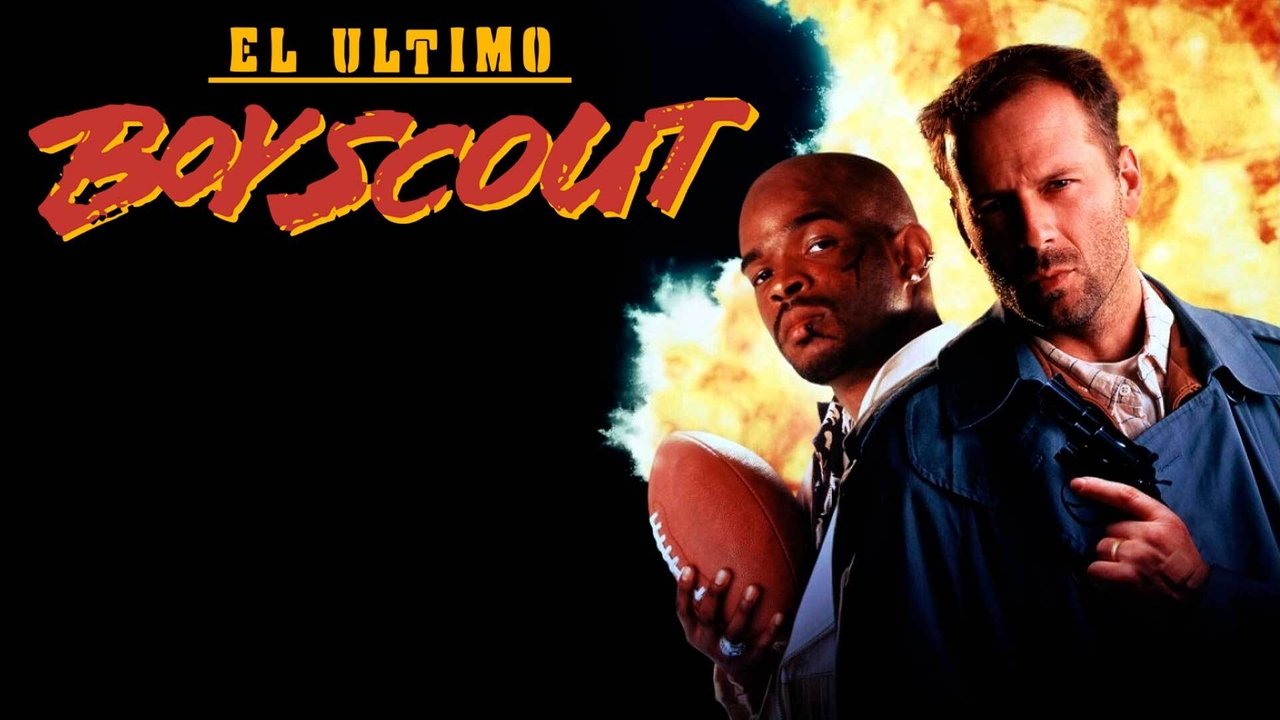
Remember finding this gem, maybe tucked between a Schwarzenegger epic and a Stallone sequel? The cover art – Bruce Willis looking world-weary, maybe Damon Wayans flashing a grin – promised fireworks. And boy, did it deliver, albeit coated in a thick layer of grime, sweat, and existential angst. This film arrived like a punch to the gut, a snarling antidote to some of the cleaner action heroes of the day.
### "Nobody Likes You. Everybody Hates You."
At its core, The Last Boy Scout pairs Joe Hallenbeck (Bruce Willis), a disgraced Secret Service agent turned bottom-feeding private investigator who wakes up needing a cigarette more than air, with Jimmy Dix (Damon Wayans), a charismatic former star quarterback banned from the league for gambling. They stumble into a conspiracy involving sports corruption, political assassination, and enough explosions to make Michael Bay blush. The plot? Honestly, it’s secondary to the vibe.

What truly ignites this powder keg is the screenplay by Shane Black, who was already action royalty after Lethal Weapon (1987). Fresh off a then-record-breaking $1.75 million sale for this script (a fact whispered with awe among film nerds back then!), Black weaponized dialogue. Every line drips with either pitch-black humour, weary cynicism, or outright hostility. Hallenbeck’s put-downs are legendary, little verbal grenades lobbed with deadpan precision. It's the kind of dialogue you’d rewind the tape just to catch again, savouring the sheer audacity. Remember Hallenbeck’s response to being told to "touch me again and I'll kill you"? Pure, uncut 90s nihilism served with a smirk.
### Slick Grit and Gunpowder Glamour
Directing duties fell to the late, great Tony Scott, a man who knew how to make grit look good. Fresh off hits like Top Gun (1986) and Beverly Hills Cop II (1987), Scott brought his signature visual flair – atmospheric smoke, dramatic lighting, and that kinetic energy – to Black's brutal script. The result is a fascinating clash: the dialogue is gutter-level nasty, but the film looks expensive and slick. It’s a rain-soaked LA noir filtered through a high-octane music video aesthetic.
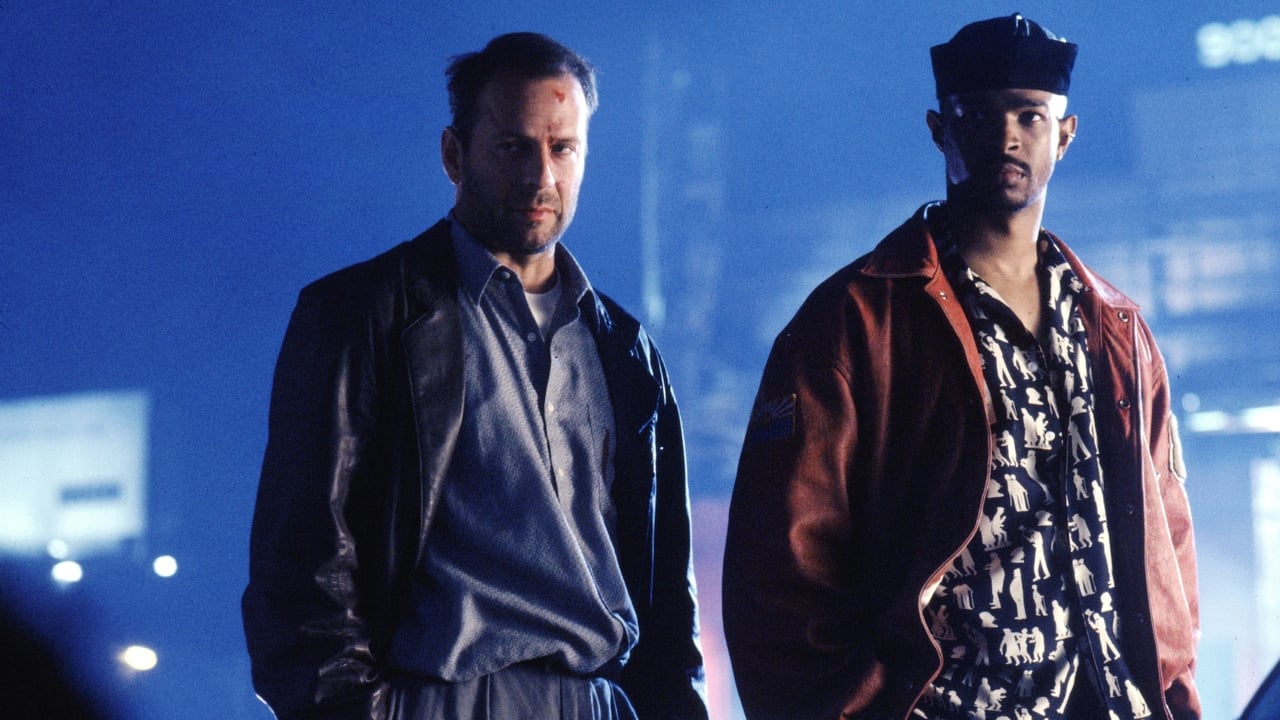
It's well-documented that the production wasn't exactly smooth sailing. Rumours swirled about friction between Willis and Wayans, and major script rewrites reportedly occurred, much to Shane Black's chagrin (he's famously been critical of the final product). Producer Joel Silver, known for his bombastic style, undoubtedly left his fingerprints all over it too. Yet, somehow, this chaotic energy translates onto the screen. The tension feels palpable, not just in the plot, but seemingly between the very people making the movie. It adds another layer to the film's abrasive charm.
### Real Stunts, Real Stakes
Let’s talk action, because The Last Boy Scout delivers it raw and unfiltered. This was the era of glorious practical effects, where explosions felt concussive and stunt performers genuinely put their lives on the line. Remember that opening sequence? A rain-soaked football game under the lights, a running back pulling out a .44 Magnum... it was shocking, audacious, and set the tone immediately. No slick CGI blood puffs here – those squibs felt visceral, messy.
The car chases, the shootouts, the bone-crunching fights – they have a weight and impact that often feels missing today. When a car flips, it feels like tons of metal actually mangling itself. The finale, a chaotic mess of gunfire and last-minute heroics at a stadium, is pure early 90s excess. You can almost smell the cordite. Wasn't there something incredibly satisfying about seeing those real, tangible pyrotechnics light up the screen on your flickering CRT? It felt grounded, dangerous, even amidst the absurdity. They really blew stuff up.
Willis, already cemented as an action icon thanks to Die Hard (1988), leans heavily into the "down-on-his-luck burnout" persona here, arguably creating his most cynical screen character. Wayans, primarily known for comedy like In Living Color at the time, holds his own, providing a necessary spark against Willis's simmering rage. Their chemistry is abrasive, built on mutual antagonism rather than buddy-cop warmth, which perfectly suits the film's sour disposition. Keep an eye out too for memorable turns from Chelsea Field as Joe’s estranged wife and the always-slimy Taylor Negron as the primary henchman, Milo.
### Cult Status Achieved
Upon release, The Last Boy Scout did respectable business (pulling in around $59.5 million domestically against a sizable budget, roughly $130 million today), but critical reaction was decidedly mixed. Many found it excessively violent and mean-spirited. Yet, like so many films from the VHS era, it found its true audience on home video. Renting this tape felt like discovering a hidden, slightly dangerous secret. It became a cult classic, celebrated for its unapologetic attitude, quotable lines, and explosive action. It’s a time capsule of a certain brand of macho, cynical filmmaking that dominated the early 90s.
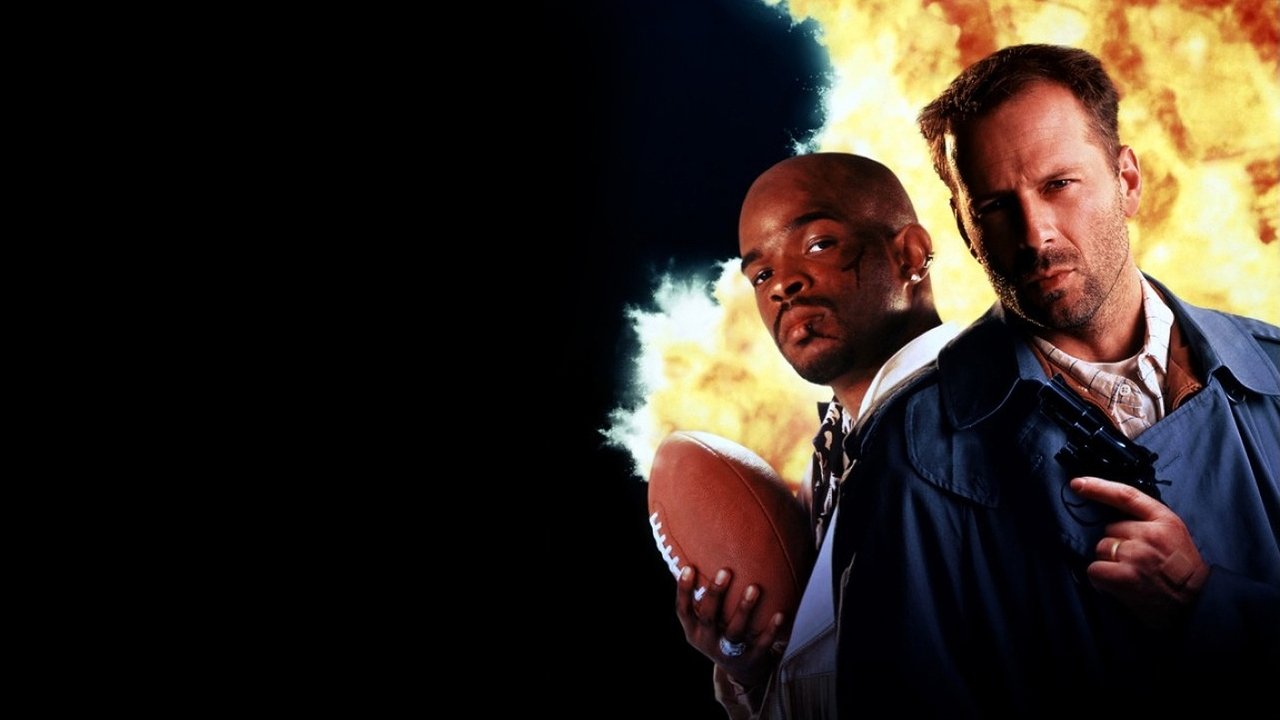
Rating: 8/10
Justification: While the plot has some convenient leaps and the unrelenting cynicism might not be for everyone, The Last Boy Scout earns its score through sheer force of personality. Shane Black's hyper-violent, hyper-verbal script is iconic, Tony Scott's direction gives it a grimy gloss, and the central performances crackle with antagonistic energy. Crucially, the practical action sequences remain thrillingly visceral, a testament to the raw power of pre-CGI stunt work and pyrotechnics that defined the era. It's not subtle, it's not always pleasant, but it's undeniably entertaining and memorable.
Final Thought: This tape wasn't just a rental; it was a blast radius you willingly stood next to. It’s the cinematic equivalent of whiskey neat and a lit cigarette – harsh, potent, and leaves a lasting impression. Still kicks like a mule, even after all these years.