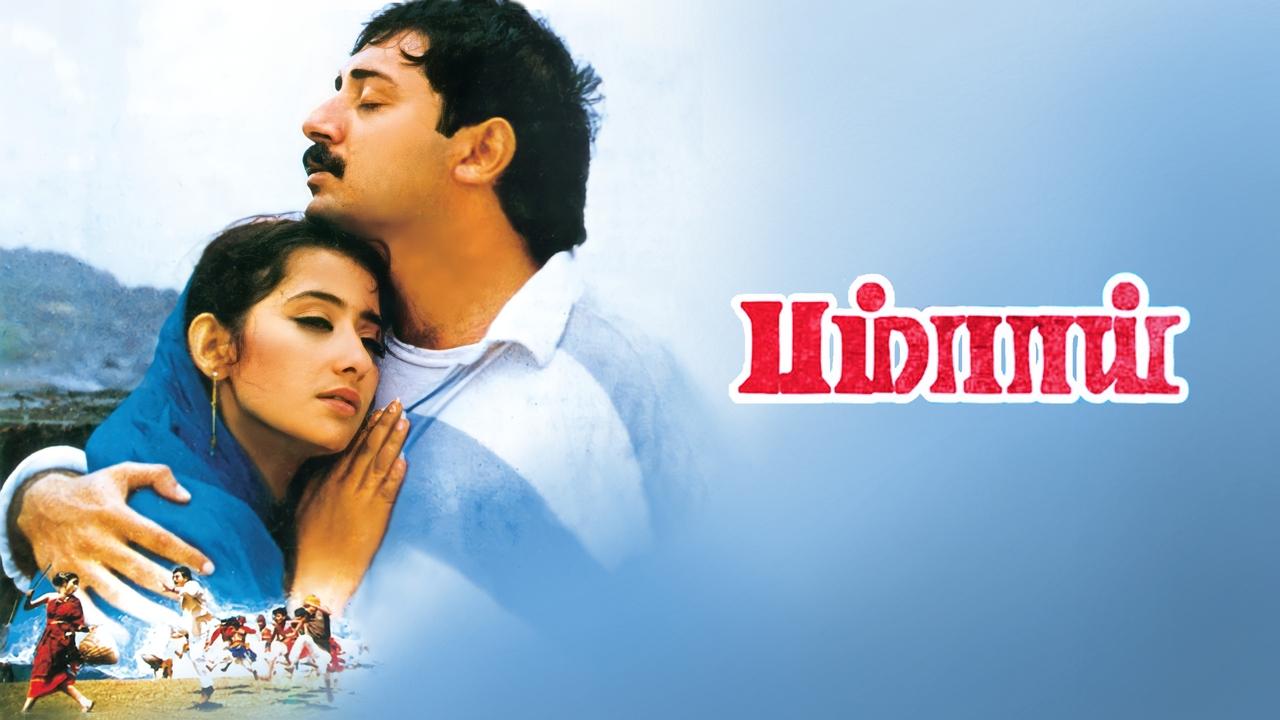
Few films arrive with the force of a whispered secret that suddenly erupts into a national conversation. Back in 1995, getting your hands on a copy of Mani Ratnam’s Bombay (sometimes found on import tapes labelled Bombāyi for the original Tamil release) felt like accessing something vital, something dangerous even. It wasn't just another movie; it was an event, charged with the raw energy of recent history and the audacity of its telling. This wasn't a film you simply watched; it was one you absorbed, one that burrowed under your skin and stayed there long after the VCR whirred to a stop.

Love Against the Flames
At its heart, Bombay is a deceptively simple story: Shekhar (Arvind Swamy), a Hindu journalism student from a traditional village, falls in love with Shaila Banu (Manisha Koirala), a Muslim girl from the same village, during a visit home. Their families, steeped in generations of mutual suspicion and prejudice, vehemently oppose the union. The couple elopes to the sprawling, seemingly anonymous metropolis of Bombay (now Mumbai), hoping to build a life free from the constraints of their origins. They marry, have twin sons, and for a time, find a fragile peace. But the city, and the country, are simmering. The narrative unfolds against the backdrop of escalating communal tensions, culminating tragically in the Bombay riots of 1992-93 following the demolition of the Babri Masjid.
What Mani Ratnam, already a celebrated name after Roja (1992), achieves here is extraordinary. He takes a deeply controversial and painful chapter of recent Indian history and filters it through the intimate lens of a love story. It's a high-wire act. Some critics at the time argued it oversimplified complex socio-political issues, reducing deep-seated hatred to misunderstandings that could be resolved with a climactic plea for unity. And perhaps there's a grain of truth there; the resolution feels idealistic, almost achingly hopeful. Yet, isn't that precisely the point? Ratnam isn't aiming for a detached political treatise; he's crafting a powerful emotional appeal, using the universal language of love, family, and loss to condemn the senselessness of hatred.
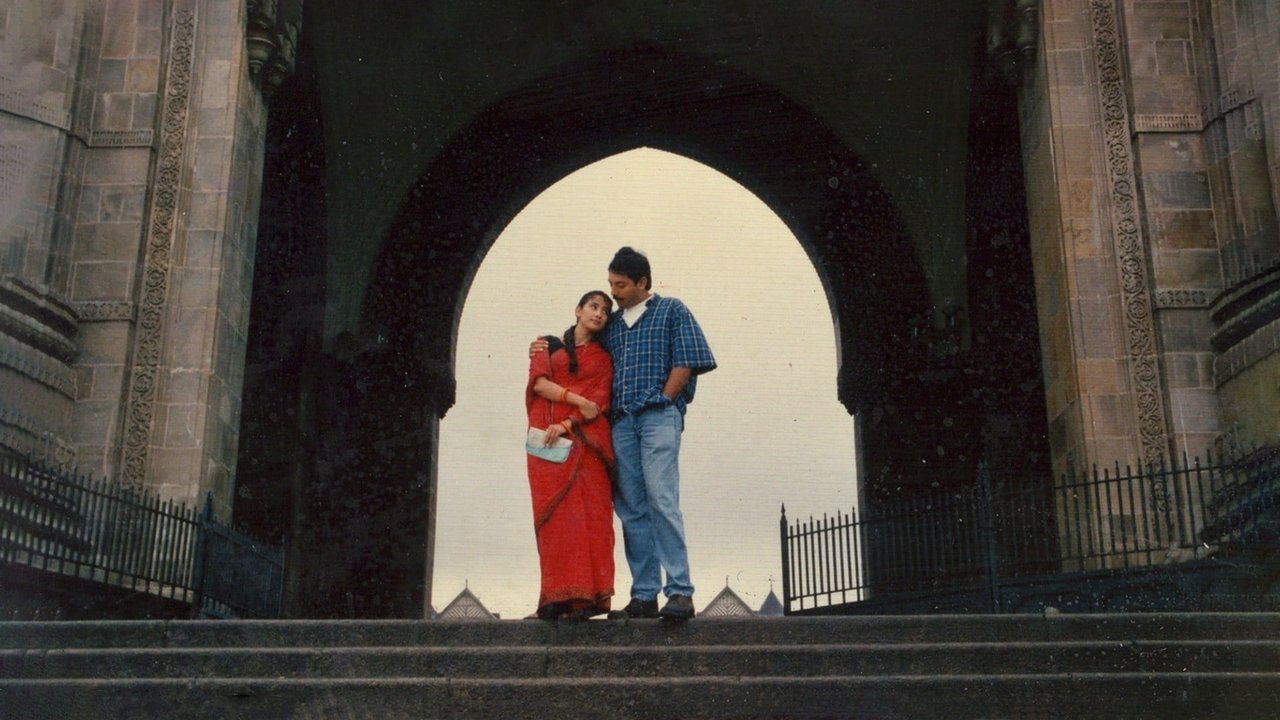
The Pulse of the City, The Beat of the Heart
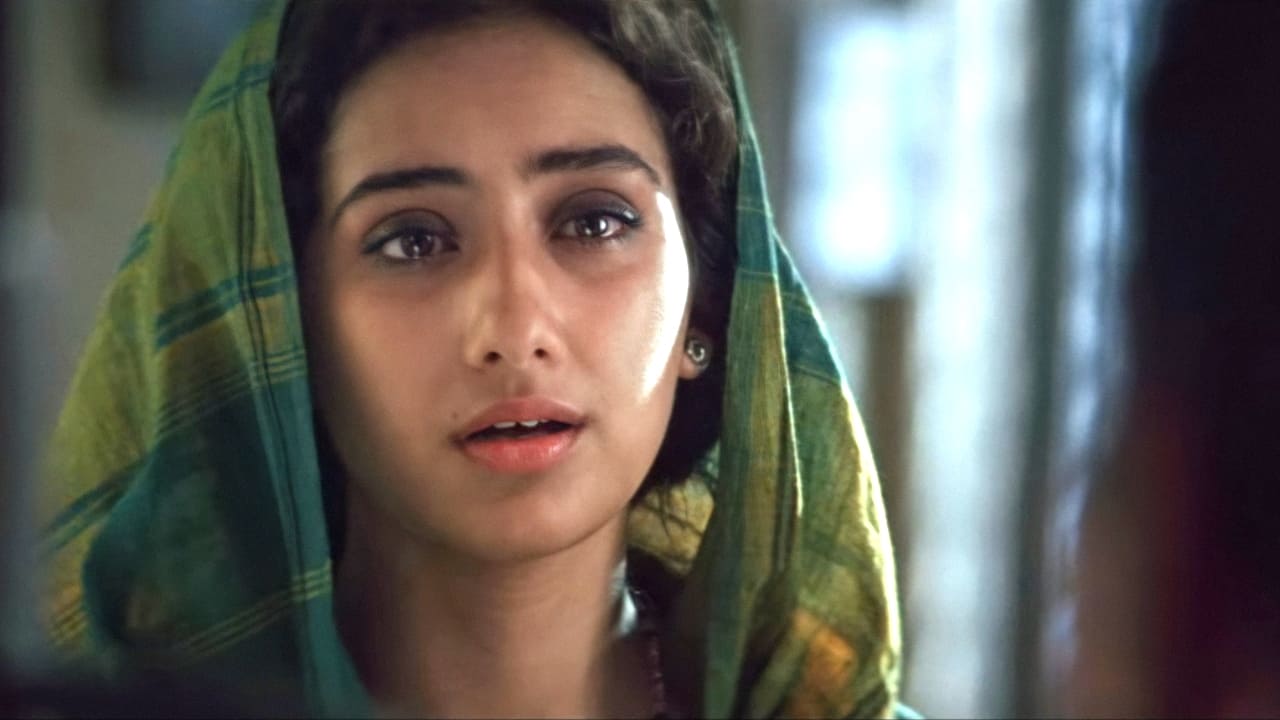
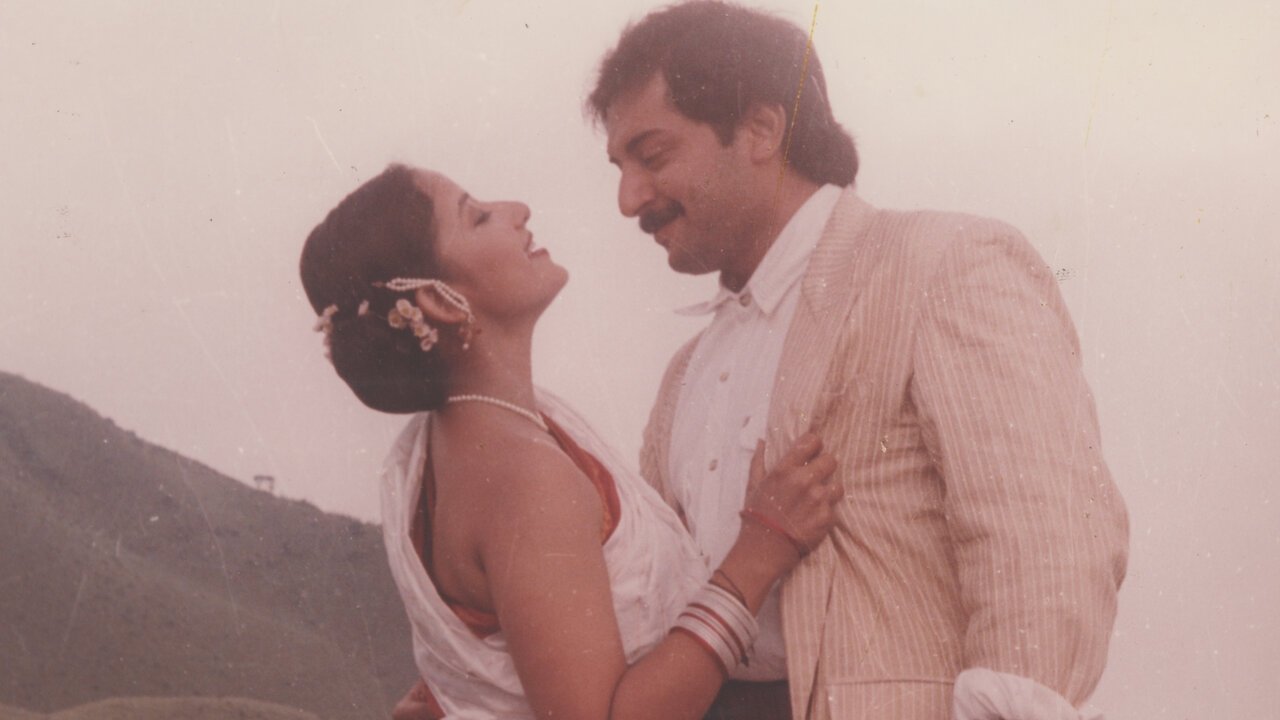
The performances are key to the film's devastating impact. Arvind Swamy, then a heartthrob after Roja, brings a quiet intensity to Shekhar, his initial idealistic pursuit of love hardening into protective desperation. But it's Manisha Koirala who is the revelation. In her first Tamil film, she embodies Shaila Banu with breathtaking vulnerability and resilience. Her eyes convey worlds of fear, love, and ultimately, profound grief. The chemistry between the leads is palpable, making their struggle entirely believable and their pain deeply felt. Their early courtship, depicted through stunning cinematography by Santosh Sivan and those unforgettable song sequences, feels joyous and pure, making the later descent into chaos all the more heartbreaking. Supporting actors, including Nassar as Shekhar's staunchly traditional father, provide crucial grounding.
And then there’s the music. It's impossible to discuss Bombay without dwelling on A.R. Rahman’s score. Released just a few years after his groundbreaking debut with Roja, the Bombay soundtrack was a phenomenon. It wasn’t just background music; it was the film's soul, seamlessly blending soaring romantic melodies ("Kannalane"/"Kehna Hi Kya"), haunting spiritual pleas ("Uyire Uyire"/"Tu Hi Re"), and pulsating, percussive tracks that captured the city's frenetic energy and rising panic. Hearing "Hamma Hamma" blast from car stereos or the poignant notes of the "Bombay Theme" felt like witnessing a seismic shift in Indian film music. Rahman’s score wasn't just popular; it redefined how music could integrate with narrative, becoming as iconic as the film itself. It reportedly sold over 15 million units, an astronomical figure that cemented Rahman's status as a musical visionary.
Echoes in the Static
Watching Bombay today, certain elements might feel of their time – the specific fashion, the slightly heightened melodrama in moments. But the core message, the plea for tolerance and understanding in the face of divisive forces, feels depressingly relevant. The film faced significant hurdles before release, navigating censorship battles due to its sensitive subject matter. Several scenes depicting political figures and specific inflammatory moments were altered or removed. Ratnam himself reportedly received threats. That the film was made and released at all, becoming a massive critical and commercial success across India despite the controversies (grossing multiples of its estimated ₹4 crore budget – a significant sum then), speaks volumes about its resonance. It wasn't just a Tamil film dubbed into Hindi and Telugu; it felt like a shared national experience, however painful.
The depiction of the riots themselves is harrowing. Ratnam doesn't shy away from the brutality, but he frames it through the terrified eyes of Shekhar and Shaila searching for their lost children. The chaos is overwhelming, visceral. The famous sequence where the lost twins, Kabir Narayan and Kamal Basheer, stand bewildered amidst the violence, one marked Hindu, the other Muslim, is a potent symbol of innocence caught in the crossfire. It’s a moment that transcends language and politics, hitting you right in the gut.
***
Bombay remains a landmark film. It’s a powerful, often difficult watch, but its artistry, passionate performances, and unforgettable score make it essential viewing. It dared to confront a national trauma through a deeply personal story, offering not easy answers, but a desperate, heartfelt plea for humanity. It reminds us that even in the darkest times, the bonds of love and family endure, and that the fight for unity, however idealistic, is always worth undertaking. Holding that worn VHS box felt like holding something important, something that mattered. And it still does.
Rating: 9/10
Final Thought: A film that masterfully blends epic historical tragedy with intimate human drama, powered by career-defining performances and one of the most iconic soundtracks of the 90s – Bombay’s plea for love over hatred continues to echo long after the screen fades to black.