It often starts with a song, doesn't it? A melody that burrows into your memory, long after the credits have rolled and the VCR has clicked off. For many of us encountering Mani Ratnam’s Roja (1992) back in the day, often on a slightly fuzzy nth-generation tape, it was the music that first snagged our attention. A sound so fresh, so vibrant, it felt like a different language even before we processed the story it accompanied. Little did we know we were hearing the birth cries of a phenomenon – the cinematic debut of composer A. R. Rahman.
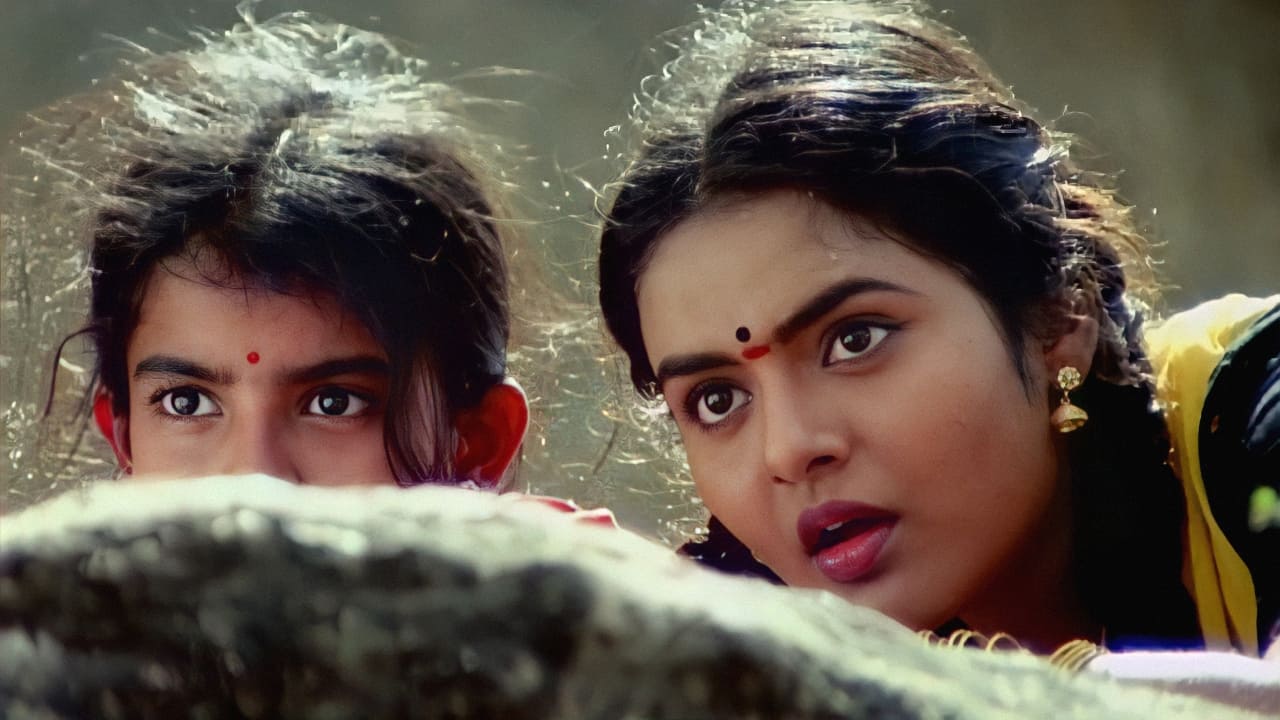
But Roja is far more than just its groundbreaking soundtrack. It’s a film that arrived with the quiet confidence of a master storyteller, blending tender romance with the harsh realities of political conflict in a way that felt startlingly immediate, even through the flickering lens of a CRT screen.
From Gentle Streams to Raging Rivers
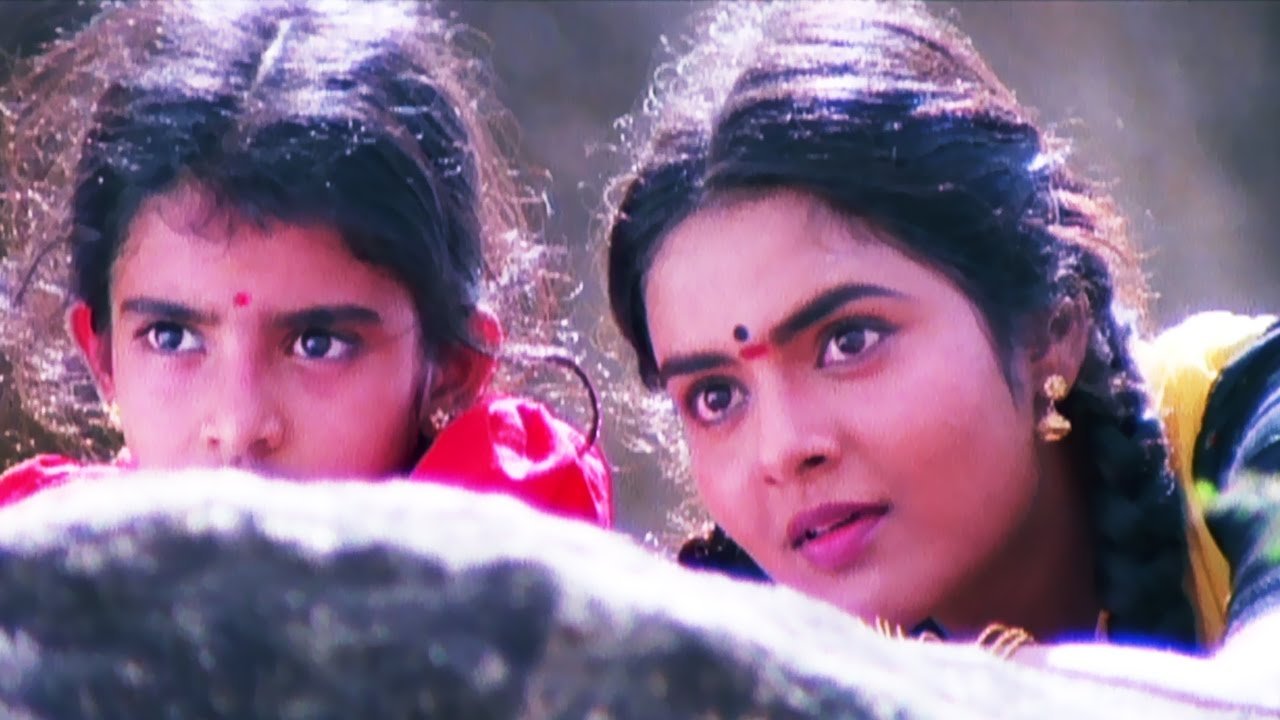
The film opens with deceptive simplicity. We meet Roja (Madhoo), a vibrant young woman in a peaceful Tamil Nadu village. Through circumstances both traditional and touched by gentle humour, she finds herself in an arranged marriage with Rishi (Arvind Swamy), a cryptographer working for the Indian government. Ratnam paints their blossoming relationship with delicate strokes – the initial awkwardness, the growing affection, the quiet understanding that builds between two people finding their footing together. There's a warmth here, an authentic portrayal of nascent love that feels earned. I remember renting this, perhaps expecting a straightforward romance, and being utterly charmed by their chemistry. Madhoo, in particular, radiates an infectious innocence, perfectly capturing the wide-eyed wonder of her character's world expanding. Arvind Swamy, then a relative newcomer who quickly became a heartthrob, brings a quiet intensity and intelligence to Rishi.
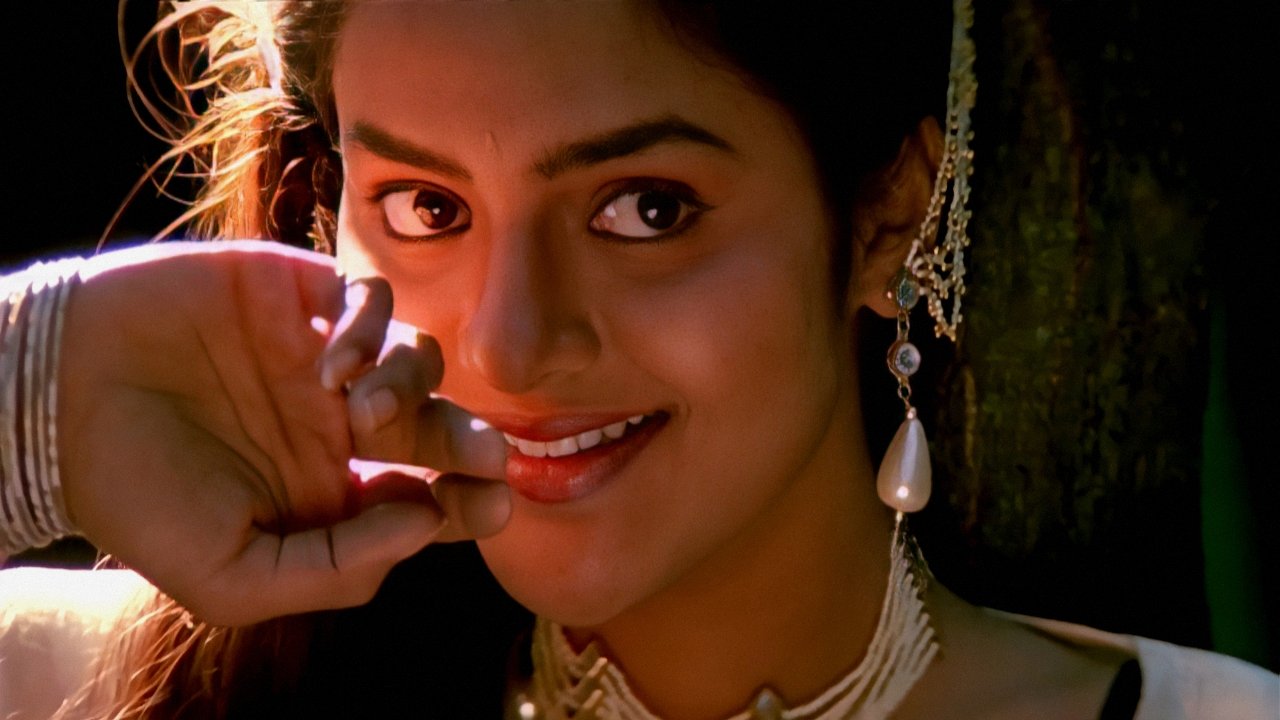
Their journey takes them to Kashmir, a place depicted with breathtaking beauty – snow-capped peaks, serene landscapes. Ratnam masterfully uses this scenery not just as a backdrop, but as a contrast to the simmering tensions beneath the surface. It’s this idyllic setting that is shattered when Rishi is abducted by militants seeking the release of their leader, Wasim Khan (Pankaj Kapur).
A crucible of courage
This is where Roja shifts gears, transforming from a romance into a tense political thriller, anchored firmly by Madhoo’s extraordinary performance. Her Roja is ripped from the cocoon of her simple life and thrust into a Kafkaesque nightmare of bureaucracy, language barriers, and political indifference in a land ravaged by conflict. We watch her navigate indifferent officials and military commanders, her initial tearful pleas evolving into a fierce, unwavering determination. It’s a portrayal of resilience that feels incredibly powerful and true. What does one ordinary person do when confronted by forces far larger than themselves? Roja’s journey forces us to ask just that. Her desperation is palpable, her courage infectious.
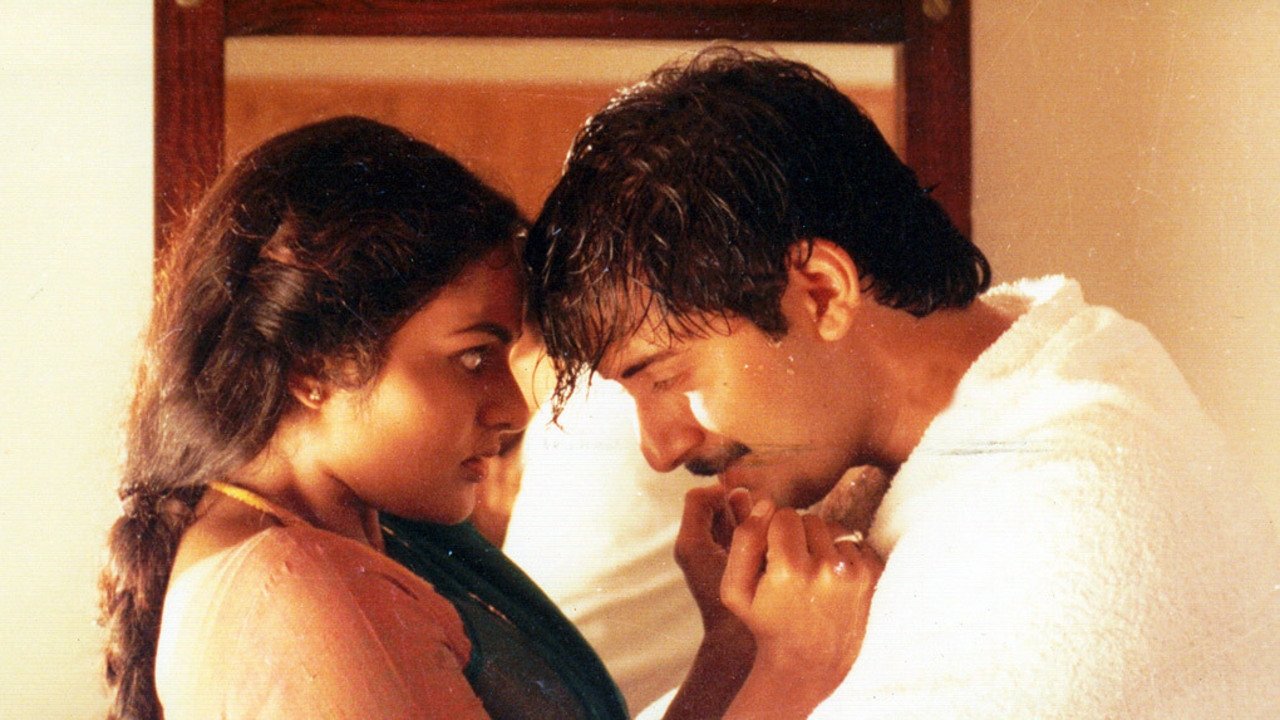
On the other side of the conflict, Pankaj Kapur delivers a performance of remarkable depth as the militant leader Liaqat. He avoids the trap of portraying a one-dimensional villain. Instead, we see a man driven by ideology, capable of both ruthlessness and moments of reflection. The interactions between Rishi and his captors, particularly Liaqat, explore complex questions about patriotism, freedom, and the human cost of entrenched conflict, refusing easy answers. Mani Ratnam, known for tackling sensitive subjects (as seen later in Bombay (1995) and Dil Se.. (1998)), navigates this treacherous terrain with a surprising degree of nuance for its time.
The Sound of a New Era
And then, there’s the music. It’s impossible to overstate the impact of A. R. Rahman’s score. This wasn't just a soundtrack; it was a seismic shift in Indian film music. Rahman blended traditional Indian melodies, Western orchestral arrangements, contemporary rhythms, and electronic textures into something utterly unique. Tracks like "Chinna Chinna Aasai" (Little Little Desires) captured Roja’s innocent yearning, while the haunting title track became an anthem. The score wasn’t just accompaniment; it was an integral part of the storytelling, amplifying the emotion, underscoring the tension, and lodging itself permanently in the cultural consciousness. It's a fascinating piece of trivia that Rahman, just 25 at the time, reportedly composed the score using advanced (for the era) synthesizer technology in his own backyard studio, signalling a change not just in sound but in production methods. The score won him the National Film Award, the first of many accolades.
Behind the Scenes in a Troubled Land
Shooting Roja wasn't without its challenges. While some scenic portions were filmed in locations like Ooty and Manali to capture the idyllic beauty associated with Kashmir, the political instability in the actual Kashmir Valley during the early 90s presented significant logistical and safety hurdles. Ratnam and his team had to navigate these difficulties, adding another layer of realism to the film's depiction of a region under duress. The film itself, originally made in Tamil, became a national sensation when its dubbed Hindi version found massive success, breaking regional barriers in a way few films had before. It grossed several times its modest budget (reports vary, but estimated around ₹1 crore, which felt substantial then!), proving that powerful storytelling could transcend language. It even garnered international attention, playing at festivals and finding its way onto those coveted import VHS shelves in shops catering to world cinema fans.
The Echoes of Roja
Watching Roja today, decades removed from its initial release, its power remains largely undimmed. The specific political context may have evolved, but the core themes – the resilience of the human spirit, the devastating personal impact of conflict, the search for common ground across divides, and the enduring power of love – still resonate deeply. The performances feel authentic, Ratnam’s direction is assured, and Rahman’s music remains timeless. Some might find certain plot elements simplified by today's standards, perhaps, but the emotional core holds firm. It stands as a testament to the power of popular cinema to tackle complex issues with intelligence and heart.
Rating: 9/10
This score reflects the film's groundbreaking music, powerful performances (especially from Madhoo and Pankaj Kapur), confident direction, and its courageous attempt to explore complex themes within a mainstream framework. It transcended its regional origins to become a national cultural event, launching A. R. Rahman's legendary career and leaving an indelible mark on Indian cinema. Minor dated elements or narrative simplifications slightly temper a perfect score, but its impact and artistry are undeniable.
Roja isn't just a film; it's a feeling, an experience. It’s the chill of the mountain air, the warmth of burgeoning love, the ice-cold grip of fear, and the defiant spark of hope, all carried on the unforgettable wings of its music. It reminds us that even amidst the noise of conflict, the quiet voice of humanity can still demand to be heard. What lingers most, perhaps, is the question: how much are we willing to fight for the ones we love, and for the simple idea of home?