Okay, settle in, fellow tape travelers. Remember browsing those slightly dusty shelves, maybe venturing beyond the usual action or horror aisles into the 'World Cinema' section, if your local rental joint even had one? Sometimes you’d stumble upon something unexpected, a cover promising colour, drama, and maybe music unlike anything dominating the US charts. That’s precisely the feeling evoked when thinking back to discovering Sanjay Leela Bhansali’s sweeping 1999 romance, Hum Dil De Chuke Sanam (translates roughly to I Have Given My Heart, Darling). Even on a standard-def CRT, the sheer vibrancy and scale felt like a revelation, a different kind of cinematic language unfolding on that worn VHS tape.
A Canvas of Grand Emotion
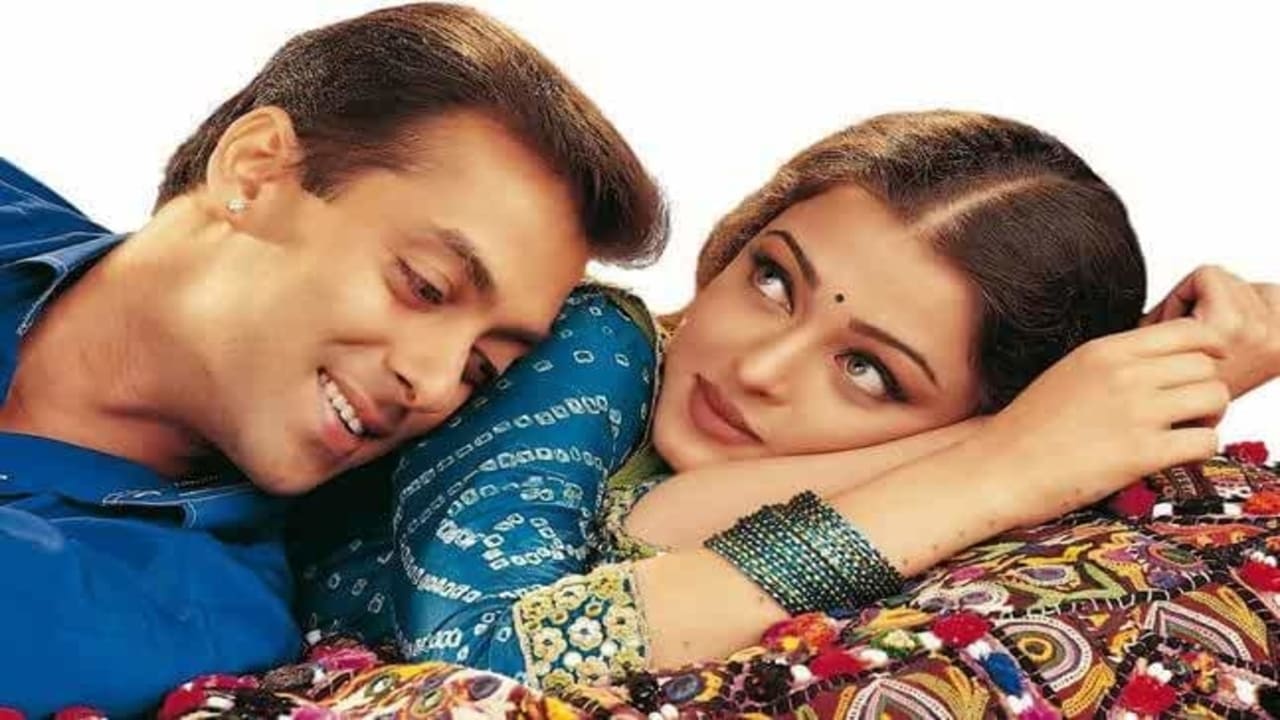
From the opening frames, Bhansali, who also co-wrote the screenplay alongside Kenneth Philips and Amrik Gill, announces his intentions. This isn't just a love story; it's an opera of feeling, painted across vast, vibrant landscapes. Set initially amidst the colourful traditions and sprawling havelis of Gujarat, the film introduces us to Nandini (Aishwarya Rai), the spirited daughter of a renowned classical musician. Into her vibrant world steps Sameer (Salman Khan), a flamboyant Indo-Italian student who arrives to learn music from her father. The predictable sparks fly, blossoming into a passionate, albeit forbidden, romance set against stunning backdrops and intoxicating musical numbers. Bhansali uses the setting not just as scenery, but as an extension of the characters' inner lives – the joyous chaos of festivals mirroring their burgeoning love, the intricate architecture hinting at the complex emotions beneath the surface.
The Heart's Turbulent Triangle
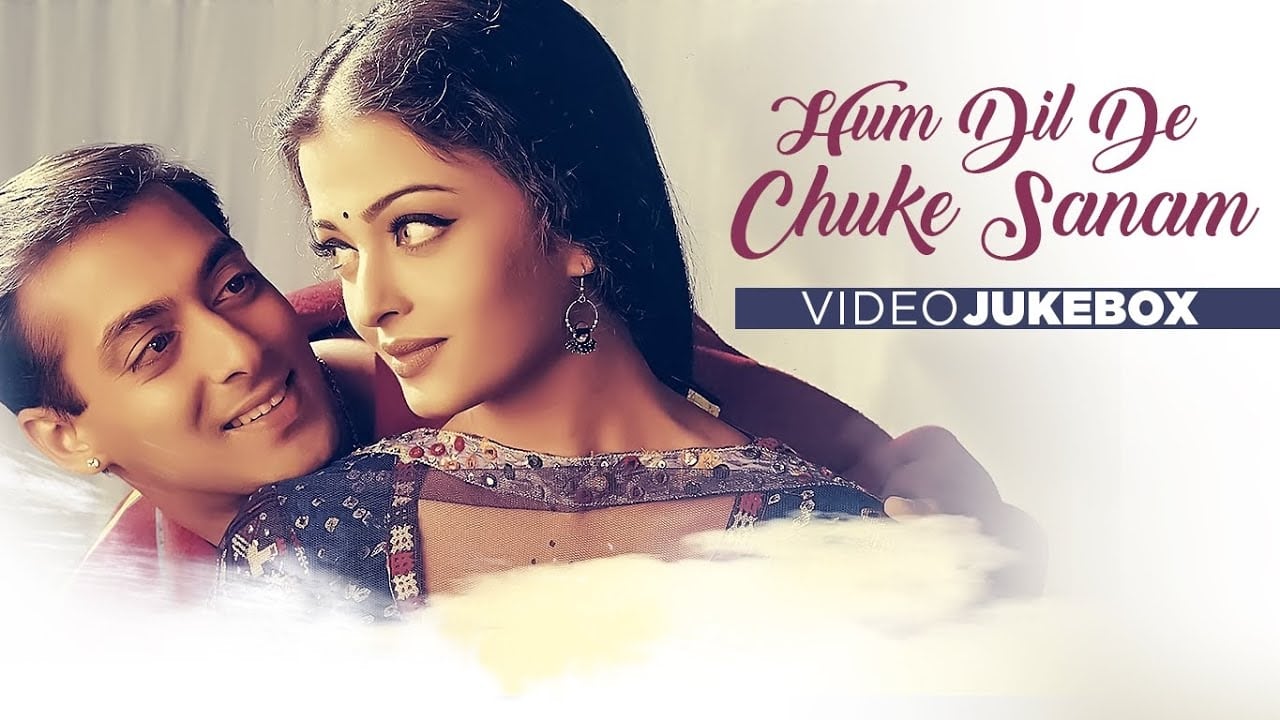
The core conflict arrives when Nandini's family arranges her marriage to the kind, honourable lawyer Vanraj (Ajay Devgn), who genuinely falls for her. Nandini, heartbroken but dutiful, goes through with the wedding. The film’s second half takes a dramatic turn, shifting locations to Europe (mostly Budapest standing in beautifully for Italy) as Vanraj, upon discovering his wife's past love and enduring heartache, makes the extraordinary decision to help Nandini find Sameer and reunite them. It's this central premise – a husband undertaking a journey to unite his wife with her former lover – that elevates the film beyond a standard romantic triangle. It forces us to ask questions about love, duty, sacrifice, and the very definition of marriage. Doesn't Vanraj’s quiet dignity challenge our notions of romantic heroism?
Performances Forged in Passion
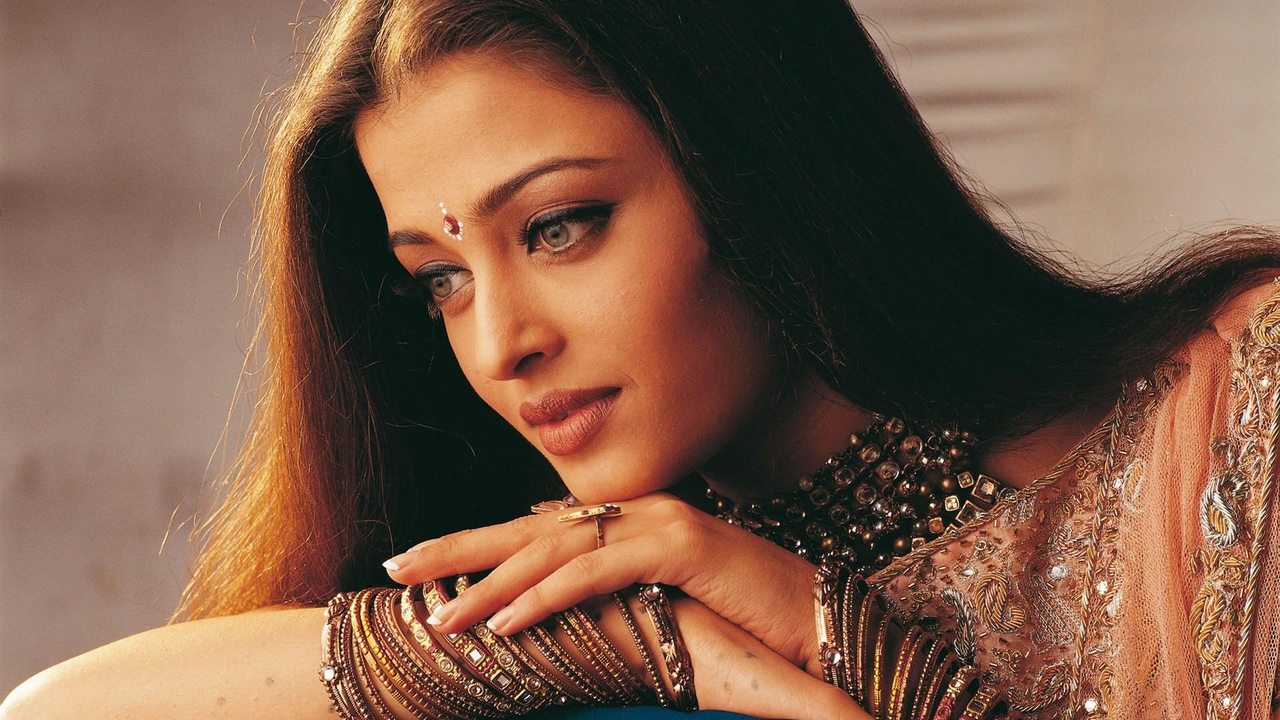
While the spectacle is undeniable, the film rests heavily on its central trio. This was a defining role for Aishwarya Rai. Fresh off her Miss World win a few years prior, here she truly commands the screen, navigating Nandini’s journey from carefree effervescence to profound emotional turmoil with startling grace. You see the conflict warring within her – the memory of fierce passion versus the dawning appreciation for quiet devotion. Opposite her, Salman Khan embodies the impulsive, artistic Sameer with characteristic energy and charm. Their chemistry is palpable, fuelled perhaps, as behind-the-scenes buzz heavily suggested at the time, by their real-life relationship during the film's production, adding a layer of meta-narrative for audiences then.
Yet, it’s Ajay Devgn as Vanraj who delivers the film's quiet soul. In a role that could easily have been thankless, he brings immense depth and understated strength. His pain is visible, yet his resolve to honour Nandini’s happiness is unwavering. It’s a performance of profound maturity, providing the necessary grounding counterbalance to Sameer's fiery passion. Watching him navigate his own heartbreak while facilitating Nandini's quest is genuinely moving.
Retro Fun Facts Woven In
Hum Dil De Chuke Sanam wasn't just a movie; it was a cultural event in India.
- Musical Magic: The soundtrack by composer Ismail Darbar was colossal, dominating the airwaves. Songs like "Nimbooda" and "Dholi Taro Dhol Baaje" became instant classics, their intricate choreography and vibrant staging becoming benchmarks. Remember trying to mimic those moves?
- Source Material: While an original story by Bhansali, it carries echoes of Maitreyi Devi's Bengali novel Na Hanyate and reportedly drew some inspiration from older Hindi films dealing with similar themes, like Woh Saat Din (1983). Bhansali was weaving existing threads into a grander tapestry.
- Budget to Blowout: Made on a substantial budget for the time (around ₹16 crore, roughly $3.7 million USD back then), its box office success (grossing over ₹51 crore, or $11.8 million USD) cemented Bhansali's status as a director capable of delivering massive, visually stunning hits. It swept major awards in India that year.
- Bhansali's Vision: This film truly marked the arrival of Bhansali's signature style – opulent sets, meticulous costume design, dramatic lighting, and a near-operatic emotional scale. He was known even then for being a demanding taskmaster to achieve his vision. The sheer logistics of filming those elaborate dance sequences and capturing the beauty of both Gujarat and Budapest were considerable undertakings.
Beyond the Spectacle
Yes, the film is long (clocking in at over three hours, typical for Bollywood epics then), and yes, the melodrama runs high at times. Certain plot conveniences might raise an eyebrow in hindsight. But to focus solely on that is to miss the forest for the trees. Bhansali crafts an experience. The cinematography is lush, the score is unforgettable, and the emotional core, particularly Vanraj's selfless journey, remains potent. It explores the complexities of love found, love lost, and love rediscovered in unexpected forms. It makes you ponder: what constitutes a deeper connection – the fiery passion of first love, or the quiet understanding and sacrifice born of commitment?
Rating: 8/10
This score reflects the film's undeniable artistic achievements – its stunning visuals, powerhouse performances from Rai and Devgn, and an iconic soundtrack that defined an era. It captures a specific moment in Bollywood history, pushing the boundaries of romantic storytelling with scale and emotional depth. The slight deduction acknowledges the runtime and occasional melodramatic flourishes characteristic of its time, which might test the patience of some viewers accustomed to tighter pacing, but these don't fundamentally break the film's powerful spell.
Hum Dil De Chuke Sanam was more than just a rental; for many who stumbled upon it, it was an immersion into a world of heightened emotion and visual splendour. It remains a testament to the power of grand, heartfelt filmmaking, leaving you with lingering questions about the choices we make for love, long after the tape finished rewinding.