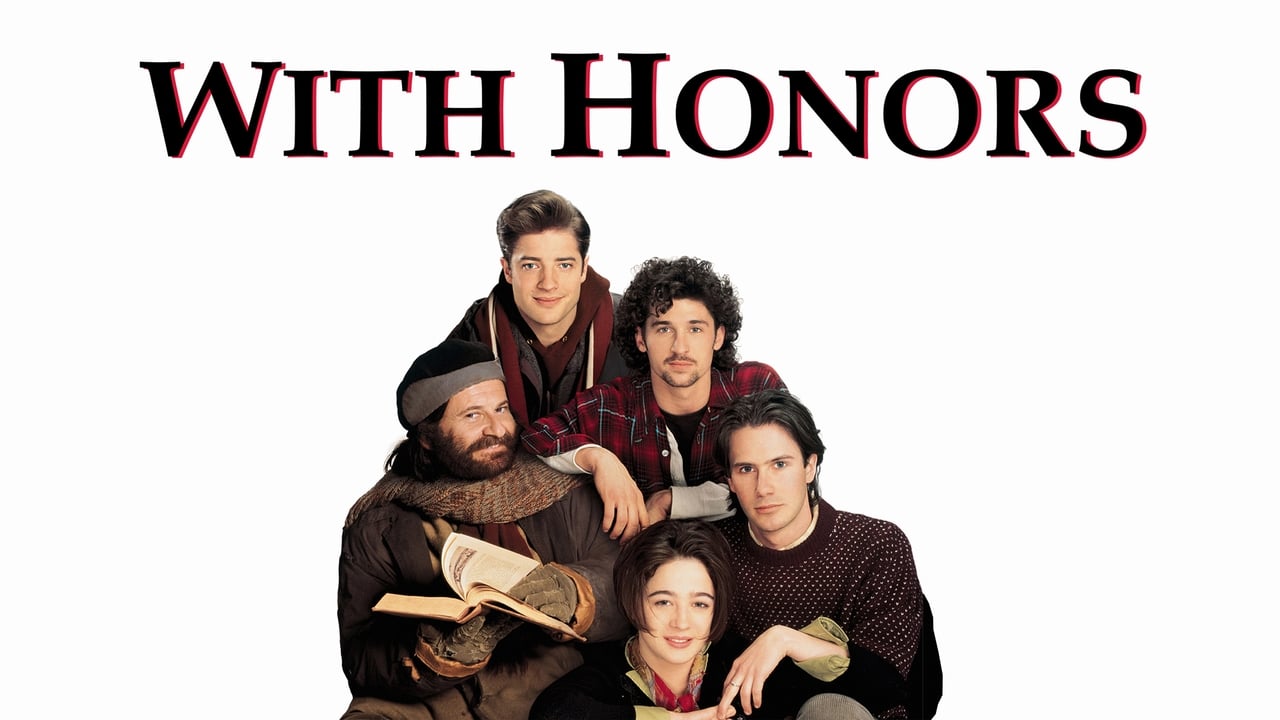
It begins, as many moments of profound change do, with a simple accident. A dropped piece of paper – a nearly completed Harvard honors thesis, the culmination of years of striving – slips through a grate, landing in the subterranean dwelling of a man the world has seemingly forgotten. This single, fragile document becomes the unlikely bridge between two vastly different lives in Alek Keshishian's 1994 drama, With Honors. Watching it again now, decades after pulling that distinctive clamshell case off the rental shelf, evokes a particular brand of earnest, sometimes sentimental, 90s storytelling that feels both familiar and surprisingly resonant.
The Accidental Mentor
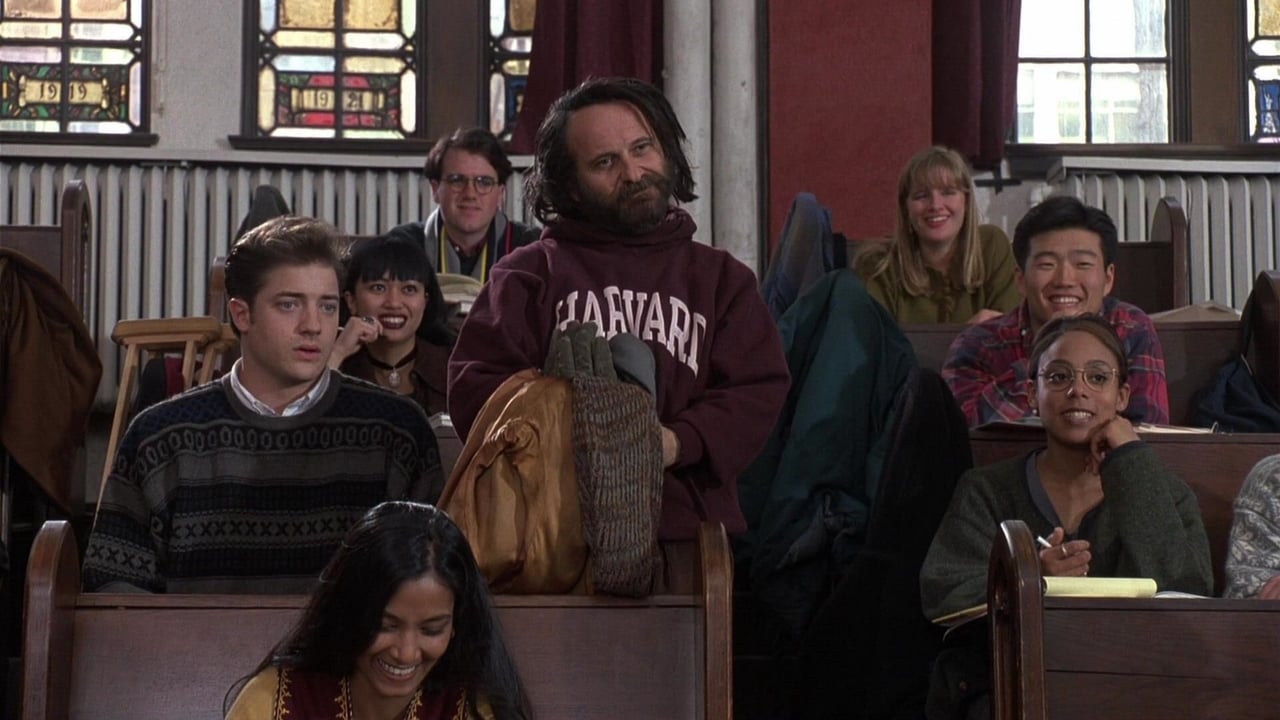
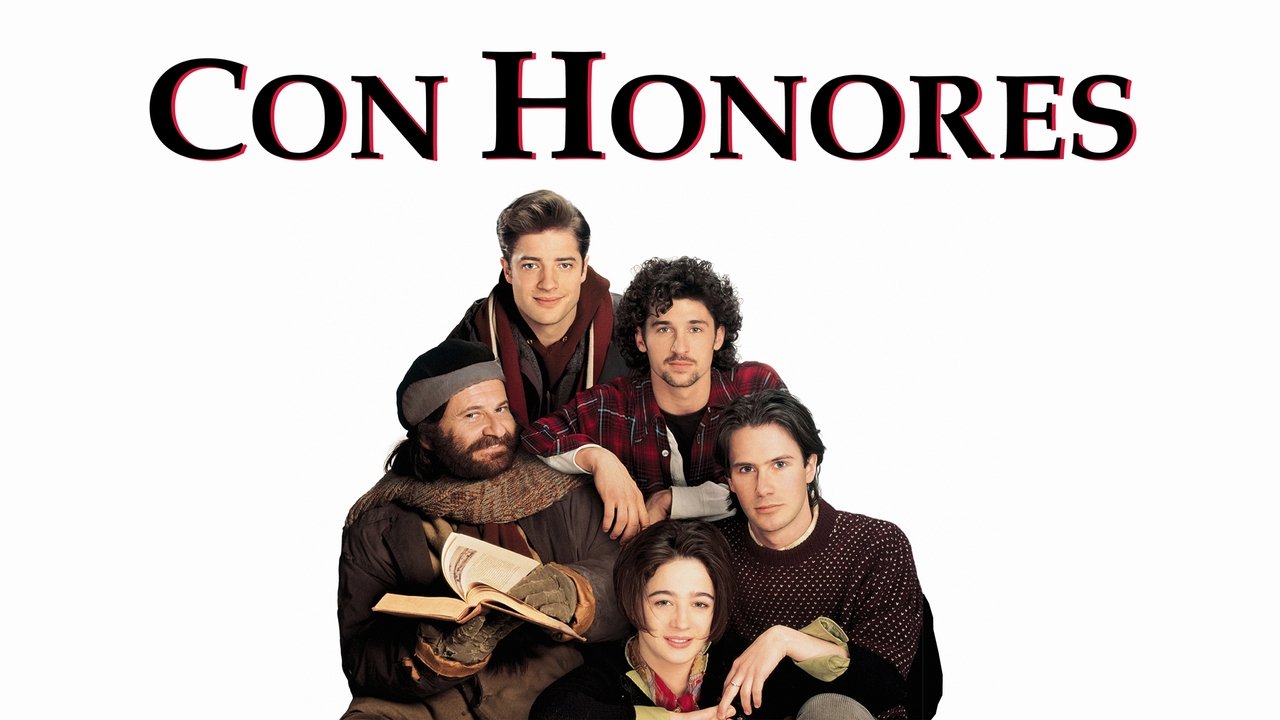
At its core, With Honors explores the collision between Montgomery "Monty" Kessler (Brendan Fraser), a driven, somewhat self-absorbed government student laser-focused on academic success, and Simon Wilder (Joe Pesci), a homeless man whose sharp intellect and life experience far outweigh any formal education. The premise is straightforward: Simon finds the thesis and offers Monty a deal – a page back for every kindness rendered. What unfolds is less a transactional arrangement and more a forced, often contentious, education in humanity for the young academic.
Brendan Fraser, then riding a wave of popularity from films like Encino Man (1992) and School Ties (1992), embodies Monty's initial arrogance and eventual vulnerability with compelling sincerity. You feel his frustration, his entitlement, but also his slow, dawning realization that the world operates on principles far more complex than those found in textbooks. It's a performance that relies heavily on Fraser's inherent likability, making Monty’s transformation believable, even when the script occasionally leans into predictability. He’s the audience’s proxy, initially siding with his ambition before Simon’s unconventional wisdom chips away at his certainty.
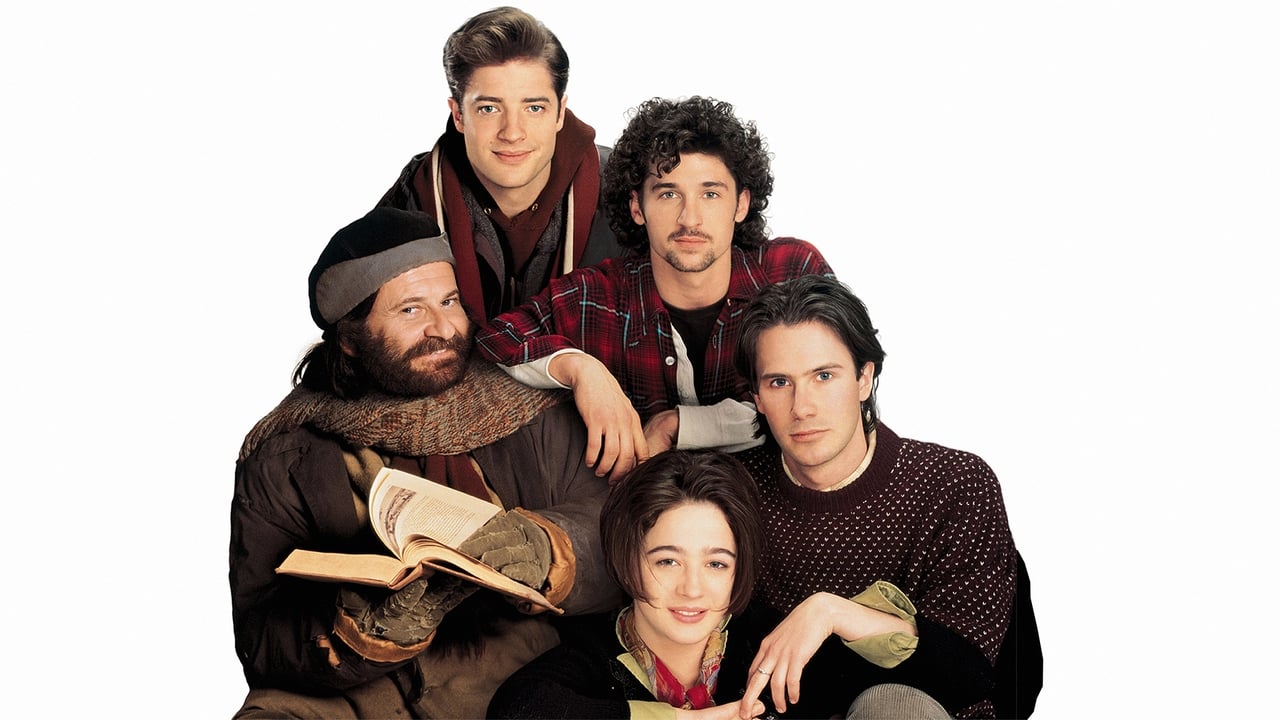
Then there's Joe Pesci. Coming off his explosive, Oscar-winning turn in Goodfellas (1990) and the beloved comedy My Cousin Vinny (1992), seeing him as the grizzled, philosophical Simon was certainly a change of pace. Pesci dials down the manic energy, replacing it with a weary intelligence and a guarded heart. Simon is sharp, observant, and deeply cynical about the systems that have failed him, yet capable of profound insight and, eventually, affection. There were whispers at the time that renowned writer Gore Vidal did some uncredited work polishing Simon's dialogue, and you can almost feel that literary edge in some of Pesci's pronouncements. Does he sometimes veer close to the "magical homeless person" trope? Perhaps. But Pesci invests Simon with enough grit and nuanced pain to make him feel more substantial than a mere plot device. His pronouncements on life, experience, and the value of human connection carry weight precisely because they come from a place of lived hardship, not academic theory.
Beyond the Books
The film wisely surrounds Monty with roommates who represent different facets of student life and provide grounding counterpoints. Moira Kelly, fresh off Chaplin (1992), brings warmth and moral conscience as Courtney, Monty's sharp, down-to-earth friend (and potential love interest). Patrick Dempsey plays Everett, the entitled legacy student, with a smarmy conviction, while Josh Charles is Jeff, the more laid-back member of their shared house. Their interactions provide necessary context for Monty's world and highlight the pressures and assumptions inherent in their privileged environment.
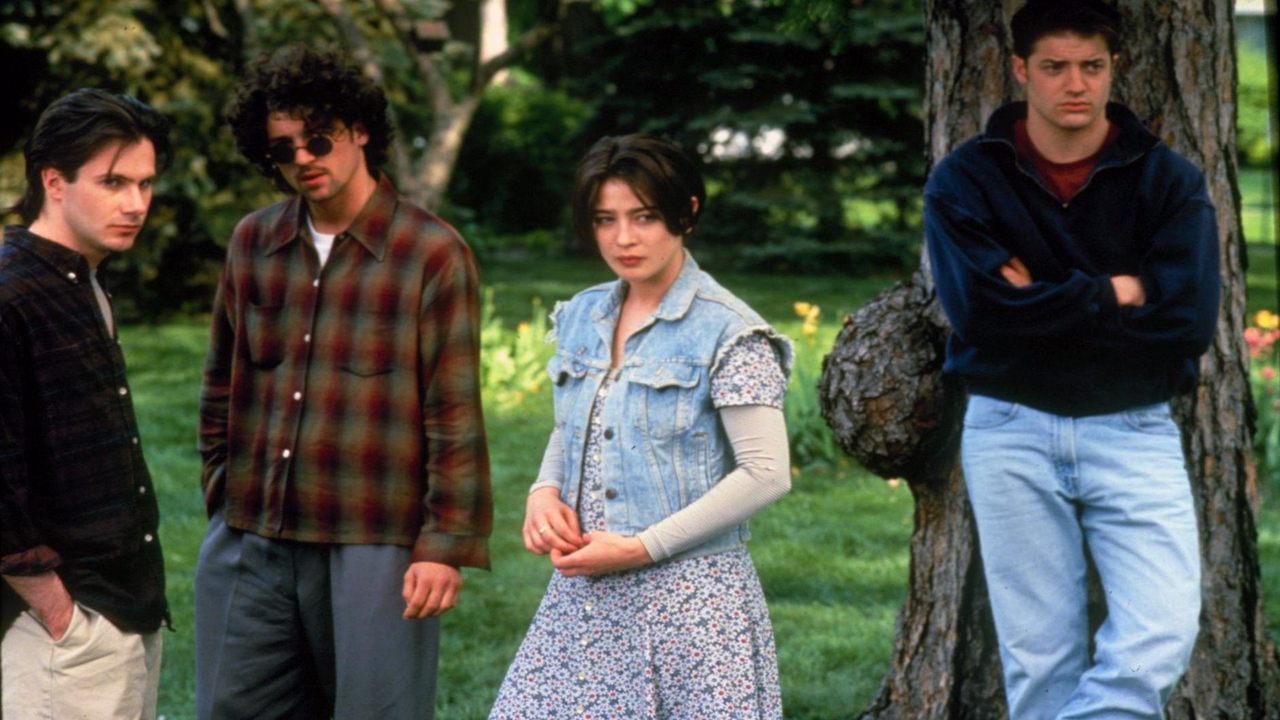
Director Alek Keshishian, whose previous project was the groundbreaking documentary Madonna: Truth or Dare (1991), brings a certain visual sensitivity to the film. While some exterior shots capture the hallowed grounds of Harvard, much of the filming actually took place at locations like the University of Illinois at Urbana-Champaign and the University of Minnesota, skillfully dressed to evoke the Ivy League atmosphere. Keshishian focuses on the intimacy of the character interactions, allowing the emotional core of the story, penned by William Mastrosimone (who adapted his earlier play Shivaree), to shine through. The contrast between the austere halls of academia and the raw, makeshift reality of Simon's existence is visually and thematically central.
Learning the Hard Way
With Honors isn't afraid to wear its heart on its sleeve. It directly tackles themes of prejudice, the limitations of institutional knowledge versus lived experience, and the importance of seeing the humanity in those society often renders invisible. Does it sometimes feel a bit too on-the-nose? Yes, the dialogue occasionally spells things out when subtlety might have been more effective. The film's earnestness, however, felt quite at home in the mid-90s cinematic landscape, a time when dramas often aimed for overt emotional impact. I recall renting this one, probably alongside something completely different like Speed (1994) or The Crow (1994), and being genuinely moved by its central relationship.
It’s interesting to note that while audiences often responded warmly to the film, particularly on home video where it found a significant second life, critical reception at the time was fairly lukewarm. Perhaps its direct emotional appeal felt less sophisticated to some critics, but for many viewers, the journey of Monty and Simon resonated. It asks fundamental questions: What constitutes true knowledge? How do we measure a life's worth? Doesn't the connection forged between these two disparate souls speak volumes about empathy's power? The film’s popular soundtrack, featuring Madonna’s Golden Globe-nominated theme "I'll Remember," certainly helped cement its place in the era's pop culture memory. Despite a modest $20 million budget yielding around $27.3 million at the box office, its enduring presence on VHS and cable suggests it struck a chord that transcended its initial theatrical run.
The Final Grade
With Honors is a film brimming with good intentions and anchored by strong central performances. While it occasionally dips into sentimentality and telegraphs some of its emotional beats, its core message about empathy, perspective, and the value of human connection remains potent. Fraser’s portrayal of gradual awakening and Pesci’s embodiment of world-weary wisdom create a compelling dynamic that elevates the material. It’s a quintessential 90s drama – earnest, emotionally direct, and ultimately hopeful.
Rating: 7/10
It may not have graduated with the highest critical honors back in '94, but With Honors earns its passing grade through sheer heart and the enduring power of its central lesson: the most valuable education often happens far outside the classroom walls, taught by the most unexpected teachers. It remains a comforting, thought-provoking watch, a reminder tucked away in a well-worn VHS sleeve.