Alright cinephiles, let’s dim the lights, maybe adjust the tracking just a bit on that imaginary CRT, and slide a tape into the VCR that might have raised an eyebrow or two back at the rental counter. Today, we’re diving into a slice of early 90s European provocation: Tinto Brass’s 1992 film All Ladies Do It (or Così fan tutte, for the purists). This wasn't your typical Friday night action flick; finding a Brass film often felt like uncovering something a little forbidden, a little artier, and definitely unapologetic in its exploration of sensuality.

For many browsing those taller shelves at the video store, the name Tinto Brass was synonymous with a certain kind of glossy, high-end European eroticism. All Ladies Do It arrived squarely in that period, offering a sun-drenched, Venetian spin on marital exploration that was miles away from Hollywood sensibilities. It’s the kind of film that, watching it now, feels inextricably linked to that specific VHS era – a time when discovering foreign directors with unique, sometimes controversial, viewpoints was part of the adventure.
A Venetian Affair
The premise follows Diana, played with captivating candor by Claudia Koll, a married woman living in Venice who freely indulges in extramarital escapades. She chronicles these encounters in detail for her initially understanding, perhaps even encouraging, husband, Alfons (Paolo Lanza). Their dynamic forms the core of the film: an unconventional marriage navigating the complexities of desire, possession, and honesty. It's less about plot twists and more about observing Diana's pursuit of pleasure and the evolving reactions of her husband, culminating in interactions with a charismatic, Sade-invoking poet played by Franco Branciaroli.
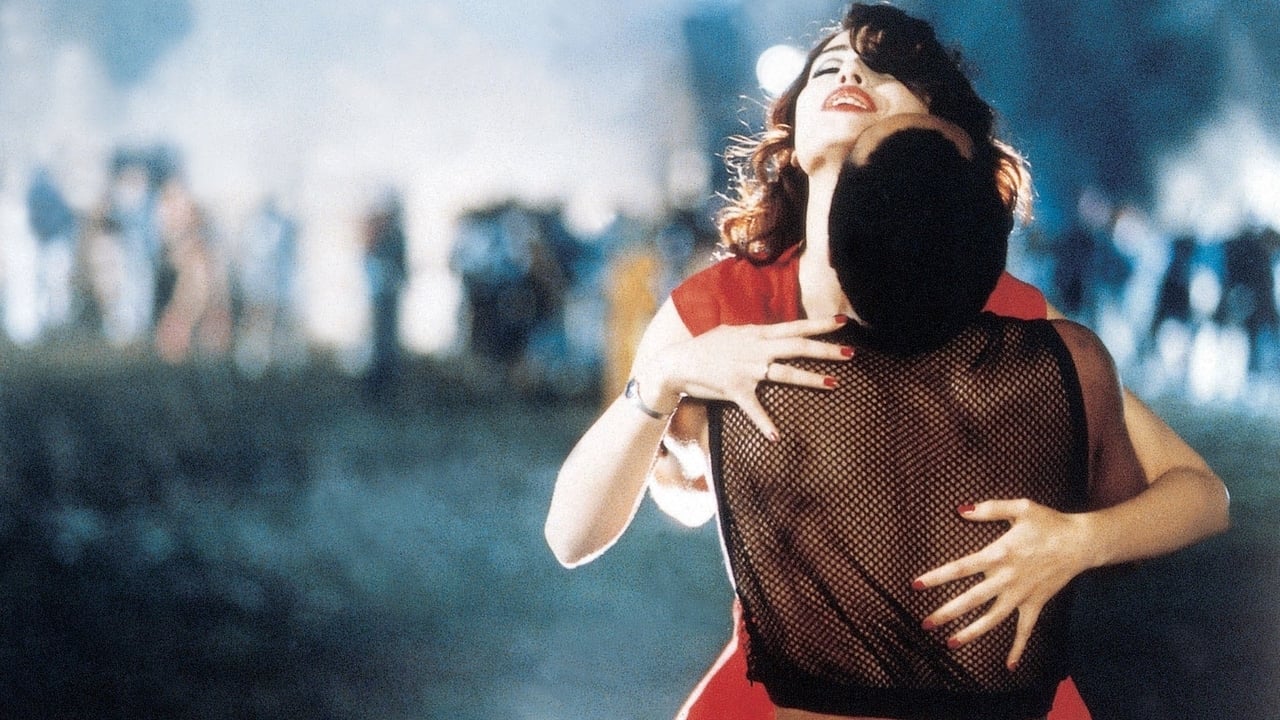
Brass, never one for subtlety, uses the stunning backdrop of Venice not just for beauty, but almost as another character – its canals, bridges, and palazzos forming a gorgeous, almost dreamlike stage for Diana's adventures. The film borrows its Italian title, Così fan tutte, directly from Mozart's famous opera, which itself playfully tackles themes of fidelity and the perceived nature of women. It’s a deliberate nod, though Brass swaps Mozart’s intricate plotting for a more direct, visual exploration of female agency and sexuality, filtered through his very specific lens. Interestingly, the screenplay was co-written by Bernardino Zapponi, known for his frequent collaborations with the legendary Federico Fellini, adding a layer of arthouse lineage that might surprise some viewers familiar only with Brass's reputation.
Brass Tacks: Style and Substance
Let's talk about the Tinto Brass signature style, because it's impossible to discuss All Ladies Do It without it. Brass's camera is often playful, lingering, and distinctly focused on the female form – particularly Koll's. Expect his trademark close-ups, often framed with mirrors or through doorways, creating a voyeuristic yet celebratory feel. It’s a style that walks a tightrope; some find it empowering in its focus on female pleasure, others see it as objectifying. Regardless, it’s undeniably his style, instantly recognizable to anyone who dipped into his filmography during the VHS boom.
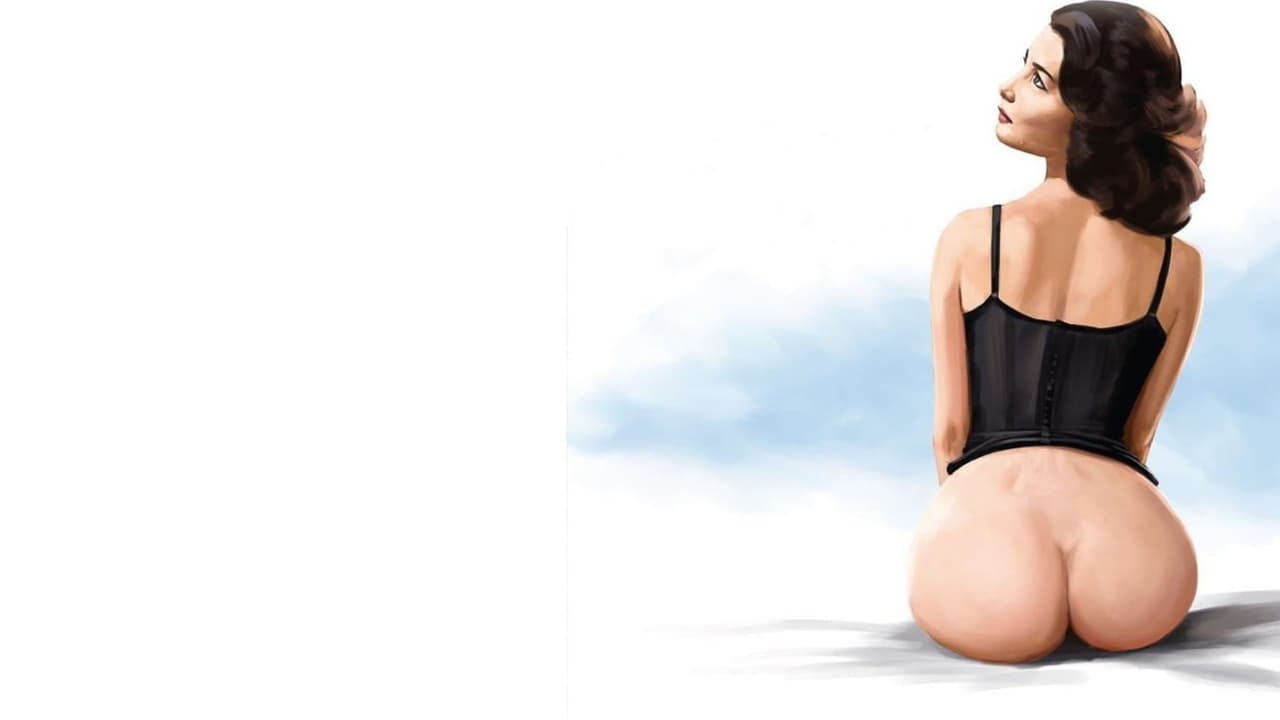

Claudia Koll is magnetic as Diana. She embodies the Brass heroine: confident, unashamedly sensual, and seemingly in control of her desires. It’s a performance full of knowing glances and a physical ease that commands the screen. What adds a fascinating layer of retrospective intrigue is Koll’s well-known story: a few years after becoming an icon of Italian erotic cinema largely thanks to this film, she experienced a profound religious conversion, renouncing her earlier work and dedicating her life to Catholicism. Seeing her vibrant, uninhibited performance here, knowing the path her life would take, adds an unexpected dimension to the viewing experience. It's a 'retro fun fact' that profoundly recontextualizes the film for modern eyes.
Beyond the Bedroom Door
While the eroticism is front and center, the film does poke at interesting questions about marriage, monogamy, and the performance of identity. Is Diana's honesty refreshing or cruel? Is Alfons's initial acceptance genuine understanding or a form of denial? The film doesn't offer easy answers, preferring to present the scenario with Brass's characteristic visual flair and letting the audience draw its own conclusions.
Reception back in '92 was predictable for a Brass film: dismissed by many mainstream critics, likely facing censorship hurdles in some markets, but finding a devoted audience on home video among those seeking something outside the norm. It wasn't aiming for universal acclaim; it was aiming for a specific audience, and through the golden age of VHS rentals, it certainly found it. It wasn't the kind of film your parents necessarily knew you were watching, which, let's be honest, was part of the allure for some of us discovering world cinema one tape at a time.
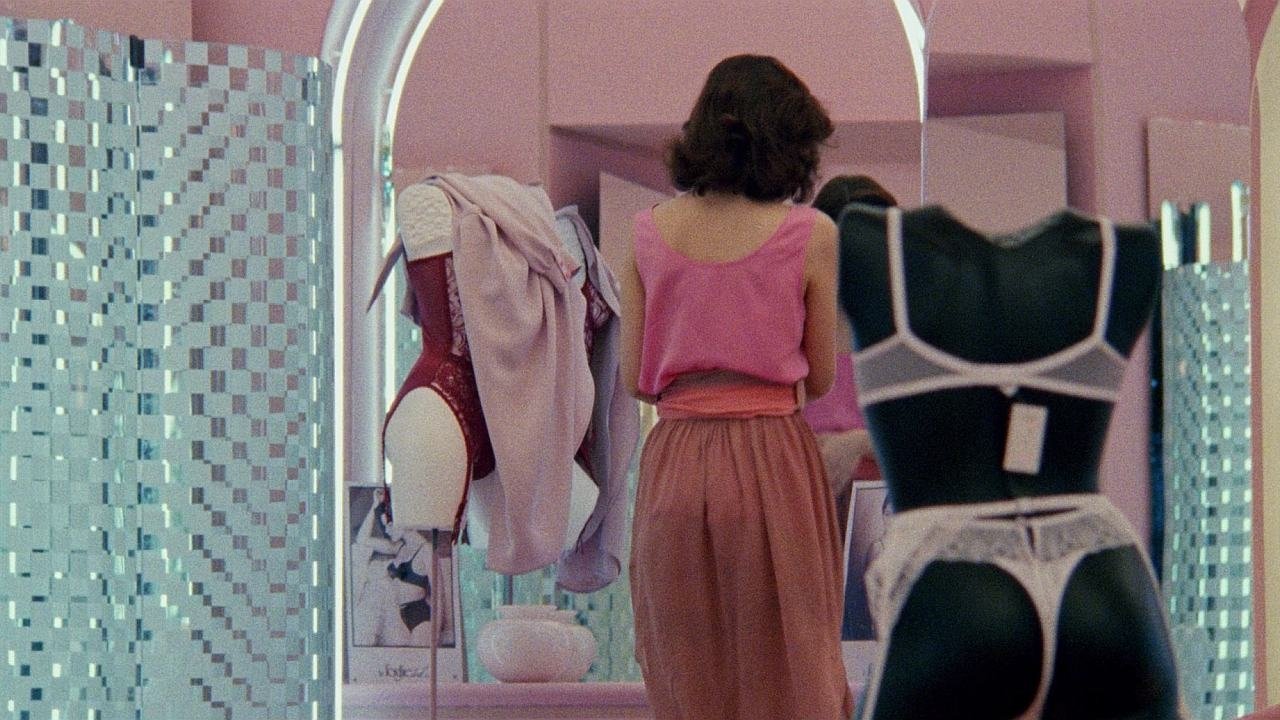
VHS Heaven Rating: 6/10
Justification: All Ladies Do It is pure, unadulterated Tinto Brass, for better or worse. If you appreciate his specific, unapologetic visual style and his focus on female sensuality (viewed through his particular male gaze), there's a glossy confidence and a captivating central performance from Claudia Koll to admire. The Venetian scenery is beautiful, and the film’s connection to its operatic namesake adds a touch of intellectual framing. However, its narrative is thin, the pacing languid, and its appeal is undeniably niche. It's a film very much of its time and director, provocative but perhaps lacking deeper resonance for a broader audience today. The 6 reflects its status as a well-executed example of its specific subgenre and director's oeuvre, elevated by Koll's presence and its unique place in 90s European cinema, while acknowledging its limited scope and potentially dated perspective.
Final Take: A quintessential Tinto Brass offering from the era when video stores held hidden, sometimes risqué, treasures. It's a film that feels like a postcard from a very specific time and place in European filmmaking – sunny, sensual, and utterly unconcerned with playing it safe.