Alright, fellow tape-heads, let's rewind to a time when Italian comedy didn't just mean witty dialogue – it often meant sheer, unadulterated, physical chaos. Picture this: you're browsing the dusty shelves of your local video store, maybe in the slightly neglected "Foreign Films" section, and you stumble upon a brightly coloured VHS box featuring two familiar, comically distressed faces. If you were lucky, you picked up Neri Parenti's 1994 slapstick frenzy, Le Nuove Comiche (literally The New Comics), starring the legendary Italian duo of Paolo Villaggio and Renato Pozzetto. Strap in, because this one’s a wild, if slightly bumpy, ride.
### A Symphony of Slapstick
Forget subtle character arcs or intricate plotting. Le Nuove Comiche is built on a simple, glorious foundation: putting Villaggio and Pozzetto into a series of unrelated vignettes and letting disaster unfold. This wasn't their first rodeo; this film marked the third outing for their accident-prone characters, following Le Comiche (1990) and Le Comiche 2 (1991). Director Neri Parenti, a prolific force in Italian popular comedy who frequently collaborated with both stars (especially Villaggio in the iconic Fantozzi series), knew exactly what formula worked: take inspiration from classic silent-era comedians, amp up the absurdity, and let the physical comedy fly.
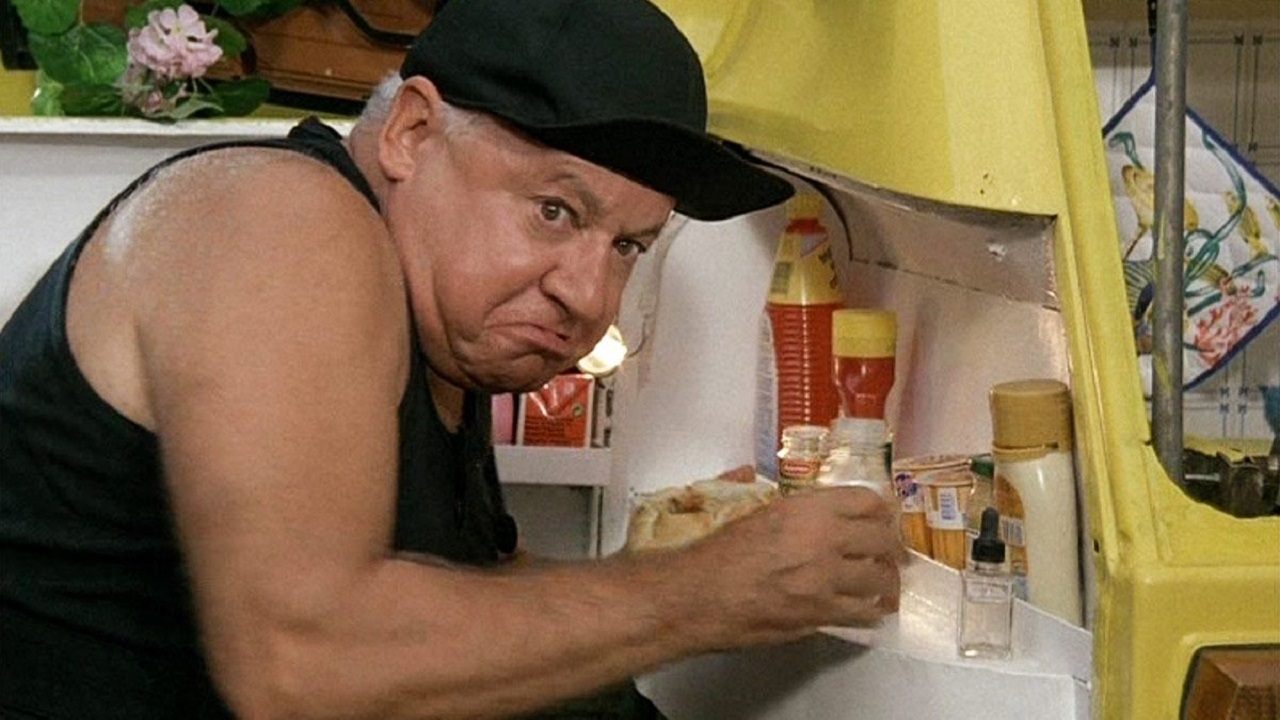
The film throws our hapless heroes into various scenarios – paramedics dealing with an increasingly bizarre series of emergencies, guards protecting a priceless necklace at a high-society party, monks trying to maintain silence, soldiers navigating boot camp – each segment serving as a fresh canvas for calamitous gags. There's a relentless energy here, a commitment to the bit that feels distinctly rooted in the pre-digital age.
### Gravity? Never Heard of It.
This is where the real VHS Heaven magic happens. Remember watching those stunts and thinking, "How did they do that without someone getting seriously hurt?" Le Nuove Comiche is packed with that kind of practical mayhem. We're talking falls down stairs that look genuinely painful, intricate chain reactions of destruction involving props and scenery, and exaggerated physical impacts that would make Wile E. Coyote wince. While modern comedies might smooth things over with CGI or clever editing, Parenti and his team relied on good old-fashioned stunt work and precise comedic timing.
There's a certain raw charm to it. You feel the bumps and bruises, even through the absurdity. This wasn't about seamless illusion; it was about the visceral, almost cartoonish spectacle of human bodies enduring ridiculous punishment for laughs. Paolo Villaggio, already a national treasure in Italy for his portrayal of the perpetually downtrodden accountant Ugo Fantozzi, brought his signature hangdog expression and knack for pathetic suffering. Renato Pozzetto, often playing the slightly more (but only slightly) composed counterpoint, excelled at the exasperated reaction and the sudden burst of panicked energy. Their chemistry, honed over years, is undeniable, even when the gags themselves become a bit predictable. It's rumoured that despite the cartoony nature, the filming of these intricate slapstick sequences often involved meticulous planning and, inevitably, a few real bumps and scrapes for the stunt doubles – and sometimes the stars themselves.
### Echoes of the Past, Quirks of the Era
The film is essentially a love letter to the likes of Laurel and Hardy or Buster Keaton, updated (or perhaps just transposed) into a loud, colourful 90s Italian setting. The episodic structure, while preventing deep narrative engagement, allows for a rapid-fire delivery of jokes. Some land better than others, naturally. A few gags feel dated, relying on stereotypes or simplistic setups that might raise an eyebrow today, but the core physical comedy often transcends language and time. Look out for Ramona Badescu who pops up, adding a touch of glamour amidst the chaos, a frequent element in Parenti's comedies.
This wasn't high art, and Italian critics at the time were often divided, sometimes dismissing these films as lowbrow "cinepanettone" (comedies released around Christmas, often formulaic). However, audiences frequently disagreed. These films were often significant box office hits in Italy, tapping into a public appetite for broad, accessible, and visually driven humour. Finding this tape felt like uncovering a secret world of pure, unpretentious silliness – a perfect late-night watch with questionable tracking and the volume turned up. Did anyone else discover these Italian comedies tucked away on rental shelves back in the day? They felt like finding a weird, energetic cousin to the Hollywood comedies we knew.
### The Verdict on This Slice of 90s Italia
Le Nuove Comiche isn't going to change your life. It’s repetitive by design, and its humour is about as subtle as a piano falling on someone's head (which probably happens in one of these films, if not this specific one). But there’s an infectious, almost innocent glee to its dedication to elaborate practical slapstick. Villaggio and Pozzetto are masters of their craft, committing fully to every pratfall and frantic escape. It’s a fascinating time capsule of a specific brand of popular Italian cinema from the VHS era.
Rating: 6/10
Justification: The score reflects the film's undeniable energy and the comedic chemistry of its legendary leads, earning points for its commitment to impressive (if sometimes painful-looking) practical slapstick. It loses points for the repetitive episodic structure, some dated humour, and a general lack of depth beyond the gags. It's enjoyable nostalgic fun, but perhaps best enjoyed in small doses or with the right group of friends.
Final Thought: In an age of polished digital effects, there's something genuinely endearing about watching two comedy legends getting metaphorically (and sometimes seemingly literally) beaten up by the physical world, captured on glorious, fuzzy videotape. Pure, uncut, 90s Italian chaos.