Alright fellow travellers through the magnetic tape jungle, let's spool up a different kind of cassette today. Not your typical explosive actioner or neon-drenched sci-fi, but something... uniquely Italian, uniquely bittersweet, and uniquely Fantozzi. Pull up a slightly uncomfortable office chair and adjust the tracking, because we're dialing into 1999 for Paolo Villaggio's final cinematic bow as the ultimate Italian everyman-schlemiel in Fantozzi 2000 - La clonazione.
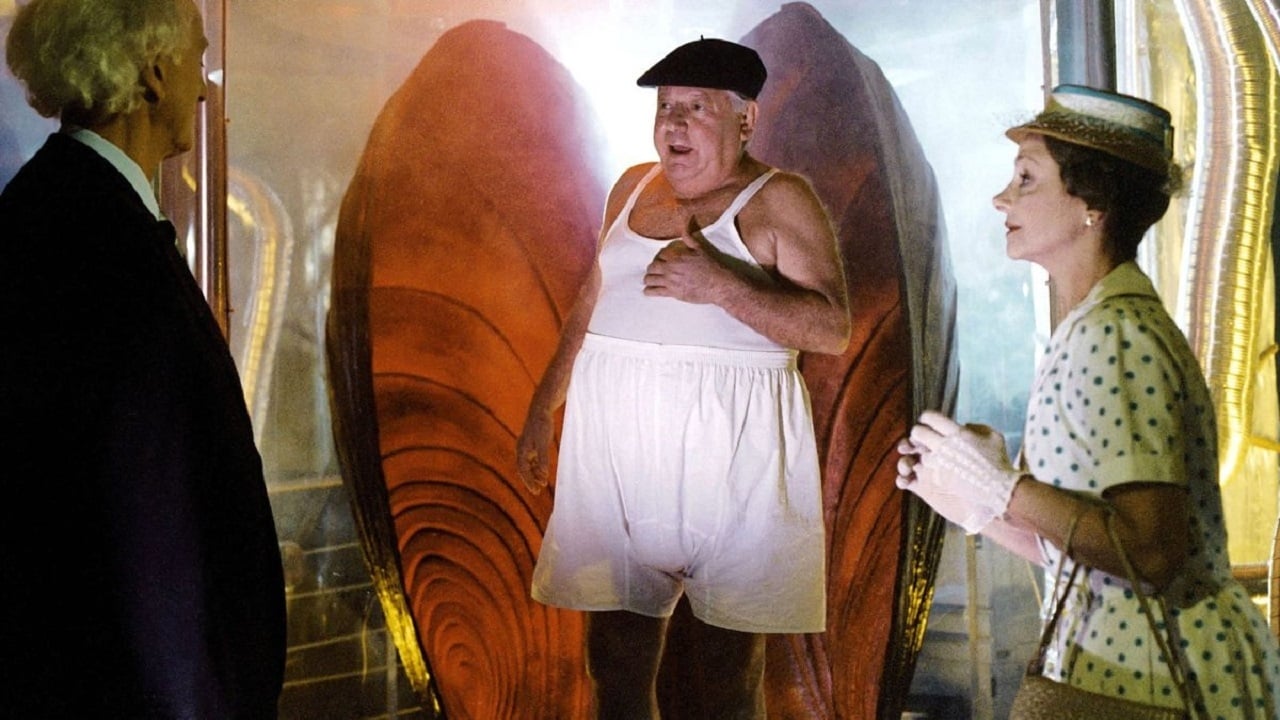
There's an undeniable melancholy clinging to this tenth and final outing, isn't there? Like finding the last tape on the rental shelf for a series you grew up with, knowing this is it. Released right on the cusp of a new millennium, the film itself seems to grapple with obsolescence, resorting to a plot device – cloning – that feels both jarringly sci-fi for the down-to-earth misery of Fantozzi's world, and perhaps, a little desperate. Could the Megaditta (Mega-company) really function without its most reliable punching bag? The premise alone is a punchline dipped in pathos.
The End of an Era, Cloned?
The setup is classic Fantozzi, amplified by Y2K anxieties. After Ragioniere Ugo Fantozzi meets yet another typically ignominious end (details best left unspoiled, but rest assured, it involves maximum humiliation), the powers-that-be at his soulless corporation realize his unique talent for absorbing misfortune and boosting company morale through schadenfreude is irreplaceable. Their solution? High-tech cloning! It's a bizarre twist that allows Paolo Villaggio, then approaching his late 60s but still game for the physical comedy, one last go-around as the character he’d embodied since 1975.
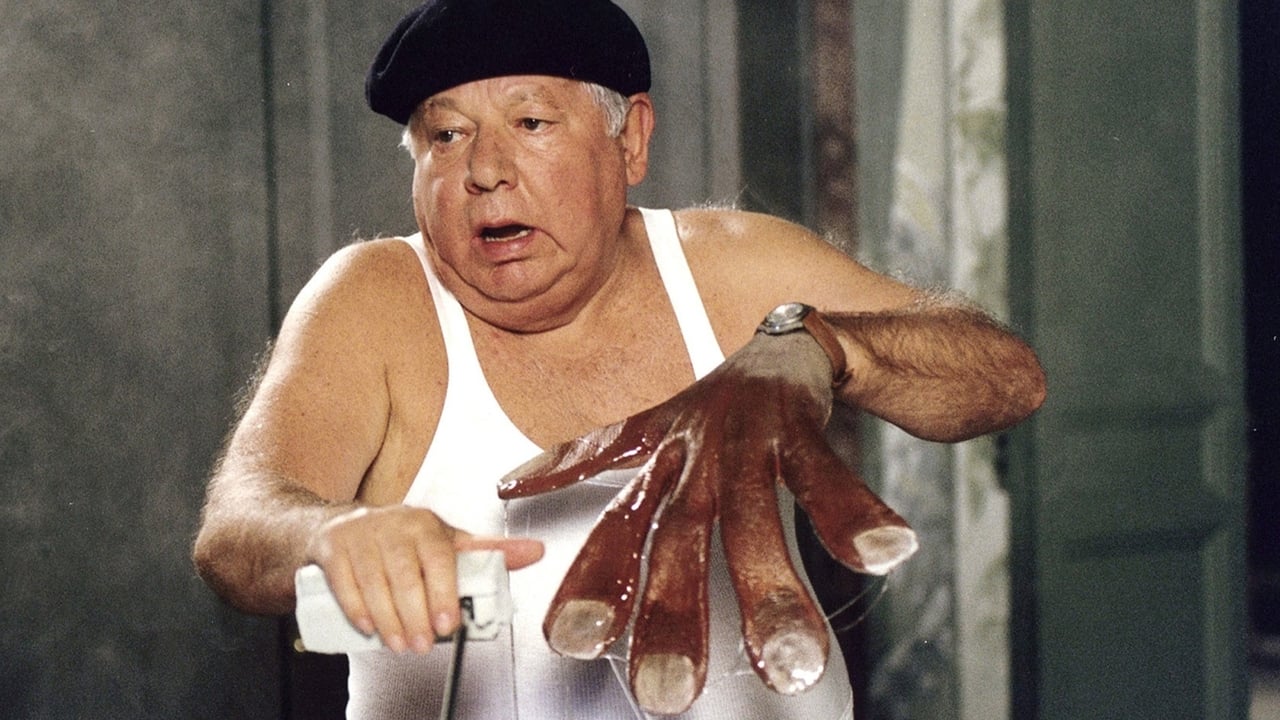
And let's talk about Villaggio. Seeing him here, still donning the signature ill-fitting suit and beret, still contorting his face into expressions of pure, distilled suffering, is both comforting and poignant. The physical comedy might be a touch less demanding than in his prime, but the essence of Fantozzi – that blend of servility, thwarted desire, and catastrophic bad luck – remains perfectly intact. Retro Fun Fact: Villaggio wasn't just the star; he co-created Fantozzi in his books and co-wrote most of the films, including this one. His connection to the character was profound, making this farewell performance particularly resonant. He was Fantozzi, embodying the frustrations of a whole generation of Italian office workers.
Familiar Faces in a Brave New World
Of course, Fantozzi's universe wouldn't be complete without the constants in his orbit of despair. The eternally patient, bordering-on-saintly wife Pina is back, played with wonderful weariness by the great Milena Vukotic. Her quiet resignation is the perfect foil to Fantozzi's histrionics. And crucially, after sitting out the previous film, the legendary Signorina Silvani returns, portrayed once again by the inimitable Anna Mazzamauro. Her presence was vital; Silvani, the object of Fantozzi's pathetic, decades-long crush, is as essential to the formula as Fantozzi himself. Seeing her back, still vampy, still utterly contemptuous of poor Ugo, feels like a necessary piece clicking back into place for the finale. Retro Fun Fact: The chemistry (or anti-chemistry) between Villaggio and Mazzamauro was a cornerstone of the series' success, a perfectly calibrated dance of unrequited longing and disdainful dismissal that always hit comedic gold.
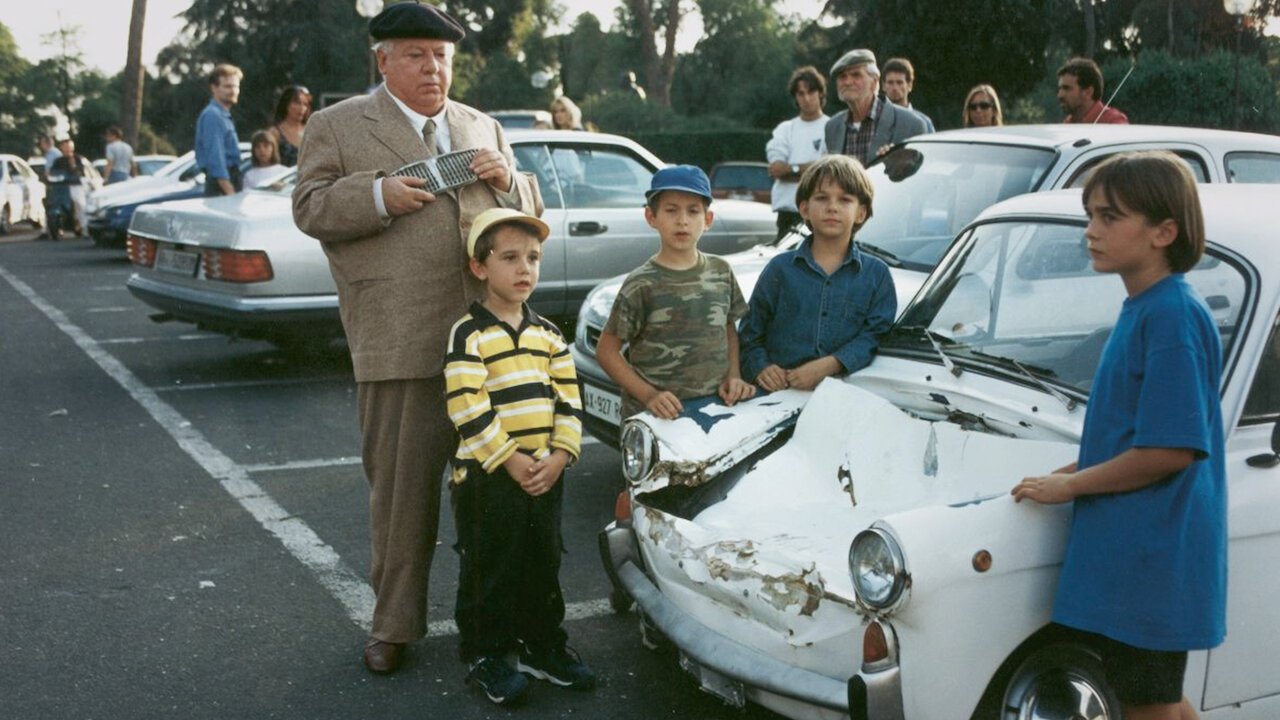
Director Domenico Saverni, who also co-wrote, doesn't reinvent the wheel here. The style is functional, serving the gags rather than drawing attention to itself. This isn't high art cinema; it's broad, sometimes grotesque, Italian comedy. Some of the set pieces feel familiar – disastrous company outings, humiliating attempts at social climbing, grotesque displays of corporate power – but the cloning angle adds a layer of weirdness. Does the clone retain Fantozzi's soul-crushing memories? Does he suffer more intensely, being a copy? The film doesn't delve too deep, preferring slapstick scenarios arising from the clone's existence, like interacting with the "original" Fantozzi's legacy.
Satire Slightly Dulled?
While the earlier Fantozzi films offered razor-sharp satire of Italian society, bureaucracy, and class divides, Fantozzi 2000 feels a bit more focused on wrapping things up. The satirical targets are still there – the dehumanizing nature of corporate life, the absurdity of modern trends – but the bite feels perhaps a little less venomous than in the 70s and 80s classics. It leans more heavily on the character comedy and the inherent absurdity of the cloning plot. Retro Fun Fact: Despite being the final film and featuring the return of Mazzamauro, Fantozzi 2000 wasn't a huge box office success compared to its predecessors. Some critics and audiences felt the formula had run its course, though it remains a must-watch for completists of this iconic Italian series.
The film's humour is, as always, an acquired taste. It's often cruel, cringe-inducing, and reliant on seeing a man repeatedly fail in the most spectacular ways imaginable. Yet, there's an underlying affection for Fantozzi, a recognition of the universal struggle against indifferent systems and unattainable desires. It’s the laughter of recognition, even if it’s uncomfortable. Remember how palpable Fantozzi's failures felt, even through the exaggerated lens? That specific brand of Italian comedic despair hit differently.
***
VHS Heaven Rating: 6/10
The Justification: Fantozzi 2000 - La clonazione gets a 6 primarily for its significance as the final chapter and for Paolo Villaggio's committed farewell performance. The return of Anna Mazzamauro adds crucial chemistry. However, the cloning plot feels like a gimmick that doesn't fully revitalize the formula, and the satire lacks the sharp edge of the series' best entries. It feels more like an obligatory encore than a show-stopping finale, serving up familiar gags rather than breaking new ground. It's essential for Fantozzi devotees, but lacks the freshness and bite that made the earlier films true classics.
Final Thought: Even copied by science, Fantozzi remained gloriously, tragically himself – a testament to the enduring power of cinematic misfortune, served up one last time before the credits rolled for good on a true Italian icon.