Okay, settle in, fellow tapeheads. Remember rifling through the comedy section, past the big American blockbusters, and stumbling upon those slightly battered boxes with a hapless-looking guy in a beret? If you were lucky, or maybe just adventurous, you might have pulled out a Fantozzi movie. And if you ever wondered what happened when Italy's most tragically relatable everyman faced the final curtain call... well, slide Fantozzi in paradiso (Fantozzi in Heaven) from 1993 into your metaphorical VCR. This isn't your typical Hollywood laugh riot; it's something uniquely, painfully, hilariously Italian.
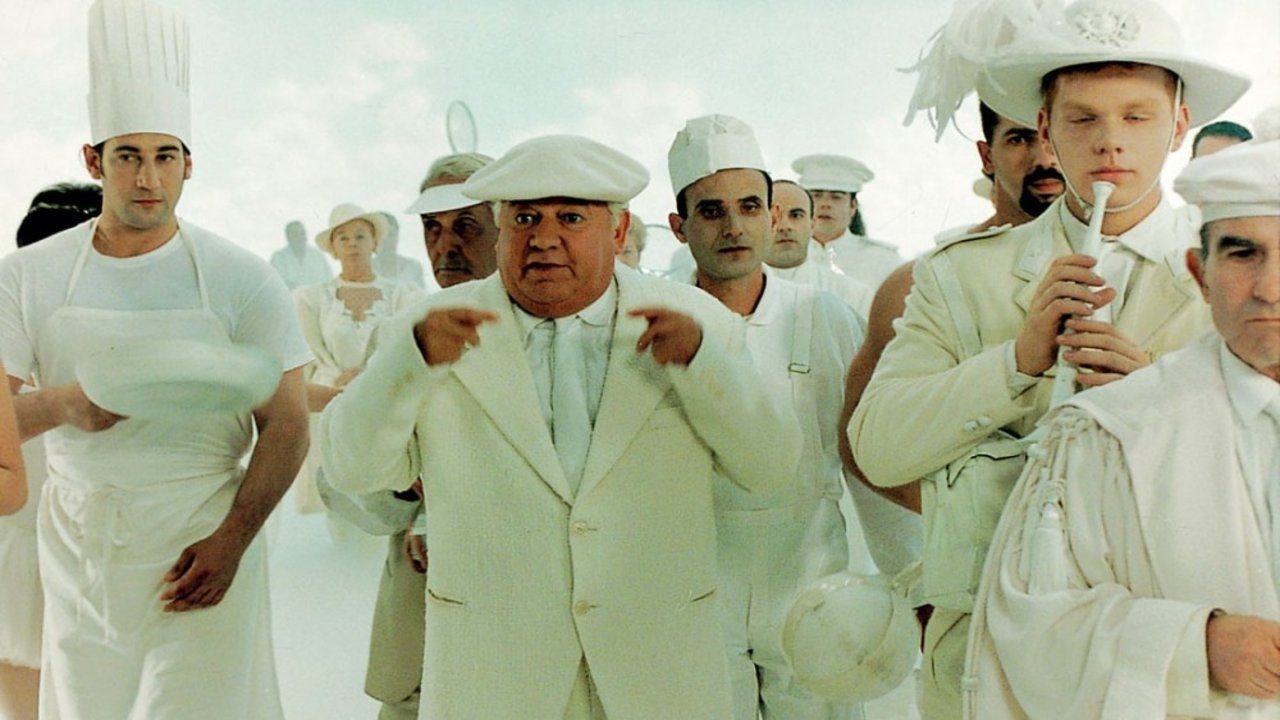
### Our Man Fantozzi Heads Upstairs (Maybe)
For the uninitiated, Ragionier (Accountant) Ugo Fantozzi, masterfully embodied by the late, great Paolo Villaggio (who co-created and wrote the character based on his own bleak office experiences), is more than just a movie character in Italy. He's a cultural icon, a symbol of the downtrodden, perpetually unlucky office drone facing bureaucratic absurdity, social humiliation, and physical torment with a resigned sigh and inevitable catastrophe. Think Mr. Bean meets existential despair, filtered through a very specific Italian lens. This eighth film in the long-running saga, directed by series stalwart Neri Parenti, tackles the ultimate deadline: Fantozzi is diagnosed with a terminal illness and given mere days to live.
What follows isn't exactly a heartwarming bucket list adventure. This is Fantozzi, remember? His attempts to reconcile with his long-suffering wife Pina (the wonderful Milena Vukotic, bringing her usual blend of patience and exasperation) and his perpetually disaster-prone colleague Filini (Gigi Reder, Villaggio’s indispensable comedic foil) are, naturally, fraught with cringe-inducing misunderstandings and slapstick calamities. There's a disastrous attempt at a final romantic gesture, a typically humiliating office farewell party, and even a mix-up involving his own funeral arrangements. It’s classic Fantozzi, but with the shadow of the Grim Reaper adding a surprisingly poignant, almost bittersweet layer.
### The Physicality of Failure
Watching Fantozzi now, especially this later entry, really highlights a type of comedy that feels distinctly pre-digital. There's no CGI smoothing the edges here. The humour comes from the sheer physicality of Villaggio's performance. Every pratfall, every collision, every moment of excruciating embarrassment feels tangible. Remember those scenes where Fantozzi endures some kind of ridiculous physical trial? It wasn’t slick editing; it was Villaggio committing entirely to the bit, contorting himself into knots of discomfort for our amusement (and maybe sympathy). A fascinating tidbit: Villaggio often drew directly from his time working at Italsider (an Italian steel company), channeling the frustrations and absurdities of corporate life into Fantozzi's DNA. The comedy isn't always comfortable – it leans heavily into humiliation and failure – but it feels real in a way that much modern comedy doesn't always capture. Neri Parenti, known for his efficient handling of Italian comedies (including many "cinepanettoni" Christmas hits), keeps the pacing brisk, ensuring the gags land even when dealing with darker subject matter.
### More Than Just Slapstick?
While the Fantozzi series is primarily known for its low-brow, often outrageous humour, Fantozzi in Heaven carries a noticeable vein of melancholy. The jokes still fly thick and fast – Filini’s attempts to ‘help’ Fantozzi live his last days are predictably catastrophic – but the underlying theme of mortality gives the film a surprising depth. Seeing Fantozzi confront his own insignificance, his regrets, and the sheer absurdity of his life (and impending death) resonates beyond the slapstick. It's almost touching watching Pina, despite decades of Fantozzi's blunders, show genuine tenderness. It adds a layer that elevates this above just another sequel. It might be the eighth film, but the formula still finds ways to connect, perhaps because Fantozzi’s struggles, exaggerated as they are, mirror universal anxieties about failure, conformity, and the search for meaning in a mundane world. The film was, like its predecessors, a huge hit in Italy, proving the enduring appeal of their national everyman, even when facing the afterlife.
### Final Rewind
Fantozzi in Heaven isn't the place to start if you're new to the saga (try the 1975 original, Fantozzi, directed by Luciano Salce). But for fans, or those curious about a unique strand of European comedy, it’s a fascinating entry. It delivers the expected Fantozzi chaos – the cringe, the slapstick, the social satire – but wraps it in a surprisingly thoughtful contemplation of life's end. The practical, physical comedy feels delightfully retro, and the performances, especially from the core trio of Villaggio, Vukotic, and Reder, are pitch-perfect. It might feel a bit episodic, like many Fantozzi films, stitching together comedic set-pieces, but the central theme holds it together effectively.
Rating: 7/10
Justification: While perhaps not the absolute peak of the series, Fantozzi in Heaven successfully blends the character's trademark comedic suffering with a surprisingly poignant theme. The performances are excellent, the gags (though familiar in style) mostly land, and it offers a satisfying, if bittersweet, chapter for the beloved character. It loses a few points for leaning on established formula and some uneven pacing, but it remains a strong, funny, and oddly touching entry, especially potent for those with nostalgia for the character.
Final Thought: Forget slick effects; this is comedy served raw, physical, and hilariously bleak – a reminder that sometimes the most profound laughs come directly from the faceplant. Essential viewing for Italian comedy connoisseurs, and a worthy rental for the nostalgically adventurous.