Alright fellow tape-heads, pull up a slightly worn armchair and adjust the tracking on your memory banks. Tonight, we're diving headfirst into a particular flavour of European comedy chaos that, if you were lucky, you might have stumbled upon in the 'Foreign Films' section of your local video emporium, possibly nestled between a Bergman epic and something starring Gérard Depardieu. I'm talking about the legendary Italian everyman of misfortune, Ugo Fantozzi, specifically in his 1988 outing, Fantozzi Retires (Fantozzi va in pensione).
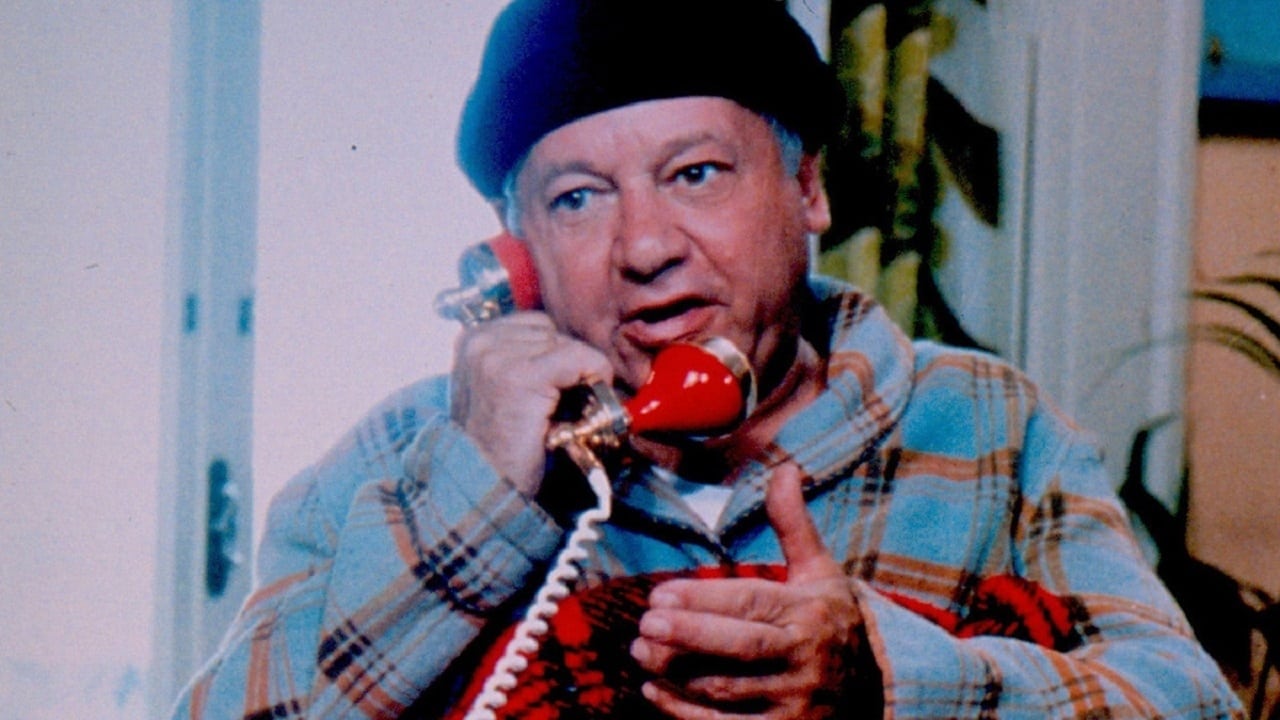
For the uninitiated, grasping the sheer phenomenon of Fantozzi in Italy is key. Imagine a blend of Mr. Bean's physical comedy, Homer Simpson's hapless ineptitude, and Dilbert's soul-crushing office existence, all wrapped up in a distinctively Italian package of bureaucratic absurdity and existential dread, played to perfection by the inimitable Paolo Villaggio. Villaggio didn't just play Fantozzi; he created him, drawing from his own experiences in the corporate world, crafting a character so painfully relatable to millions that "Fantozziano" became an actual adjective in Italian. This wasn't just a movie character; he was a national symbol of the put-upon working stiff.
### Freedom Rings... Hollow?
By 1988, Fantozzi had already endured five films worth of professional humiliation and domestic disaster. Fantozzi Retires, directed by series regular Neri Parenti (a maestro of this particular brand of Italian slapstick comedy), tackles the next great hurdle: the golden years. The film opens with the moment Fantozzi has presumably dreamt of for decades – escaping the clutches of the dreaded 'Megaditta' (Mega-company). There's initial euphoria, of course, the kind of manic glee only decades of subservience can truly fuel. He bids a typically disastrous farewell to his colleagues, ready to embrace a life of leisure.
And that's precisely where the trouble starts. Leisure, for Fantozzi, is less a tranquil sea and more a treacherous swamp filled with quicksand pits of boredom and calamitous attempts at hobbies. The crushing emptiness of retirement hits him like one of his signature pratfalls. Suddenly, the man defined by his suffering for work is suffering from the lack of it. This is where Villaggio truly shines. His hangdog expression, the slumped shoulders, the barely suppressed whimper – it’s a masterclass in comedic misery.
### The Usual Suspects and Signature Chaos
Naturally, Fantozzi isn't navigating this new life stage alone. His eternally patient, yet perpetually bewildered wife, Pina (the wonderful Milena Vukotic), tries her best to manage his descent into retired madness. And then there's his partner-in-ineptitude, the equally disastrous accountant Filini, played with gusto by the late, great Gigi Reder. Their attempts to fill the void are pure Fantozzi gold: disastrous DIY projects, ill-fated attempts at exercise, excruciatingly awkward social encounters, and even a truly bizarre foray into babysitting his monstrously ugly granddaughter, Uga (a running gag throughout the series).
What always struck me about these films, even watching them on a fuzzy VHS copy decades ago, was the commitment to the physical comedy. There are no slick CGI fixes here. When Fantozzi endures some new indignity – tumbling down stairs, getting entangled in machinery, suffering mishaps that defy physics – it feels grounded, albeit exaggerated. It's the kind of cringe comedy that makes you laugh while simultaneously wincing in sympathy. The veteran Italian screenwriting duo Leonardo Benvenuti and Piero De Bernardi, along with Parenti and others, knew exactly how to structure these gags for maximum impact, tapping into universal anxieties about aging, purpose, and simply navigating the absurdities of modern life. Remember how potent that kind of physical comedy felt before digital smoothing took over? It had a raw, almost dangerous edge.
### A Slice of Late 80s Italy
Watching Fantozzi Retires now is also a fascinating time capsule of late 80s Italy. The fashion, the cars, the oppressive office interiors, the specific social anxieties – it's all perfectly preserved. The film doesn't shy away from satire, poking fun at the Italian state pension system, the healthcare bureaucracy, and the general sense of societal malaise that Fantozzi embodies. It was hugely successful in Italy, as most Fantozzi films were, tapping directly into the zeitgeist. This wasn't just escapism; it was catharsis through comedy for a whole generation. While perhaps not as iconic as the very first Fantozzi (1975), this sixth entry proved the formula still had legs, successfully transitioning the character into a new phase of life's struggles.
The humour is broad, sometimes surreal, and definitely specific to its cultural context, but the underlying themes – fear of irrelevance, the search for meaning after work, the sheer awkwardness of being human – are universal. Finding this tape felt like uncovering a secret comedy weapon, something wildly different from the Hollywood fare dominating the rental shelves.
---
VHS Heaven Rating: 7/10
Justification: While perhaps feeling a touch formulaic if you've seen the entire series back-to-back, Fantozzi Retires delivers exactly what fans expect: Paolo Villaggio in peak form, brilliantly conceived physical comedy set-pieces, relatable pathos wrapped in absurdity, and sharp satirical observations. It successfully navigates the shift in Fantozzi's life circumstances, proving the character's comedic potential beyond the office walls. The pacing is brisk, the gags land (often painfully), and Villaggio, Vukotic, and Reder are a legendary comedic trio. It loses a point or two for relying on established tropes, but it executes them with undeniable skill and heart.
Final Thought: Proof that even liberation from the daily grind can be a uniquely excruciating hell, Fantozzi-style. A must-watch for fans of European comedy, physical slapstick, and anyone who suspects retirement might not be all it's cracked up to be. Still hilariously, painfully relevant.