Okay, VHS fans, dim the lights, maybe adjust the tracking just so in your mind's eye, because we're diving into a particular flavour of cinematic chaos that could only have thrived on well-worn tape: 1983's Fantozzi Still Suffers (Fantozzi subisce ancora). If you ever stumbled across this slice of Italian comedic anarchy in the 'World Cinema' aisle of your local rental joint, possibly sandwiched between Fellini and a questionable giallo, you know the strange mix of pity and helpless laughter it could induce. This isn't slick Hollywood farce; this is the messy, often grotesque, and deeply relatable agony of the common man turned up to eleven.
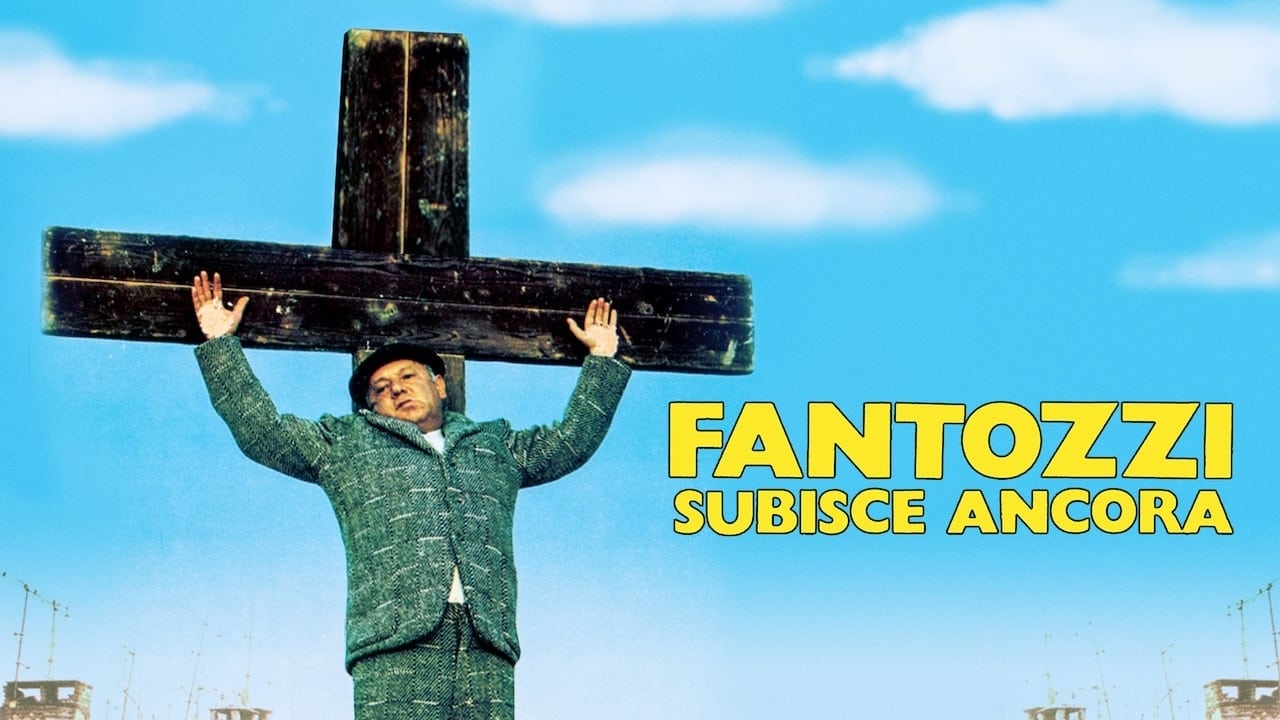
For the uninitiated, Ugo Fantozzi, embodied with legendary commitment by the late, great Paolo Villaggio, is more than just a character; he's an Italian cultural institution. Picture the most perpetually unfortunate, soul-crushingly subservient office drone imaginable, then multiply that by a factor of pure slapstick absurdity. Fantozzi is that guy. His life is a never-ending series of humiliations orchestrated by incompetent superiors, a monstrously unattractive daughter (played, in a running gag across the series, by the decidedly male actor Plinio Fernando), a long-suffering wife Pina (Milena Vukotic, bringing a perfect blend of resignation and faint hope), and his equally disaster-prone colleague Filini (Gigi Reder, a master of misplaced enthusiasm). Villaggio himself created Fantozzi, first in books drawing from his own experiences in the soul-numbing world of big industry, and the character struck such a nerve that the term "fantozziano" genuinely entered the Italian dictionary to describe exactly these kinds of comically bleak, subservient situations.
Navigating the Minefield of Misfortune
Fantozzi Still Suffers, the fourth outing in the saga and the second directed by Neri Parenti (who would become synonymous with a certain brand of fast-paced Italian comedy, often called cinepanettone), doesn't really do plot in the traditional sense. Like its predecessors, it’s a series of episodic sketches showcasing Fantozzi’s latest trials. We see him endure a disastrous company athletics competition where participation is brutally mandatory, navigate the treacherous waters of a condominium assembly that descends into outright warfare, and suffer through a family holiday that goes wrong in every conceivable way. Parenti, taking over from original director Luciano Salce, arguably leans even harder into the sheer velocity and physical extremity of the gags compared to the slightly more grounded (a relative term!) earlier films.
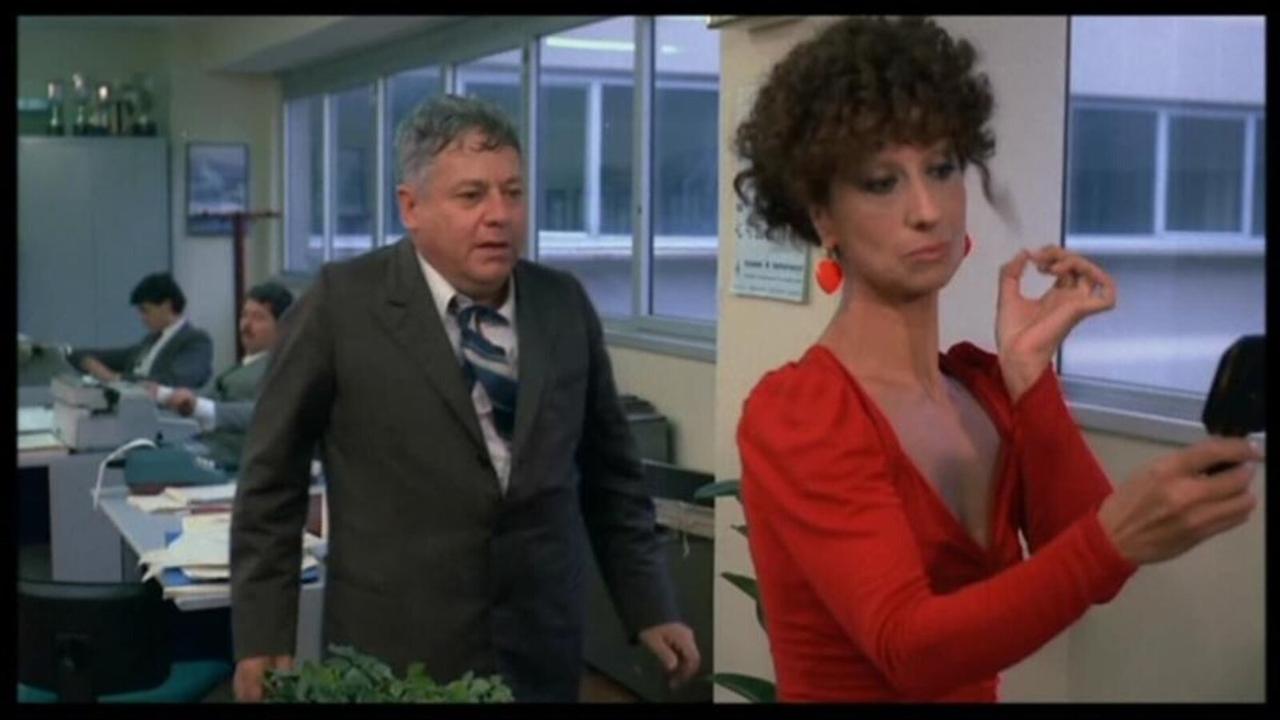
What makes it work, even decades later viewed through a nostalgic haze, is the sheer, unvarnished commitment to the bit. Paolo Villaggio throws himself into the physical comedy with a kind of tragic gusto. Forget carefully choreographed pratfalls; this feels like genuine, painful flailing. When Fantozzi gets hurt, it looks like it hurts. There’s a raw, almost primitive quality to the slapstick here that predates the smoother, often CGI-assisted comedy beats we see today. You feel the thuds, the crashes, the sheer indignity of it all, magnified perhaps by the slightly fuzzy, imperfect nature of watching it on VHS back in the day. Remember how those exaggerated sound effects seemed to boom out of the TV speakers late at night?
The Supporting Pillars of Pain
It’s crucial to shout out the supporting cast, who are just as vital to the Fantozzi formula. Milena Vukotic as Pina Fantozzi is the anchor of weary empathy in this sea of chaos. Her quiet sighs and glances speak volumes about decades of putting up with Ugo’s (and life’s) relentless absurdity. And Gigi Reder as Filini is the perfect foil – the organiser of doomed excursions, the instigator of terrible ideas, always delivered with a veneer of misplaced authority. Their chemistry with Villaggio is undeniable, a well-oiled machine churning out comedic despair. Finding trivia specific to this installment can be tricky, but one persistent element across the Parenti-helmed sequels was the push for increasingly outlandish set-pieces, sometimes straining budgets but always aiming for maximum visual impact – even if that impact was a face-plant into a cake.
Beyond the Belly Laughs
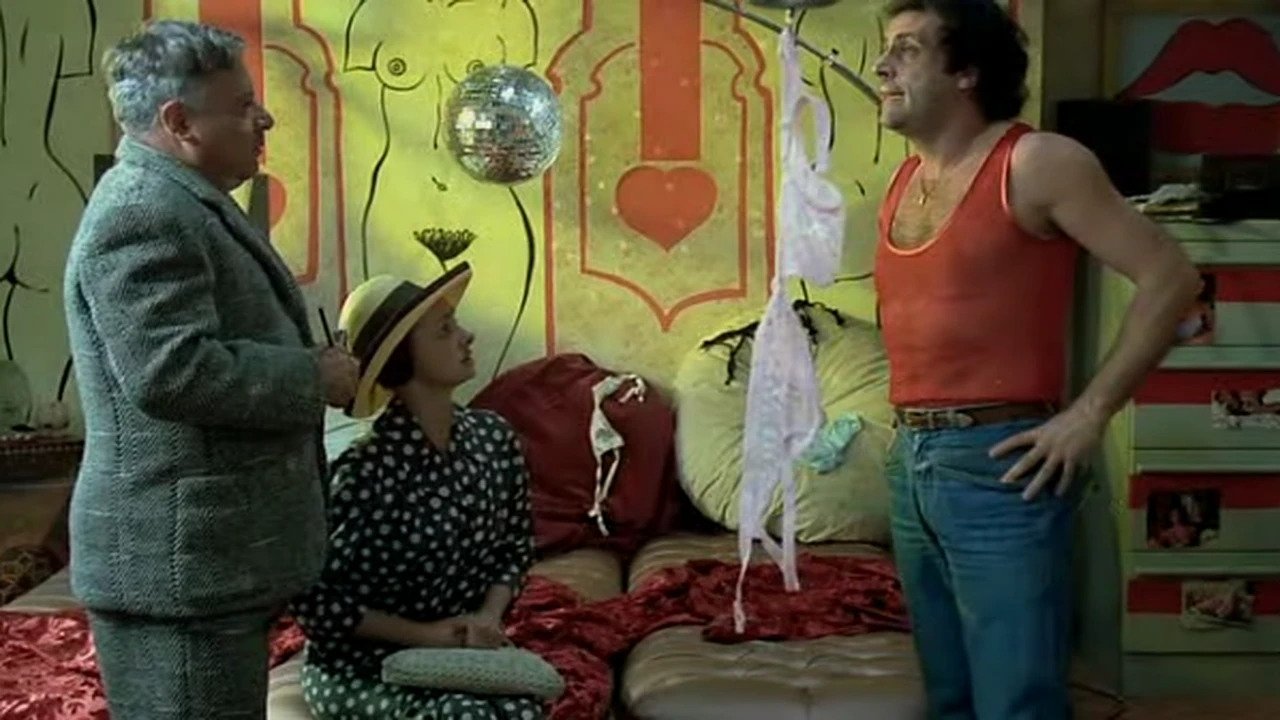
While it’s easy to dismiss Fantozzi as purely low-brow slapstick, there’s always been a layer of sharp social satire bubbling underneath. The films mercilessly lampooned Italian corporate culture, bureaucratic inefficiency, social hierarchies, and the quiet desperation of the working class striving for dignity (and usually failing spectacularly). Watching Fantozzi navigate the Kafkaesque rules of the 'Megaditta' (Mega-Company) or the petty tyrannies of his superiors resonated deeply with Italian audiences in the 70s and 80s. It was cathartic laughter, recognizing the absurdity of their own daily struggles blown up to grotesque proportions. This wasn't just escapism; it was relatable recognition wrapped in outrageous packaging. Did critics always love it? Not necessarily, often dismissing it as vulgar, but audiences consistently turned out in droves, making Fantozzi one of Italy's most successful and enduring film series.
Was it a good movie? By conventional standards, maybe not. It's repetitive, the humour can be cruel, and some elements haven't aged perfectly. But judged as a time capsule of a specific brand of European comedy, and as a vehicle for Paolo Villaggio's singular creation, it's undeniably effective and, for many, hysterically funny. I distinctly remember catching snippets of these films on late-night TV or finding battered tapes, the sheer alien energy of them being part of the appeal.
---
VHS Heaven Rating: 6/10
Justification: While undeniably crude and episodic, Fantozzi Still Suffers delivers exactly what fans of the series expect: Paolo Villaggio's masterful portrayal of comedic suffering, some genuinely inventive (if grotesque) slapstick set pieces, and that specific satirical bite aimed at Italian society of the era. It lacks the freshness of the first couple of films and leans heavily into formula, keeping it from reaching classic status. However, the commitment of the cast, particularly Villaggio, Vukotic, and Reder, elevates the material. It’s a solid entry, providing reliable, if sometimes wince-inducing, laughs rooted in relatable human frailty.
Final Thought: Fantozzi's particular brand of suffering might feel abrasive compared to today's safer comedies, but on a flickering CRT screen via a beloved VHS tape, his epic fails felt hilariously, painfully real – a uniquely Italian export of exquisite agony.