Okay, rewind your minds with me. Forget the sleek, quippy action heroes for a moment. Let's talk about a different kind of 80s screen warrior: the perpetually doomed, tragically hilarious Italian accountant Ugo Fantozzi. Popping Fantozzi Contro Vento (or Fantozzi Against the Wind, 1980) into the VCR back in the day was like signing up for a masterclass in comedic suffering, delivered with a kind of battered, lovable resilience that’s pure gold. This wasn't explosive action, but the sheer impact of the slapstick? Trust me, it felt just as visceral on that fuzzy CRT screen.

### The Glorious Humiliation of the Everyman
For anyone unfamiliar, Fantozzi isn't just a character; he's an Italian institution. Created and embodied by the legendary Paolo Villaggio, first in wildly popular books and then on film, Ragionier (Accountant) Fantozzi is the ultimate symbol of the downtrodden impiegato – the white-collar worker crushed by the absurdities of corporate bureaucracy (the monolithic "Megaditta" or Mega-Company) and the petty indignities of everyday life. Fantozzi Against the Wind, the third film in the long-running series, sees Neri Parenti (who would go on to direct many broad Italian comedies, including later Fantozzi entries) take the directorial reins from Luciano Salce, keeping the pedal firmly pressed on the cringe-comedy gas.
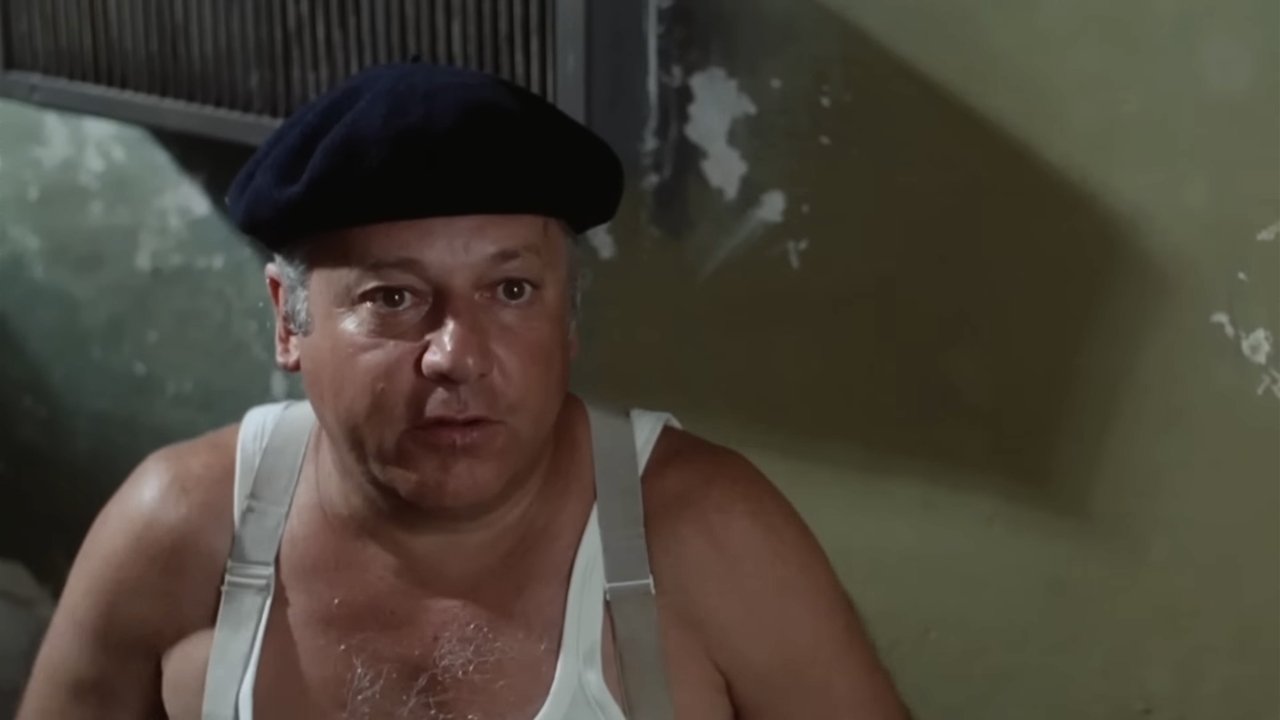
The "plot," as such, is typically episodic – a series of disastrous vignettes showcasing Fantozzi's uncanny ability to attract misfortune. Whether he's navigating a hellish company outing involving questionable canoeing, attempting to enjoy a hopelessly chaotic camping trip, or – most famously – participating in the soul-destroying corporate cycling race known as the Coppa Cobram, Fantozzi fails spectacularly, hilariously, and often painfully. It's a testament to Villaggio's genius that despite the constant barrage of humiliation, Fantozzi remains oddly sympathetic. He’s a loser, yes, but he tries, bless his cotton socks (and beret). Villaggio, who sadly passed away in 2017, drew heavily on his own experiences working in large corporations, lending an air of excruciating authenticity to the satire. That grey, oppressive office environment? It felt real because, for many, it was.
### Slapstick as Extreme Sport
Now, let's talk about the physicality. Forget CGI wire-fu. The comedy here is grounded, practical, and often breathtakingly committed. When Fantozzi takes a tumble – and oh boy, does he tumble – it’s pure, unadulterated slapstick timing. Think Buster Keaton by way of Kafka, filtered through an Italian lens. The gags rely on impeccable timing, exaggerated physics, and Villaggio's incredible ability to convey pain and embarrassment through expression and posture alone. Remember how real those falls looked, even amidst the absurdity? That wasn't digital trickery; that was performers putting their bodies on the line for the laugh, a hallmark of this era's comedy filmmaking.
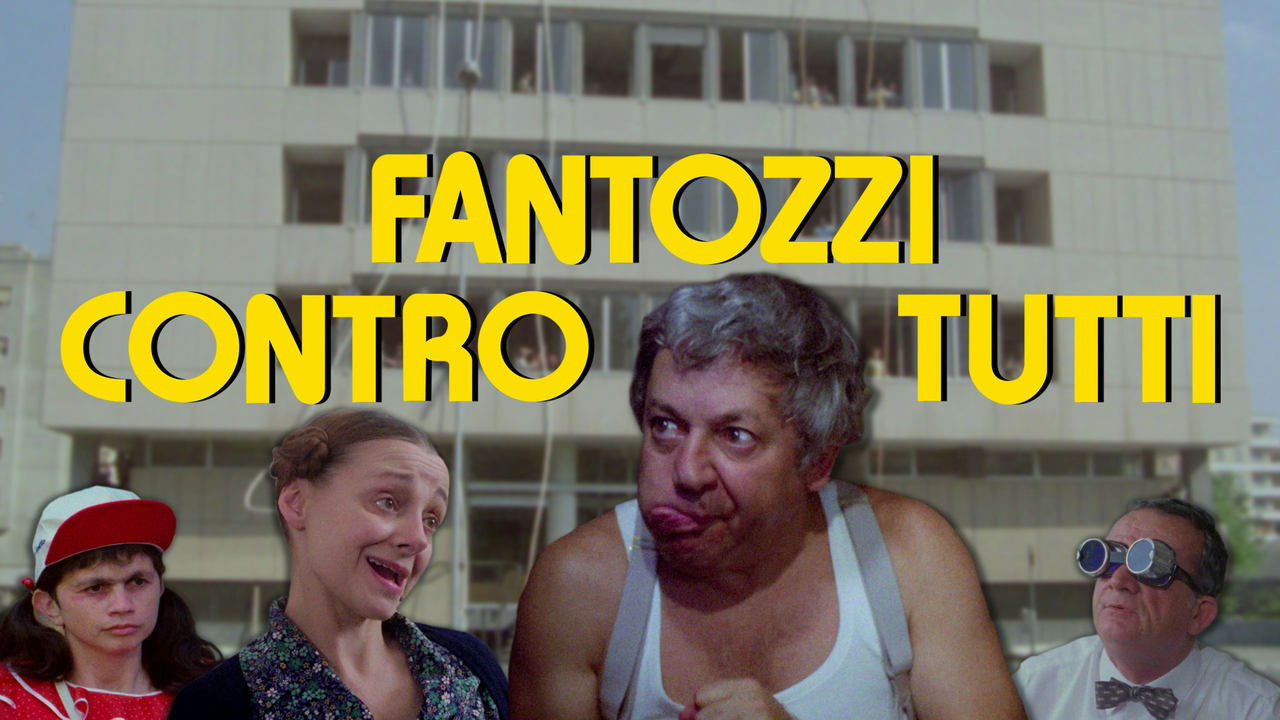
Key to the dynamic is the ensemble cast. Gigi Reder as the equally inept but slightly more conniving colleague Filini is the perfect foil, often instigating the very disasters that engulf Fantozzi. And Milena Vukotic as Fantozzi's long-suffering wife, Pina, provides a touch of weary heart amidst the chaos, her quiet resignation often funnier than any pratfall. Their chemistry is undeniable, honed over multiple films into a seamless comedic unit.
### The Legend of the Coppa Cobram
One sequence stands head and shoulders above the rest, etched into the collective memory of Italian cinema fans: the Coppa Cobram. This isn't just a bike race; it's a corporate-mandated nightmare, complete with ridiculous outfits, treacherous conditions, and Fantozzi inevitably finding new and inventive ways to suffer vehicular misfortune. It’s a masterpiece of sustained comedic agony, perfectly skewering pointless corporate team-building exercises. Fun fact: the term "Coppa Cobram" has basically become shorthand in Italy for any ludicrous, badly organised, and utterly pointless competition. That's legacy!
The film, like its predecessors, was a massive hit in Italy. While the humour is very specific – deeply rooted in Italian social satire and workplace culture of the time – the core themes of battling bureaucracy, dealing with social awkwardness, and simply trying to survive the daily grind are universal. Watching it now, some jokes might feel dated, and the episodic structure can make it feel less like a cohesive movie and more like a greatest hits collection of suffering. But the sheer comedic energy and Villaggio's iconic performance remain potent.
---
VHS Heaven Rating: 7/10
Justification: While undeniably episodic and perhaps overwhelmingly Italian for some viewers, Fantozzi Against the Wind is a masterclass in physical comedy and social satire, anchored by Paolo Villaggio's legendary performance. The practical gags land with painful hilarity, and iconic sequences like the Coppa Cobram cement its status as a cult classic (at least in its homeland). It loses points for its niche appeal and sometimes repetitive structure, but the highs are incredibly high.
Final Thought: Forget high-octane explosions; sometimes the most memorable bang on a well-worn VHS tape was the sound of poor Fantozzi hitting the pavement… again. A glorious symphony of comedic disaster.