Okay, fellow tapeheads, slide that slightly worn cassette of Scuola di ladri - Parte seconda (or School of Thieves 2 as many of us found it labelled, maybe slightly misspelled, on a dusty video store shelf) into the VCR. Hear that satisfying clunk? Good. Because we're diving back into the chaotic, clumsy world of Italy's most endearingly inept criminals, a perfect slice of late-80s European comedy that probably played on countless fuzzy CRT screens after midnight. Forget slick Ocean's Eleven heists; this is pure, unadulterated, pratfall-heavy mayhem, served with a distinctively Italian flavour.
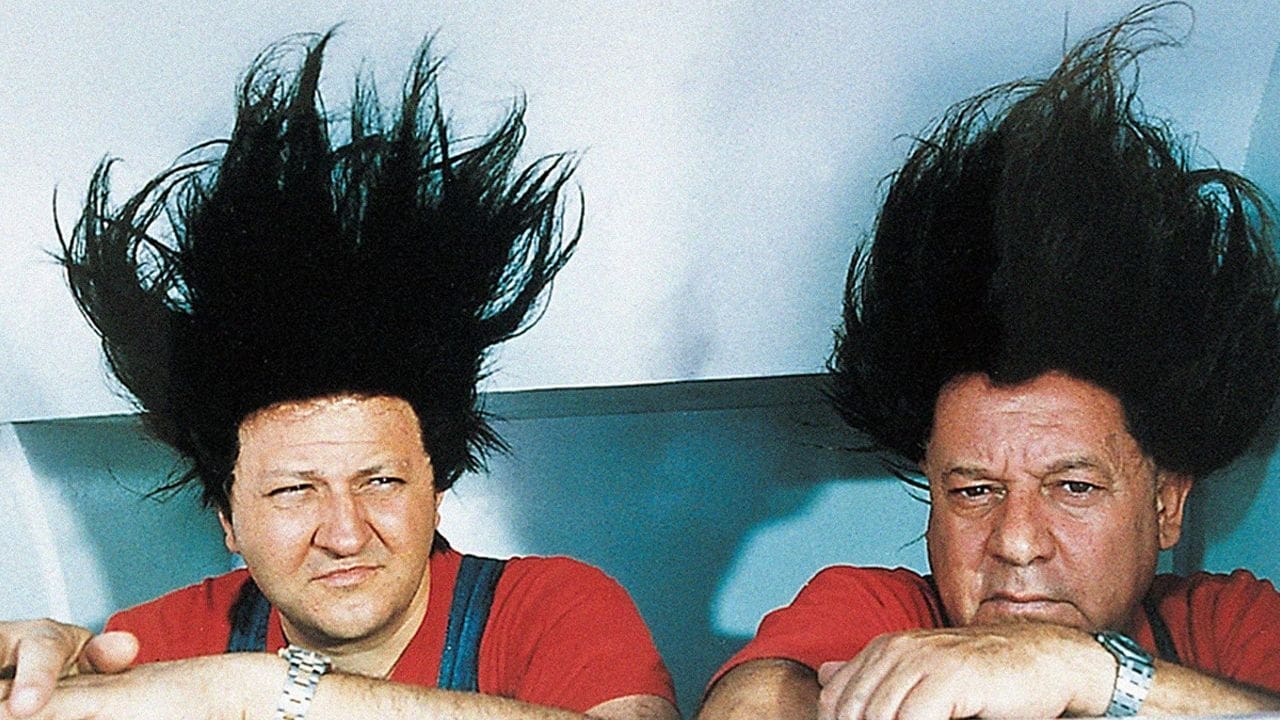
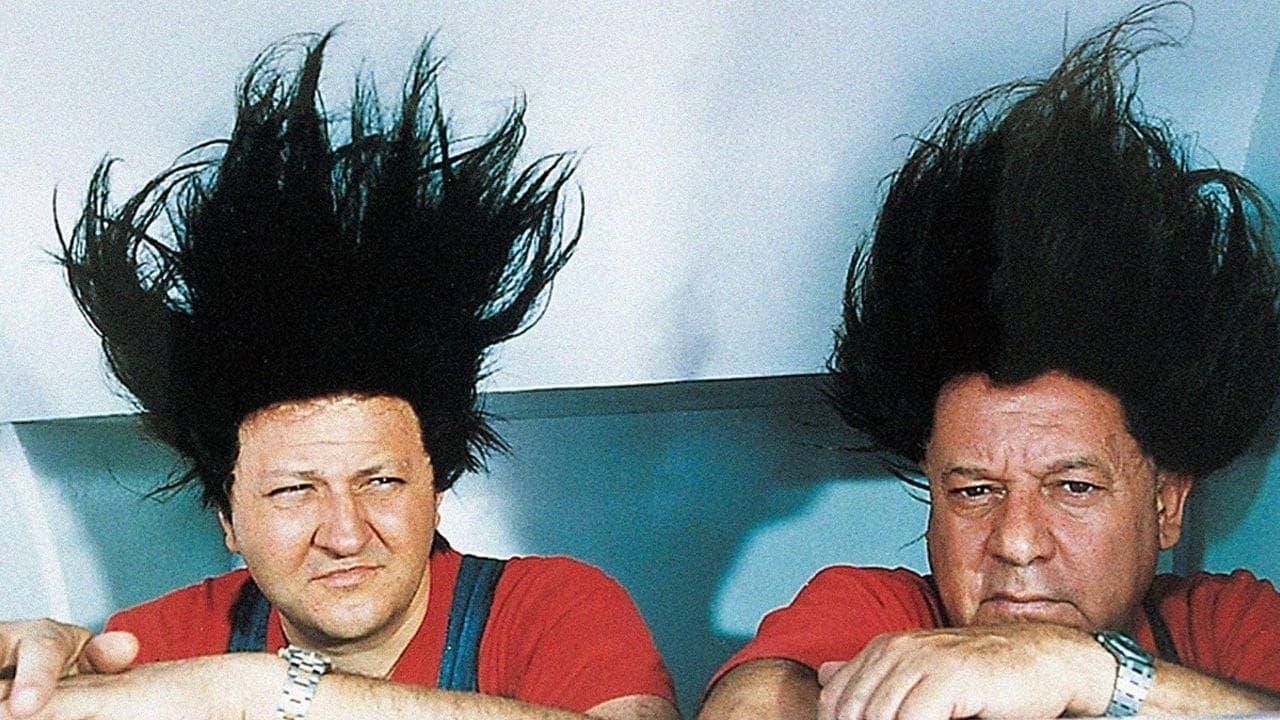
This 1987 sequel reunites us with Dalmazio (the legendary Paolo Villaggio) and Egisto (the equally frantic Massimo Boldi), two cousins whose primary skill seems to be snatching defeat from the jaws of... well, anything resembling competence. If you caught the first Scuola di ladri (1986), you know the drill: their sophisticated, wheelchair-bound "Uncle" Aliprando (the perfectly cast, imposing Enrico Maria Salerno) orchestrates elaborate thefts, forcing his hapless nephews to execute plans that inevitably go hilariously sideways. The genius here is Salerno playing it relatively straight, his gravitas acting as the perfect launchpad for the utter buffoonery of Villaggio and Boldi.
Return of the Bunglers
What made these Italian comedies, especially those helmed by prolific director Neri Parenti (a man practically synonymous with Italian box office hits throughout the 80s and 90s), feel so vibrant back then? It was the sheer energy. Villaggio, already an icon for his Fantozzi character, brings his signature physical comedy – a masterclass in looking perpetually put-upon and terrified. Boldi, often his partner in cinematic crime during this era, counters with manic energy and a face seemingly made of rubber. Their chemistry is undeniable, a well-oiled machine of slapstick timing honed over multiple collaborations.
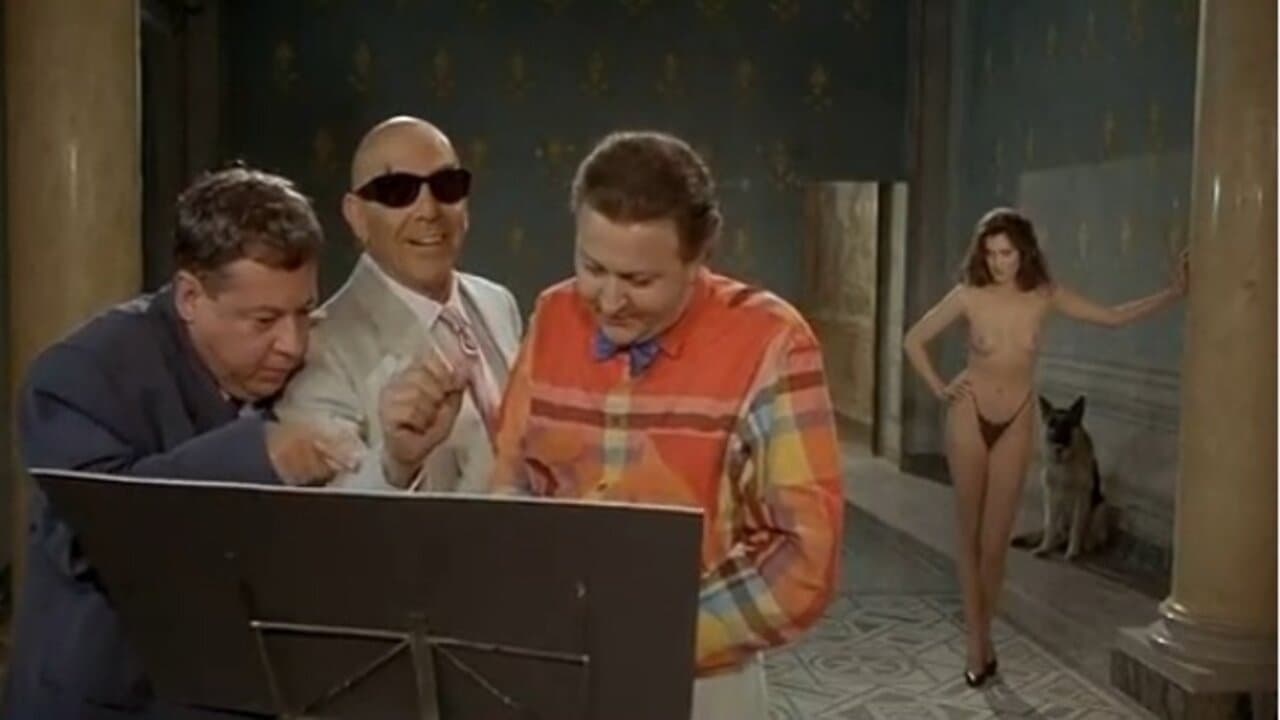
The plot, as is often the case in these ventures, is more of a framework for comedic set pieces than a complex narrative. Uncle Aliprando, having faked his own death (naturally), springs his nephews from prison (where they landed after the first film's fiasco) to steal a priceless jewel necklace during a high-society event on a luxury yacht. Cue ridiculous disguises, malfunctioning gadgets dreamed up by the Uncle (often involving hilarious practical effects that look charmingly clunky today), and a series of escalations that push the boundaries of believable incompetence. Remember how real those moments felt when someone tripped, fell, or got mildly electrocuted by a faulty spy pen? No CGI smoothing the edges there – just pure, practical stunt work, likely involving a few bumps and bruises for the performers!
Chaos on Location
Part of the fun is seeing the elaborate setups inevitably crumble. The film whisks us away to scenic spots, reportedly including some lovely Sardinian locations, providing a sun-drenched backdrop for the indoor and outdoor chaos. It's this contrast – the beautiful setting versus the utter clumsiness of the protagonists – that fuels much of the humour. Neri Parenti, working from a script he co-wrote with Franco Ferrini and Enrico Oldoini, knew exactly what his audience wanted: Villaggio flailing, Boldi panicking, and Salerno looking exasperated.
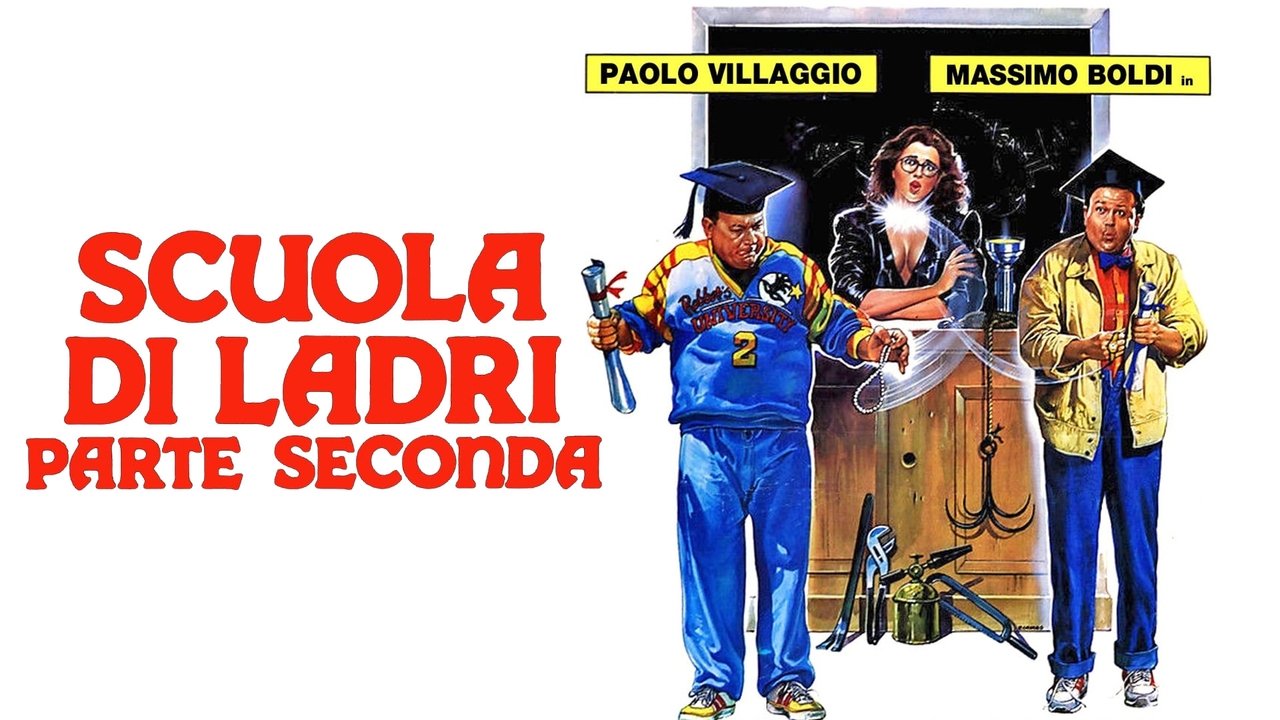
It's fascinating to remember how huge these films were in Italy. While maybe relegated to the "Foreign Comedy" shelf in North American video stores (if you were lucky enough to find it!), Scuola di ladri - Parte seconda was a significant hit back home, building on the success of its predecessor. It wasn't high art, and critics might have sniffed, but audiences adored the familiar comfort of these comedic pairings and the reliable stream of gags. It cost roughly 4 billion Italian Lire to make (a decent budget for the time) and reportedly raked in over 10 billion Lire at the Italian box office – proof that sometimes, audiences just want to laugh at well-executed silliness.
The Enduring Charm of 80s Italian Slapstick
Watching it now, the pacing feels distinctly 80s – less rapid-fire cutting, more lingering on the physical comedy, letting the absurdity build. The technology they grapple with is hilariously dated (bulky listening devices, rudimentary trackers), adding another layer of nostalgic amusement. Was it sophisticated? No. Does it hold up as peak cinematic achievement? Probably not. But is it fun? Absolutely. There's an earnestness to the stupidity, a commitment to the bit from Villaggio and Boldi that remains infectious. And Enrico Maria Salerno, a respected dramatic actor (The Bird with the Crystal Plumage (1970), anyone?), clearly relishes the chance to play the scheming straight man amidst the madness.
It’s the kind of movie perfectly suited for a late-night watch with friends, maybe fueled by pizza and soda, where you can appreciate the sheer audacity of the physical gags and the specific comedic rhythm that feels so tied to its era. You didn't need complex character arcs; you just needed Villaggio to get tangled in something, Boldi to make a ridiculous face, and Salerno to sigh deeply from his high-tech wheelchair.
---
VHS Heaven Rating: 6/10
Justification: This score reflects the film's success as a piece of pure, unpretentious 80s Italian slapstick comedy. It delivers exactly what it promises: laughs derived from the expert physical comedy of its leads and ridiculous situations. While the plot is thin and the humour broad, the chemistry between Villaggio, Boldi, and Salerno is undeniable, and it possesses significant nostalgic charm for fans of the era and genre. It loses points for lacking narrative depth and relying heavily on familiar tropes, but gains points for its sheer energy, effective practical gags, and its status as a beloved Italian comedy hit.
Final Take: School of Thieves 2 is a delightful time capsule of goofy gadgets, glorious moustaches, and groan-inducing (in a good way!) puns and pratfalls. It won't change your life, but like finding a favourite old mixtape, it’s guaranteed to bring a smile – and maybe a memory of fuzzy tracking lines – to your face. Pure, unadulterated VHS-era silliness at its Italian best.