Alright, fellow tapeheads, gather 'round the flickering glow of the CRT. Tonight, we're digging deep into the glorious absurdity of Italian 80s comedy with a title that practically screams "rent me!" from the shelf: Fracchia The Human Beast (original title: Fracchia la belva umana) from 1981. Forget slick Hollywood productions for a moment; this is pure, unadulterated, slapstick-heavy Euro-farce energy, the kind that made hazy late-night viewings an absolute blast. And at its trembling, sweating centre? The inimitable Paolo Villaggio.
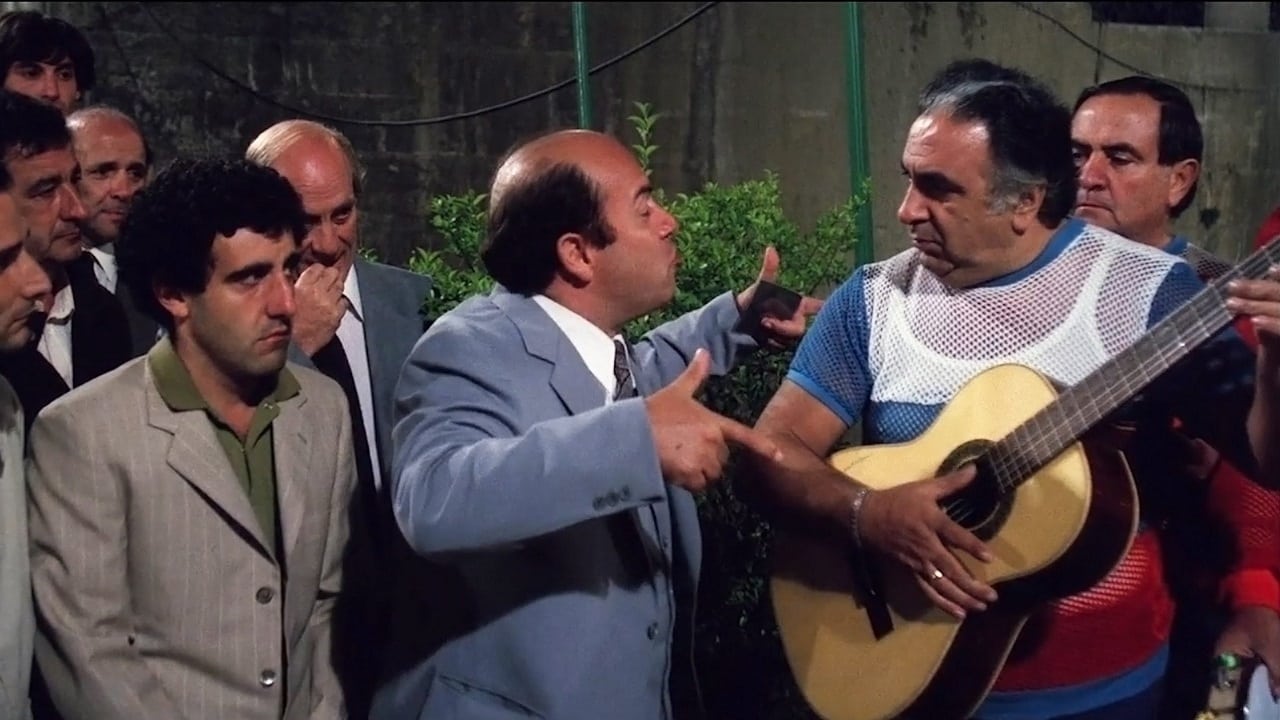
For many outside Italy, Villaggio is synonymous with his other iconic creation, the perpetually downtrodden accountant Fantozzi. But here, he embodies Giandomenico Fracchia, a character equally cursed by misfortune, albeit in a much more... Jekyll and Hyde fashion. This isn't just bad luck; Fracchia has a literal monstrous double, an identical twin of pure, unbridled id – violent, vulgar, and utterly terrifying – who commits heinous crimes for which poor, timid Fracchia inevitably takes the fall. It's a premise ripe for comedic chaos, and director Neri Parenti, who would later helm many Fantozzi sequels and become a staple of Italian broad comedy, dives in headfirst.
The Misadventures of a Terrified Man
The genius of Fracchia The Human Beast lies largely in Paolo Villaggio's masterful physical comedy. As Fracchia, he’s a symphony of nervous ticks, quivering lips, and flop-sweat anxiety. Every interaction is fraught with potential disaster, amplified by the knowledge that his terrifying alter ego could be lurking anywhere, ready to ruin his life further. Villaggio contorts his face and body in ways that feel genuinely painful yet utterly hilarious – a throwback to silent film comedians, but filtered through a distinctly loud, 80s Italian sensibility. You feel every cringe, every desperate attempt to placate authority, every near-miss with physical harm.
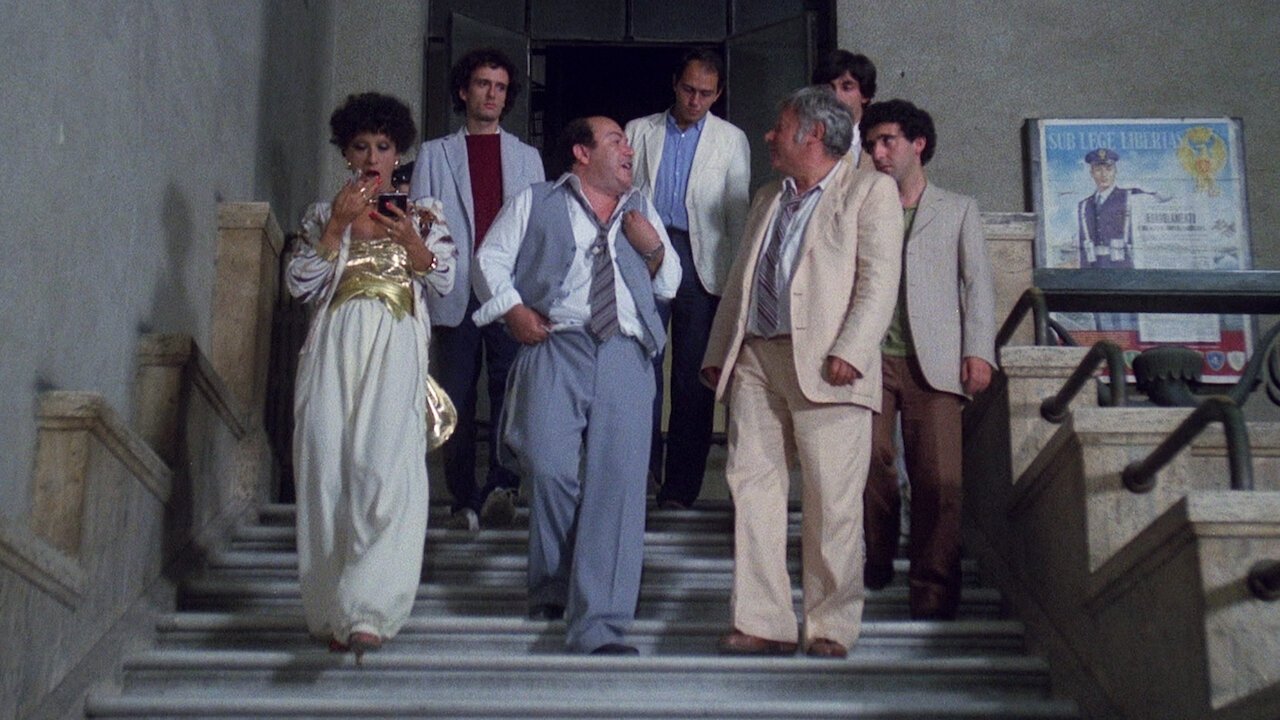
Remember how brilliantly pathetic Fantozzi was? Fracchia cranks the sheer terror up to eleven. It's a performance built on reaction, on the sheer panic of being trapped in an impossible situation. A fascinating bit of trivia: Villaggio had already established the Fracchia character years earlier on television shows like Quelli della domenica, making this cinematic outing a treat for existing fans while being perfectly accessible to newcomers ready for absurdity.
Enter Banfi, Stage Left
No great Italian comedy of this era feels complete without a foil, and here we get the legendary Lino Banfi as Commissario Auricchio. Banfi, another titan of Italian comedy known for his rapid-fire delivery and expressive exasperation, is the perfect counterpoint to Villaggio’s trembling wreck. His attempts to interrogate Fracchia, constantly mistaking him for the Beast (or vice-versa), are exercises in escalating frustration and pure comedic gold. Their scenes together are highlights, a masterclass in timing and chemistry. Look out too for Gigi Reder, another Fantozzi regular, in a supporting role, adding another layer of familiar comedic comfort.
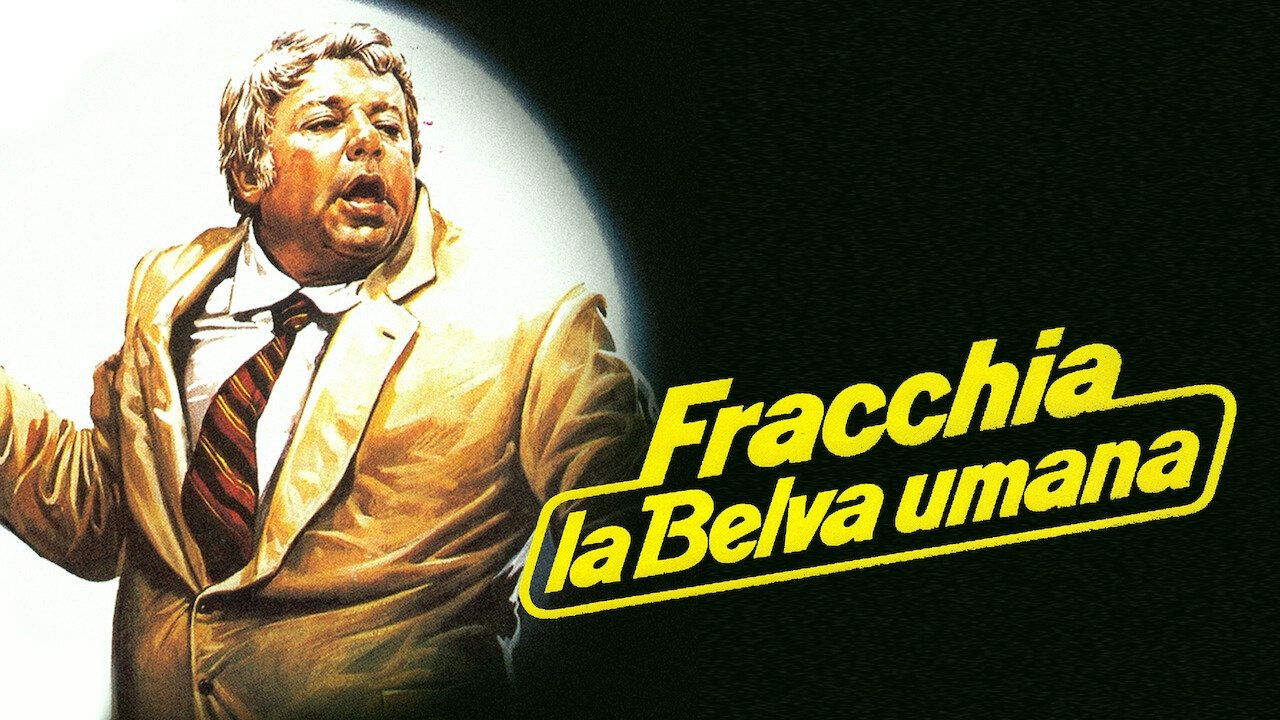
The film doesn't rely on complex plotting; it's a series of increasingly frantic situations. Fracchia tries to go on a date, get a job, simply exist – and inevitably, the Beast appears, leading to car chases (done with real cars and real near-misses, none of that CGI floatiness!), mistaken identities, and property destruction played for maximum laughs. The effects bringing the "Beast" to life are simple – often just Villaggio adopting a menacing glare and deeper voice – but it works because the comedy comes from the situation and the reactions, not digital wizardry. It feels tangible, grounded in the real world even as the premise spirals into lunacy.
That 80s Italian Charm
Watching Fracchia today is like stepping into a time capsule. The fashion, the cars, the slightly grainy film stock – it all screams early 80s Italy. Neri Parenti directs with a workmanlike efficiency focused squarely on delivering the gags. There’s no pretense here, just a desire to make the audience laugh using every tool in the slapstick arsenal. The pacing is relentless, moving from one set piece to another. Reportedly a significant box office success in Italy upon release, it solidified the comedic pairing of Villaggio and Banfi, leading to more collaborations. It perfectly captured the zeitgeist of broad, populist Italian comedy cinema of the time.
Is it sophisticated? Absolutely not. Does it rely on stereotypes and some humour that hasn’t aged perfectly? Sure, like many comedies of its time. But does it possess an infectious energy and showcase comedic talents performing at the peak of their powers within their specific niche? Undeniably. It’s the kind of film you find on a dusty VHS tape with a wonderfully lurid cover, pop it in with low expectations, and find yourself laughing out loud at the sheer audacity of it all. I distinctly remember renting this (or maybe a copy taped off late-night TV) and being bewildered and amused in equal measure.
The Verdict
Fracchia The Human Beast is a whirlwind of glorious 80s Italian slapstick, anchored by a brilliantly panicked performance from Paolo Villaggio and excellent support from Lino Banfi. It’s loud, it’s silly, it’s occasionally crude, but it possesses a raw comedic energy that’s hard to resist. The practical gags and Villaggio's physical commitment feel refreshingly real compared to today's often overly polished comedies.
Rating: 7/10 – The rating reflects its status as a top-tier example of its specific genre (Italian 80s farce) and the undeniable comedic talent on display. It's not high art, but it achieves exactly what it sets out to do with infectious energy and memorable performances, making it a gem for fans of Villaggio, Banfi, or discovering the wilder side of retro European comedy.
Final Thought: Forget digital doubles; give me Paolo Villaggio sweating buckets and staring down Lino Banfi any day – pure, uncut comedic panic, the VHS way.