Dust off that worn clamshell case, rewind the memories. Some films arrive like forgotten dreams, flickering back into consciousness with the distinct visual hum of the VHS era. Lamberto Bava’s The Dragon Ring (known in its original, longer form as Desideria e l'Anello del Drago, 1994) is one such title – a sweeping, slightly strange Italian fantasy epic that likely graced the shelves of many a video store's fantasy section, perhaps nestled near its sibling series, Fantaghirò. It wasn't slick Hollywood fare; it possessed a different kind of magic, tinged with European fairy-tale logic and a certain earnest ambition that felt grand, even through the grainy tracking lines.
### A Princess Raised by Wolves
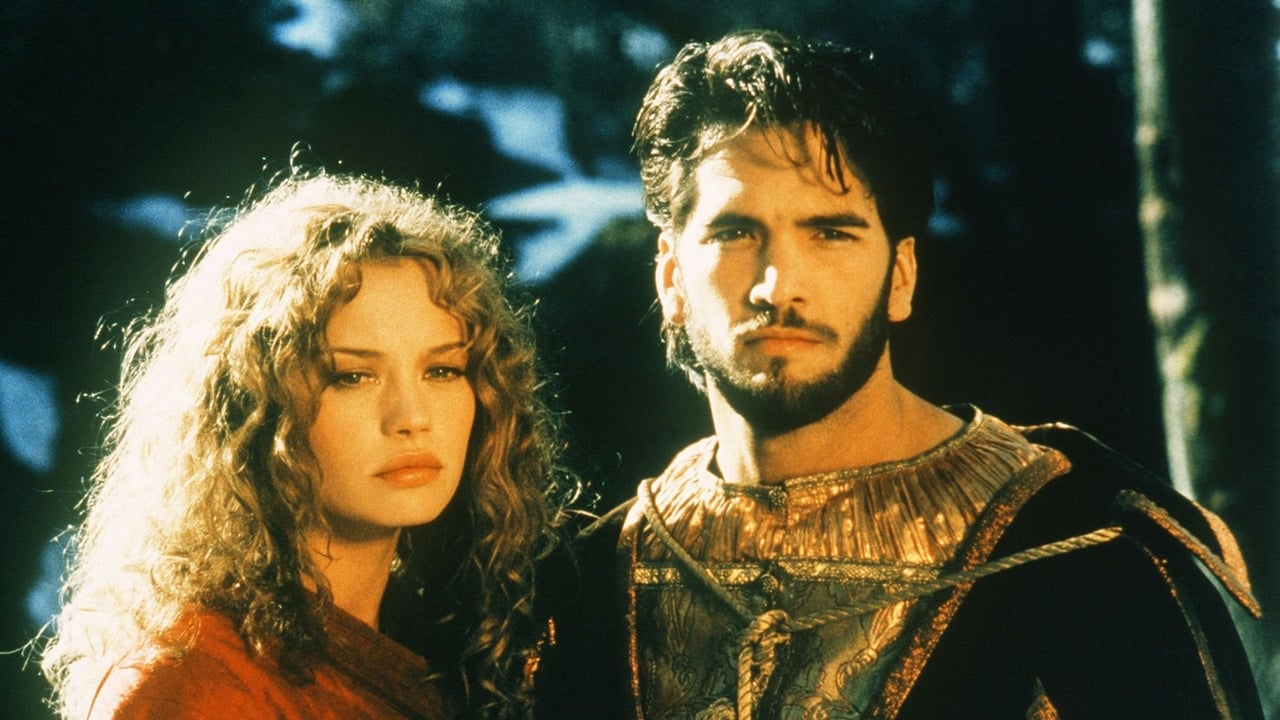
The premise itself feels torn from the pages of a weathered storybook: Princess Desideria (Anna Falchi), rightful heir to the Dragon Ring throne, is cast out as an infant and raised, Mowgli-style, by wolves in the forbidden forest. She grows into a wild, untamed beauty, unaware of her lineage until circumstance and destiny intervene. Opposing her is the cruel, power-hungry King Karl (Franco Nero), who usurped her father’s kingdom and desires the legendary Dragon Ring, an artifact of immense power connected to, well, a dragon. Caught in the middle is the tormented Prince Victor (Joel Beeson), Karl's son, torn between duty and his fascination with Desideria. It’s a classic quest narrative, filled with prophecies, magic, betrayal, and a heroine discovering her strength.
What immediately set The Dragon Ring apart for many viewers back then, especially those encountering the edited-down feature film version often found on VHS, was its distinct European flavour. Co-produced by Italian and German companies, it was part of a wave of lush, romantic fantasy miniseries that proved incredibly popular on the continent. These productions often featured stunning location work – filming frequently took place in picturesque castles and forests in places like the Czech Republic to maximize scope on a television budget – elaborate costumes, and a blend of fairy-tale wonder with surprisingly mature themes of love, loss, and tyranny.
### From Horror Maestro to Fantasy Bard
The name Lamberto Bava in the director's chair might raise eyebrows for those who primarily know him for unleashing gore-drenched demonic chaos in films like Demons (1985) and Demons 2 (1986). Yet, the son of the legendary Mario Bava pivoted significantly in the 90s towards directing these sprawling fantasy sagas for television. While The Dragon Ring lacks the visceral horror of his earlier work, you can occasionally sense his stylistic fingerprints. There's a certain intensity to the villainy, a willingness to embrace slightly darker fairy-tale elements, and an atmospheric approach to the settings that hints at his genre roots. He wasn't just churning out content; there's a visual flair here, albeit constrained by the medium and budget. One persistent rumour, though hard to confirm definitively, was that Bava found the constraints of TV production challenging after the creative freedom of his 80s horror hits, leading to some on-set friction over schedules and effects budgets.
### Faces Familiar and Fierce
Leading the cast is Anna Falchi, an Italian model and actress who was a prominent figure in the 90s. As Desideria, she embodies the "wild child" archetype effectively, transitioning from forest-dweller to determined princess. While perhaps not the most nuanced performance, she brings a striking presence and earnestness crucial for anchoring the fantastical plot.
But let's be honest, the magnetic pull for many viewers, then and now, is the legendary Franco Nero. Fresh off roles that spanned everything from iconic spaghetti westerns (Django, 1966) to mainstream action (Die Hard 2, 1990), Nero sinks his teeth into the role of the malevolent King Karl. He doesn't just play a villain; he commands the screen with a simmering menace and regal arrogance that elevates the material considerably. His presence lends the production a gravitas it might otherwise lack. Supporting players like Sophie von Kessel as the scheming Selvaggia add capable layers to the court intrigue.
### The Magic and Mechanics of TV Fantasy
Watching The Dragon Ring today is an exercise in appreciating ambition alongside charmingly dated execution. The production design and costumes aim for grandeur, creating a believable, if slightly theatrical, fantasy world. The score, often a highlight in these Italian productions (Carlo Maria Cordio is frequently associated with Bava's work of this era, though specifics can be elusive), likely aimed for epic sweep.
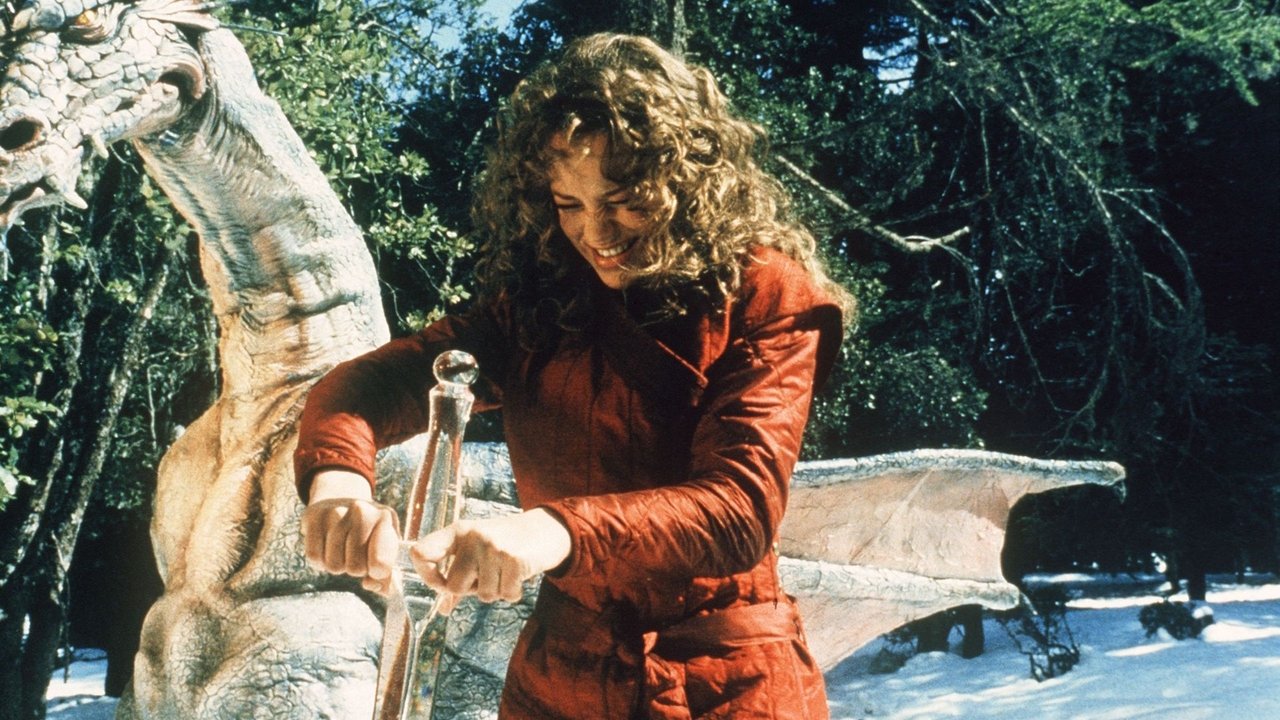
Then there are the effects. The titular dragon, realised through practical effects and puppetry, is pure 90s TV fantasy. Does it look "real" by today's CGI standards? Absolutely not. But does it possess a certain tangible, handcrafted charm that resonates with the VHS aesthetic? Undeniably. There's an endearing quality to these pre-digital creatures; you can almost feel the effort involved. These effects weren't seamless, but they felt present in a way that perfectly matched the slightly rough-around-the-edges feel of watching it on a rented tape. Reportedly, maneuvering the large dragon puppet during filming was a constant source of technical headaches for Bava's crew.
The original miniseries format allowed for more character development and plot intricacies. The versions often circulated on VHS or DVD were significantly condensed, sometimes leading to abrupt pacing or underdeveloped subplots. Discovering it originated as a nearly three-hour, two-part television event adds context to its sometimes-episodic feel.
### Legacy of the Dragon Ring
The Dragon Ring isn't a lost masterpiece, nor is it likely to convert fantasy skeptics. Its appeal lies firmly in its specific time and place – a grand, slightly goofy, utterly sincere slice of 90s European TV fantasy. It represents a particular style of storytelling that felt epic and transportive when discovered on a Friday night trip to the video store, offering a different flavour than the dominant American blockbusters. It reminds us of a time when fantasy on screen, especially television, relied more on evocative locations, committed performances, and practical ingenuity than on seamless digital rendering. For those who remember this era, or Lamberto Bava's unexpected foray into family-friendly fantasy, it holds a certain nostalgic charm.
VHS Heaven Rating: 6/10
Justification: The score reflects the film's earnest ambition, Franco Nero's powerhouse performance, and its nostalgic value as a prime example of 90s European TV fantasy. It captures a specific, slightly quirky charm. However, it's held back by dated effects, sometimes uneven pacing (especially in edited versions), and acting that occasionally dips into the melodramatic.
Final Thought: The Dragon Ring remains a fascinating artifact – a testament to a specific moment in international television production and a reminder that even directors known for darkness could conjure moments of fairy-tale light, however flickering it might appear through the haze of time and tracking adjustments.