Ah, the mid-90s. A time when the television landscape felt ripe for adventure, especially in the burgeoning world of syndicated programming. Forget the standard network fare for a moment; tucked away in blocks like Universal's "Action Pack" were attempts at something grander, something… mythical. And bursting onto screens with a surprisingly earnest charm in 1994 was Hercules and the Circle of Fire, a televised epic that felt like discovering a hidden treasure map amongst the usual channel-surfing clutter. It wasn't just a movie; it was the spark that ignited a phenomenon.
Forging a New Hero
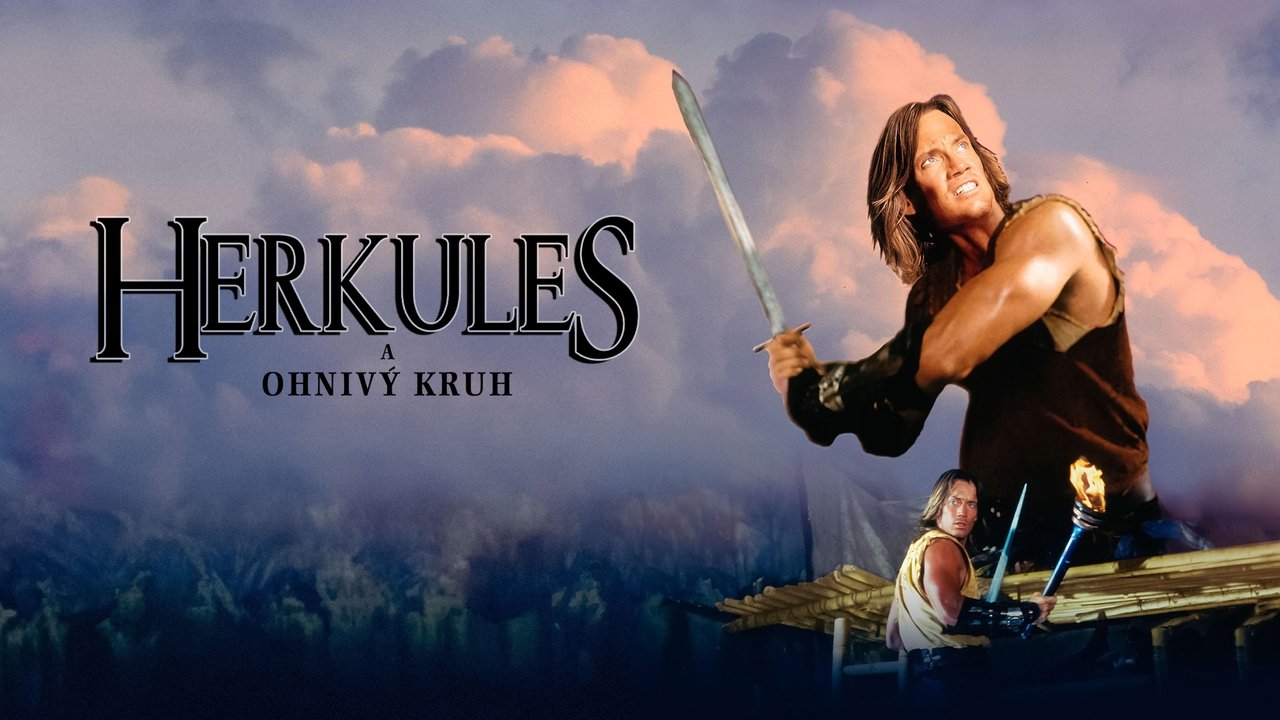
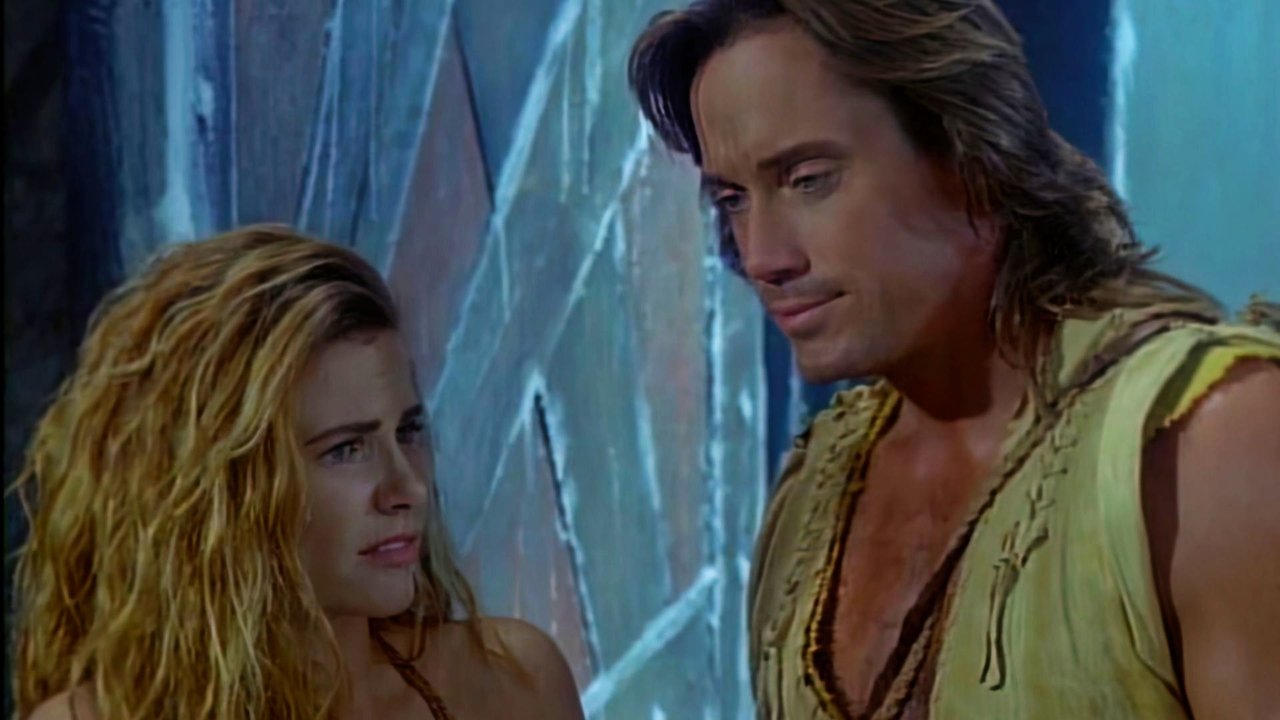
This wasn't the brooding, muscle-bound Hercules of old Hollywood epics. Instead, we got Kevin Sorbo, stepping into the sandals with a disarming smile, approachable charm, and yes, an impressive physique that looked right at home tossing boulders (or villains). Hercules and the Circle of Fire drops us right into the action: the world is plunging into a deadly winter because Hera, ever the antagonist, has stolen the Eternal Torch of Prometheus. It falls to Hercules, naturally, to retrieve it before humanity freezes solid. Partnering with him is the capable and fiery Deianeira, played with gusto by the late Tawny Kitaen, who many would remember from Whitesnake videos but proved a solid foil and companion for Herc here. The plot is straightforward fantasy questing, hitting familiar beats but doing so with an infectious energy that’s hard to resist.
Hollywood Royalty Meets Syndication
What truly elevates Circle of Fire beyond typical TV movie territory is the casting of screen legend Anthony Quinn as Zeus. Seeing the two-time Oscar winner, star of classics like Lawrence of Arabia (1962) and Zorba the Greek (1964), appear as the King of the Gods lent an unexpected gravitas and a wink of prestige to the proceedings. His interactions with Sorbo, the fatherly advice mixed with Olympian authority, add a layer of warmth and legitimacy. It felt like a real coup, securing an actor of his stature, and it immediately signaled that this wasn't just a cheap knock-off; there was ambition here.
Retro Fun Facts: Igniting a Franchise
Hercules and the Circle of Fire wasn't conceived in a vacuum. It was actually the second of five initial TV movies commissioned by Universal Television, spearheaded by executive producers Sam Raimi and Rob Tapert (hot off Army of Darkness (1992)). These films – starting with Hercules and the Amazon Women and followed by Hercules and the Lost Kingdom, Hercules in the Underworld, and Hercules in the Maze of the Minotaur – were essentially high-stakes pilots, testing the waters for a full syndicated series. Airing within the "Action Pack" alongside shows like TekWar and Vanishing Son, these movies were designed to gauge audience interest. Spoiler alert: it worked. The positive reception paved the way for Hercules: The Legendary Journeys, which premiered the following year and became a global syndicated smash hit.
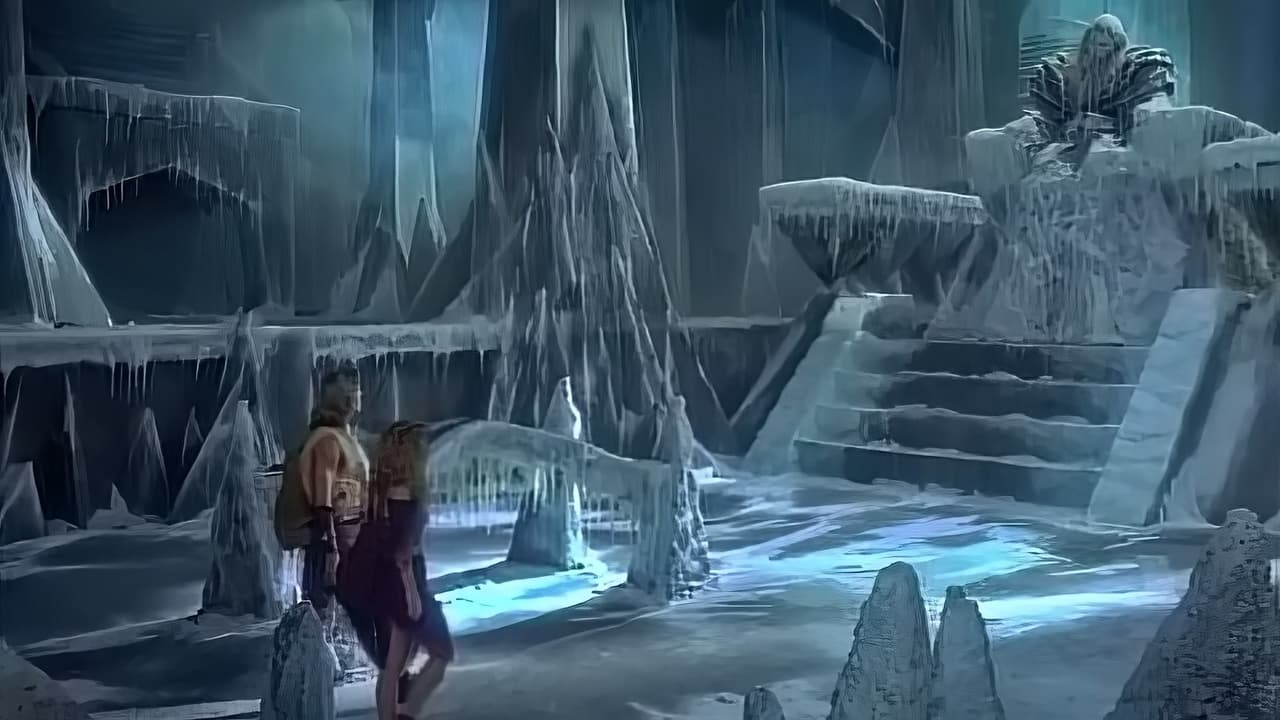
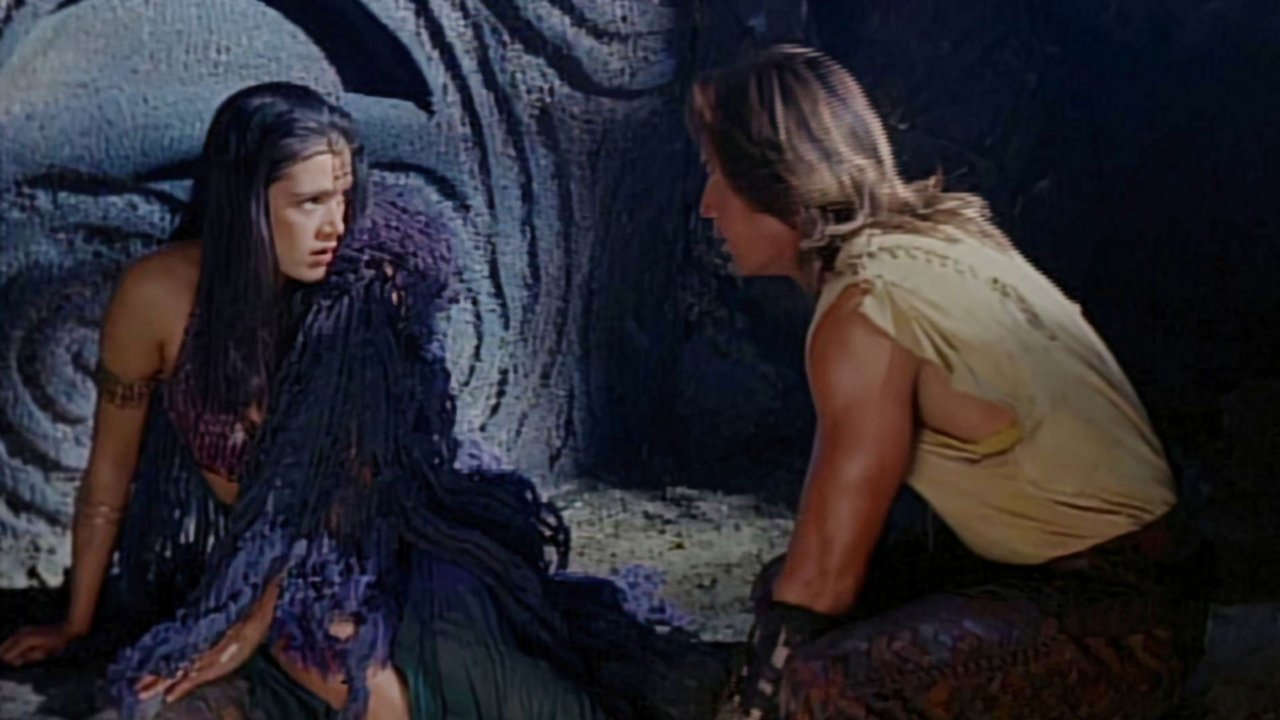
Filmed on location in the stunning landscapes of New Zealand, Circle of Fire established the visual template that would become synonymous with both Hercules and its wildly successful spin-off, Xena: Warrior Princess. Director Doug Lefler, who would later helm films like Dragonheart: A New Beginning (2000), keeps the action moving and makes the most of the scenery, giving the film a scope that often belied its television budget. Sure, some of the effects, likely a blend of practical work and nascent CGI, might look a bit quaint by today's standards – that swirling vortex effect, perhaps? – but back then, they felt part of an exciting new wave of fantasy storytelling accessible right in your living room. It was ambitious for its time and place.
Myth, Muscle, and Mid-90s Charm
The movie captures a specific brand of 90s fantasy: earnest, action-packed, slightly cheesy in places, but always delivered with a straight face and a good heart. It simplifies Greek mythology, sanding off the truly dark edges to create family-friendly adventures. Hera is the scheming villain, Zeus the benevolent (if occasionally distracted) father figure, and Hercules the unwavering hero. The dialogue sometimes dips into the overtly heroic or expositional, but Sorbo's likeability carries it through. There's a genuine sense of fun underpinning the quest, a feeling that the cast and crew were enjoying bringing these ancient myths to life with a modern, accessible twist. You wanted Hercules to succeed, not just because the fate of the world depended on it, but because he seemed like a genuinely good guy you could root for.
It’s fascinating to watch Circle of Fire now, knowing the massive success that followed. You can see the DNA of the series being formed: the blend of action, humor, and heart; the importance of companionship; the slightly anachronistic banter; and the core decency of its hero. It feels a little less polished than the later series episodes, perhaps a touch slower in places, but the essential ingredients are all there. For many of us catching it on TV back then, it felt fresh and exciting – a proper fantasy adventure arriving when such things weren't commonplace on the small screen.
***
VHS Heaven Rating: 7/10
Justification: While undeniably a TV movie with the expected budgetary constraints and occasional 90s cheese, Hercules and the Circle of Fire punches above its weight. Kevin Sorbo instantly establishes his charming take on the demigod, Anthony Quinn adds surprising class, and the New Zealand scenery provides epic scope. Most importantly, it successfully laid the groundwork for a beloved TV franchise. It’s energetic, entertaining, and possesses a nostalgic charm that overcomes its limitations. It delivered exactly the kind of heroic fantasy fun many of us craved back then.
Final Thought: More than just a standalone adventure, this was the moment a charismatic new Hercules picked up the torch (literally!) and began a legendary journey that would conquer syndicated television, proving myths still had plenty of muscle left in them for a whole new generation.