Okay, fellow tape travelers, let's rewind to a slightly different corner of the video store shelf today. We're stepping just outside the neon glow of the 80s and 90s into the year 2000, but trust me, this one has a timeless magic that feels perfectly at home in our VHS Heaven. Forget explosions and high-octane chases for a moment; picture instead intricately cut black paper figures moving with grace against stunning, richly coloured backdrops. That’s the unique enchantment of Michel Ocelot’s Princes and Princesses (original title: Princes et Princesses), an animated film that feels like discovering a hidden, handcrafted treasure.

### Shadows Dancing on the Screen
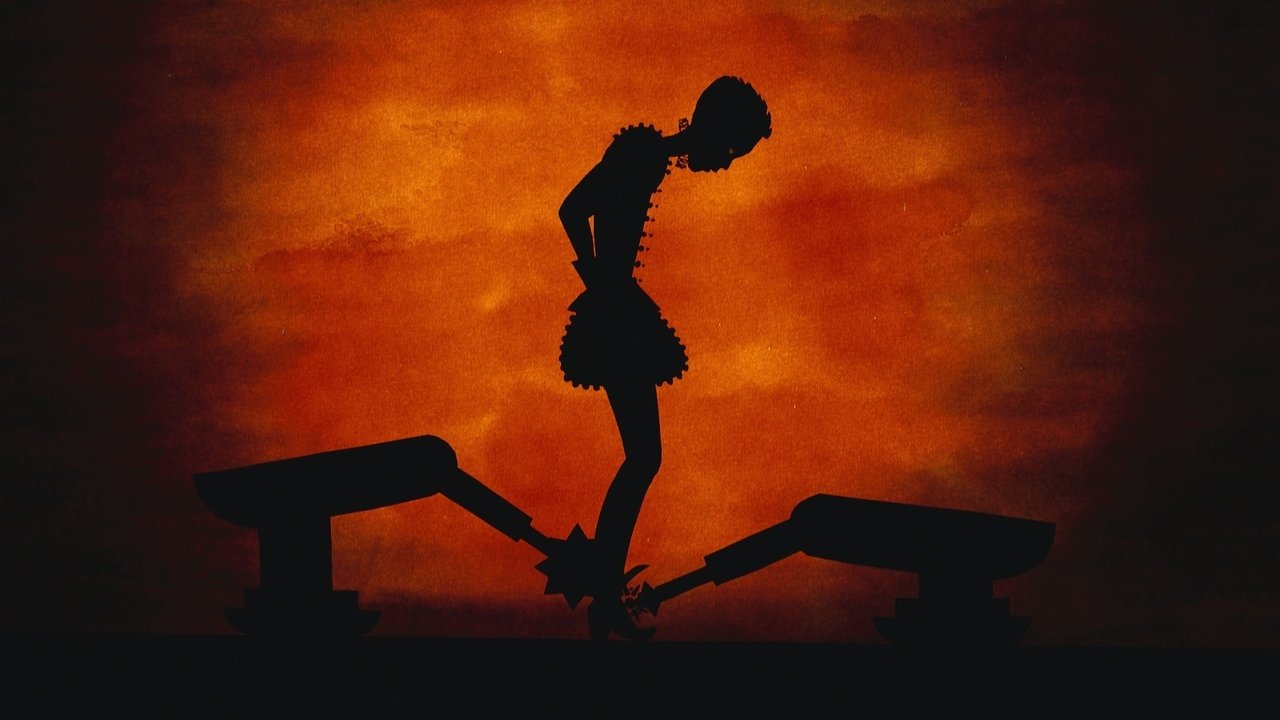
If you primarily remember animation from this era shifting towards glossy CGI, Princes and Princesses stands as a beautiful counterpoint. Michel Ocelot, who had already charmed audiences with Kirikou and the Sorceress (1998), employs a stunning silhouette animation technique here. It’s reminiscent of traditional shadow puppetry or the pioneering work of Lotte Reiniger from decades earlier, but with Ocelot's distinctive flair. Everything is rendered in profile – crisp black shapes against luminous, patterned backgrounds that glow like stained glass. The effect is utterly captivating, proving that sometimes, elegant simplicity can be more visually arresting than complex rendering. It forces your imagination to fill in the details, drawing you into its fairy-tale worlds in a way that feels both classic and fresh.
### Tales Woven in an Old Cinema
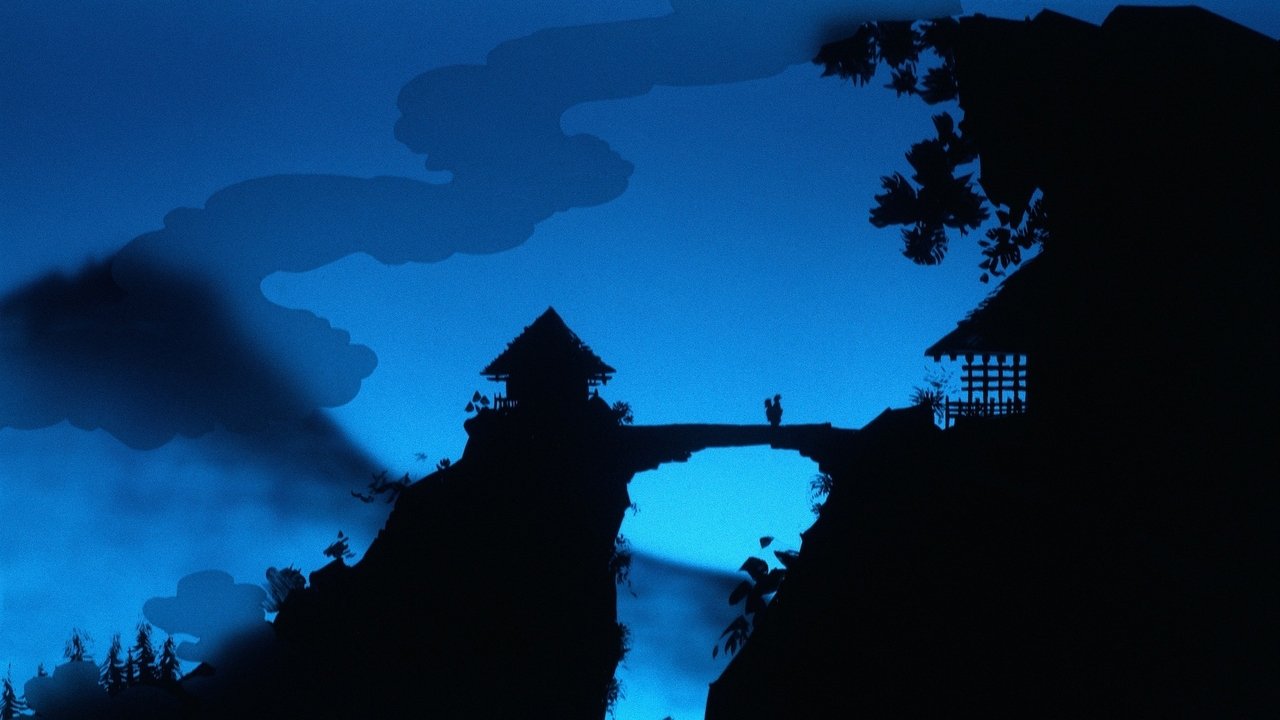
The film itself is an anthology, a collection of six short fables drawn from different cultures around the globe. What ties them together is a charming framing device: two curious characters, a boy and a girl (voiced with gentle enthusiasm by Arlette Mirapeu and Philippe Cheytion, guided by an older technician voiced by Yves Barsacq), meet in a deserted Art Deco cinema. Using a magical computer (a delightful nod to the changing times, even within this traditional framework), they brainstorm ideas, design costumes, and then literally step into the stories they create. We journey with them from medieval Europe to ancient Egypt, from Aztec Mexico to feudal Japan, experiencing tales of cursed princesses, clever sorcerers, and quests for love or riches. This structure itself feels wonderfully nostalgic – the idea of kids using pure imagination to bring stories to life within the hallowed space of an old picture house? That resonates deeply.
### A Hidden Gem with 80s Roots
Now, here’s a fun piece of trivia that firmly anchors Princes and Princesses to our preferred era: the film is actually composed of stories originally created for Michel Ocelot’s 1989 French television series, Ciné si! So, while the compilation film hit screens in 2000, its soul and many of its visuals were born right in the heart of the late 80s. Knowing this adds another layer of appreciation – it wasn't just a reaction against modern trends, but a continuation of Ocelot's long-standing artistic vision. It’s fascinating to see how these intricate, manually crafted animations were being made even as digital technology began its march. Each silhouette feels painstakingly cut and moved, a testament to the patience and artistry involved, especially compared to the burgeoning digital techniques of the late 90s and early 2000s.

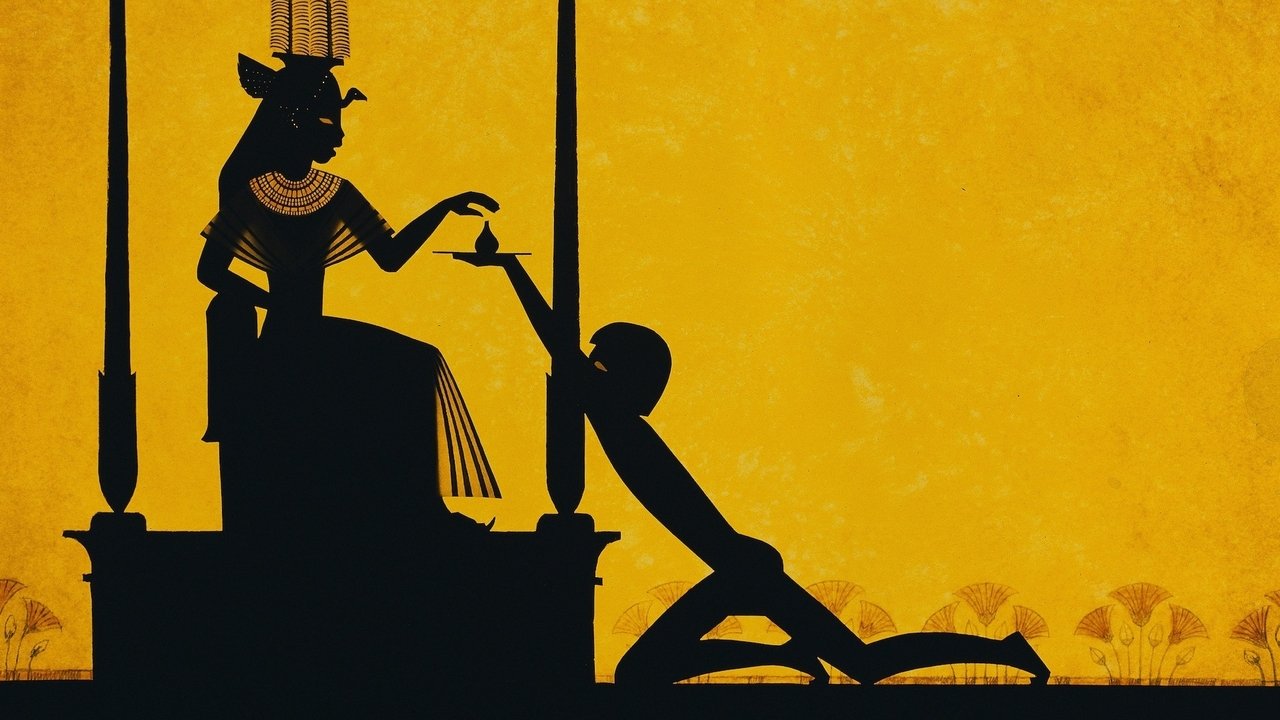
The stories themselves are simple, classic fairy tales, often with a gentle moral or a touch of wit. There's "The Princess of Diamonds," "The Boy Who Fig," "The Sorceress," "The Old Lady's Coat," "The Cruel Queen and the Fabulo Trainer," and "Prince and Princess." Each one uses the silhouette style to maximum effect – think Egyptian hieroglyphs come to life, or delicate Japanese screens animated before your eyes. The lack of facial detail on the silhouettes somehow makes them more universal, allowing the body language and the gorgeous backgrounds to carry the emotion.
### Why It Still Shines
Princes and Princesses might not have been the tape playing at every slumber party, but its artistic merit is undeniable. It's a film that celebrates storytelling itself, showcasing how universal themes can be presented through diverse cultural lenses and innovative (or rather, classically inspired) visual techniques. It’s a quieter kind of magic than, say, an epic space opera, but no less potent. Watching it feels like being let in on a beautiful secret, a reminder of the artistry possible outside the mainstream. It didn’t have a massive box office impact, especially internationally compared to Kirikou, but it garnered critical acclaim for its unique style and remains a beloved work among animation aficionados.
It’s the kind of film you might have stumbled upon on a specialty channel late at night or found tucked away in the "Foreign Films" or "Animation" section of a particularly well-stocked video rental store. And what a find it would have been! It’s a palate cleanser, a beautiful reminder of the diverse forms cinema can take.
VHS Heaven Rating: 8/10
This score reflects the film's sheer artistic beauty, its unique and masterfully executed animation style, and its charming celebration of global folklore and storytelling. While its anthology structure might make it feel slightly less cohesive than a single narrative, and its pacing is gentler than typical blockbuster fare, its visual ingenuity and the nostalgic warmth of its framing device make it a standout. It's a testament to handcrafted animation that feels both timeless and deeply rooted in classic techniques, offering a viewing experience unlike almost anything else from its time.
Princes and Princesses is a gentle whisper of cinematic magic, proving that sometimes the most captivating stories are told in silhouette. A true gem for anyone who appreciates artistry and imagination.