The Lion, the Witch and the Wardrobe
Step through the crackling static of memory, past the flickering glow of the CRT, and let's revisit a portal not just to Narnia, but to a specific kind of animated wonder. Long before blockbuster budgets brought C.S. Lewis's world to life with digital lions and sweeping vistas, there was the 1979 animated version of The Lion, the Witch and the Wardrobe. For many of us clutching worn-out VHS tapes or catching it during a special television event, this was our first, defining glimpse into that snow-covered land ruled by a cruel White Witch and awaiting the return of the great Aslan. Its hand-drawn aesthetic, so different from the slickness we often see today, felt less like a cartoon and more like a cherished storybook springing into motion.
### A Hand-Drawn Winter Eternal
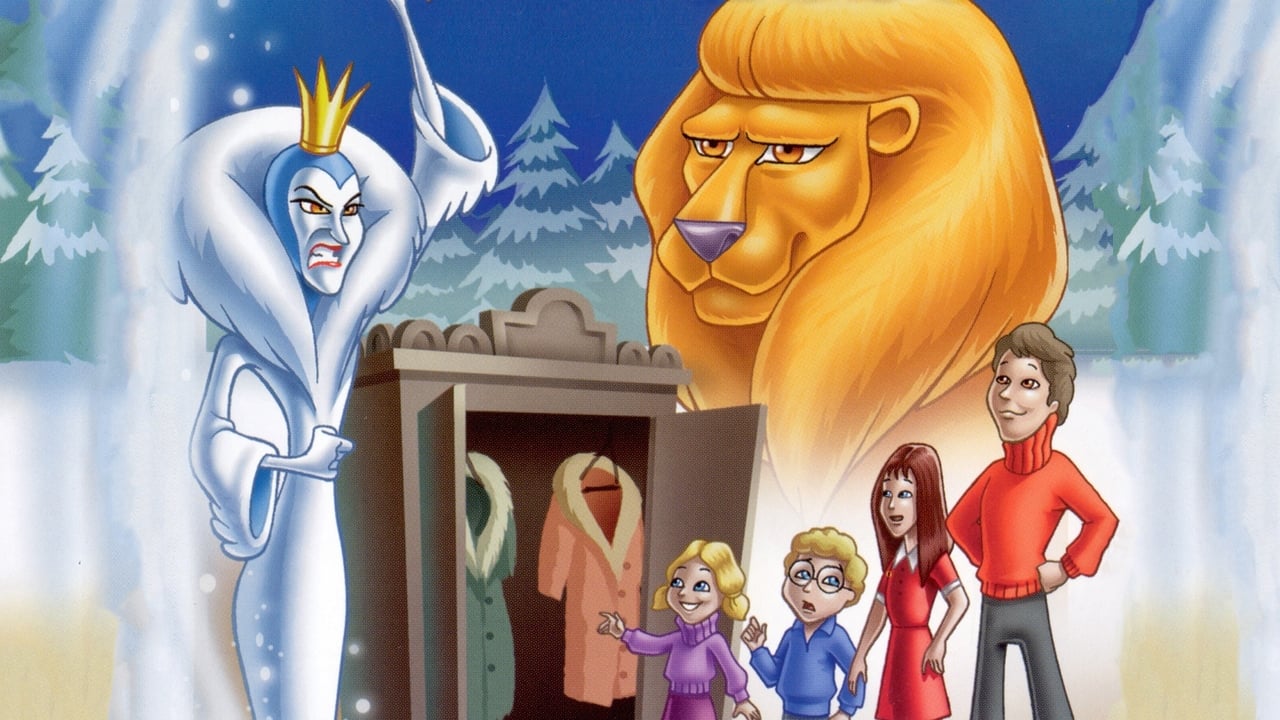
Directed by Bill Melendez, a name synonymous with the gentle charm of the Peanuts specials (yes, that Bill Melendez!), this adaptation carries a unique visual signature. It doesn't aim for the hyper-realism or fluid motion of Disney's golden age output; instead, it opts for a style that feels intentionally illustrative, almost like coloured pencil drawings brought to life. There's a certain flatness to the perspective at times, and the character movements can occasionally feel a bit limited, yet it works beautifully to capture the storybook quality of Lewis's original novel. The backgrounds, particularly the perpetual winter landscapes under the White Witch's spell, possess a stark, evocative beauty that perfectly sets the mood. Watching it again, I was struck by how effectively this simpler style conveys both the coziness of Mr. Tumnus's cave and the chilling menace of Jadis's ice palace.
The story, adapted faithfully by David D. Connell from Lewis's beloved text, follows the four Pevensie siblings – Lucy, Edmund, Susan, and Peter – who stumble through an old wardrobe into the magical land of Narnia. They discover a world populated by talking animals and mythical creatures, groaning under the century-long winter imposed by the tyrannical White Witch, Jadis. Prophecy foretells that four human children ("Sons of Adam and Daughters of Eve") will help break her reign, aided by the return of the noble lion Aslan. It’s a classic tale of good versus evil, betrayal and redemption, sacrifice and hope, and this animated version hits all the key emotional beats with surprising sincerity.
### Voices of Narnia
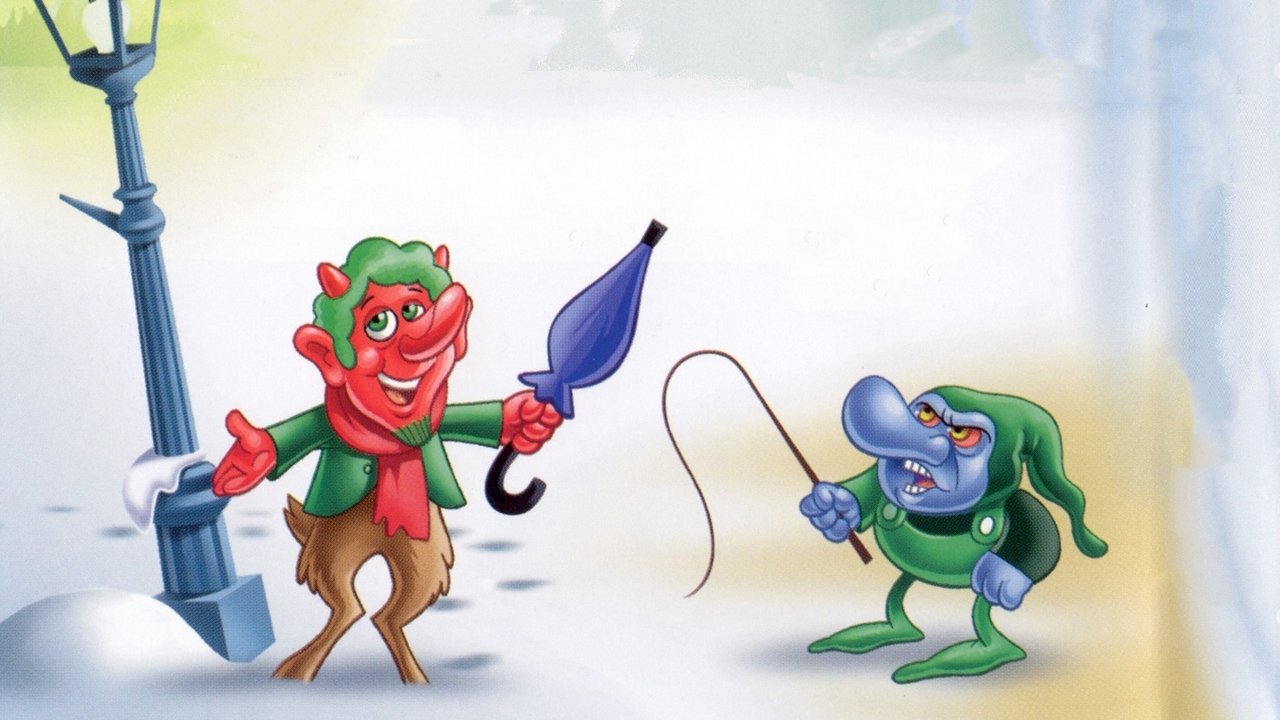
A significant part of the film's enduring charm lies in its excellent voice cast, featuring some truly beloved British actors. The deliciously wicked White Witch is voiced with icy command by the great Sheila Hancock. You can almost feel the temperature drop when she speaks. Providing the comforting, slightly bumbling warmth of Mr. Beaver is Arthur Lowe, forever etched in British memory as Captain Mainwaring from Dad's Army. His performance here is just perfect, capturing the character's blend of caution and courage. And listen closely for the wise, twinkly tones of Professor Kirke, provided by Leo McKern, instantly recognizable to fans of Rumpole of the Bailey. While Aslan's voice (Stephen Thorne) is suitably majestic, it’s these character actors who ground the fantasy in relatable personality. Even the children's voices feel authentically pitched, capturing their initial wonder, fear, and growing bravery.
### Retro Fun Facts & Enduring Magic
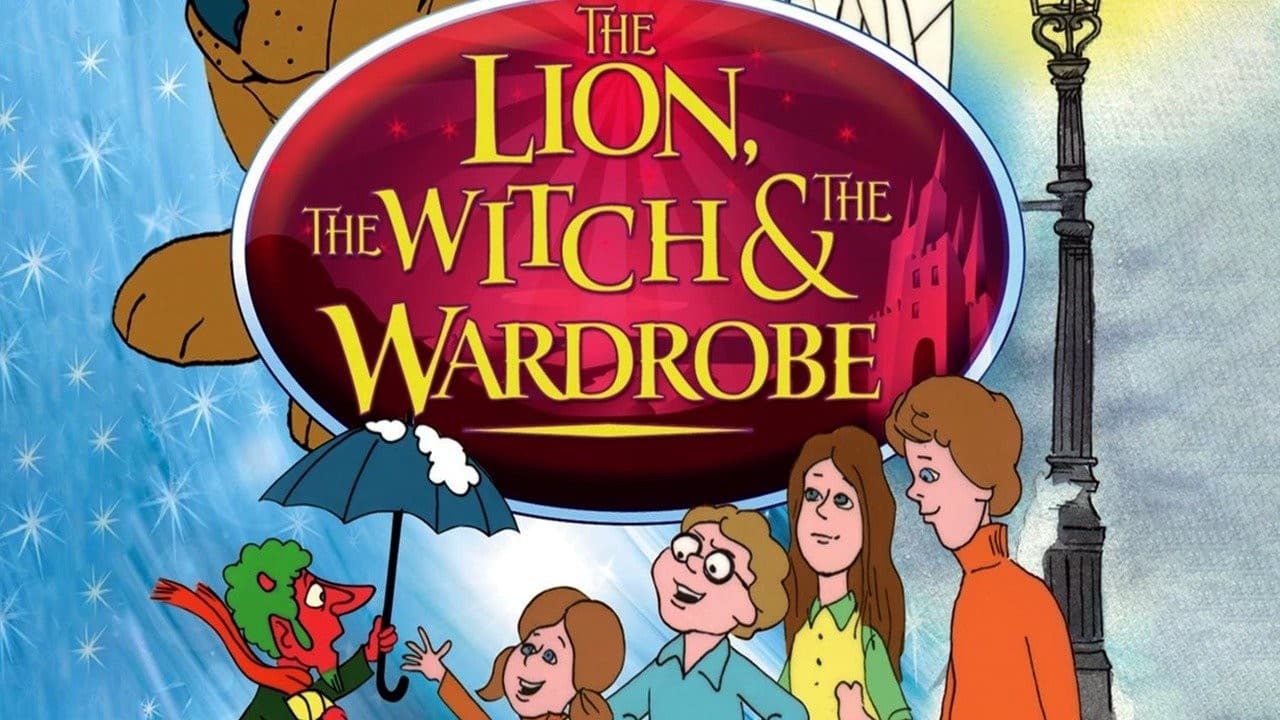
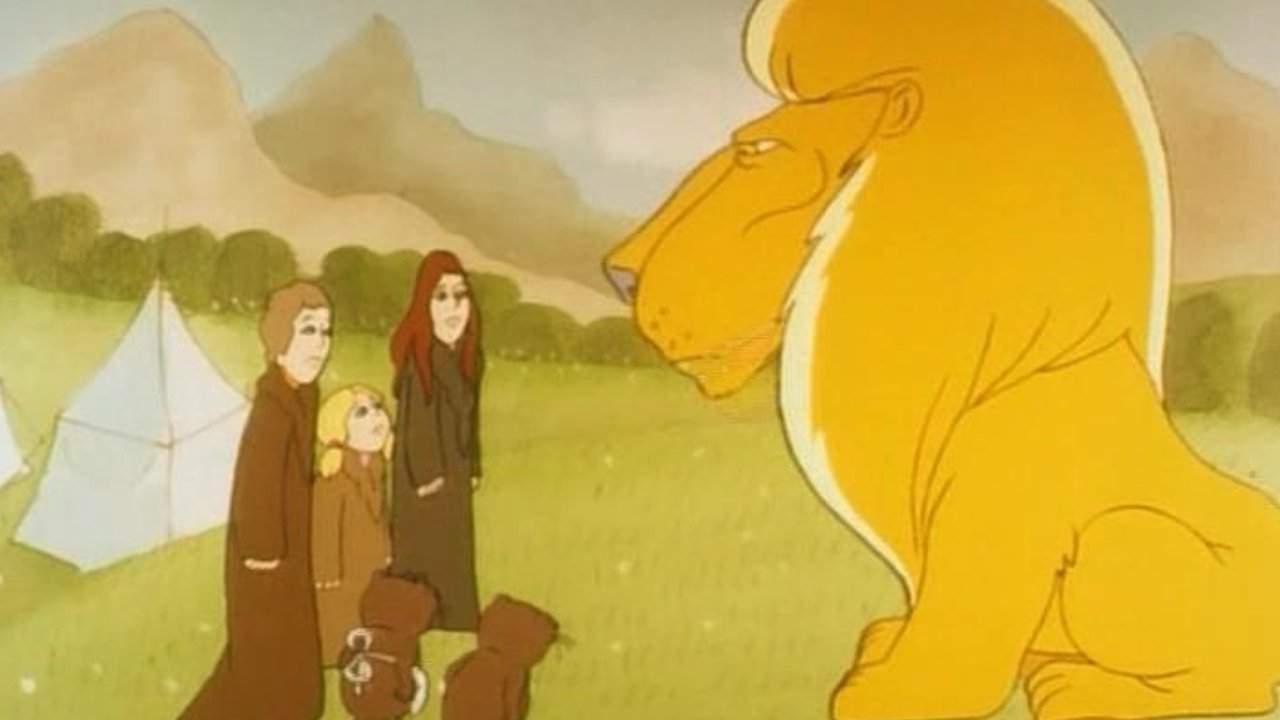
This production wasn't initially a theatrical release in the US; it premiered on CBS television, sponsored by Kraft Foods (remember those commercial breaks cutting into the magic?). It even picked up an Emmy Award for Outstanding Animated Program, a testament to its quality and impact at the time. Bill Melendez Productions, despite its strong association with Charlie Brown and Snoopy, proved adept at handling the more dramatic and sometimes frightening aspects of Lewis's story. The sequence at the Stone Table, depicting Aslan's sacrifice, remains surprisingly powerful and emotionally resonant, even rendered in this simpler animation style. It doesn't shy away from the gravity of the moment.
Interestingly, this was actually the second half of a two-part project; Melendez's studio had intended to animate The Magician's Nephew first, but financing favoured the more popular Lion, Witch and the Wardrobe. While it might lack the visual pyrotechnics of later adaptations, there's an earnestness here that's deeply appealing. It focuses squarely on the characters and the core allegorical themes of Lewis's work. For anyone who grew up with this version, the specific designs of the characters – the slightly blocky beavers, the imposing figure of Aslan, the genuinely chilling Witch – are likely burned into their nostalgic memory banks. I recall renting this from the local video store, the chunky tape clicking into the VCR, promising an escape into a world both familiar from the books and thrillingly visualized on screen.
### A Gateway to Fantasy
Does the animation look dated by today's standards? Undeniably. Are there moments where the pacing feels a little deliberate compared to modern family films? Perhaps. But The Lion, the Witch and the Wardrobe (1979) possesses a magic that transcends its technical limitations. It’s a faithful, heartfelt adaptation that treated its source material with respect and brought Narnia to life for countless young viewers. It served as a gateway fantasy for a generation, proving that animation could tackle epic stories with emotional depth. It successfully captured the wonder, the fear, and the ultimate triumph of good in Lewis’s narrative, wrapping it all in a visual style that feels like stepping inside the pages of the book itself. Its sincerity and atmospheric charm remain potent, even decades later.
Rating: 7.5/10
This score reflects its status as a truly charming and significant piece of nostalgic animation. While the technical aspects are clearly of their time, the heartfelt storytelling, excellent voice work, and evocative atmosphere make it a truly special adaptation. It successfully captured the magic of Narnia for a generation and remains a delightful watch, especially for those who remember it as their first visit through the wardrobe.
It may not have the roar of a modern blockbuster, but this gentle lion still holds a powerful magic, a warm glow in the snowy landscape of our VHS memories.