## The Mists, the Mud, and the Majesty: Reflecting on Excalibur (1981)
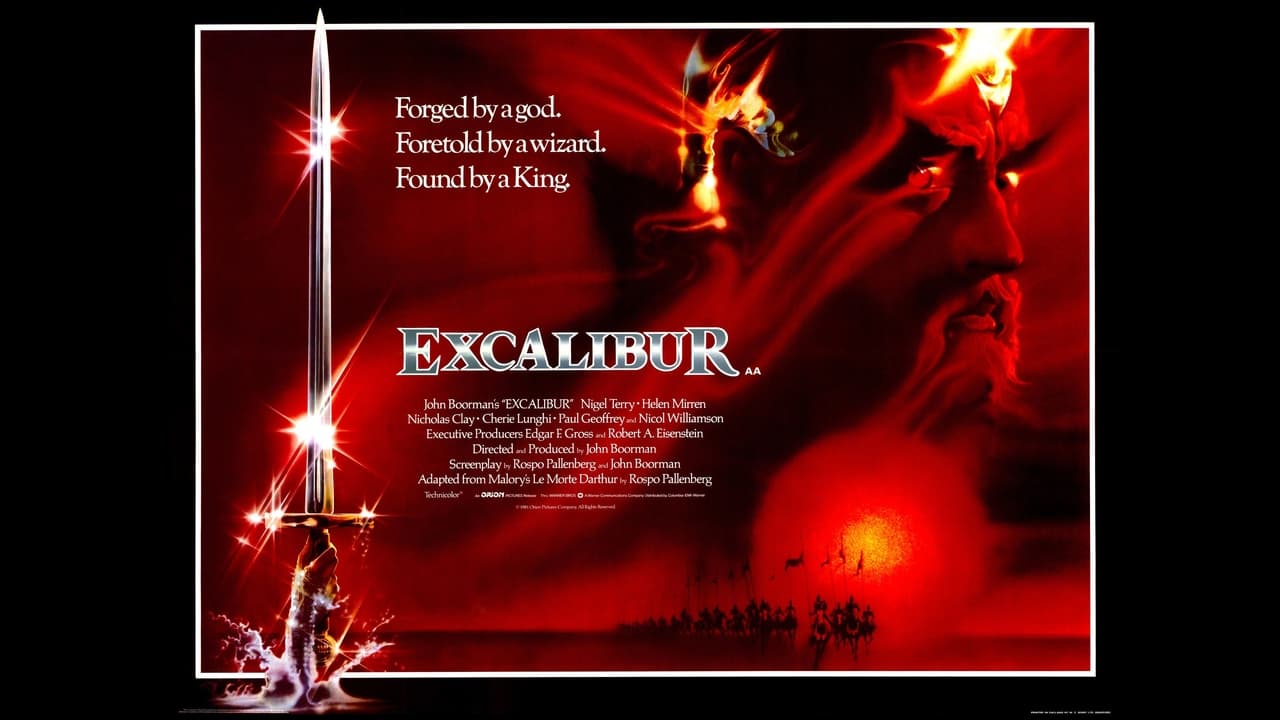
There’s a raw, almost primal energy that pulses beneath the surface of John Boorman's Excalibur, a film that feels less like a brightly polished Hollywood epic and more like a half-remembered dream dredged from the muddy depths of ancient Britain. Watching it again now, decades after first encountering its dark magic on a worn VHS tape, what strikes hardest isn't just the gleam of the legendary sword, but the grime under the fingernails, the palpable weight of the armour, and the sense that gods and monsters truly walked among men, shrouded in mist and driven by uncontrollable passions. This isn't the sanitized Camelot of musicals or Saturday morning cartoons; this is Arthurian legend forged in blood, earth, and shimmering, dangerous sorcery.
A World Both Brutal and Beautiful
Boorman, who had previously given us the unsettling survival nightmare of Deliverance (1972) and the bizarre sci-fi oddity Zardoz (1974), approached Thomas Malory's Le Morte d'Arthur not as a fairy tale, but as a foundational myth demanding a visceral, almost operatic treatment. The film condenses vast swathes of lore into a potent, sometimes dizzying narrative, charting Arthur's rise from naive squire to burdened king, the formation and fracturing of the Round Table, the tragic romance of Lancelot and Guenevere, and the quest for the Holy Grail.
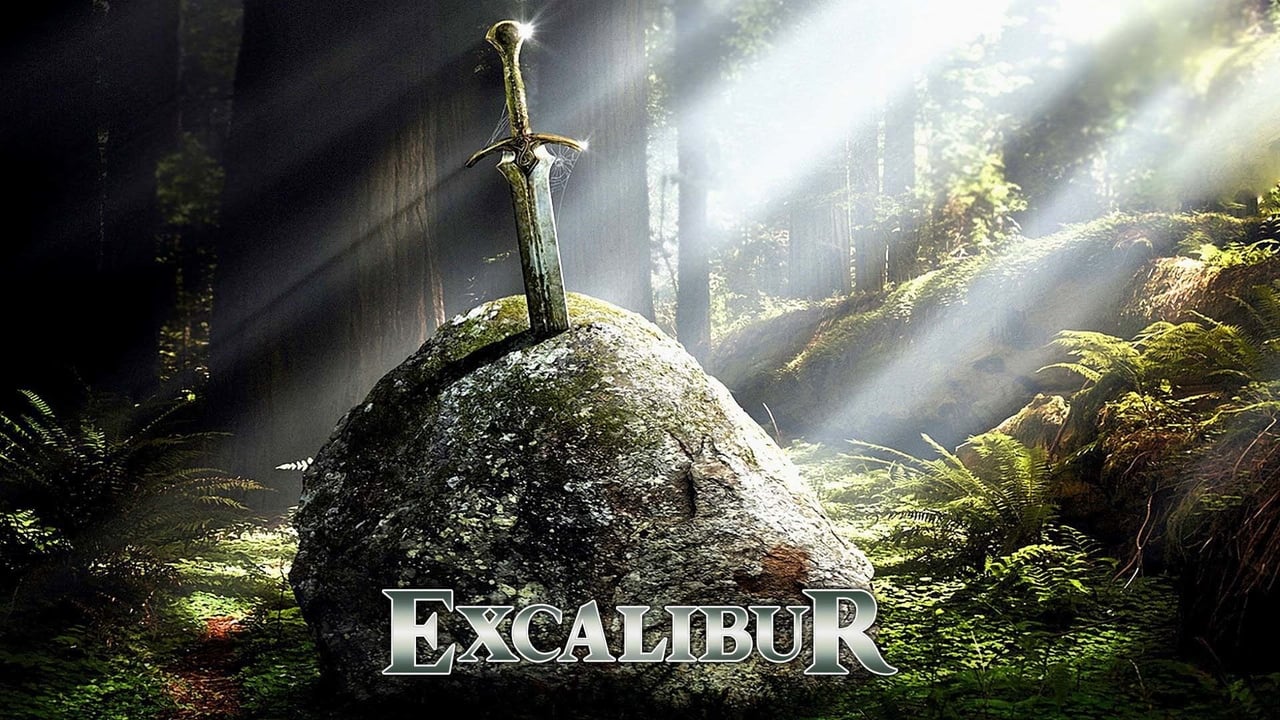
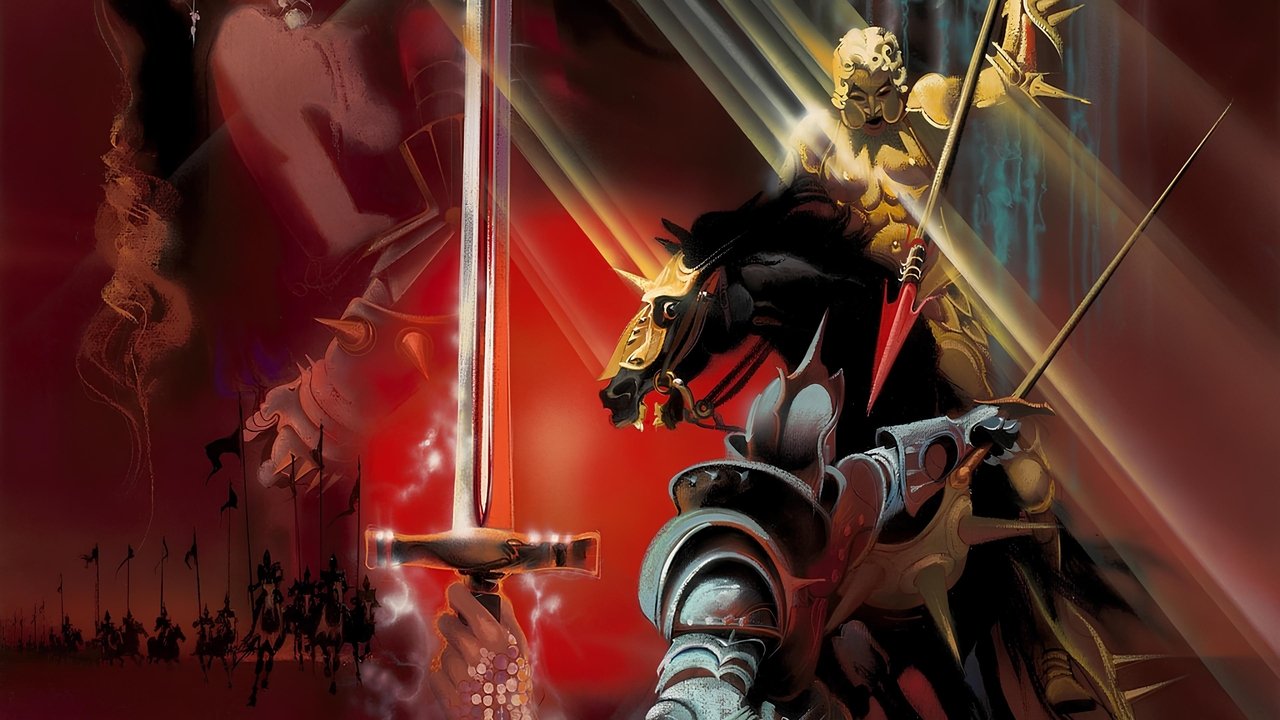
What truly sets Excalibur apart, especially within the landscape of 80s fantasy movies, is its unwavering commitment to its specific atmosphere. The cinematography by Alex Thomson paints Ireland's landscapes (standing in for mythic Britain) in bruised blues, deep greens, and fiery oranges. Battles aren't just clashes of steel; they are desperate, muddy struggles where armour feels genuinely cumbersome and death is sudden and brutal. Yet, amidst the violence, there are moments of breathtaking beauty – the Lady of the Lake offering the sword, the ethereal glow of the Grail, knights riding through blossoming orchards, underscored often by the unforgettable, thundering power of Carl Orff's "O Fortuna" from Carmina Burana, a piece of music now inextricably linked with the film's epic scope. Boorman doesn't shy away from the ugliness of ambition and betrayal, but he contrasts it sharply with moments of pure, mythic grace.
Faces Forged in Legend
The performances are key to grounding the epic sweep. Nigel Terry portrays Arthur's journey with a compelling sincerity, evolving from wide-eyed youth to a king weighed down by destiny and loss. His vulnerability makes the inevitable betrayals sting all the harder. Opposite him, Nicholas Clay cuts a dashing figure as Lancelot, embodying the ideal knight whose inner conflict ultimately tears Camelot apart. And Cherie Lunghi as Guenevere captures both the radiance and the sorrow of her character's impossible position.
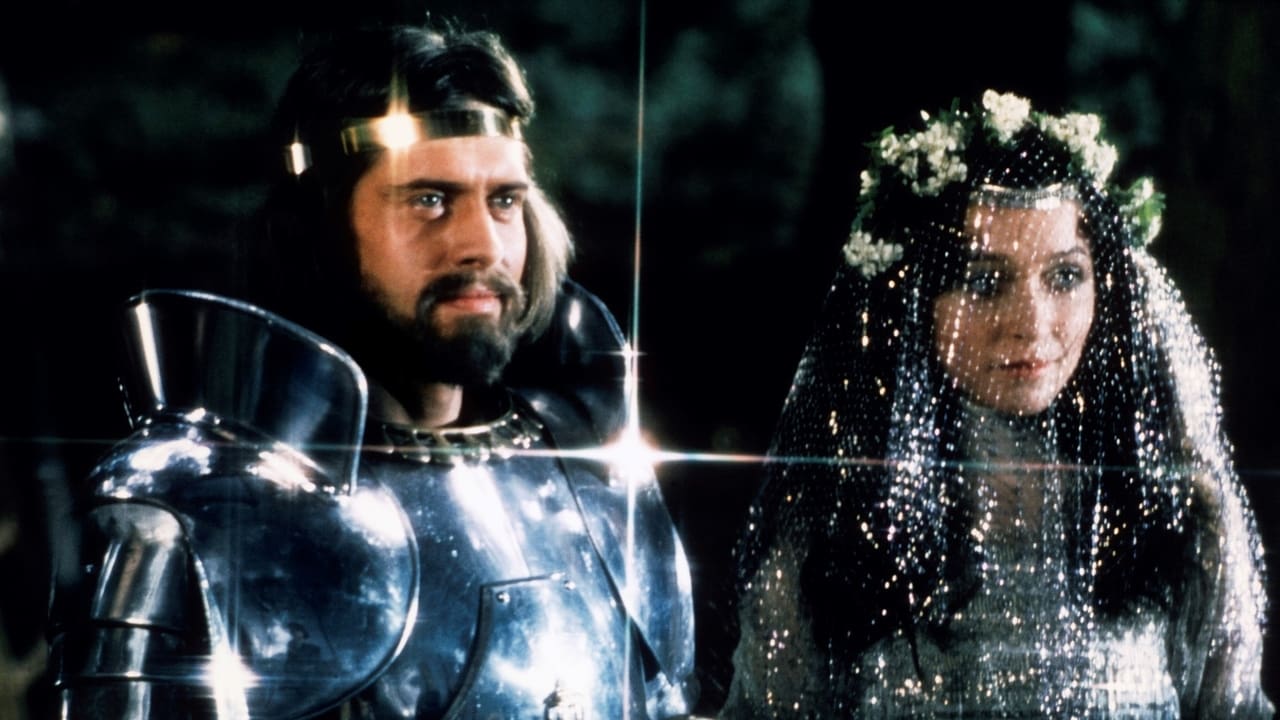
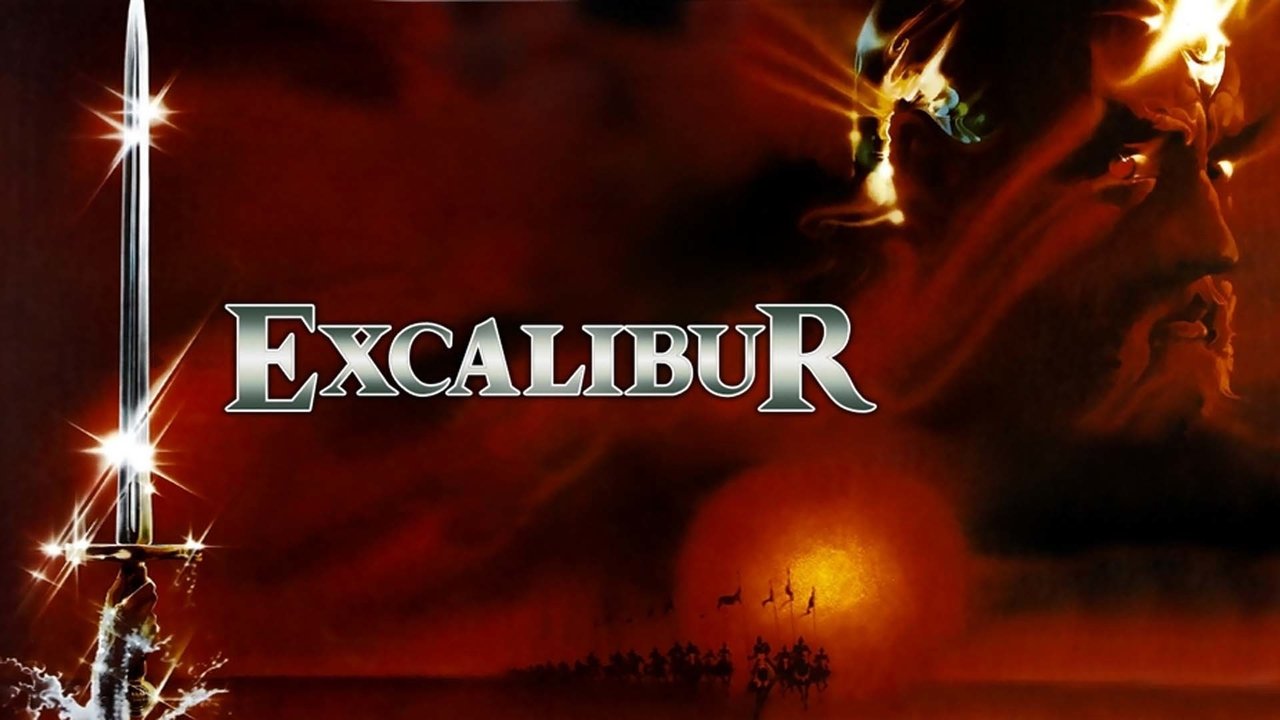
But let's be honest, two figures tend to dominate any discussion of Excalibur. Helen Mirren, years before her regal roles defined her later career, is utterly captivating as Morgana le Fay. She's mesmerizingly manipulative, her gradual transformation from apprentice sorceress to shimmering, malevolent power a chilling highlight. Her scenes crackle with a dangerous intelligence.
And then there's Nicol Williamson as Merlin. Forget wise, white-bearded counselors; Williamson's Merlin is eccentric, alien, often comical, yet undeniably powerful. His line readings are wonderfully peculiar ("The dragon's breath!"), his movements abrupt, his relationship with Arthur tinged with both affection and a weary understanding of fate's cruel machinations. It’s a performance that feels genuinely otherworldly, less a wizard and more a force of nature slightly out of sync with human concerns. Seeing future titans like Liam Neeson (as Gawain) and Patrick Stewart (as Leondegrance) in early, armoured roles adds another layer of retrospective enjoyment for film fans.
Forging Authenticity: Behind the Emerald Isle
Boorman’s dedication to a certain kind of gritty realism extended to the production itself. The film was shot almost entirely on location in Ireland, often under challenging conditions. That heavy, ornate plate armour, designed by Bob Ringwood (who would later design the Batsuit for Tim Burton's Batman), wasn't lightweight movie magic; reports suggest it was genuinely cumbersome for the actors, adding an unconscious layer of physical strain to their performances, especially during the chaotic battle sequences. Boorman had dreamt of making an Arthurian epic for years, and this $11 million production (which grossed a respectable $35 million) was the culmination of that passion, bringing a unique, adult sensibility to a genre often aimed at younger audiences. It’s easy to imagine the heft of that double-cassette VHS release feeling appropriate for the sheer density of myth and atmosphere packed within.
The film's visual power owes much to practical effects and Boorman's bold choices. The shimmering, almost liquid quality of Excalibur itself, the unsettling transformations of Morgana, the dreamlike visions of the Grail quest – these were achieved through clever lighting, in-camera tricks, and optical printing, creating a look that feels tangible and distinct from the CGI saturation to come. Does some of it look dated now? Perhaps. But there's an artistry and a tactile quality that still resonates.
A Flawed Jewel, Still Gleaming
Is Excalibur perfect? No. The narrative compression can sometimes feel abrupt, certain character motivations occasionally murky, and the sheer intensity might be overwhelming for some. Its pacing, deeply rooted in its era, might test modern attention spans. Yet, its flaws feel almost part of its untamed charm. It doesn’t strive for neatness; it aims for mythic resonance, and largely achieves it.
The film raises enduring questions about leadership, destiny, the conflict between old ways and new faiths, and the destructive power of human desire. What happens when our greatest strengths – loyalty, love, ambition – become our undoing? How do we reconcile the sacred and the profane within ourselves and our societies? These themes give Excalibur a weight that allows it to transcend its fantasy trappings.
Rating: 9/10
This score reflects Excalibur's sheer audacity, its unique and influential visual style, its unforgettable performances (especially Williamson and Mirren), and its enduring power as a dark, complex, and deeply atmospheric take on Arthurian legend. It successfully blends brutal realism with mythic grandeur in a way few fantasy films dared to before or since. The slightly rushed pacing and occasional narrative leaps keep it just shy of perfection, but its impact and artistry are undeniable.
Excalibur remains a singular experience, a film that truly feels ancient and magical. It’s a potent reminder from the VHS era that fantasy could be challenging, messy, and profoundly resonant, leaving images and emotions that linger long after the mists have cleared.