Some films don't just tell a story; they grab you by the throat and refuse to let go, leaving an indelible mark long after the tape spools to its end and the TV screen crackles into static. Midnight Express is undeniably one of those films. Though released in 1978, its brutal power echoed fiercely through the 80s, becoming a staple of gritty home video viewing – the kind of tape passed between friends with hushed warnings about its intensity. Watching it again now, decades later, that raw, visceral impact hasn't faded one bit. It remains a harrowing descent into a very specific kind of hell.

### The Holiday That Never Ended
The premise, based on Billy Hayes' autobiographical book, is chillingly simple: young American tourist Billy Hayes (Brad Davis) tries to smuggle hashish out of Istanbul and gets caught. What begins as a potentially short sentence spirals into a seemingly endless nightmare within the unforgiving walls of a Turkish prison. Director Alan Parker, known later for works like Mississippi Burning and The Commitments, pulls absolutely no punches here. From the moment Hayes is apprehended, Parker establishes an atmosphere thick with paranoia, corruption, and a crushing sense of inevitability. There's a grimy, sweaty realism to the visuals, a stark contrast to the sun-drenched optimism Billy initially embodies.
### A Symphony of Despair

The screenplay, penned by a then-up-and-coming Oliver Stone (who won his first Oscar for it, years before Platoon or JFK), is a masterclass in building tension and portraying psychological erosion. While it notoriously took significant liberties with Hayes' actual experiences – amplifying the brutality and altering key events for dramatic effect, particularly concerning the depiction of the Turkish guards and the film's climax – its power as pure, visceral cinema is undeniable. It taps into universal fears: loss of freedom, systemic injustice, the terror of being trapped and abandoned in a hostile foreign land. These themes resonated deeply, making Midnight Express a cautionary tale whispered among travelers for years.
Adding immeasurably to the film's suffocating mood is the groundbreaking electronic score by Giorgio Moroder. That pulsating, synthesized main theme became instantly iconic (and bagged Moroder an Oscar too), perfectly encapsulating the blend of dread and frantic energy that permeates Billy's ordeal. It's a sound that immediately transports you back, feeling both dated and timelessly effective.
### A Star Burning Bright, Too Briefly
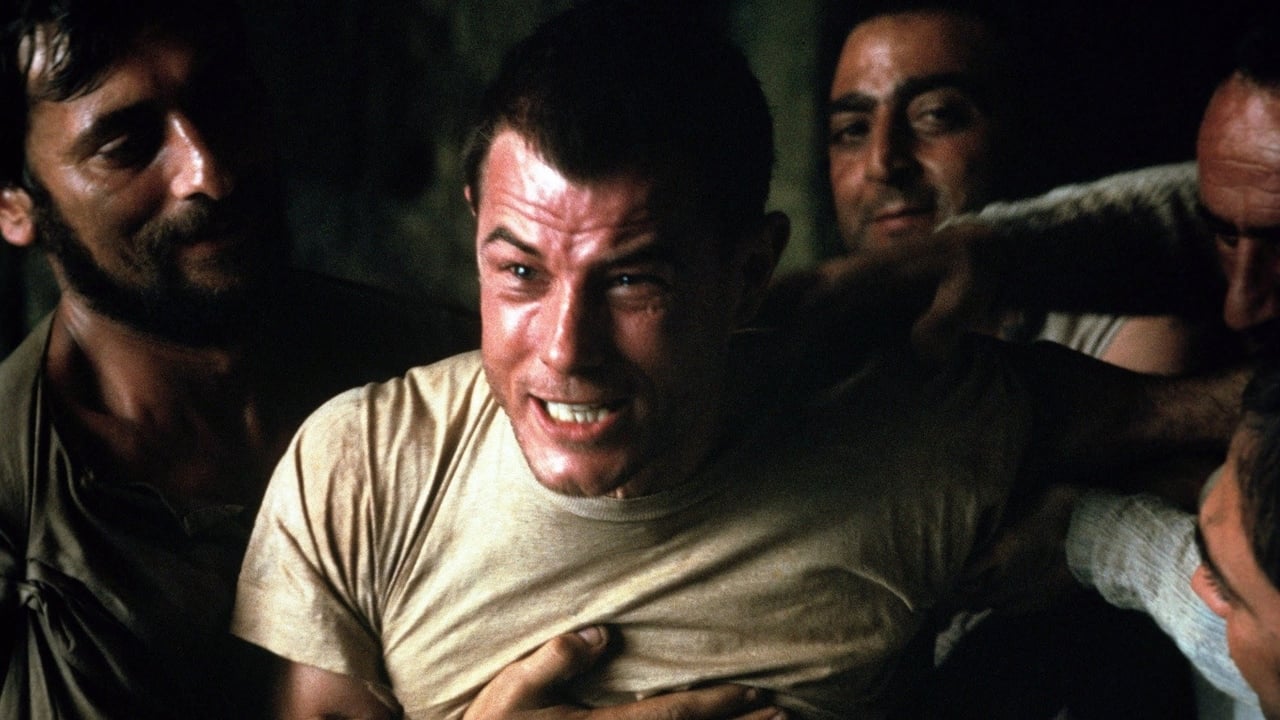
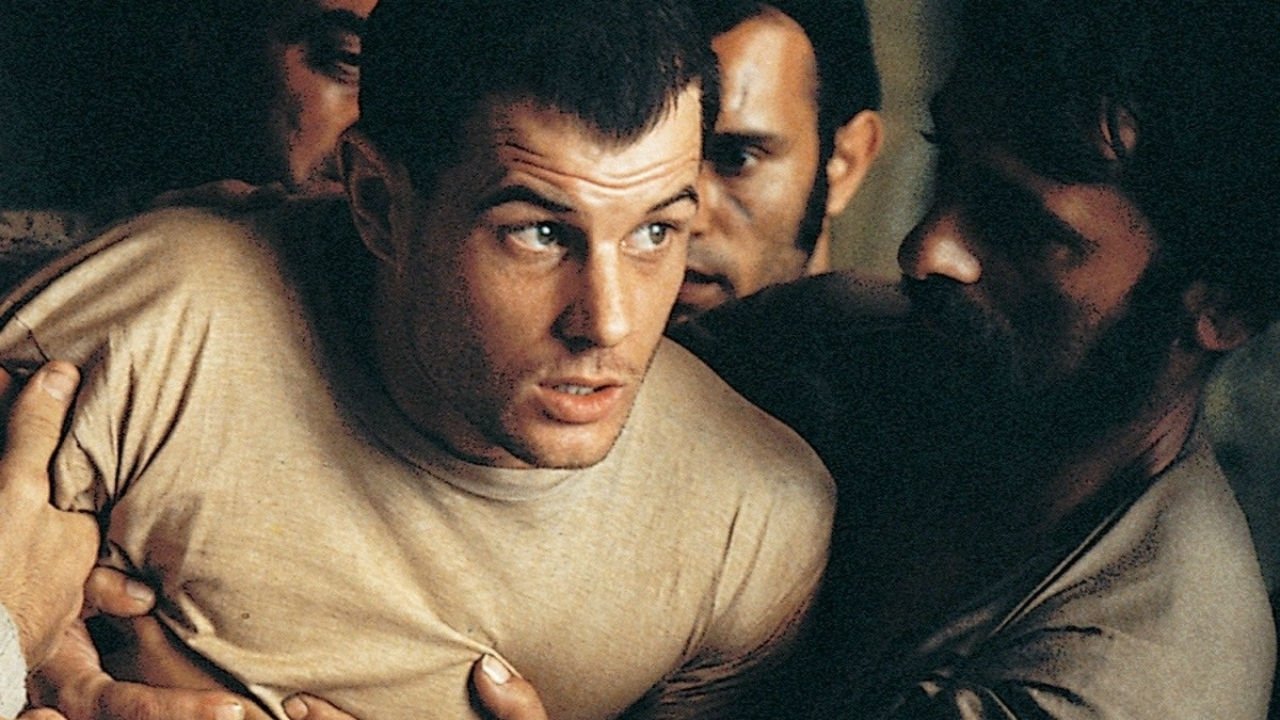
At the heart of the inferno is Brad Davis. His performance as Billy Hayes is nothing short of electrifying, a raw nerve exposed on screen. We witness his transformation from a naive, somewhat arrogant young man into a hardened, desperate survivor, clinging to sanity by a thread. Davis throws himself into the role with terrifying commitment; the physical deterioration is palpable, but it's the slow extinguishing of hope in his eyes that truly haunts. It’s a performance that should have cemented a long and lauded career, making his tragically early death in 1991 feel like an even greater loss to cinema.
He's surrounded by a stellar supporting cast. John Hurt, as the philosophical, drug-addled inmate Max, brings a world-weary pathos that provides a different shade of despair. Randy Quaid offers a volatile energy as fellow American prisoner Jimmy, desperate for escape at any cost. And Irene Miracle as Billy’s devoted girlfriend Susan provides the film's few moments of fragile tenderness during the gut-wrenching visiting room scenes – moments that only serve to highlight the surrounding brutality. Even Bo Hopkins makes an impression in his brief role as the U.S. official 'Tex'.
### Echoes in the Dark
Midnight Express isn't an easy watch. It's bleak, often savage, and its controversial portrayal of Turkish people remains a significant point of contention – something Billy Hayes himself later expressed regret over. The film paints with broad, often stereotypical strokes in its depiction of the antagonists, sacrificing nuance for visceral impact. It's crucial, watching it today, to acknowledge these problematic aspects and the deviations from the source material.
Yet, as a piece of filmmaking, its power is undeniable. Parker’s direction is taut and unflinching, forcing the viewer to confront the horrors alongside Billy. Certain sequences – the terrifying 'welcome' from the prison chief Hamidou, the desperate escape attempts, the descent into the ward for the criminally insane – are seared into cinematic memory. They provoke difficult questions about survival, the limits of human endurance, and the nature of justice, both institutional and personal. Doesn't the sheer desperation Billy faces force us to consider what lines we might cross in similar circumstances?
### Final Reflection
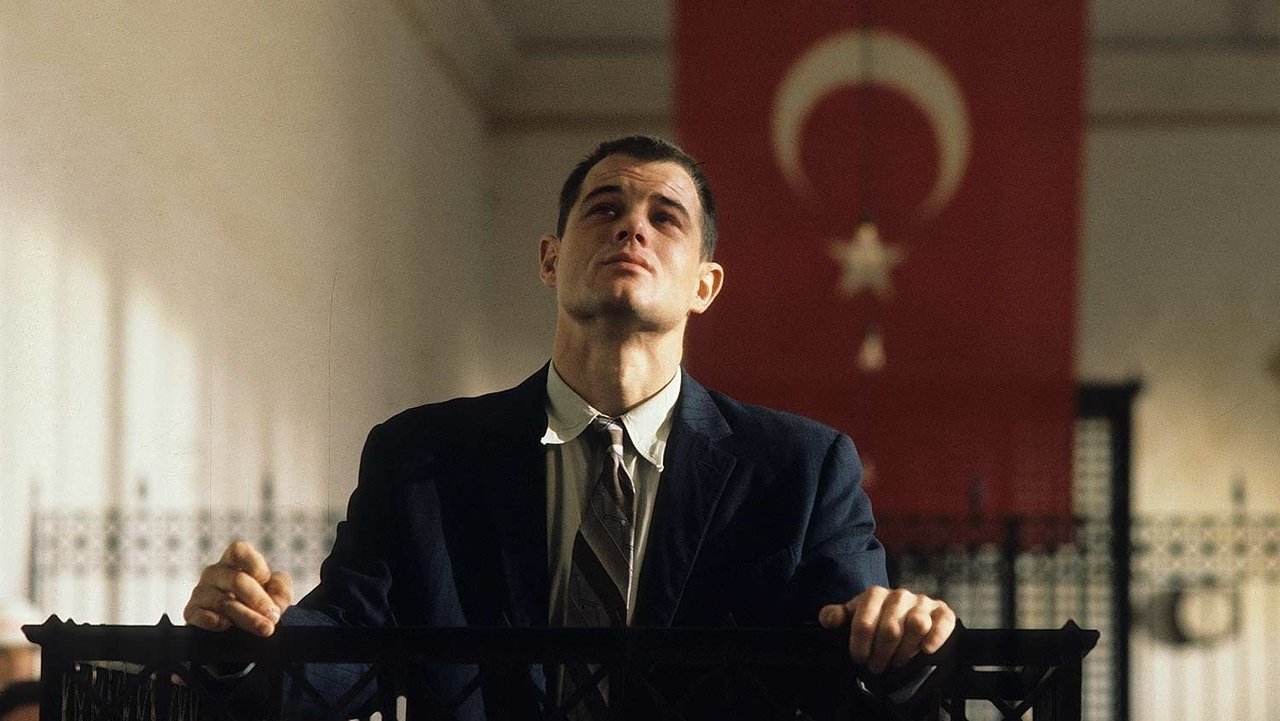
Rewatching Midnight Express on a modern screen lacks the specific tactile nostalgia of sliding that worn VHS cassette into the VCR, hearing the familiar clunk and whir. But the film's grip remains just as tight. It’s a brutal, sometimes problematic, but undeniably potent piece of cinema driven by a career-defining performance and masterful direction. It sparked debate, won awards, and served as a chilling cautionary tale that resonated deeply throughout the 80s and beyond.
Rating: 8/10 - This score reflects the film's undeniable technical prowess, Alan Parker's relentless direction, Giorgio Moroder's iconic score, and Brad Davis's devastating central performance. Its narrative power and cultural impact are significant. The deduction accounts for the controversial historical inaccuracies and stereotypical depictions that have rightly drawn criticism over the years, aspects that cannot be ignored even when assessing its cinematic force.
It remains a film that leaves you shaken, pondering the thin line between civilization and savagery, and the terrifying depths of human despair. What lingers most, perhaps, is the stark reminder of how quickly freedom can vanish, and the harrowing cost of trying to reclaim it.