The lock clicks. The chain rattles. That flimsy barrier between the quiet hum of domesticity and the chaos lurking just outside. In Michael Cimino's 1990 thriller Desperate Hours, that barrier isn't just breached; it’s obliterated with chilling finality, leaving a well-heeled family trapped in a nightmare woven from simmering resentment and sudden violence. Forget jump scares; this is about the slow, agonizing tightening of a knot in your stomach, the kind of dread that lingers like stale cigarette smoke in a sealed room.
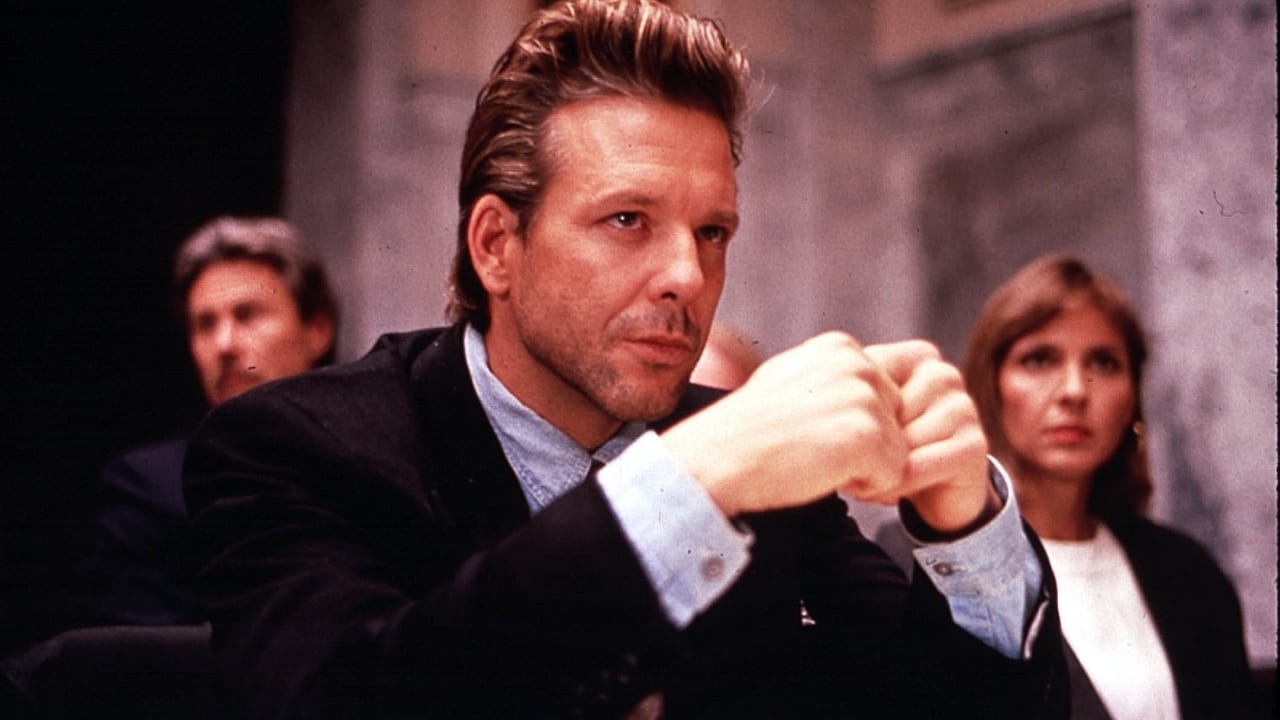
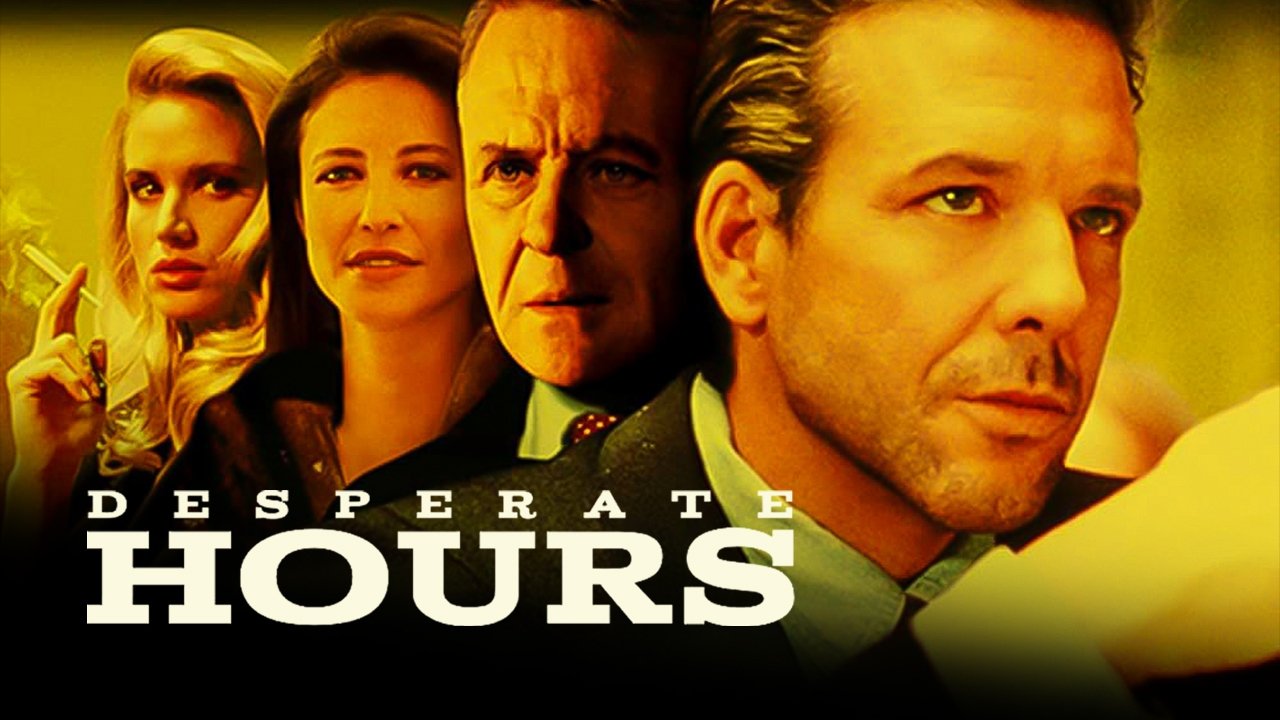
Based on the novel and play that also spawned the 1955 Humphrey Bogart classic, this slicker, late-century update swaps suburban Indiana for the isolated, almost alienating beauty of Utah's landscapes. The Cornell family – Tim (Anthony Hopkins), Nora (Mimi Rogers), and their kids – inhabit a striking modernist house, all clean lines and glass walls, a symbol of achieved security that soon becomes their gilded cage. Their unwanted guest is Michael Bosworth (Mickey Rourke), an escaped convict whose intelligence is matched only by his capacity for calculated cruelty. He’s not just a thug; he’s a twisted manipulator, arriving with his brother Wally (Elias Koteas) and accomplice Albert (David Morse), turning the family's sanctuary into a pressure cooker.
A Director's Gamble
This film arrived at a curious point for its director. Michael Cimino, forever associated with the monumental triumph of The Deer Hunter and the infamous financial cataclysm of Heaven's Gate, was attempting something more contained, perhaps even commercial. After the stylish but controversial Year of the Dragon and the thoughtful The Sicilian, Desperate Hours felt like a bid for mainstream thriller territory. Yet, Cimino’s distinct visual intensity is undeniable. He shoots the modernist house with an eye for both its beauty and its vulnerability, the vast windows offering no escape, only exposure. The Utah locations, stark and imposing, contribute to a palpable sense of isolation, making the family’s plight feel even more inescapable. It's a glossier prison than in the original film, a choice that polarized critics but gives this version its own distinct, cold aesthetic.
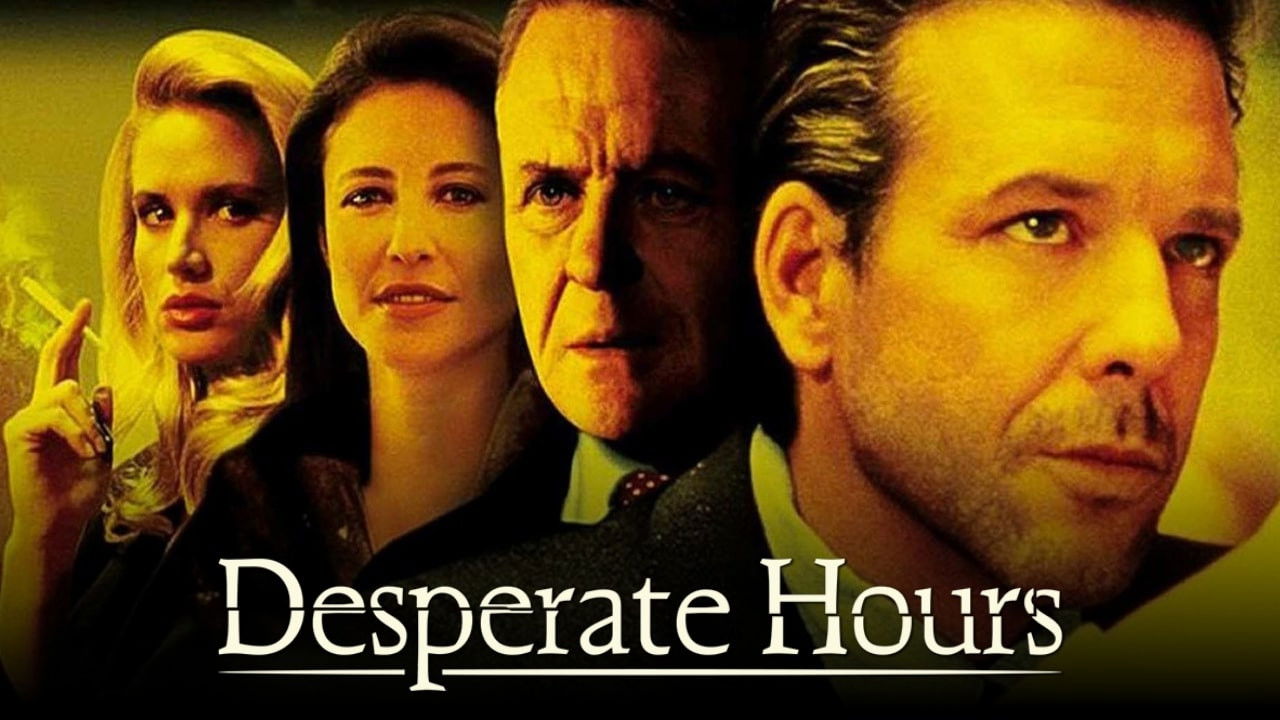
Rourke's Menace, Hopkins' Simmer
The heart of the film beats in the tense stand-off between Bosworth and Tim Cornell. Mickey Rourke, deep in his brooding late-80s/early-90s phase, is magnetic as Bosworth. He eschews outright shouting for a more insidious approach, his low voice and unpredictable shifts in mood creating a constant, unnerving tension. There's a vanity to his Bosworth, a self-awareness of the fear he inspires, that makes him particularly repulsive. Rumors often swirled around Rourke's intense methods during this era, and while specific tales from this set are scarce, you can feel the commitment to embodying this sociopath – it's a performance that crawls under your skin.
Opposite him, Anthony Hopkins delivers a masterclass in contained fury. Filmed around the same time as his career-defining role in The Silence of the Lambs (though released slightly before it), you see glimpses of that coiled power here. Tim Cornell isn't an action hero; he's an ordinary man pushed to extraordinary limits, his fear slowly calcifying into resolve. Watching Hopkins subtly telegraph Tim’s internal struggle – the terror warring with protective instinct – is the film's strongest asset. The psychological chess match between these two actors elevates the material considerably. Mimi Rogers also provides a strong anchor as Nora, conveying the terror and fierce maternal instinct without resorting to hysterics.
Echoes in a Glass House
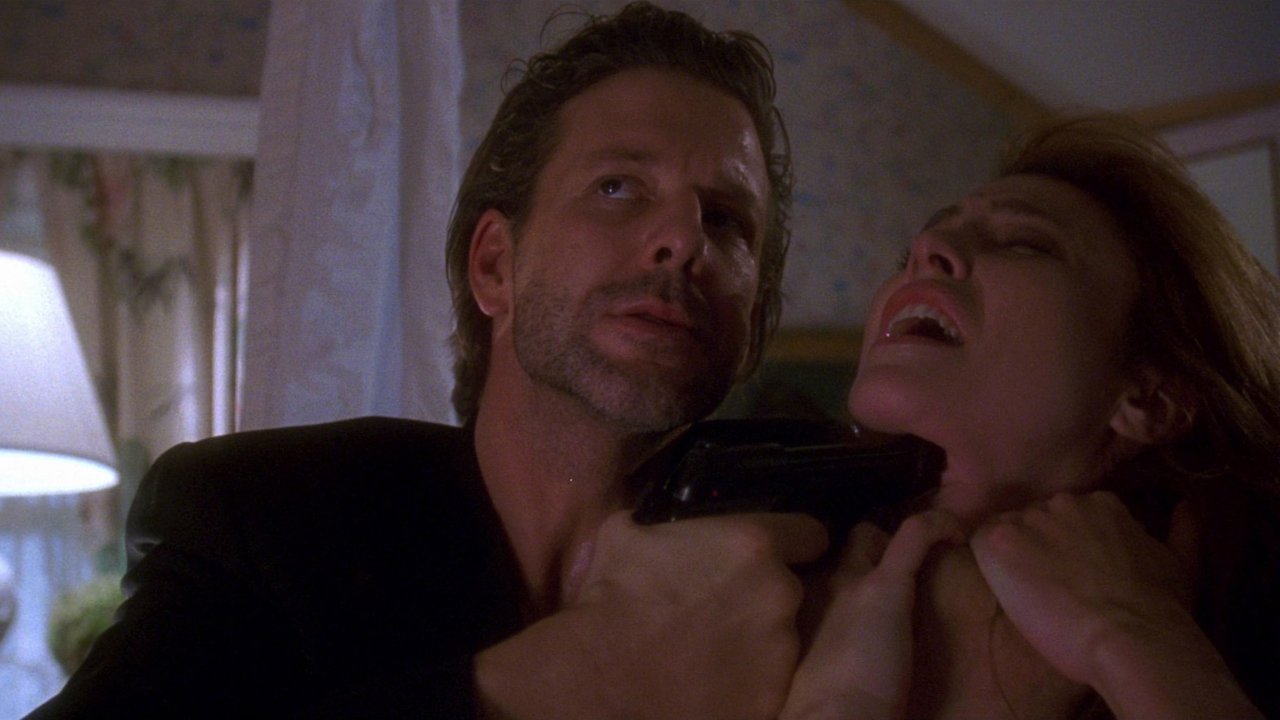
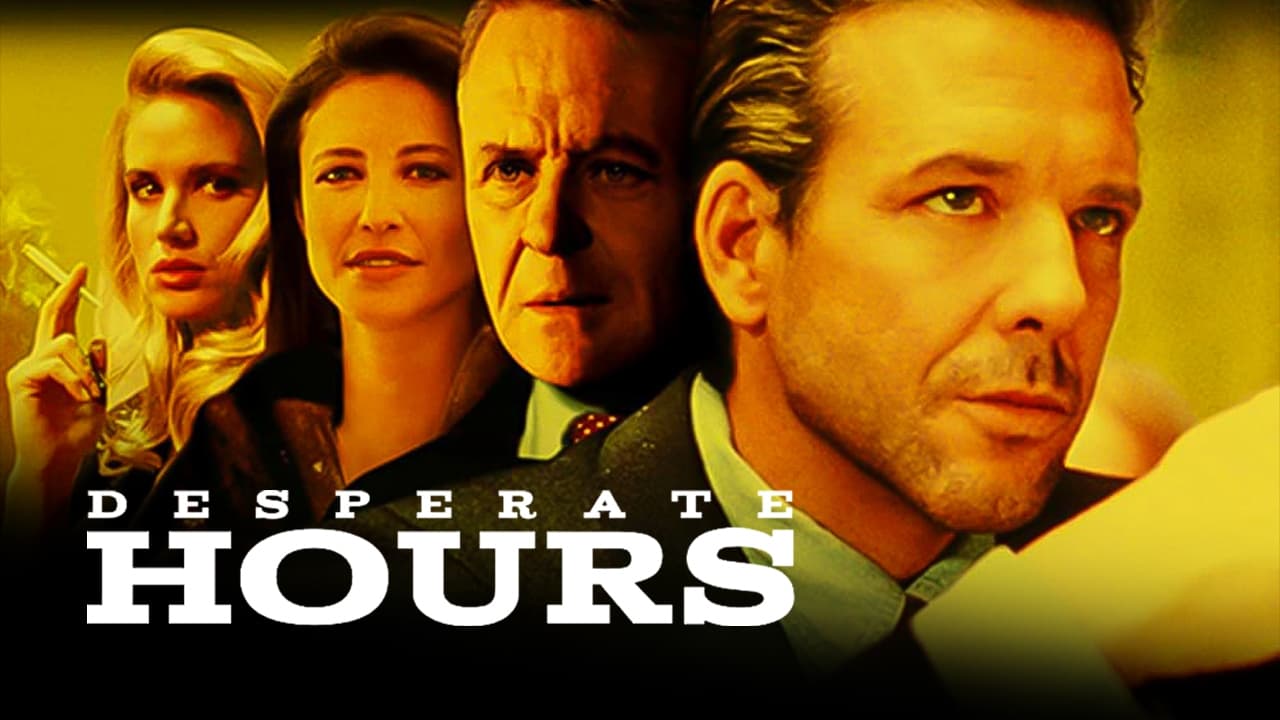
While comparisons to the 1955 original are inevitable – and many favour Bogart's grit – Cimino's version stands as a fascinating artifact of its time. It’s less a gritty crime story and more a psychological siege film, reflecting perhaps the anxieties of a slightly more affluent, yet arguably more fragile, late-century America. The production wasn't without its challenges, navigating the tricky dynamics of a home invasion narrative and aiming for suspense over graphic violence (though it certainly has its moments, earning its R rating). The script, credited to Lawrence Konner, Mark Rosenthal, and original author Joseph Hayes, sometimes struggles with pacing and occasionally dips into familiar thriller tropes, preventing the film from reaching true classic status.
Did this feel chillingly real watching it on a flickering CRT back in the day? Absolutely. The violation of the home space is a primal fear, and Cimino taps into that effectively. Despite the star power and the director's pedigree, Desperate Hours ultimately underperformed, grossing a mere $2.7 million domestically against a reported $18 million budget. It became another footnote in Cimino’s complicated legacy, often overlooked in favour of his more lauded or infamous works.
VHS Verdict
Desperate Hours (1990) isn't a perfect thriller, occasionally hampered by uneven pacing and some predictable beats. However, it’s held aloft by the sheer intensity of its central performances, particularly the compelling dynamic between a menacing Rourke and a simmering Hopkins. Cimino’s distinct visual style and knack for atmosphere create a palpable sense of dread within the confines of that modernist prison. It captures a specific type of glossy, late-80s/early-90s tension effectively. For fans of the era's thrillers, or those fascinated by the careers of its key players, it's a worthwhile excavation from the video store archives.
Rating: 6.5/10
Justification: The powerful lead performances (especially Hopkins and Rourke) and Cimino's strong visual direction create genuine tension and atmosphere (earning points 1-5). The effective portrayal of the home invasion concept adds another point (6). However, pacing issues, some clichéd thriller moments, and a script that doesn't always live up to its potential prevent a higher score (-1.5). The film's box office failure and lukewarm critical reception reflect these weaknesses (-1). It's a solid, atmospheric piece elevated by its stars, but ultimately falls short of greatness (-1). Hence, 6.5 feels earned by the specific strengths and weaknesses discussed.
Final Thought: A tense, stylish artifact swallowed by the shadows of its director's history and its lead actor's impending superstardom, Desperate Hours remains a potent reminder of how fragile sanctuary can be.