It rarely begins with a gunshot in memory, does it? More often, it’s a feeling, an atmosphere that settles back in. For Boyz n the Hood, it’s the dense, sun-baked air of South Central Los Angeles, circa 1991. It’s the palpable weight of expectation, potential, and omnipresent danger pressing down on young shoulders. Watching it again after all these years, that feeling remains undiluted, a testament to the raw, urgent power John Singleton unleashed in his directorial debut. This wasn't just a movie; it felt like a vital dispatch from a world many only glimpsed through headlines.
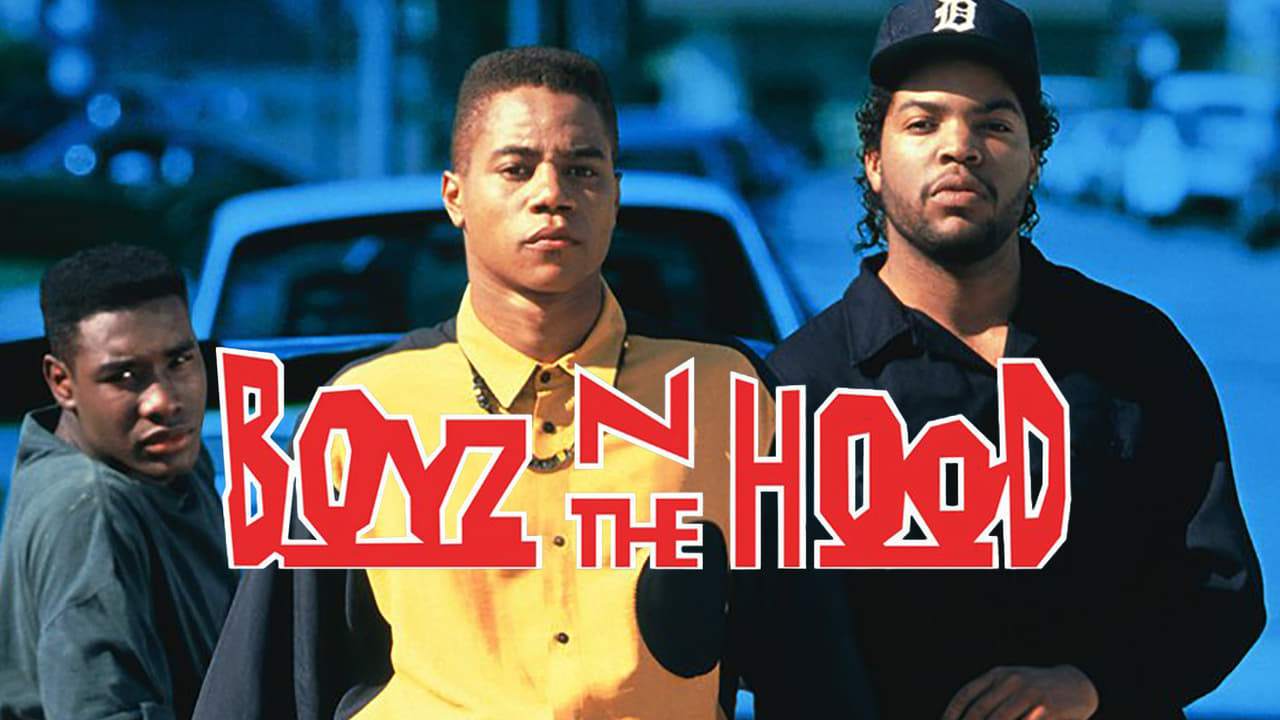
I recall renting this tape, the stark cover art promising something different, something heavier than the usual action fare lining the shelves. And it delivered. There was an immediacy, an unflinching honesty that hit hard. Singleton, barely out of film school at 23, wasn't just telling a story; he was bearing witness, translating the realities of his own upbringing onto the screen with astonishing clarity and maturity. That youthful perspective, paradoxically, lent the film an aged wisdom, a sense of profound understanding born from lived experience.
A Father's Stand
At the heart of the narrative, providing its moral compass and much of its emotional weight, is Furious Styles, played with an unforgettable quiet intensity by Laurence Fishburne. Even then, Fishburne, already known for roles like Cowboy Curtis on Pee-wee's Playhouse (1986-1990) and a memorable turn in Apocalypse Now (1979), commanded the screen. As Furious, he embodies principled fatherhood in a landscape where positive male role models are scarce. His lectures to his son Tre and the neighborhood kids aren't just dialogue; they are lessons in survival, responsibility, and awareness – delivered with a conviction that makes them utterly compelling. Remember the scene where he calmly explains gentrification to a handful of young men on a vacant lot? It’s a masterclass in exposition woven seamlessly into character, powerful then and perhaps even more resonant now. His presence anchors the film, offering a vision of hope and resistance against the seemingly inevitable pull of the streets.
Three Paths Diverge
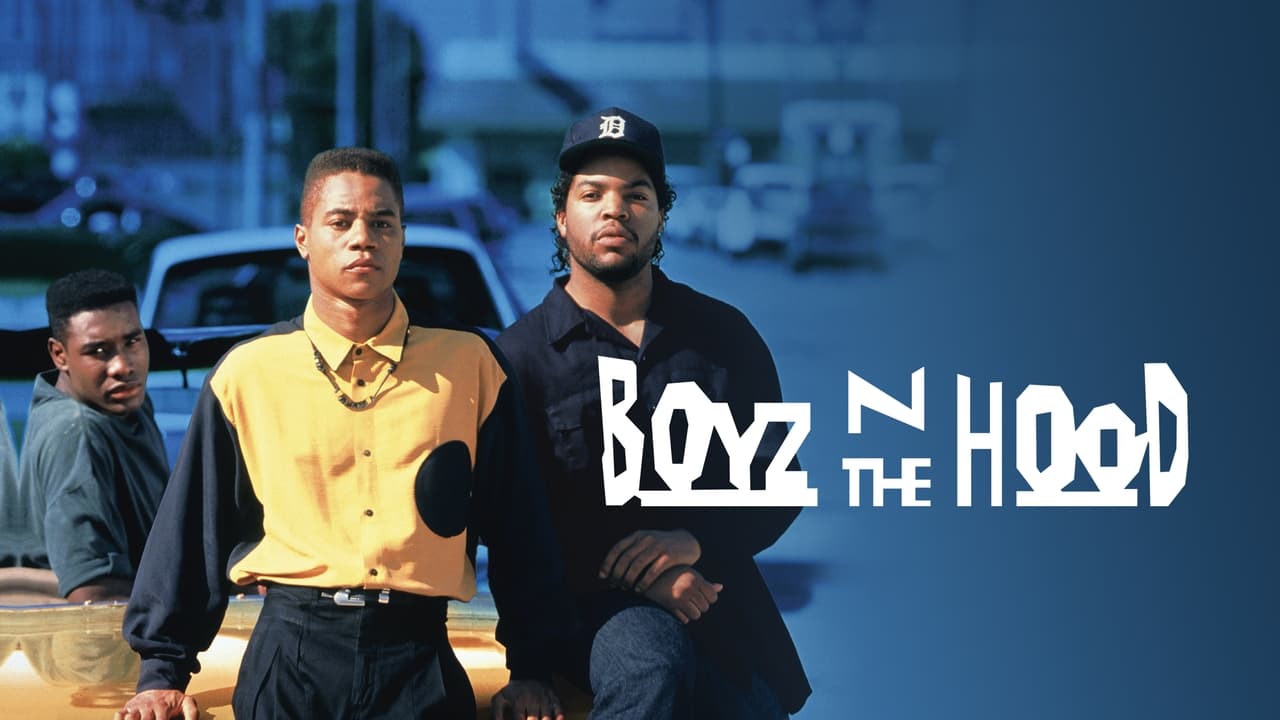
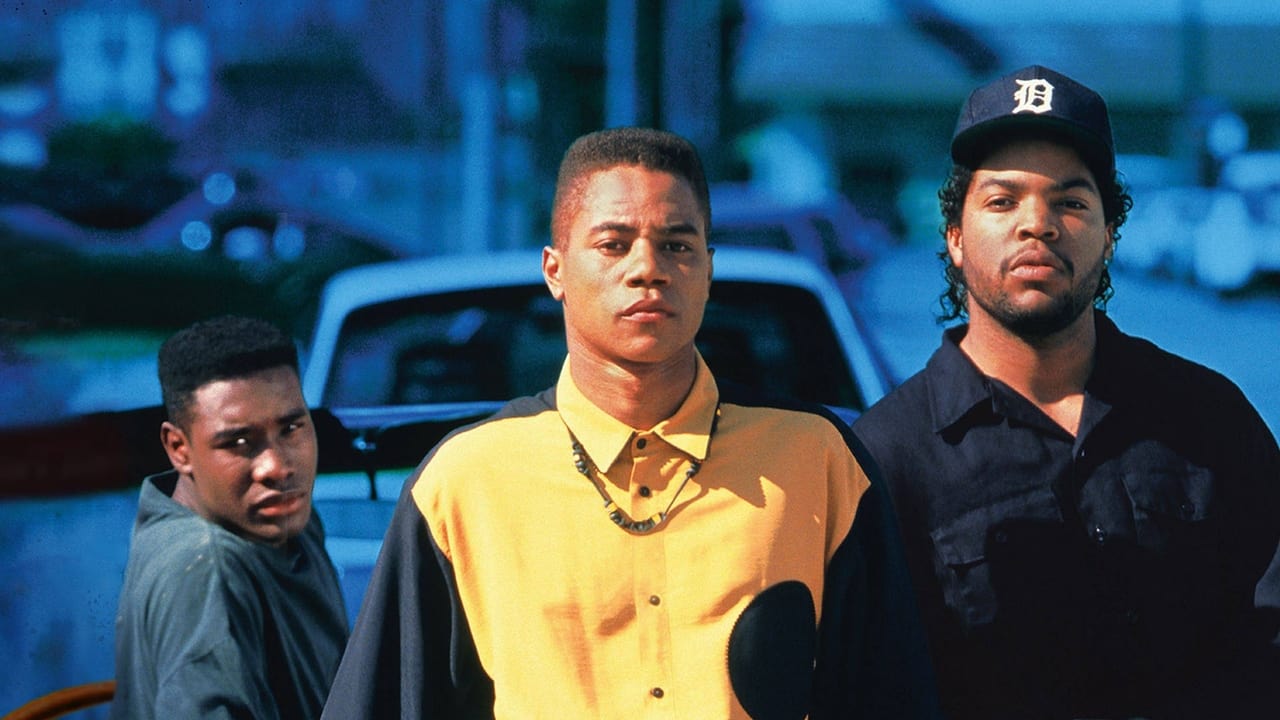
The story orbits around three childhood friends navigating the treacherous path to manhood: Tre Styles (Cuba Gooding Jr.), Doughboy Baker (Ice Cube), and Ricky Baker (Morris Chestnut). Gooding Jr., in a star-making performance, captures Tre's internal conflict – the desire to adhere to his father's teachings battling the pressures and loyalties of his environment. He’s the audience's surrogate, absorbing the world around him with wide, often fearful, eyes.
Then there's Ice Cube, stepping away from his N.W.A. persona (though the group's raw energy certainly informs the film's soundtrack and mood) to deliver a performance of stunning authenticity as Doughboy. It would have been easy to play him as a simple stereotype, but Cube imbues him with a tragic awareness, a simmering anger born of limited options, and a fierce, protective loyalty. His transition from music icon to credible actor felt seismic at the time, and looking back, it's clear this role was pivotal. Morris Chestnut, making his film debut as the football hopeful Ricky, represents the fragile dream of escape, the potential tragically tethered to the neighborhood's dangers. The chemistry between these three young actors feels utterly genuine, their shared history palpable in every interaction.

Singleton's Unflinching Eye
John Singleton didn't just direct Boyz n the Hood; he breathed life into it, drawing heavily from his own experiences growing up in the very neighborhoods depicted. Filming on location in South Central wasn't just for authenticity; it was authenticity. You feel the heat off the pavement, hear the ubiquitous helicopters, sense the invisible lines defining turf and safety. His direction is remarkably assured for a debut – patient when it needs to be, letting moments land, but unflinching during scenes of sudden, shocking violence.
It's fascinating to remember that Singleton's script, penned while he was still at USC Film School, earned him Academy Award nominations for Best Director (making him the youngest nominee ever in that category, and the first African American) and Best Original Screenplay. This wasn't just a commercial success (grossing over $57 million on a roughly $6.5 million budget – a huge return); it was a critical phenomenon that forced mainstream audiences and critics to confront uncomfortable truths. The title itself, borrowed from the Eazy-E track (ironically penned by Ice Cube during his N.W.A. days), perfectly encapsulated the film's street-level perspective. Sadly, some initial screenings were marred by violence, a tragic case of life imitating art that only underscored the urgency of the film's message about cycles of retribution and hopelessness.
Why It Still Matters
What lingers most profoundly after watching Boyz n the Hood today? It's the chilling relevance of its central themes. The exploration of systemic neglect, the desperate search for identity and belonging, the devastating consequences of cyclical violence, and the enduring power of parental guidance – these resonate just as strongly now, perhaps even more so. The film avoids easy answers, presenting the intertwined lives of its characters with empathy but without sentimentality. It asks us to consider the environmental factors that shape destiny, the agonizing choices faced when options are limited. Does Doughboy's final, haunting gaze into the distance signify resignation, or a flicker of understanding? The film leaves us with questions, not resolutions, which is part of its enduring power.
This wasn't just another tape on the rental shelf; it felt like required viewing, a cultural touchstone that sparked conversations long after the credits rolled. It announced the arrival of a major directorial talent in John Singleton and launched the careers of several incredible actors. It remains a potent, heartbreaking, and essential piece of 90s cinema.

Rating: 9.5/10
This score reflects the film's near-perfect execution of its vision. The authenticity is unparalleled, driven by Singleton's personal connection and directorial skill. The performances, particularly from Fishburne and Ice Cube, are iconic and deeply felt. Its cultural impact was immediate and lasting, forcing vital conversations. While relentlessly grim, its power lies in its unflinching honesty and the slivers of humanity it finds amidst the despair. It loses half a point only because the sheer weight of its tragedy makes it a film one respects profoundly, perhaps more than one 'enjoys' revisiting frequently, but its importance is undeniable.
Boyz n the Hood isn't just a film you watch; it's a film that stays with you, a stark reminder of the fragility of life and the enduring search for a path forward, even when the odds seem insurmountable. A true classic of the VHS era, and of American cinema.