Some stories arrive on screen not just as entertainment, but as acts of remembrance, demanding attention for truths deliberately buried. When John Singleton, already celebrated for his urgent portrayals of contemporary Black life in films like Boyz n the Hood (1991), turned his attention to the horrific events of 1923 Florida with Rosewood (1997), he delivered a film that felt like uncovering a painful, vital piece of American history many never knew existed. Watching it again now, years after first encountering it likely on a well-worn VHS tape, its power to confront and educate hasn't diminished one bit.
An Unveiling of Buried Truths
The film meticulously reconstructs the thriving, self-sufficient Black town of Rosewood, Florida, painting a picture of community, prosperity, and dignity. We see families, businesses, church life – a stark contrast to the racist caricatures often prevalent elsewhere. Singleton takes his time establishing this world, making the eventual descent into violence all the more devastating. The catalyst is depressingly familiar: a false accusation of assault made by a white woman (Fannie Taylor, played by Catherine Kellner) against a Black man, a lie weaponized by simmering resentment and prejudice in the neighboring white town of Sumner. What follows is not just injustice, but a full-blown massacre, an eruption of mob violence aiming to obliterate Rosewood entirely.
Singleton's Unflinching Gaze
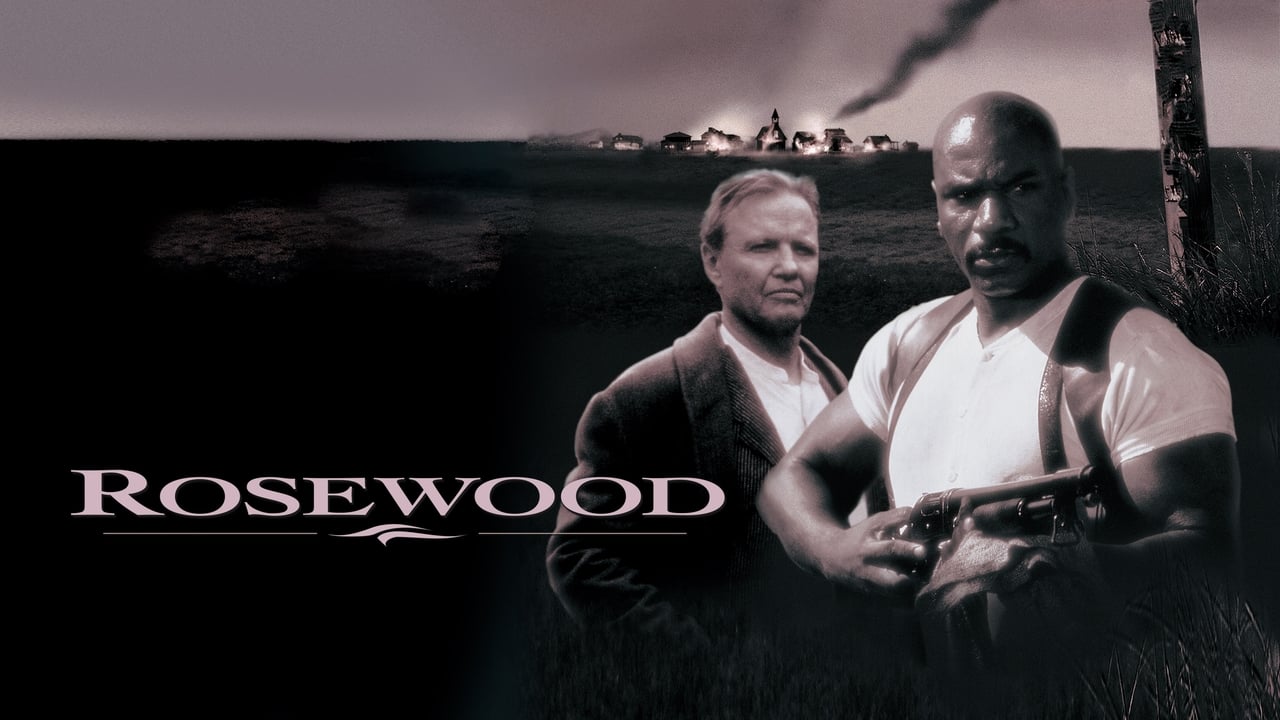
Singleton doesn't shy away from the brutality, yet his direction feels measured, purposeful rather than exploitative. He understands the weight of the material. Having already demonstrated his skill in capturing raw emotion and societal tension, here he applies it to a historical canvas. The shift from the warm, almost idyllic early scenes to the smoke-filled terror of the attack is jarring and effective. There’s a palpable sense of dread that builds, masterfully orchestrated. The budget, reportedly around $30 million – a significant sum for a historical drama tackling such a difficult subject in the 90s – is evident in the detailed period recreation and the scale of the unfolding chaos. Yet, despite the scope, Singleton keeps the focus intimate, centered on the human cost.
Portraits of Defiance and Complicity
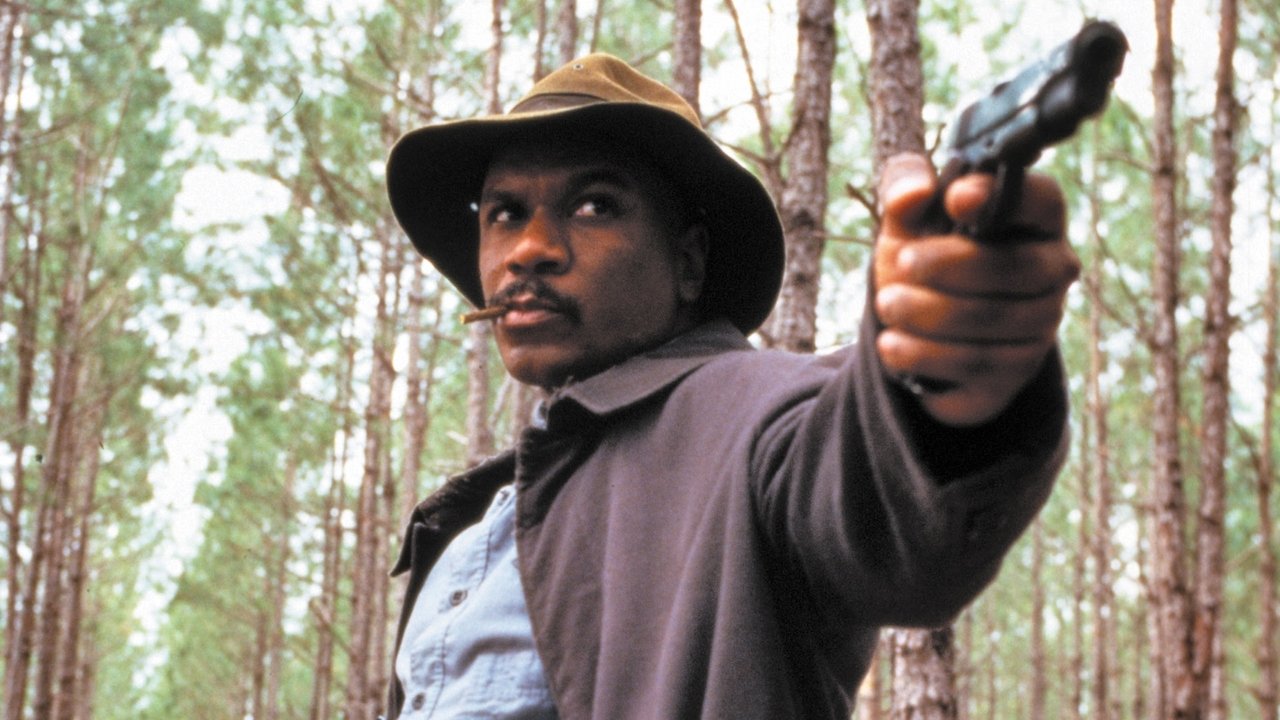
Where Rosewood truly anchors itself is in its performances. Ving Rhames, fresh off his unforgettable turn in Pulp Fiction (1994), brings immense gravitas to Mann, a mysterious World War I veteran who rides into town just as tensions boil over. Mann is, significantly, a composite character – not a real historical figure from the Rosewood incident. While this choice sparked some debate about historical accuracy, his presence serves a crucial narrative function. Rhames embodies him as a figure of stoic resistance, an almost mythical force pushing back against the tide of hatred. He’s the audience's anchor in the storm, a symbol of defiance when official protection is absent or worse, complicit.
Equally compelling is Don Cheadle as Sylvester Carrier, a proud Rosewood resident fiercely protective of his family and unwilling to bow to intimidation. Cheadle portrays Sylvester’s courage not as mythic, but as grounded, desperate, and utterly believable. His stand represents the real-life pockets of armed resistance that occurred during the massacre. On the other side of the moral divide, Jon Voight delivers a complex performance as John Wright, a white store owner in Rosewood who is initially friendly but ultimately struggles with his conscience, embodying the tragic limitations of passive sympathy in the face of systemic evil. And one cannot forget the late, great Esther Rolle (beloved as Florida Evans from TV's Good Times) as Aunt Sarah Carrier, the family matriarch; her scenes radiate strength and sorrow, providing a profound emotional core.
Resurrecting History, Sparking Dialogue
Watching Rosewood in the late 90s, perhaps rented from Blockbuster or the local mom-and-pop video store, felt significant. It wasn't just another movie; it felt like an education. The actual Rosewood massacre was largely erased from public memory for decades, its survivors scattered and silenced by trauma and fear. It wasn't until the 1980s, spurred by investigative journalism, that the story began to resurface. Singleton's film played a undeniable role in bringing this history to a much wider audience. It’s a powerful example of cinema serving as a cultural catalyst; the renewed attention surrounding the film contributed to the atmosphere where, in 1994, the Florida legislature remarkably passed a bill providing reparations to the aging survivors and descendants – a rare acknowledgment of historical injustice.
It’s interesting to note that the film wasn't a major box office success, grossing only around $13 million against its budget. Perhaps the difficult subject matter proved challenging for mainstream audiences at the time. Yet, its value isn't measured in ticket sales. Its legacy lies in its function as a memorial, a testament, and a necessary confrontation with an ugly chapter of the past.
The Verdict
Rosewood is a tough watch, undoubtedly. It deals with horrific violence and deep-seated hatred. But it's also a film filled with moments of incredible bravery, community spirit, and human dignity in the face of unimaginable terror. Singleton crafted a powerful, important piece of historical cinema, anchored by outstanding performances and a commitment to honoring the memory of those who suffered and resisted. It avoids easy answers and confronts the viewer with the devastating consequences of unchecked racism.
Rating: 9/10 – This score reflects the film's exceptional craft, the resonant power of its performances, and its crucial role in bringing a vital, buried piece of American history to light. While the fictionalized element of Mann might slightly detract for historical purists, his narrative function within the film is undeniably effective. Its emotional weight and historical significance make it a landmark achievement in 90s filmmaking.
What lingers most after watching Rosewood isn't just the horror, but the quiet strength of survival and the vital importance of remembering – ensuring that stories like this, however painful, are never again allowed to disappear into silence.