Okay, let's dim the lights, maybe adjust the tracking just a little, and slide this tape into the VCR. Remember finding those comedies on the shelf that just radiated pure, unadulterated mean-spirited fun? 1994’s Greedy is exactly that kind of gem, a film that might have flown under the radar for some but delivers razor-sharp laughs powered by a legendary star and a killer ensemble. Forget superheroes saving the world; sometimes, watching a pack of relatives tear each other apart for cash is just the ticket.
### Meet the McTeagues: A Nest of Vipers
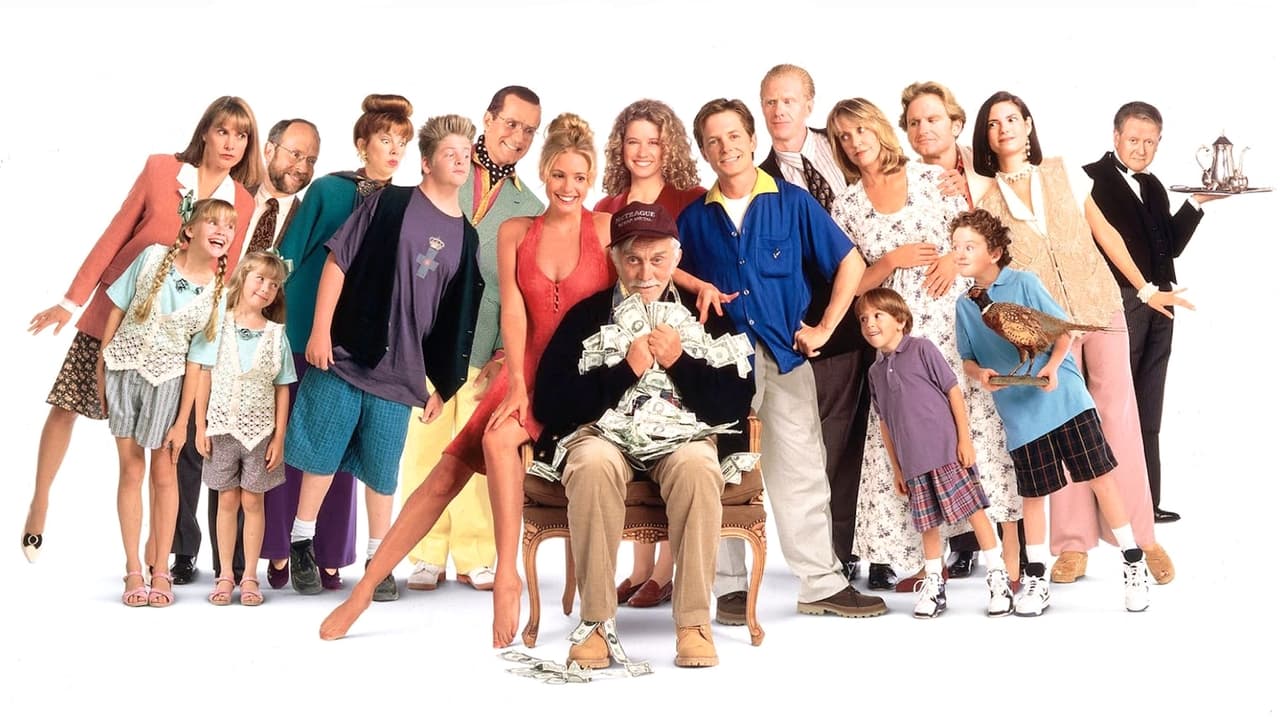
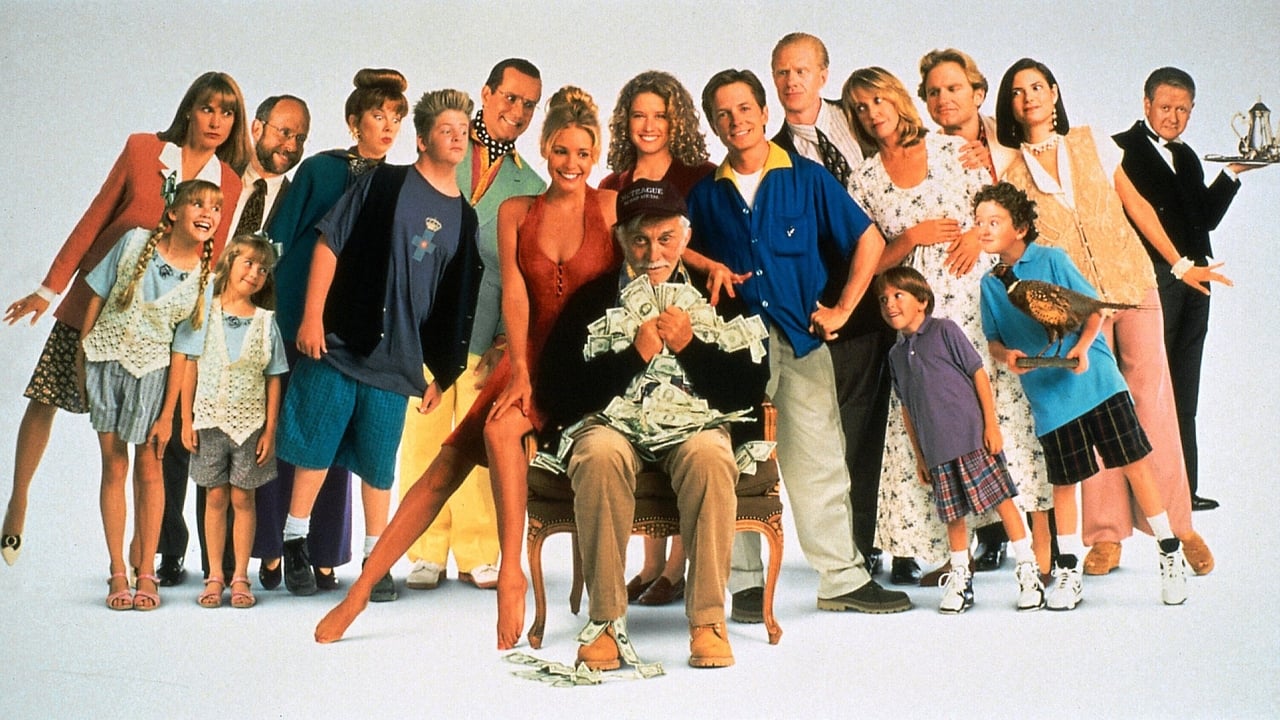
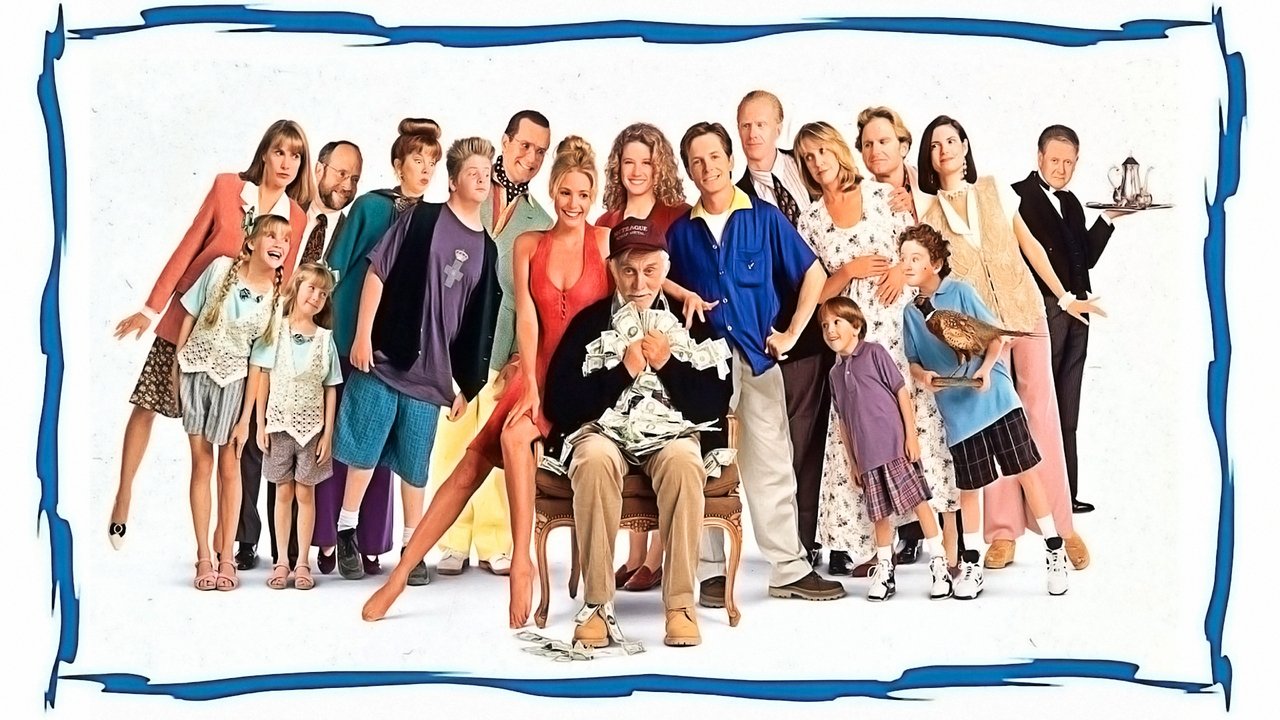
The premise is wonderfully simple and deliciously cynical: aging scrap metal tycoon Uncle Joe McTeague (Kirk Douglas, radiating mischievous energy) is sitting on a fortune, and his gaggle of parasitic relatives are circling like vultures, desperate to ensure they end up in his will. They fawn, they scheme, they backstab – it’s a family reunion planned by Machiavelli. Into this viper's nest stumbles Daniel McTeague (Michael J. Fox), the estranged, seemingly nice nephew, a professional bowler (yes, really!) with dreams of opening his own lanes. Recruited by the desperate family to schmooze Uncle Joe, Danny finds himself playing a dangerous game where morality is a luxury no one can afford.
It’s the kind of setup that comedy writing dream team Lowell Ganz and Babaloo Mandel excelled at. Fresh off hits like Parenthood (1989) and City Slickers (1991), they brought their signature blend of witty dialogue and character-driven chaos to the table. They knew how to populate a world with distinct, often hilariously flawed individuals, and Greedy is no exception. Each relative has their own peculiar brand of avarice, making the ensemble scenes crackle with competing agendas.
### Douglas Chews Scenery, Fox Plays Catch-Up
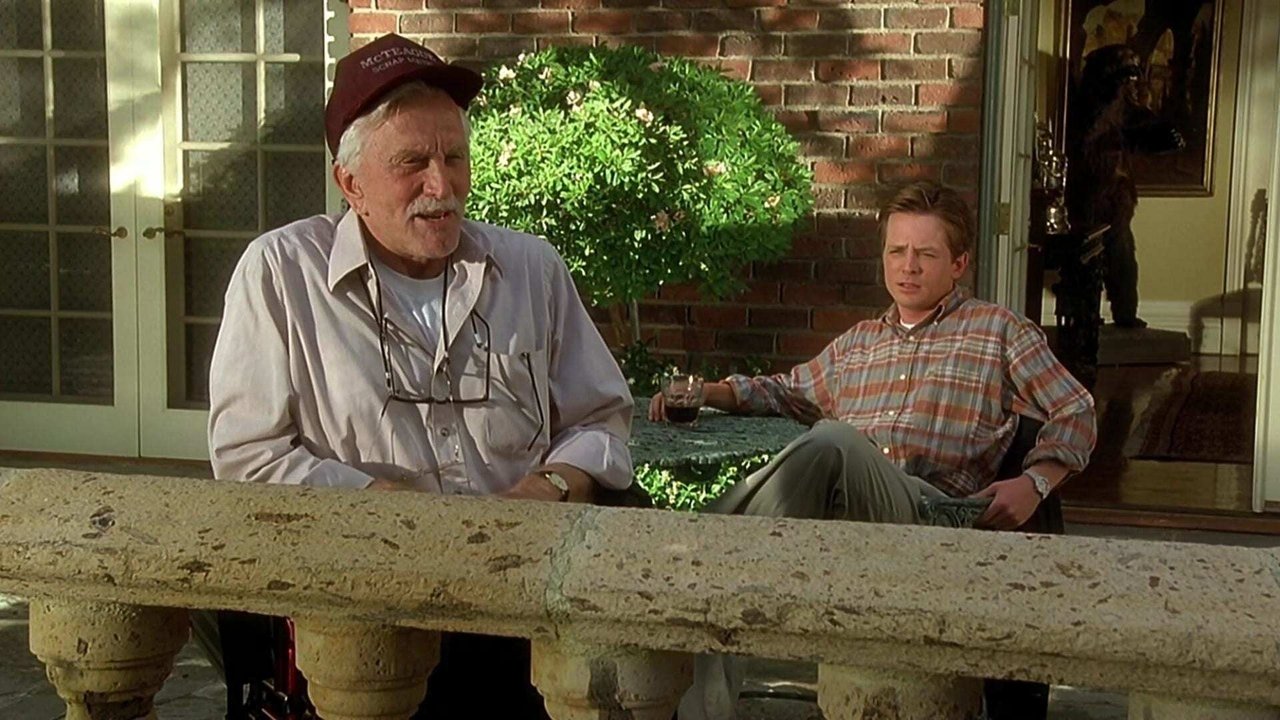
Let’s be honest, the main draw here is seeing the legendary Kirk Douglas having an absolute blast. At 78 during filming, he throws himself into the role of the manipulative, wheelchair-bound Uncle Joe with infectious glee. He knows exactly what his relatives are after, and he delights in playing them off against each other. It’s not subtle, but it’s incredibly entertaining watching a screen titan command the screen with such playful menace. Rumor has it Douglas relished the chance to cut loose in a comedic role like this, and it shows in every mischievous twinkle and barbed comment.
Against this force of nature, Michael J. Fox, ever the relatable everyman, plays Danny as the audience surrogate, initially appalled but slowly getting sucked into the family’s toxic dynamics. Fox, who was already a household name from Family Ties and the Back to the Future trilogy, brings his signature charm and impeccable timing, making Danny’s gradual moral slide both funny and slightly uncomfortable. He's paired nicely with Nancy Travis as his girlfriend Robin, who serves as Danny’s increasingly exasperated conscience. Travis, who had great chemistry with Mike Myers in So I Married an Axe Murderer (1993) the year before, grounds the absurdity whenever she's on screen.
### A Supporting Cast Worth Their Weight in Gold
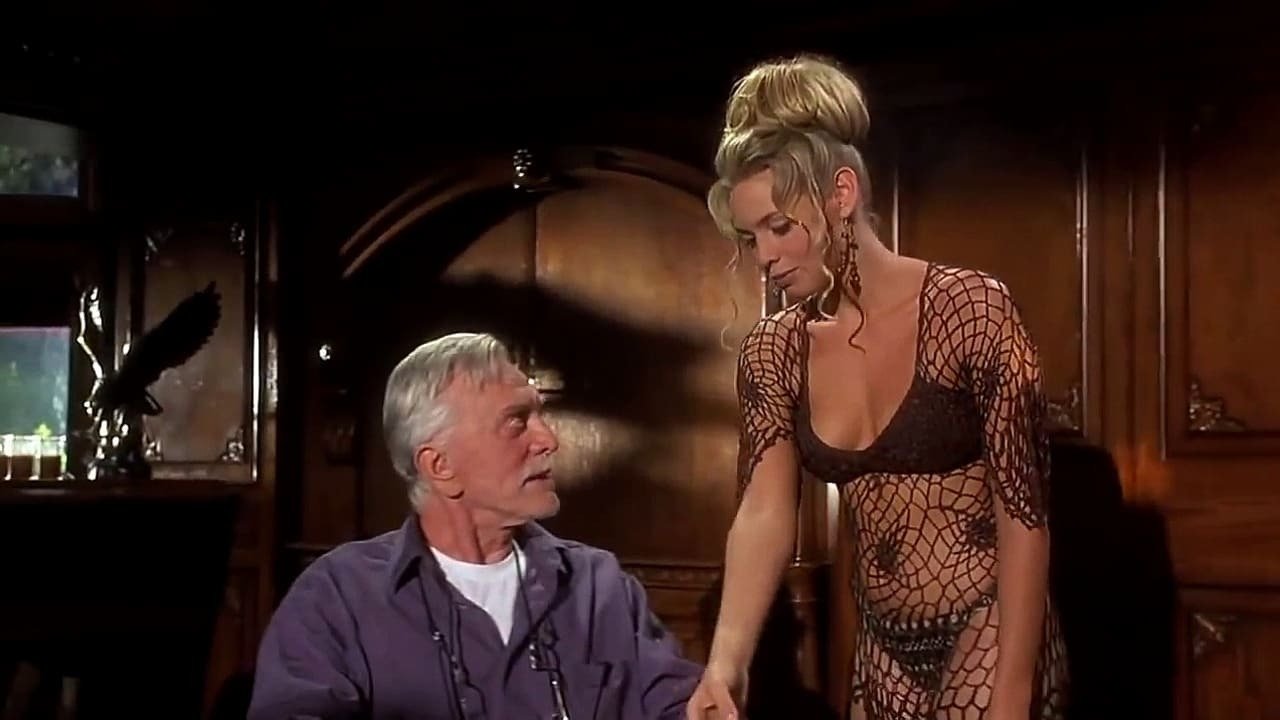
But oh, that supporting cast! This is where Greedy truly shines. The film is practically overflowing with comedic talent turning in memorable performances. You’ve got Phil Hartman absolutely stealing scenes as Frank, the hyper-competitive, constantly scheming cousin. Hartman was at the peak of his SNL powers here, and his line deliveries are pure gold. Remember his desperate attempts to one-up everyone? Classic Hartman. Then there’s Ed Begley Jr. as the sycophantic Carl, Bob Balaban as the put-upon Ed, Colleen Camp as the outrageously flamboyant Patti, and even a very young Kirsten Dunst popping up as one of the younger McTeagues. Each actor gets their moment to shine, contributing to the feeling of a chaotic, lived-in family dynamic fueled by mutual distrust and, well, greed.
Director Jonathan Lynn, who already proved his mastery with ensemble comedy in the much-loved Clue (1985) and the courtroom hilarity of My Cousin Vinny (1992), keeps the pacing brisk and lets his actors play. He understands that with dialogue this sharp and performers this good, the best thing a director can do is set the stage and let the fireworks happen. Much of the film unfolds within the opulent confines of Uncle Joe's mansion – actually the Greystone Mansion in Beverly Hills, a frequent movie backdrop you might recognize from dozens of other films, including The Big Lebowski (1998) and There Will Be Blood (2007). The setting itself feels like another character, amplifying the sense of decadent decay.
### That 90s Studio Comedy Vibe
Watching Greedy today is like opening a time capsule to mid-90s studio comedy. It has that slightly glossy, well-lit look, relies entirely on script and performance rather than visual effects, and isn't afraid to be a little mean. It’s sharper and more cynical than many family comedies of the era, poking fun at the blatant materialism that felt particularly potent in the early 90s. While it didn't exactly set the box office on fire upon release (making a respectable $35 million against its $23 million budget) and received somewhat mixed reviews, it’s precisely the kind of film that found a second life on VHS and cable – a solidly crafted, laugh-out-loud comedy that feels both familiar and refreshingly tart.
Does it feel dated in places? Sure, the fashion screams 1994, and the professional bowling subplot is… a choice. But the core themes of family dysfunction and the corrupting influence of money are timeless, and the jokes, thanks to Ganz and Mandel's script and the stellar cast's delivery, largely land just as well today. It lacks the intricate plotting of Clue or the fish-out-of-water charm of Vinny, perhaps, but it makes up for it with sheer caustic wit.
***
VHS Heaven Rating: 7.5 / 10
Justification: Greedy earns its score with a wickedly funny script from masters of the craft, a gleefully over-the-top performance from Kirk Douglas, Michael J. Fox's reliable charm, and an absolutely stacked supporting cast (especially Phil Hartman). It's a prime example of a well-executed, star-driven 90s studio comedy that delivers consistent laughs. While maybe not an all-time classic, it's significantly funnier and sharper than its initial reception might suggest, making it a rewarding rediscovery.
Final Rewind: It’s a cynical little treat from the video store racks – the kind of sharp-tongued ensemble comedy they don’t make quite like this anymore. Pop it in when you need a reminder that sometimes, watching bad people behave badly is downright hilarious.